Commentary
Indian Prime Minister Narendra Modi’s diplomatic blitz is the latest sign of middle powers drawing closer together. It has not gone unnoticed by Washington, says former foreign correspondent Nirmal Ghosh.
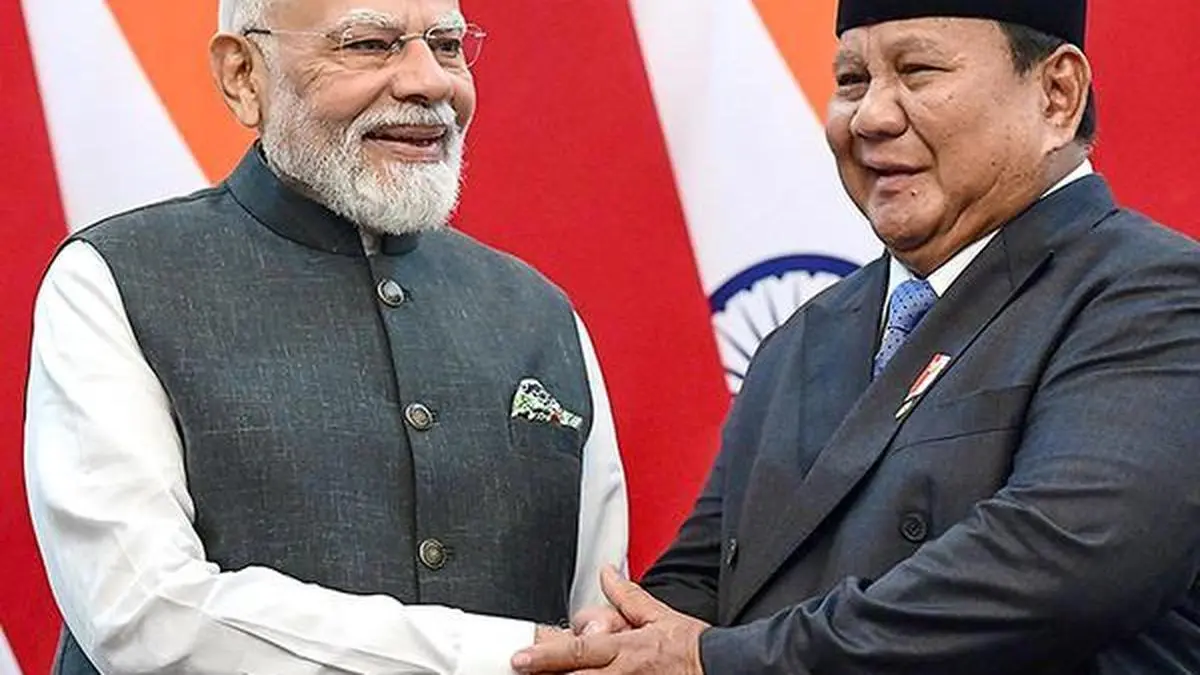
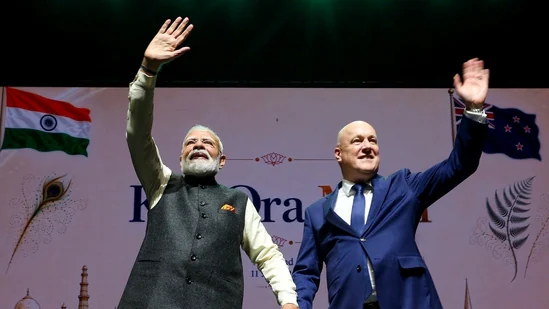
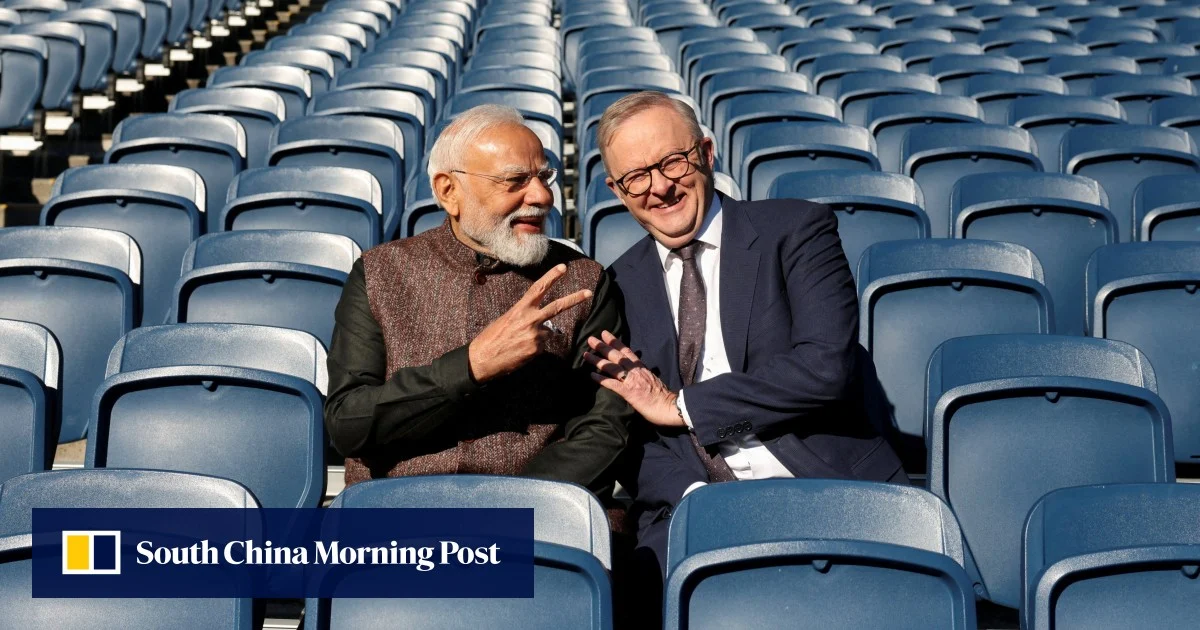
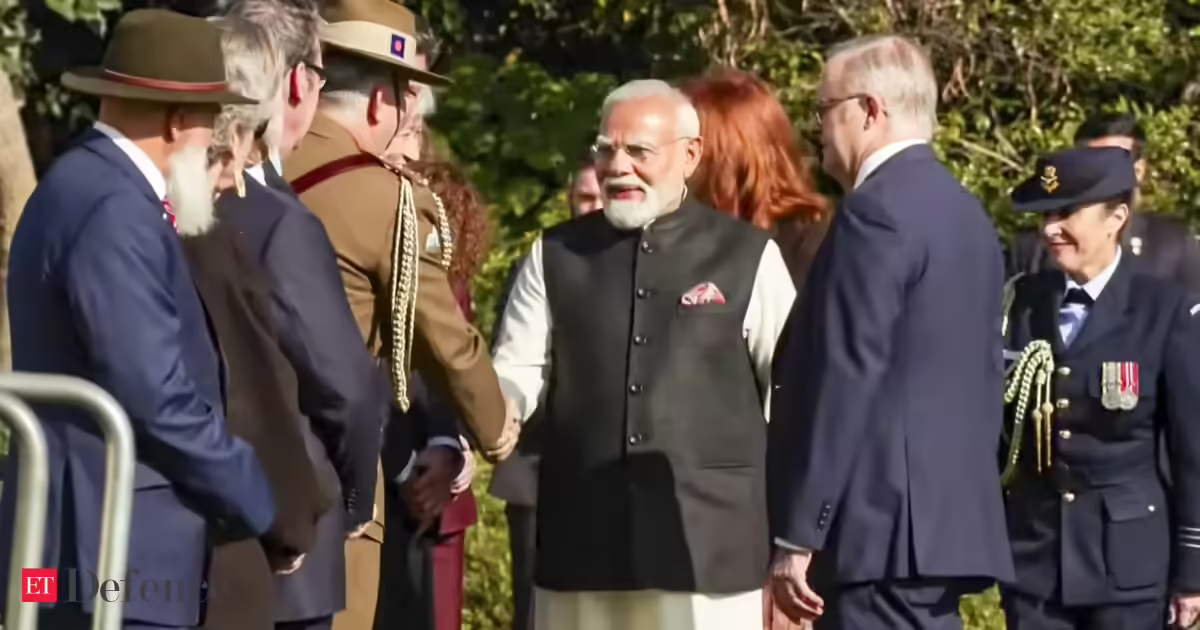
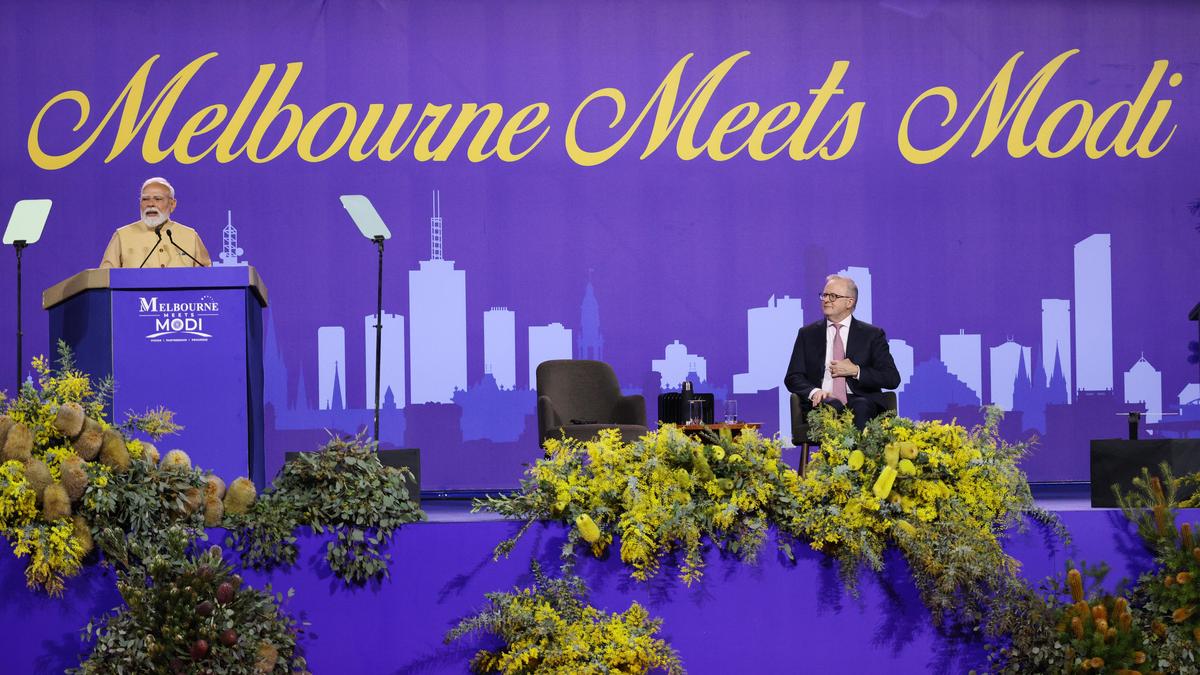
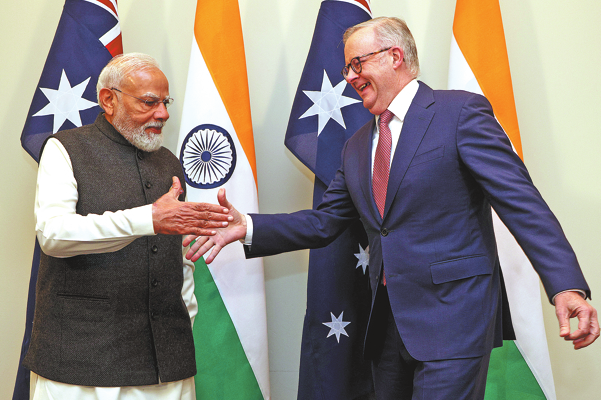
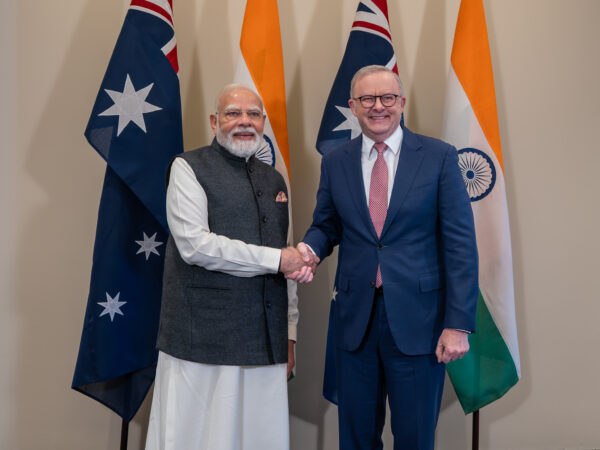
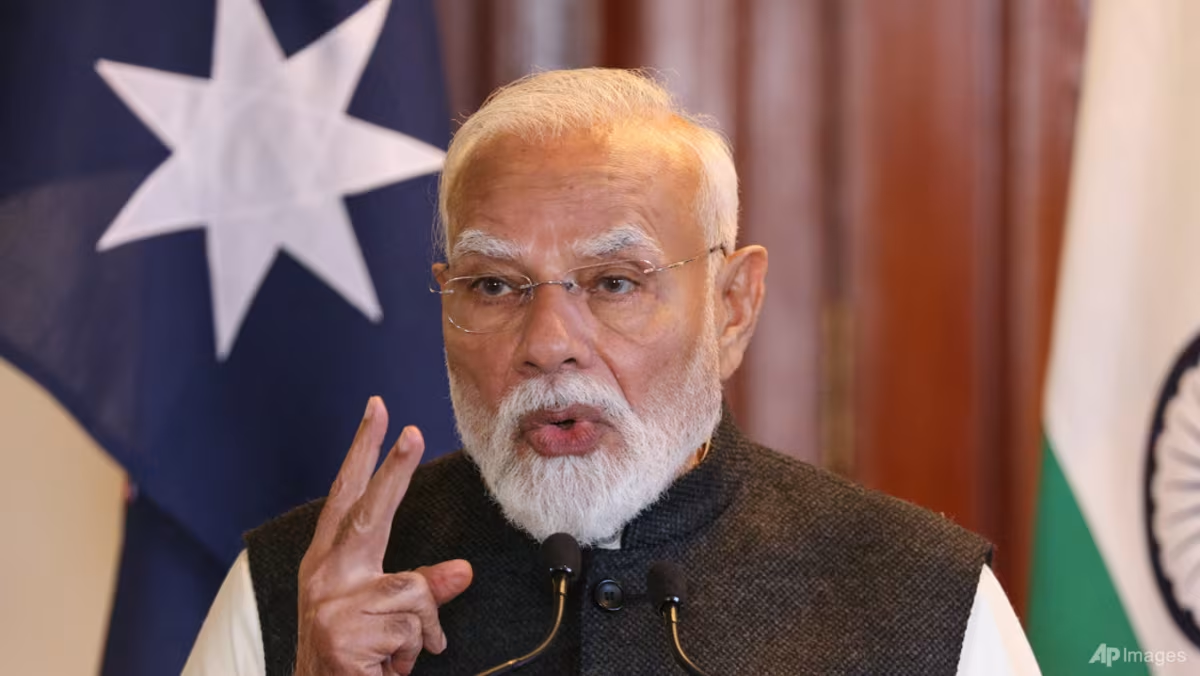
Indian Prime Minister Narendra Modi had state visits to Indonesia, Australia and New Zealand, seen here in a photo taken in Melbourne, Australia on Jul 9, 2026. (AP Photo/Hamish Blair)
17 Jul 2026 06:00AM
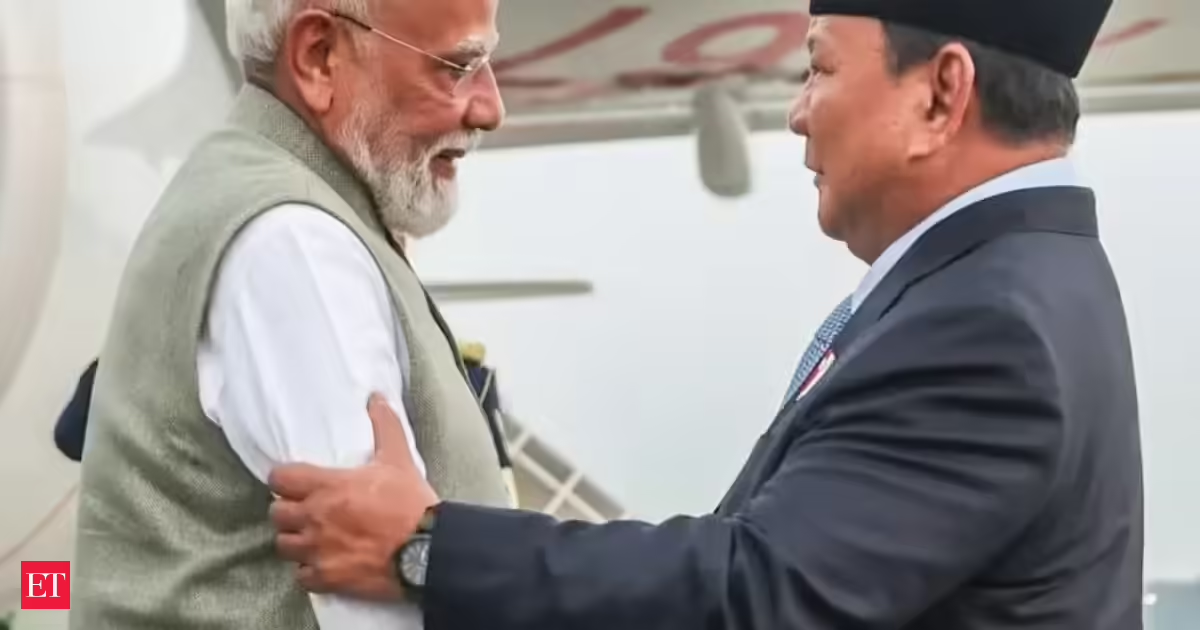
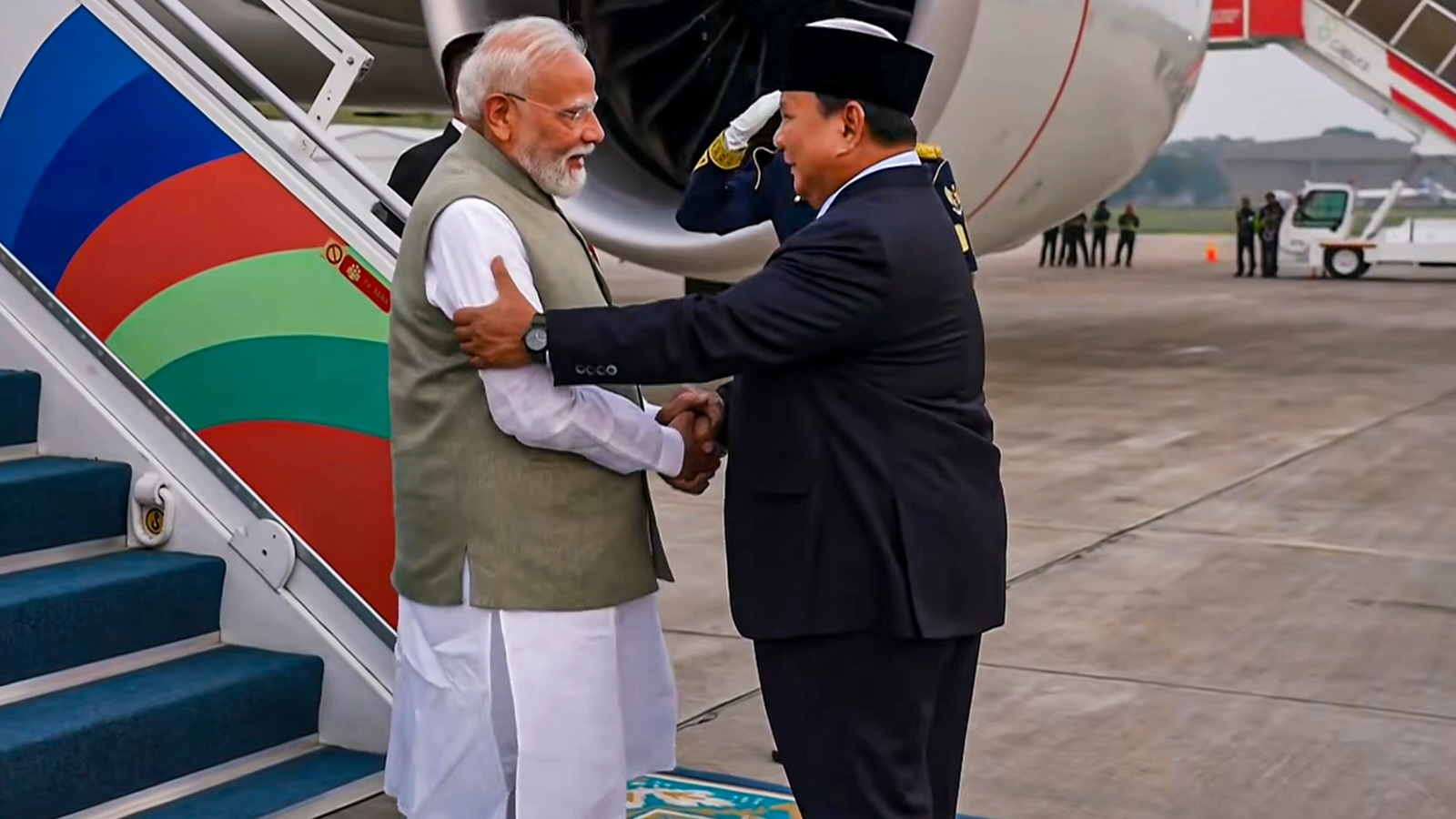
SINGAPORE: In the space of one week in July, Indian Prime Minister Narendra Modi finalised the sale of Indian Brahmos supersonic missiles to Indonesia, secured a supply of Australian uranium to India and elevated ties with New Zealand to a "milestone" strategic partnership. None of these agreements will reshape the Indo-Pacific on their own, but taken together, they point to a distinct trend - of middle powers deepening relationships with each other as trust in the United States weakens. The diplomatic exchanges have gone both ways. Mr Modi’s trip came on the heels of Japanese Prime Minister Sanae Takaichi’s visit to New Delhi in July. Earlier in April, Mr Modi hosted South Korea’s President Lee Jae Myung and in May, Vietnam’s President To Lam. But it would be an overstatement to say this means middle powers are moving away from the United States. In a time of complex geopolitical flux, generalising is unwise; Japan and South Korea are both US treaty allies.