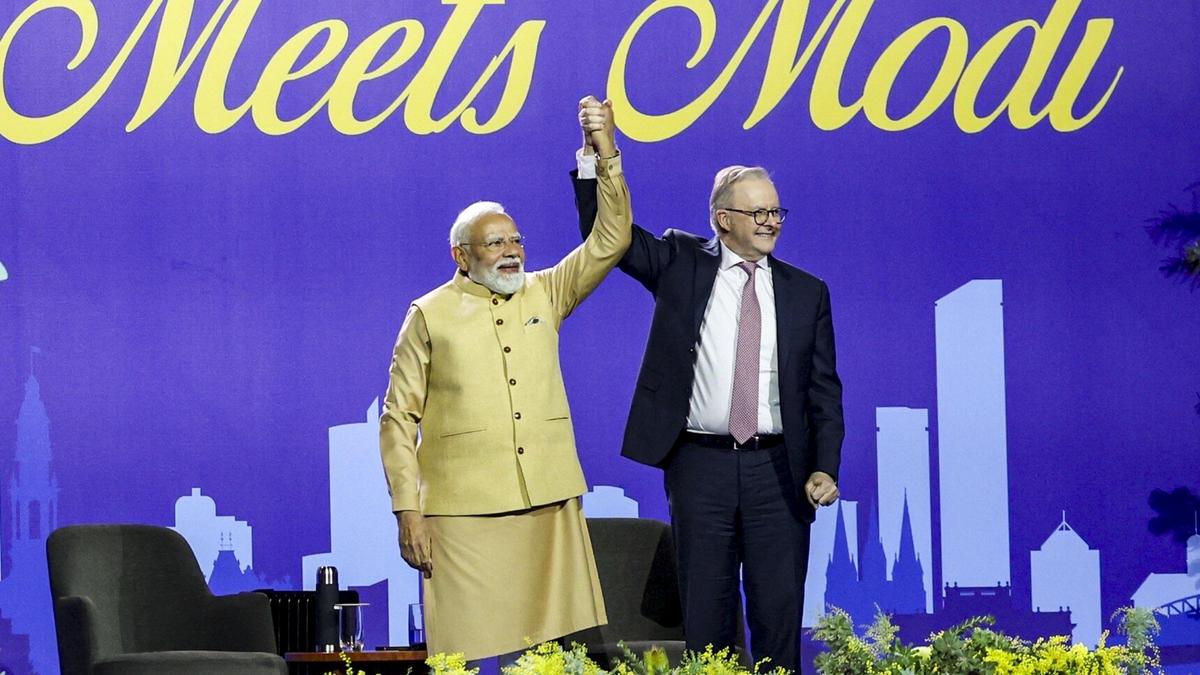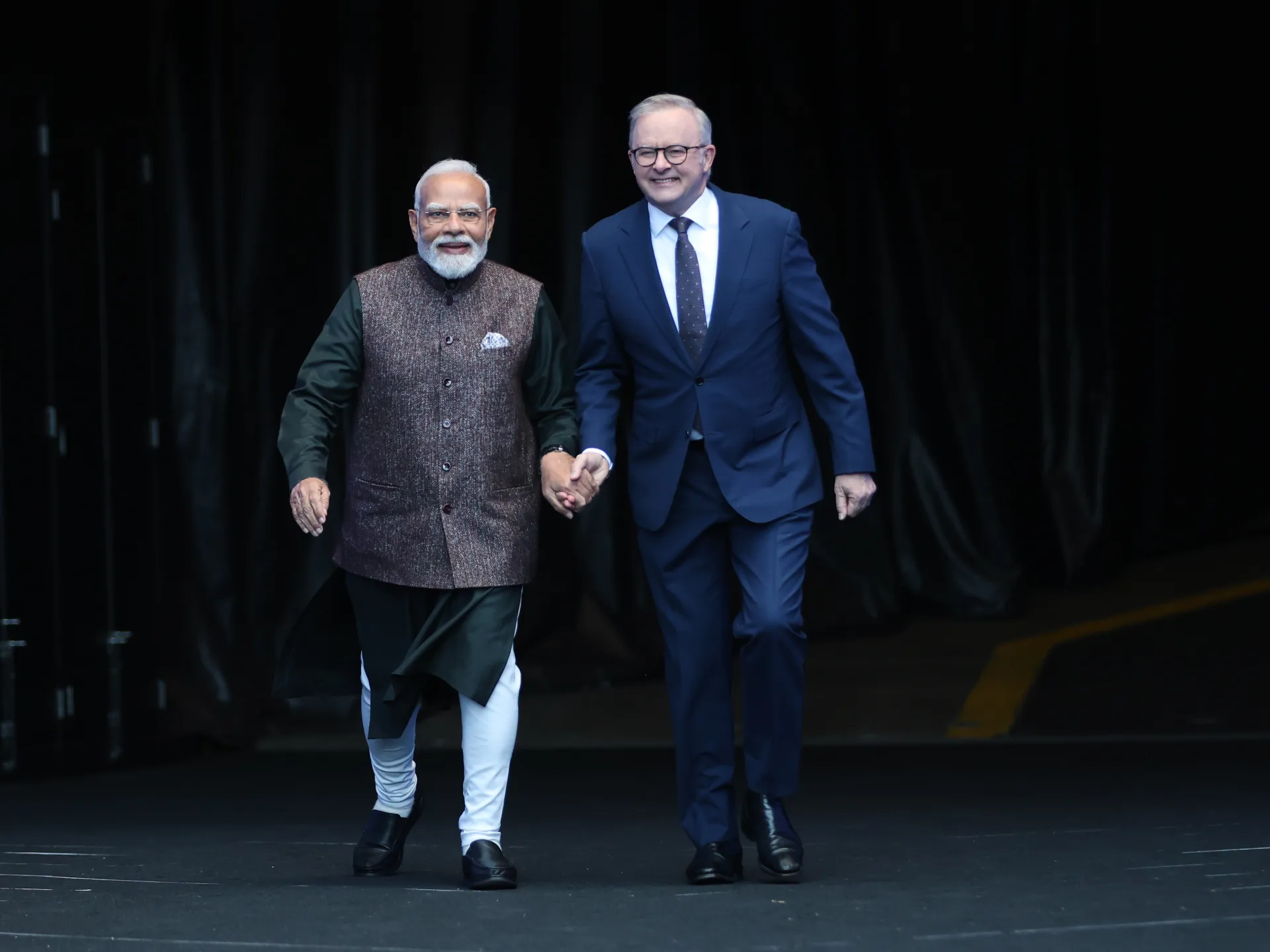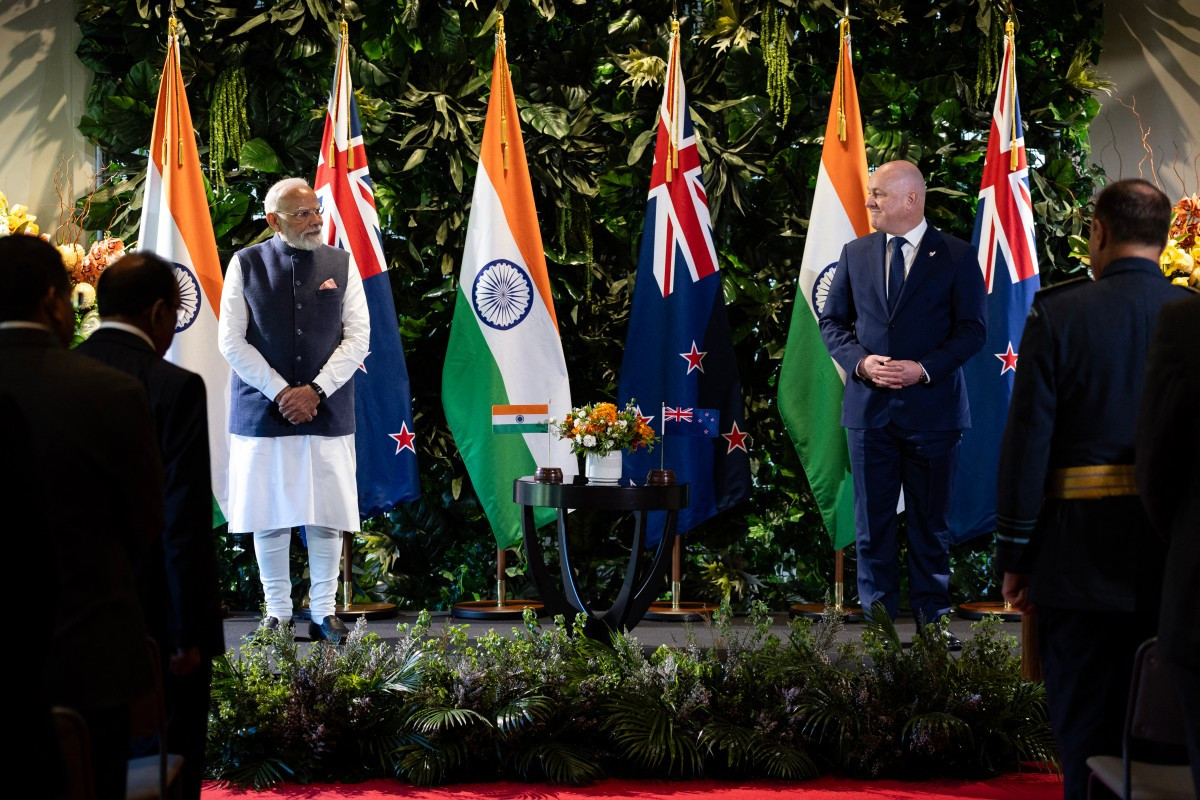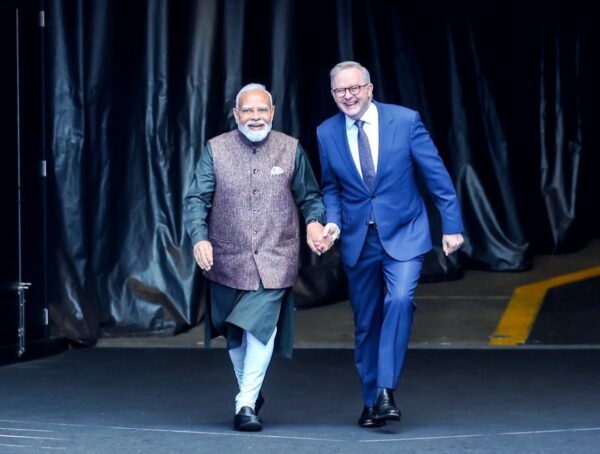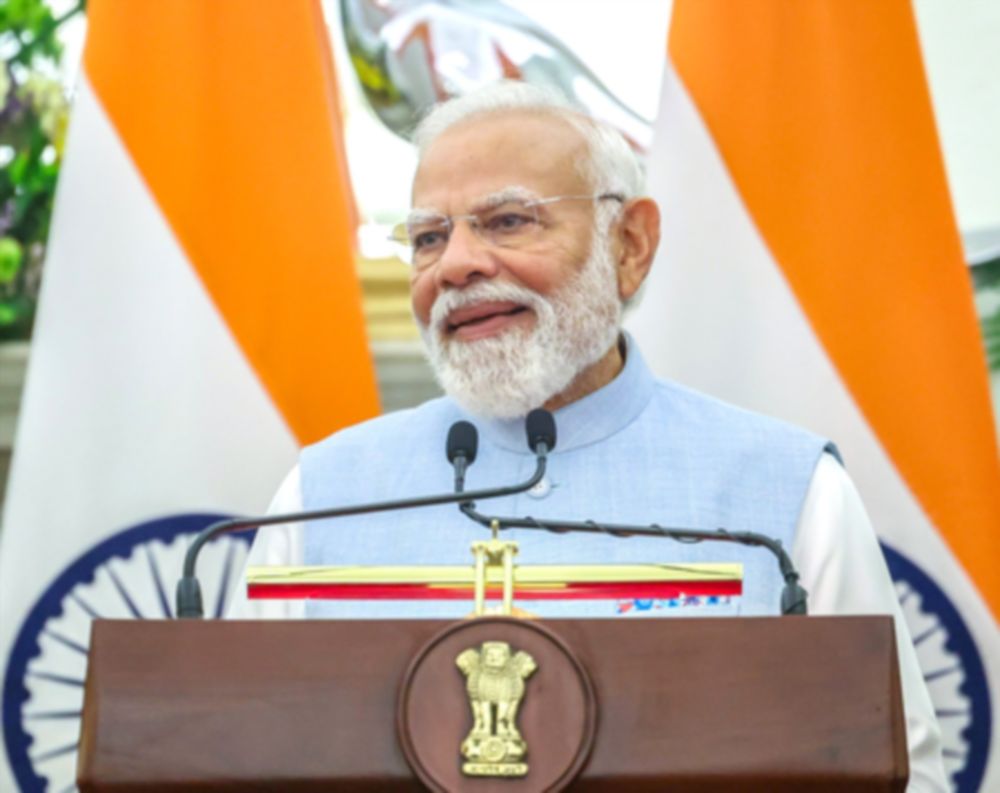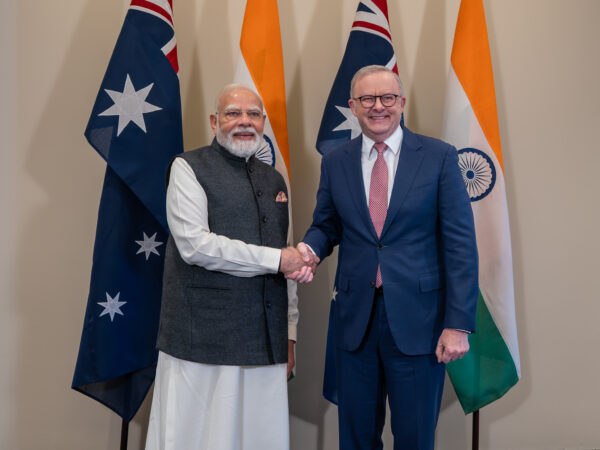
Indian Prime Minister Narendra Modi’s visit to Australia on July 8-10 has cemented the deepening geostrategic relationship between Canberra and New Delhi.
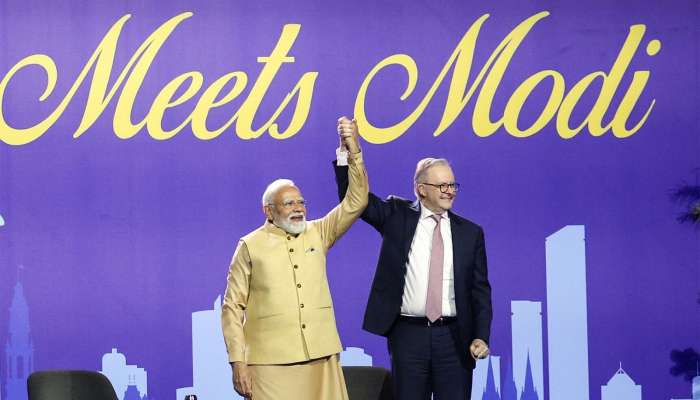
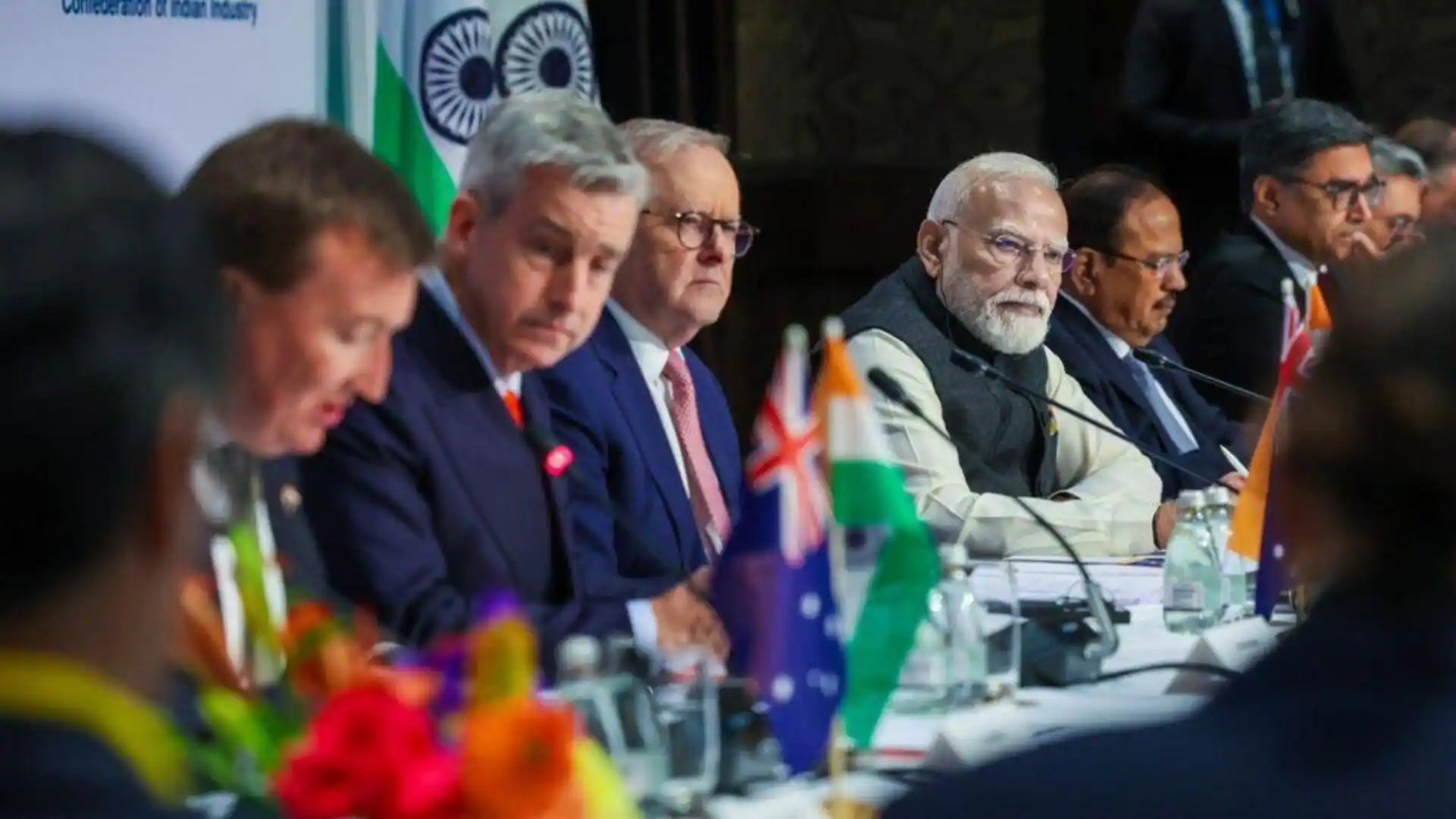
As part of his state visit, Modi was in Melbourne for the third Australia-India Annual Summit, where both sides finalized memoranda of understanding (MoUs) and agreements in the fields of maritime security, civil nuclear energy, skill development, emerging technologies, science and technology, and filmmaking.
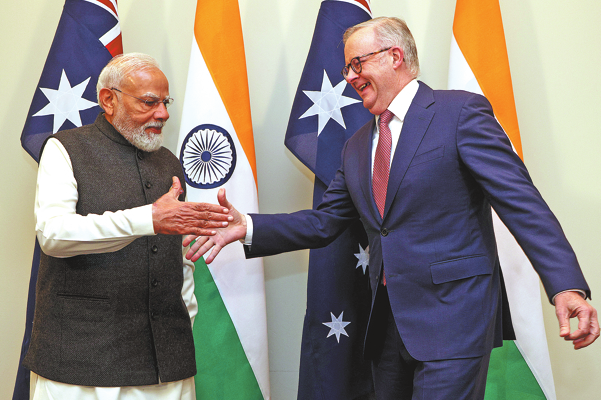
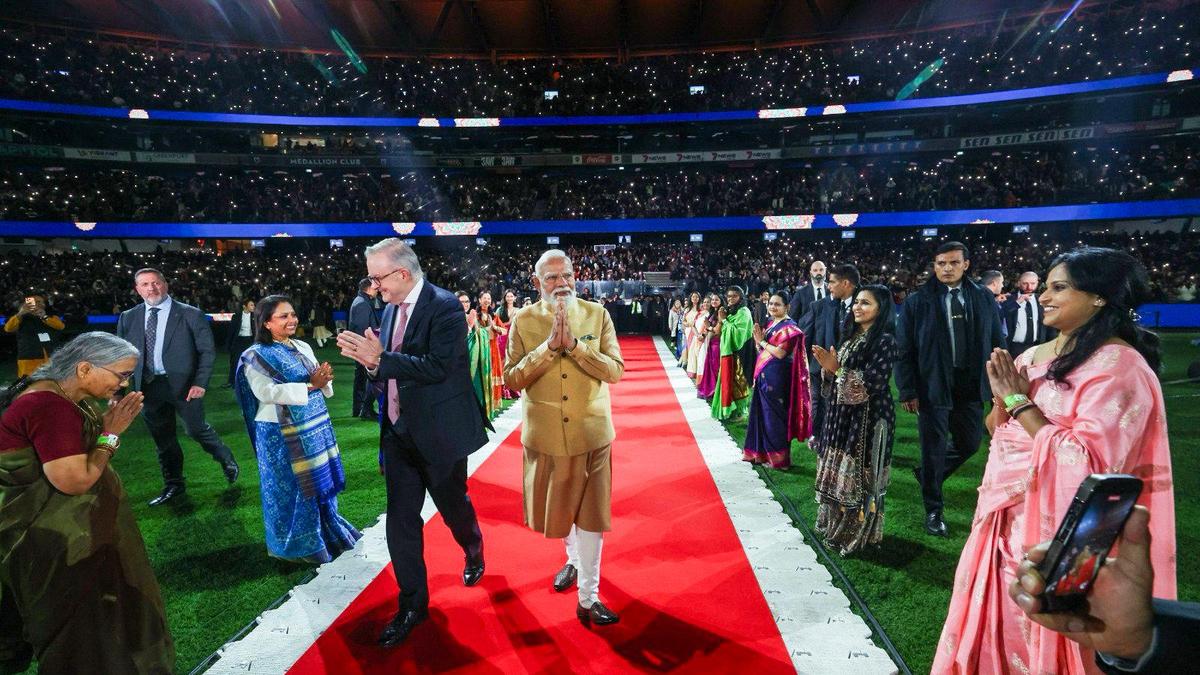
In addition to a one-on-one discussion with his Australian counterpart, Anthony Albanese, Modi also met with Australia’s governor-general and the leader of the opposition. He also addressed the Australia-India CEOs Forum, the Economic Roadmap Business event, and a crowd of roughly 30,000 people, including members of the Indian diaspora, at the Marvel Stadium.
One of the key outcomes of the visit was the signing of the Administrative Arrangement to enable uranium exports to India for peaceful purposes under the 2015 Australia-India Nuclear Cooperation Agreement. Although the agreement has been in place for over a decade now, the export of uranium to India was stalled due to the lack of agreement over reporting-related issues. The signing of this agreement puts in place a framework, which now allows private Australian and Indian companies to conclude the necessary commercial contracts to begin sales. In essence, it facilitates Australian uranium exports to India to help increase its share of non-fossil fuel power capacity and strengthens Australia’s export relationship with India. It is unclear at this point how much uranium Australia would export or when shipments would begin.