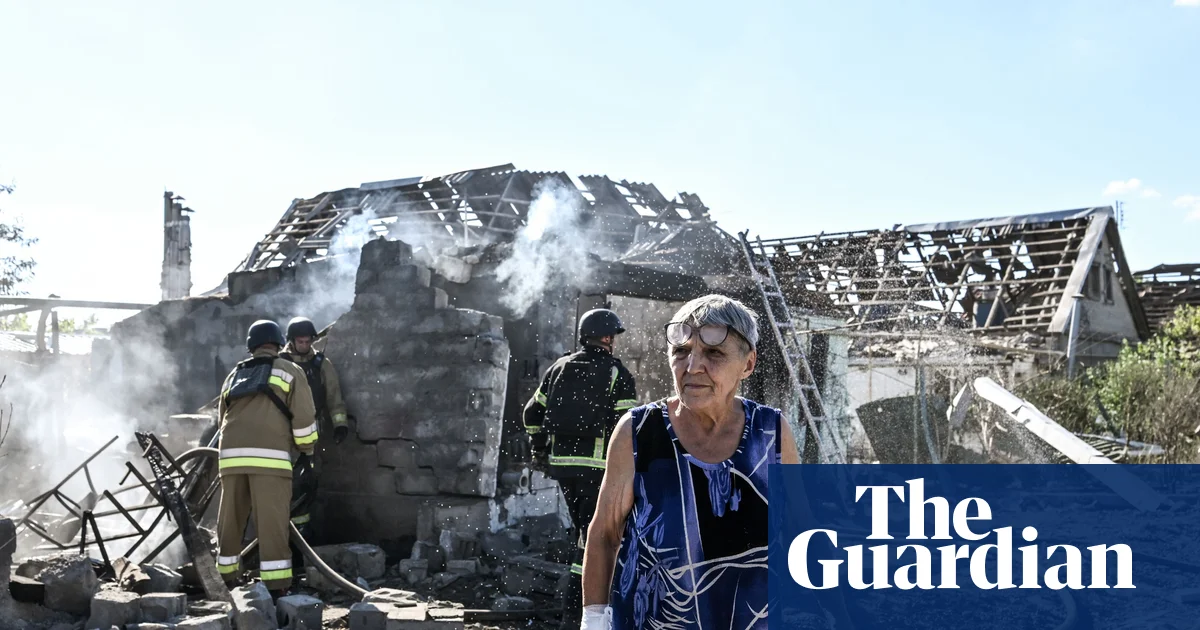
Until the NATO summit, the Russia-Ukraine war had largely settled into a prolonged war of attrition. Days before the meeting, however, Ukraine’s successful long-range strikes deep inside Russian territory altered the strategic narrative. Beyond targeting Russia’s energy infrastructure, the operation sought to dispel the growing perception that Ukraine’s military was exhausted and approaching defeat. More importantly, Kyiv aimed to reassure its Western partners that it remained capable of sustaining the fight. The implicit message was clear: Without Ukraine, the West has no credible force capable of containing Russia. To a certain extent, that message resonated, allowing Kyiv to secure at least limited political space at the summit.
What did Washington promise?
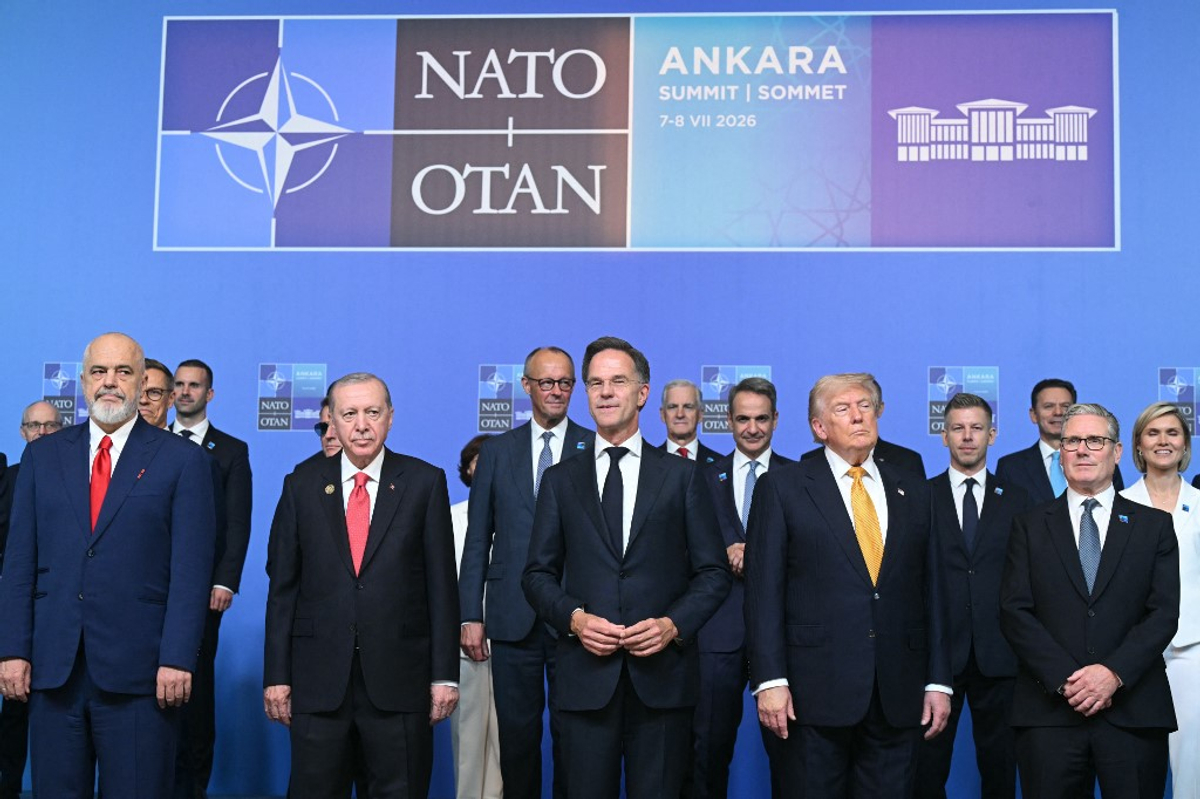
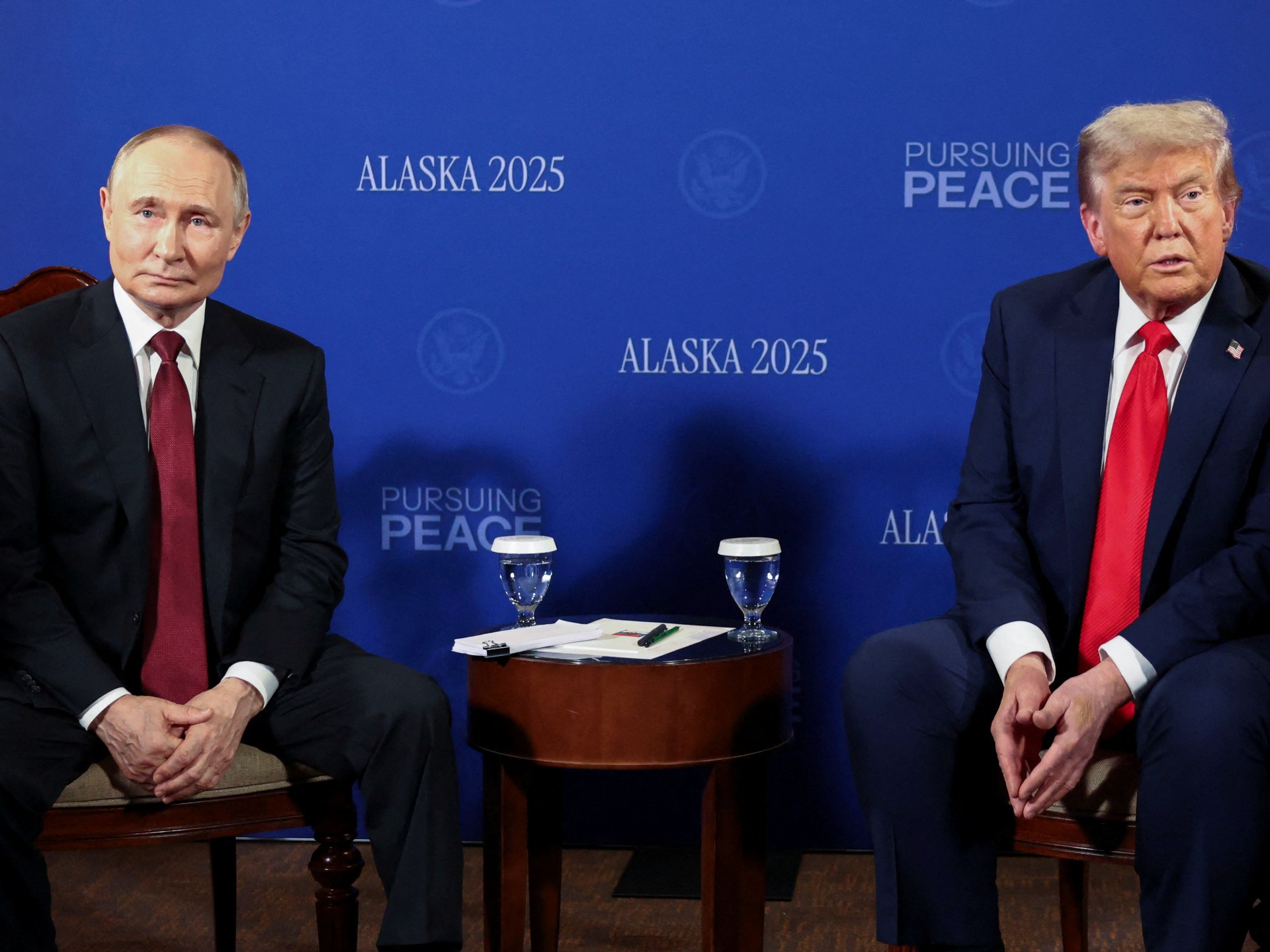
The Ankara Summit Declaration adopted a more institutionalized approach toward Ukraine, emphasizing Kyiv’s contribution to trans-Atlantic security and reaffirming the allies’ enduring support more explicitly than ever before. Yet the summit’s most noteworthy development was U.S. President Donald Trump’s proposal to allow licensed production of Patriot missile systems inside Ukraine.
Rather than offering immediate military assistance or establishing a new financial package, the proposal envisioned Ukraine developing its own production capacity using domestic funding and investment. Russian commentators quickly mocked the initiative, arguing that Washington had responded to Ukraine’s urgent air defense needs by offering little more than a production license while transferring virtually all financial and operational risks to Kyiv. Given the years required to construct production facilities, establish supply chains, and complete testing, the proposal represents a long-term industrial partnership rather than a solution to Ukraine’s immediate battlefield requirements.