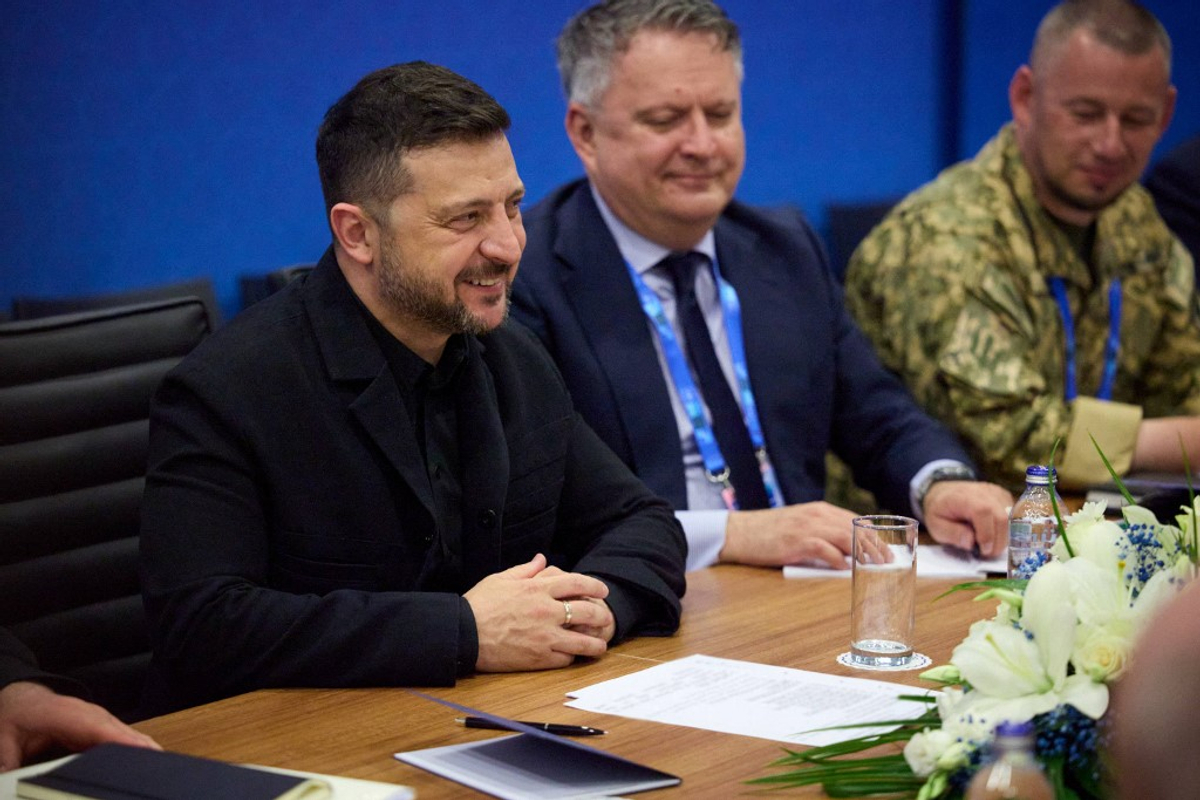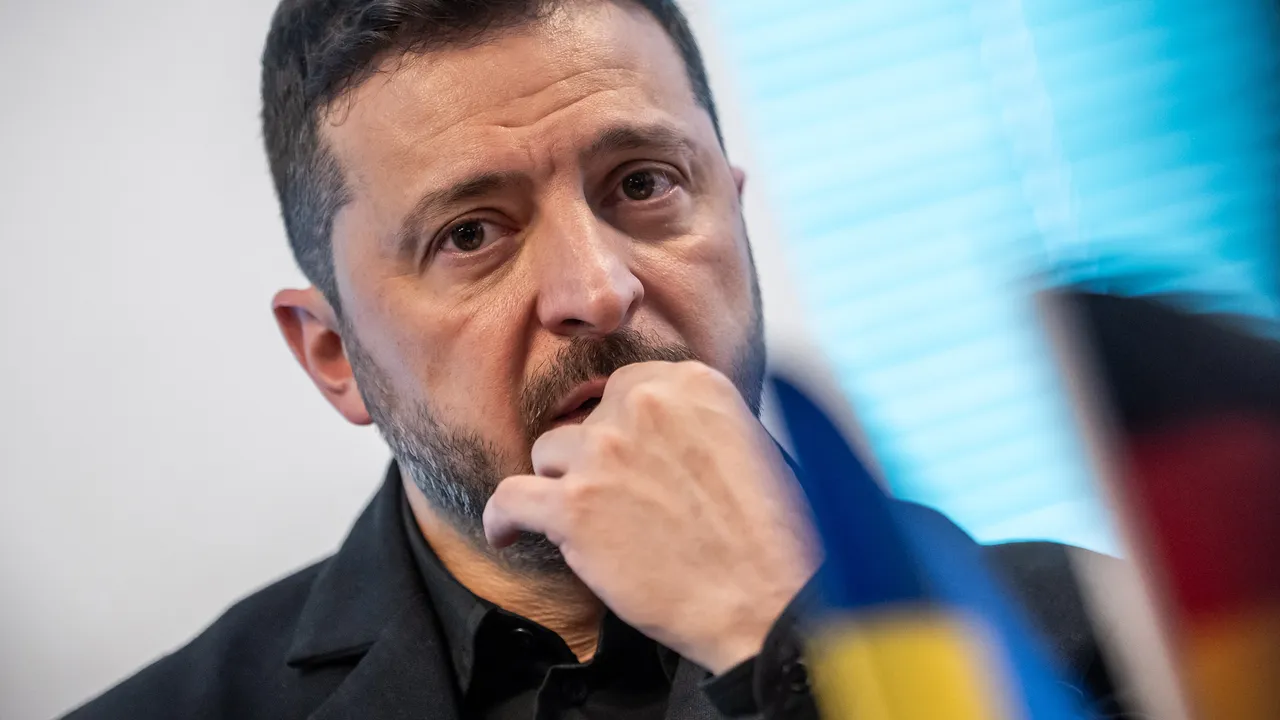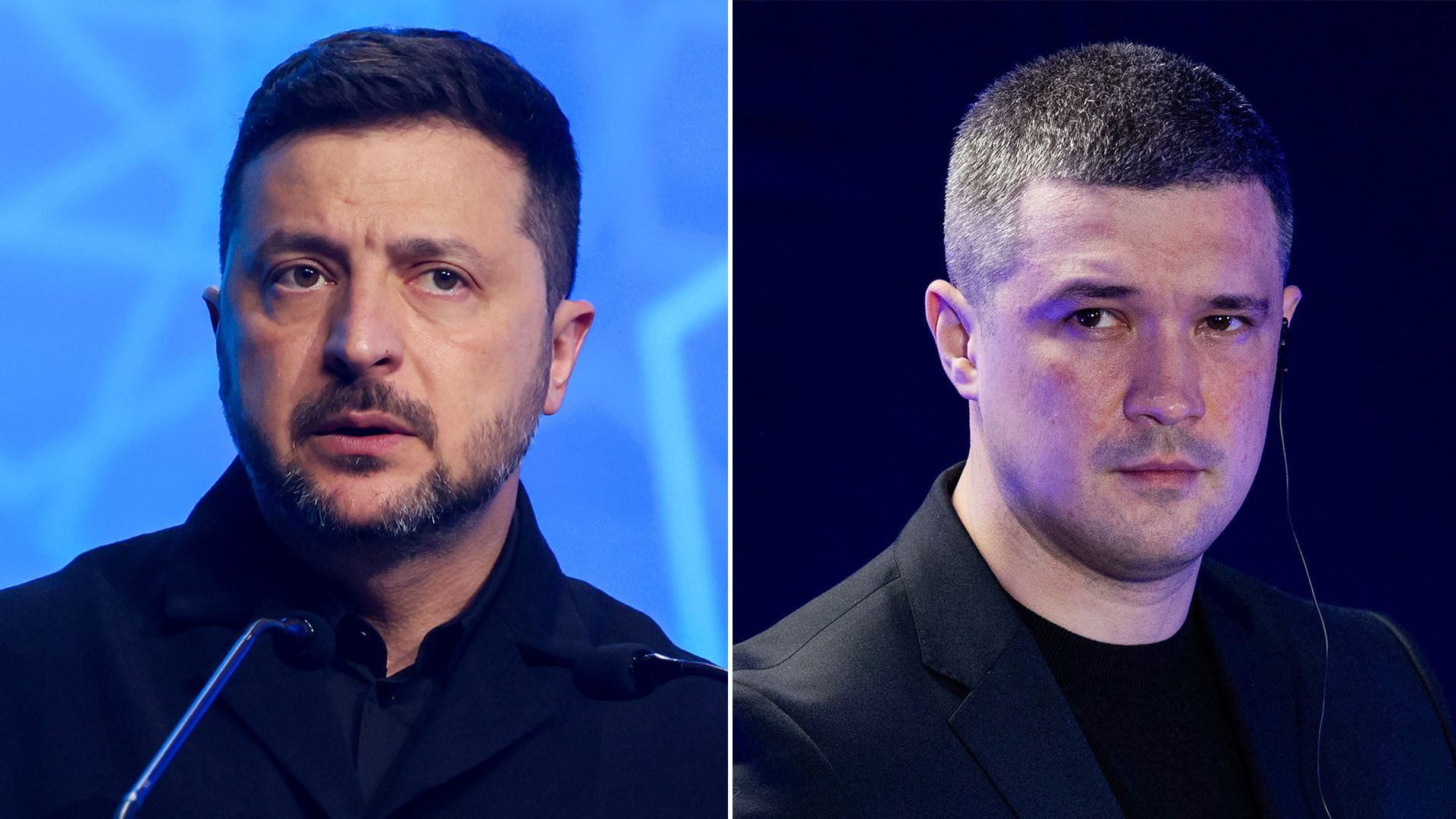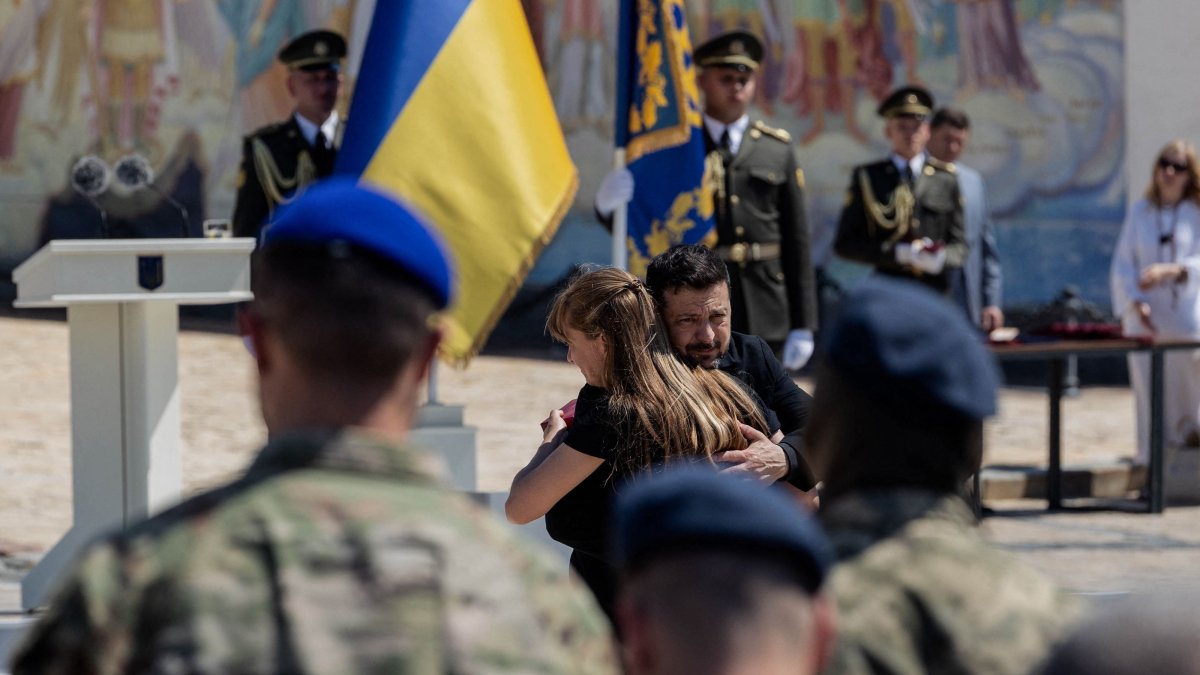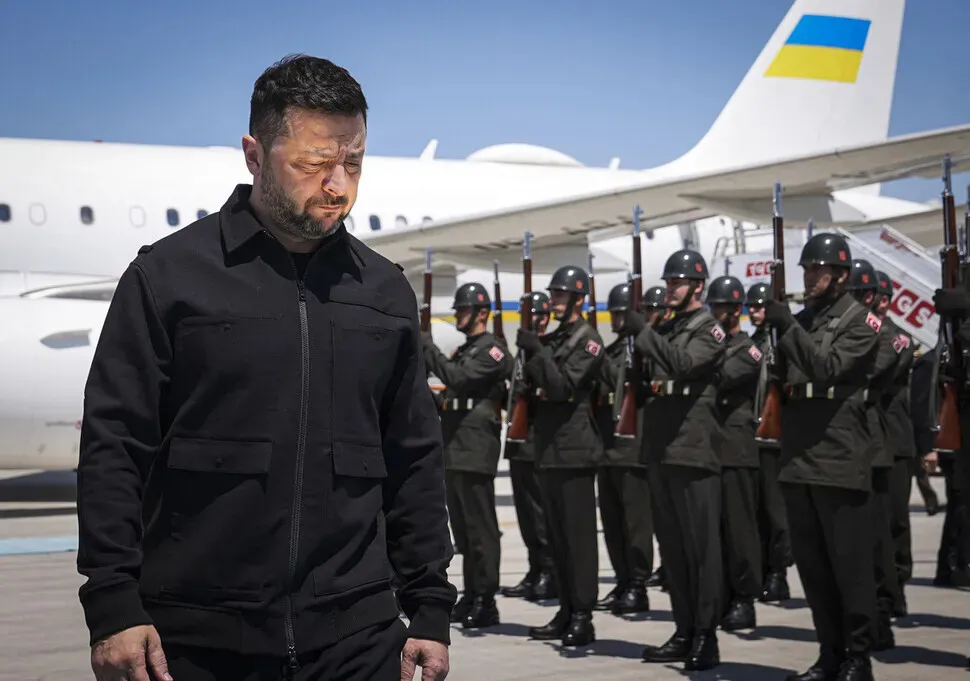
Ukrainian President Volodymyr Zelenskyy arrives in Ankara, Turkey, for the NATO summit on July 7, 2026. (AP/Yonhap)
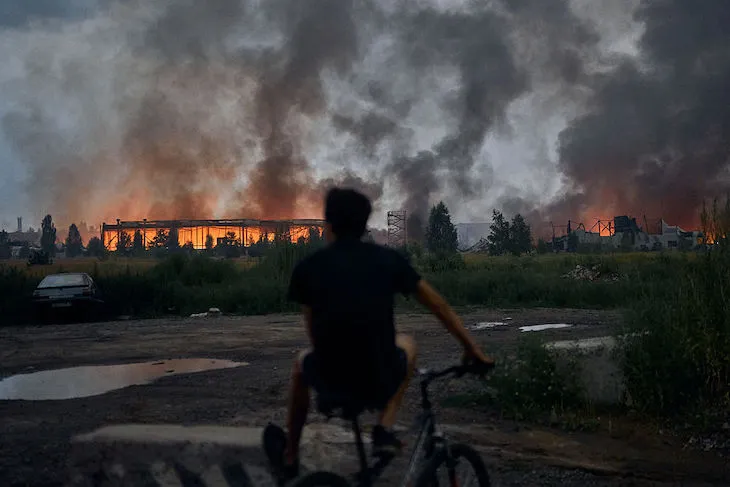
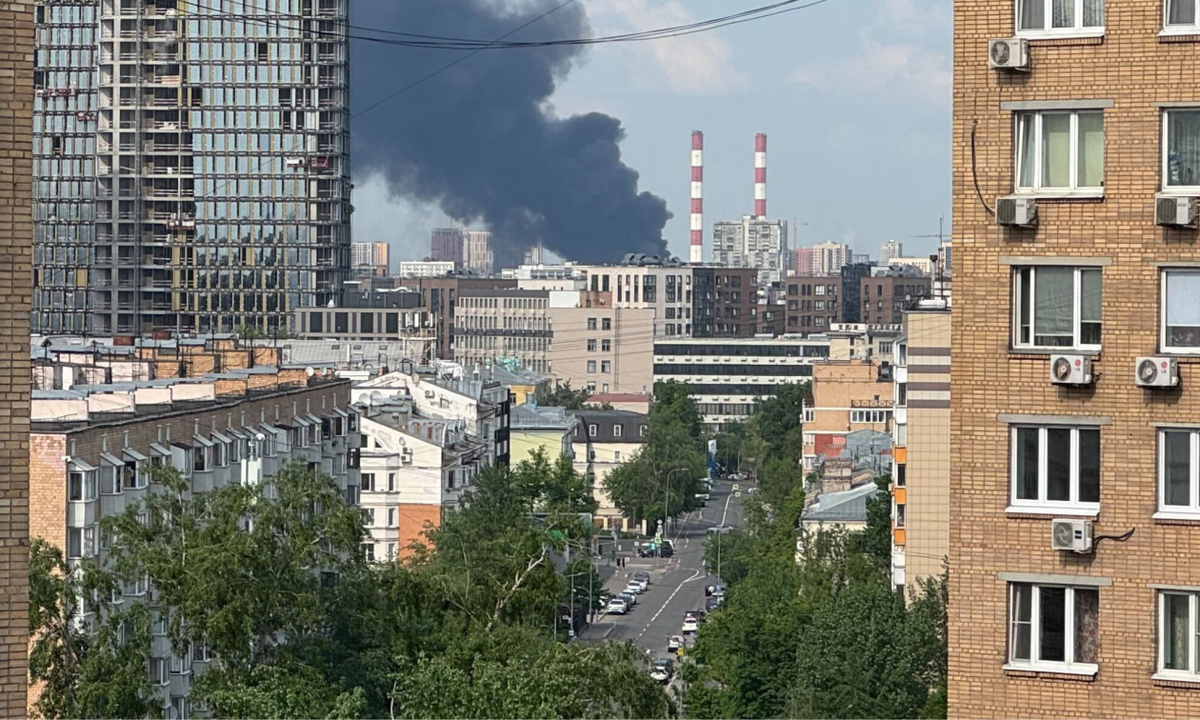
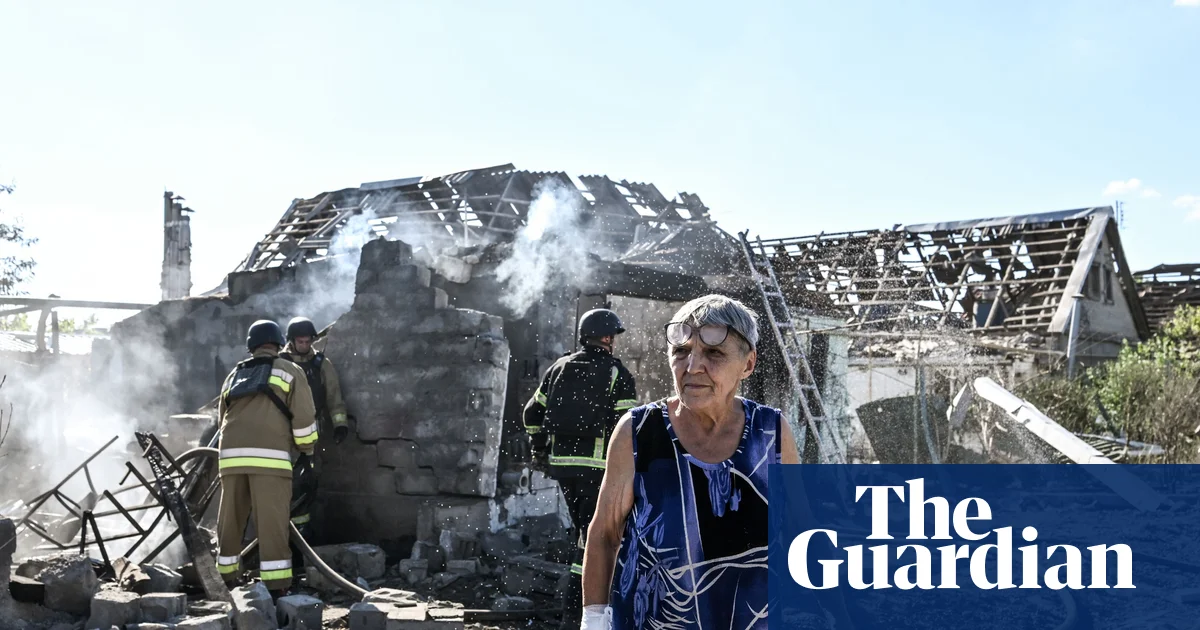
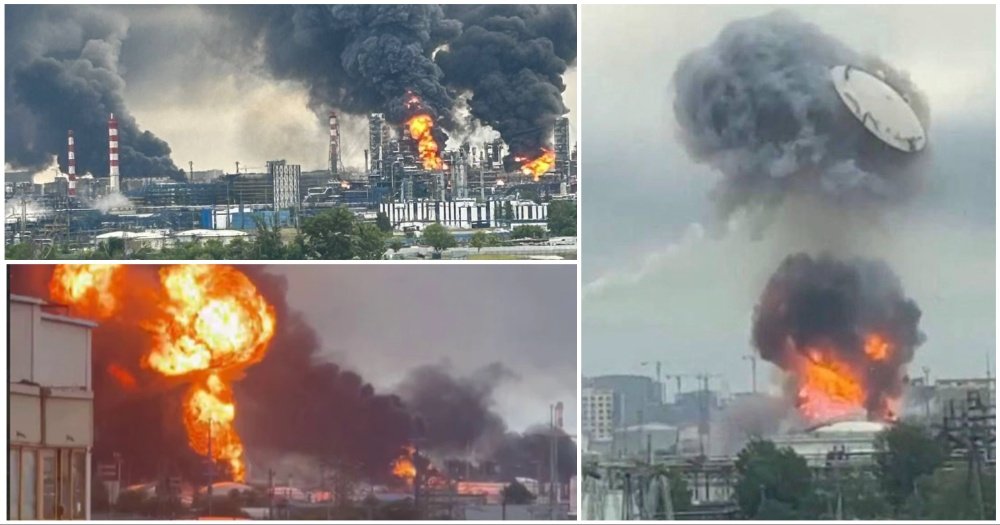
Getting up to speedSince April, Western media have increasingly reported that Ukraine is turning the tide of the war, citing Kyiv’s drone attacks deep in Russian territory to further damage oil and other facilities, along with the fact that Russia’s advance has stalled and its casualties are rising. US President Donald Trump, who had pressured Ukraine to make concessions to end the conflict, also praised Kyiv’s offensive and announced more aid. But intensified Russian airstrikes have pushed the Ukrainian air defense system to its limits, and a contrasting trend has appeared in the main front of the Donbas region, where Russia has captured strategic strongholds.What’s actually happening? We break down common questions and get into the answers behind the headlines.Q. Many observers say Ukraine is turning the tide of the war in its favor. Is that true?A. That was the conclusion drawn by The Wall Street Journal on Friday in its story “The War in Ukraine Is Shifting Against Putin, but He Isn’t Giving In.” Since February, Russia has failed to push back Ukraine, which has recaptured more territory than it lost. Kyiv’s improvements in its independent missile and drone development programs have enabled precision strikes on Russian military and industrial facilities located over 1,000 km from the border.At least 40% of Russian oil exports have been disrupted, and public sentiment in Russia has worsened due to fuel shortages, while also warning that Russian President Vladimir Putin could escalate the conflict against European states to turn the tide of a war that is going against him.The point of Ukraine turning the tide of the conflict has been repeatedly made by other sources including the Atlantic Council’s April 1 piece “Ukraine’s military success is exposing the myth of inevitable Russian victory”; the Financial Times’s May 27 article “Ukraine is turning the tables”; the Council on Foreign Relations’ June 5 analysis “A Turning Point in Ukraine”; and Foreign Policy’s June 25 opinion piece “As the Tide Turns Against Putin, Beware the Drowning Man.”Q. What is the reported extent of the damage in Russia?A. Throughout last year, Russia held the upper hand on the battlefield but occupied less than 1% of Ukrainian territory despite suffering heavy casualties. The Black Bird Group, an independent security analysis organization in Finland, said Russia lost territory in February and occupied only 94 square kilometers in April.Reuters reported that Russia’s daily crude oil refining capabilities had fallen by more than 700,000 barrels due to Ukrainian air strikes. Moscow’s largest refinery is fully out of commission until next year after a strike around the middle of last month, and even the Antipinsky refinery in Siberia — 1,600 kilometers from the front lines — has been attacked.Reports state that fuel rationing has been instituted in more than half of Russia’s autonomous oblasts, even though the country is a petroleum exporter. Reuters referred to this as the most severe crude oil supply halt that Russia has faced in modern history.According to Russia and Western countries, Russia has been sending in an average of around 30,000 troops monthly as reinforcements, while its monthly casualties over the past five months have averaged around 35,000. Estimates put the number of Russians killed in battle to date at around 500,000, with an 8-to-1 ratio of casualties between Russia and Ukraine. Q. Should the current situation be seen as a turning point?A. It’s true that Russian losses have increased with Ukraine’s drone offensive since the first quarter of 2026. But the conflict has always been a war of attrition.Both sides have engaged in propaganda campaigns to inflate the adversary’s losses while downplaying their own. That situation has not changed in any essential way.Russia Matters, a specialist website run by Harvard Kennedy School, published a piece entitled “Has the Russian-Ukraine War Reached a Turning Point Favoring Ukraine?” In it, the author argued that reports of Russian losses were partially true, but that the overall picture suggests it is too early to call the current situation a turning point.Q. What does a concrete comparison of the two sides’ achievements and losses show?A. For analysis, Russia Matters used data on current conditions provided by Ukraine’s DeepState and the US-based Institute for the Study of War.The DeepState figures were used to compare the 51-day period from May to June 20 of this year, the immediately preceding 51-day period from March 11 to April 30, the 171-day period from January 1 to June 20, and the 171-day period from July 14 to Dec. 31 of last year. It found that while the rate of Russia’s expansion of occupied areas had tailed off in both comparison periods, the net increase had continued.The last time Russia recorded a net monthly loss was in autumn 2023. Since then, there has been a net increase each month. The area occupied by Russia grew from 116,564 square kilometers on March 11 to 116,837 on April 30, for an increase of 273 square kilometers. Between May 1 and June 20, it rose from 116,840 square kilometers to 116,905. This increase of 65 square kilometers meant the rate of increase had fallen by 208 square kilometers.By year, the amount of territory gained increased by 2,164 square kilometers between July 14 and Dec. 31 in 2025, compared with square kilometers between Jan. 1 and June 20 in 2026 — indicating a decline of 1,430 square kilometers in the rate of increase.Institute for the Study of War figures showed Russia had achieved a net increase in occupied territory between January and February but a net loss between March and May. The Economist published an analysis on June 29 in which it estimated that Russia had occupied an area of 31 square kilometers over the preceding 30 days.An examination of these three sources suggests it is too early to reach any conclusions on whether the ground war has reached a clear turning point. Q. Does that mean that Russia’s offensive has slowed down without any major changes in the ground warfare situation?A. If anything, Russian forces have either taken or appear just about to take the strategic point of Kostiantynivka in the Donbas on the war’s main eastern front. The city is a key link in Ukraine’s so-called “fortress belt” stretching between Druzhkivka, Kramatorsk, Sloviansk, and Lyman.These perform the role of protecting remaining regions of Donetsk. If they fall, Russia could achieve its main objective in the war — the complete occupation of the Donbas — and advance into sparsely populated, low-lying regions in western Ukraine.The Financial Times speculated that Russian President Vladimir Putin is very likely to talk Trump into pressuring Ukrainian President Volodymyr Zelenskyy into giving up the region, using the logic that it would be pointless for Ukraine to try to defend that territory.