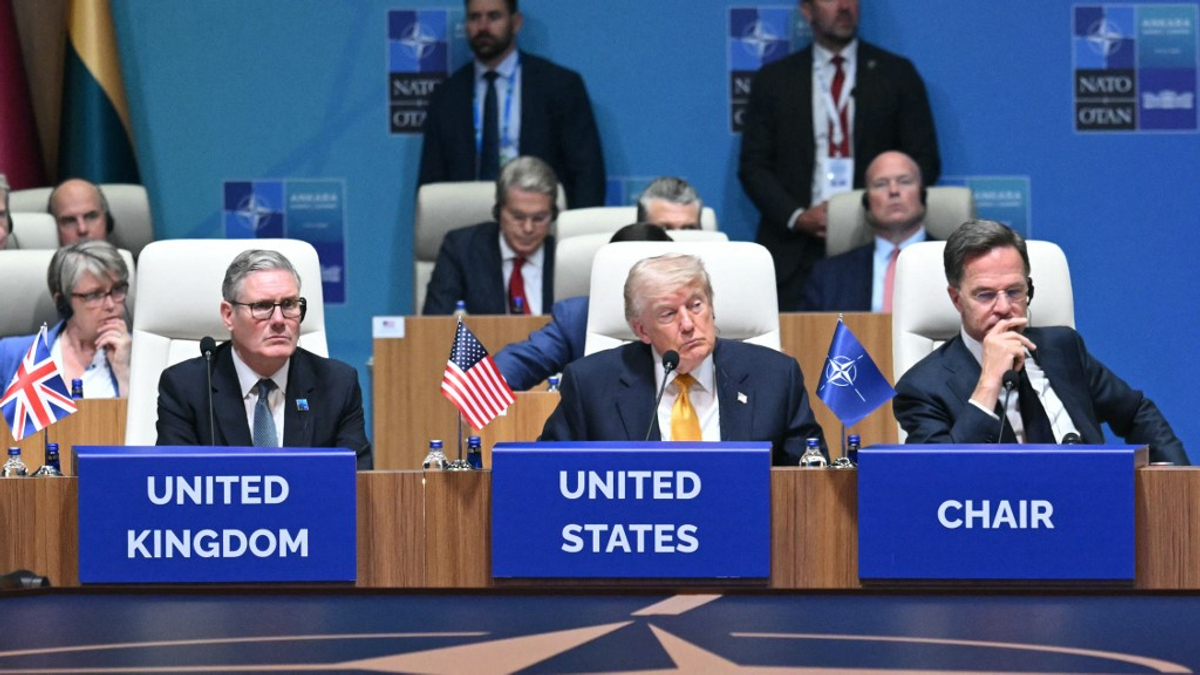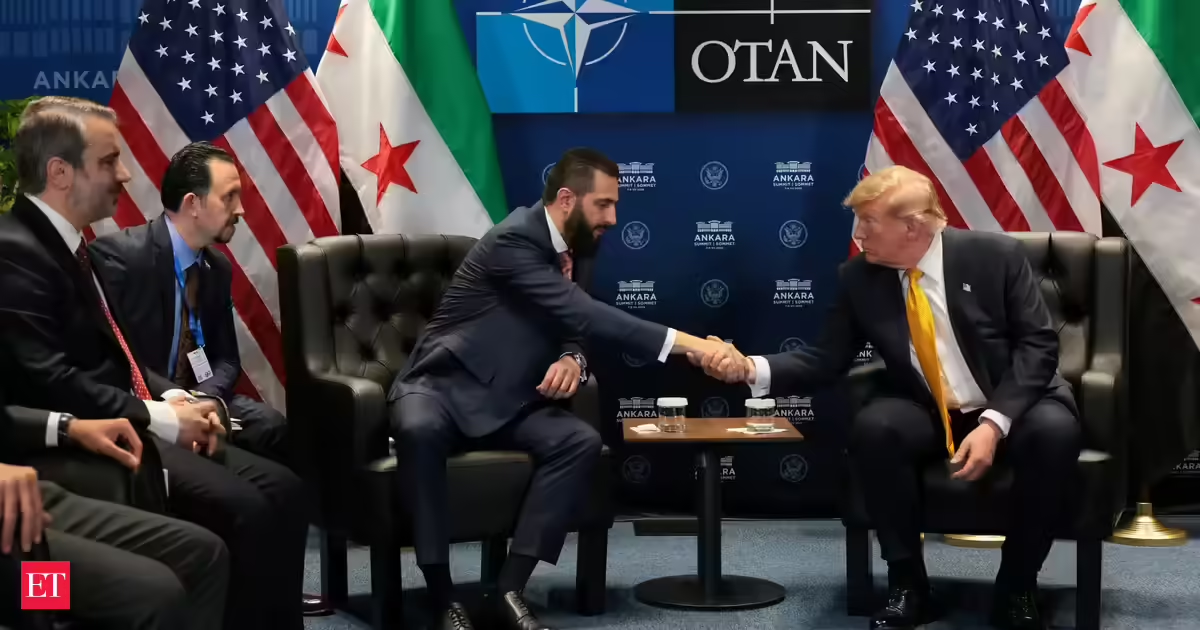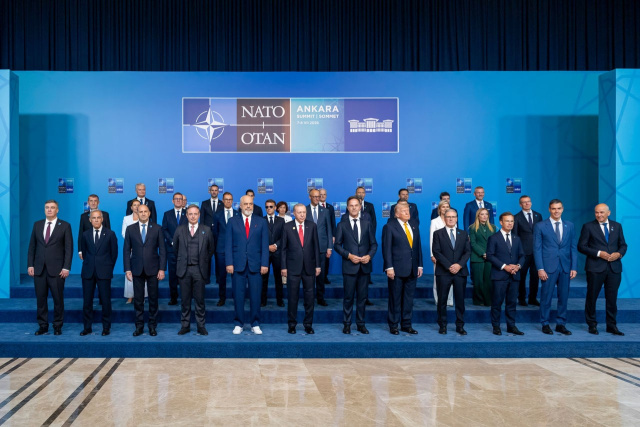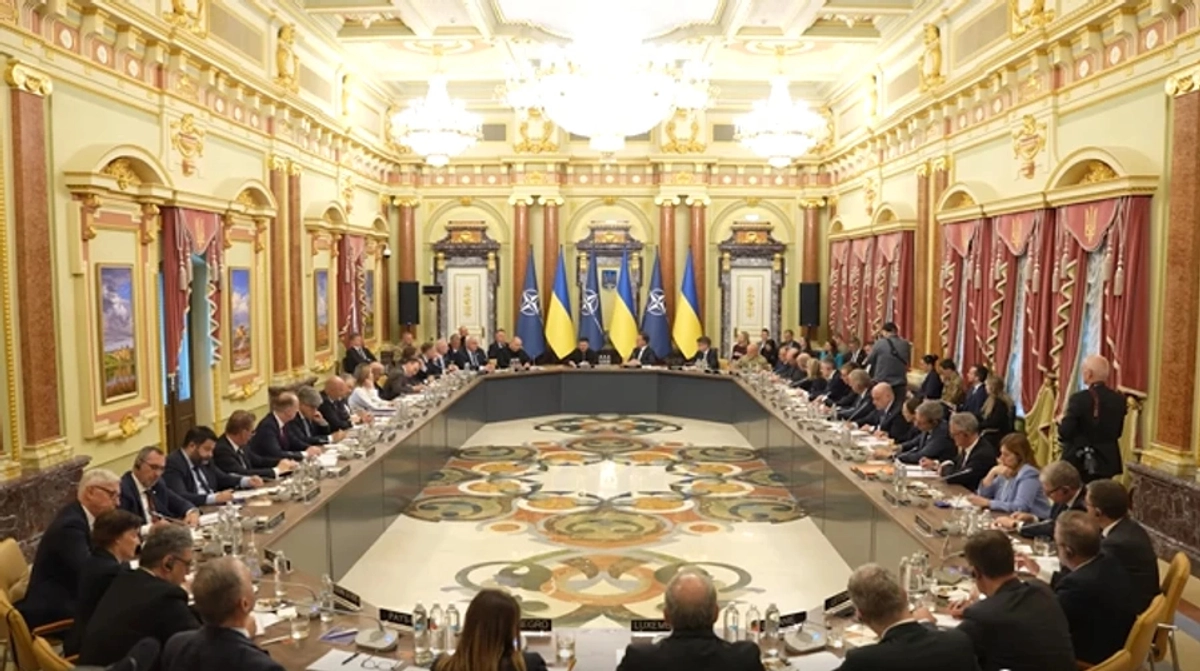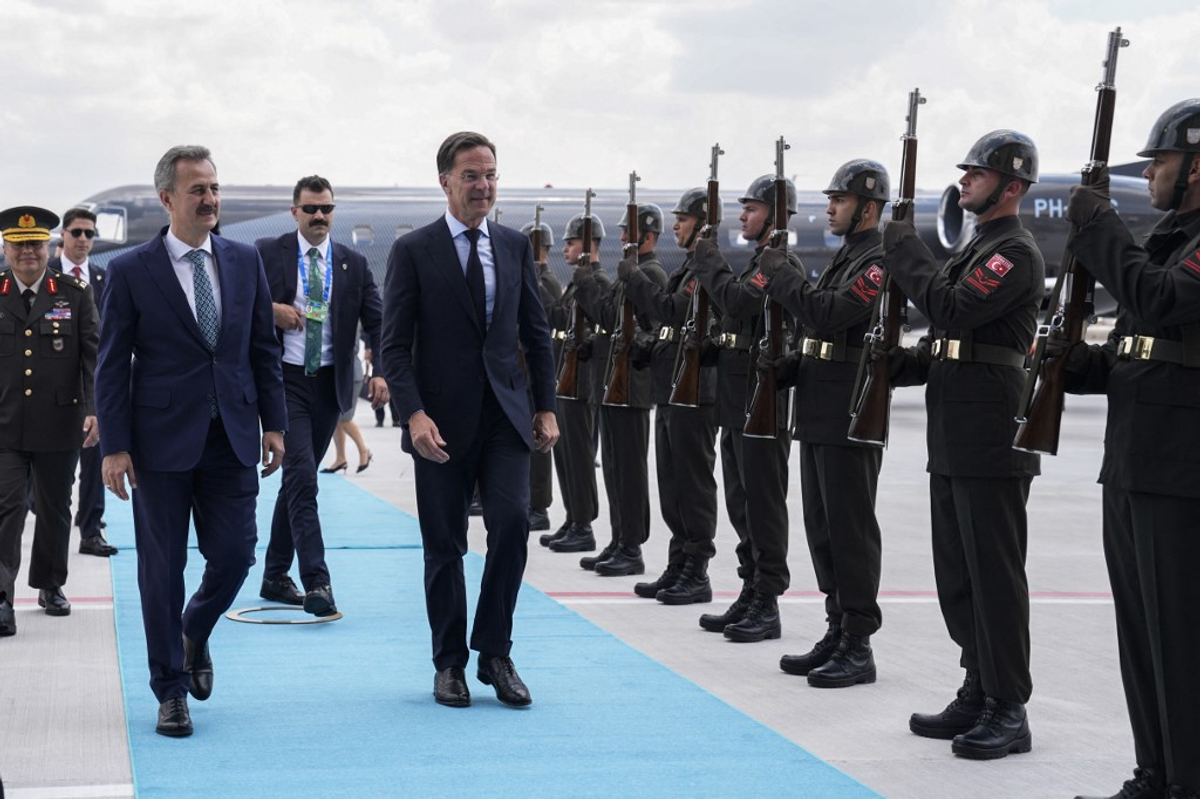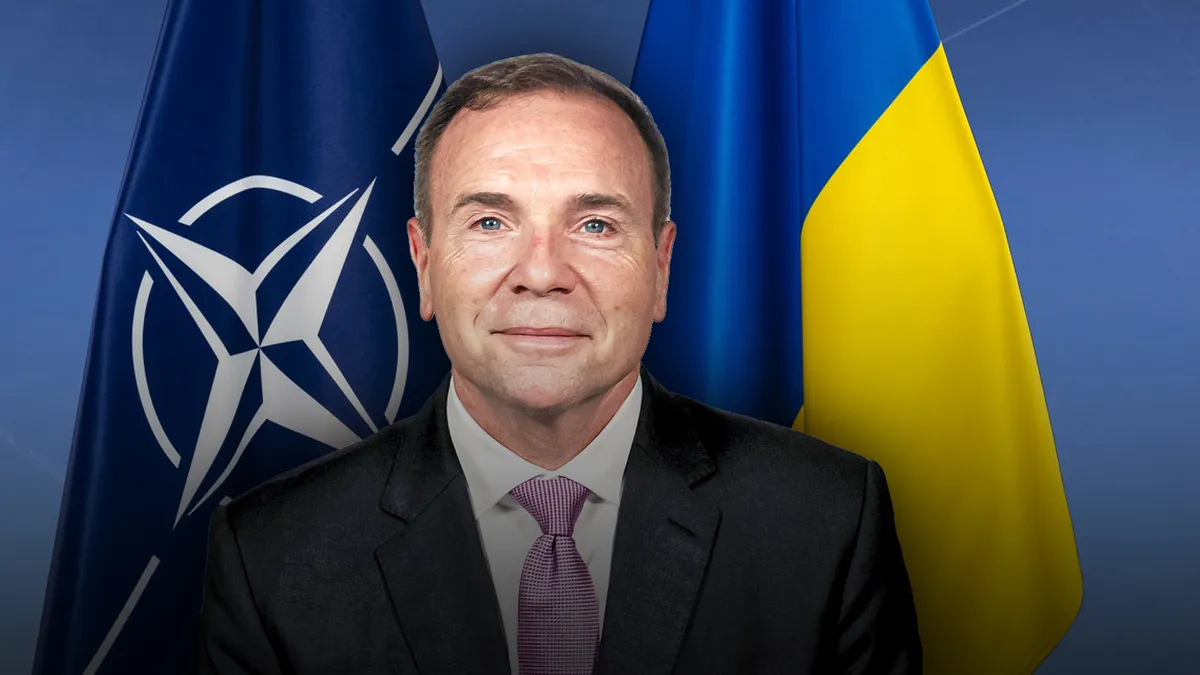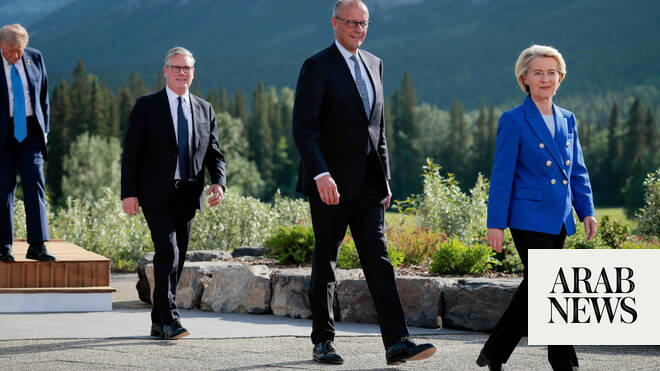
For more than four years, the Russia-Ukraine war has dominated discussions among NATO allies and played an immeasurable role in shaping the alliance’s approach to collective defense. Ukraine is once again poised to be a central topic at this year’s NATO summit in Ankara, Turkey, which begins on July 7. Kyiv is hopeful that a shifting dynamic in the fight, which has made it more difficult for Russian President Vladimir Putin to hide the war’s costs from the Russian public, will push the conversation in a fresh direction.
“This is a very serious and powerful moment,” Olga Stefanishyna, Ukraine’s ambassador to the United States, told Foreign Policy in an interview in the lead-up to the summit. While NATO summits in recent years often focused on Ukraine’s aspirations of joining NATO, Stefanishyna said that this time “it’s not about the political consensus or the membership, it’s just simply the obvious fact that the NATO collective defense is no longer possible without Ukraine.”
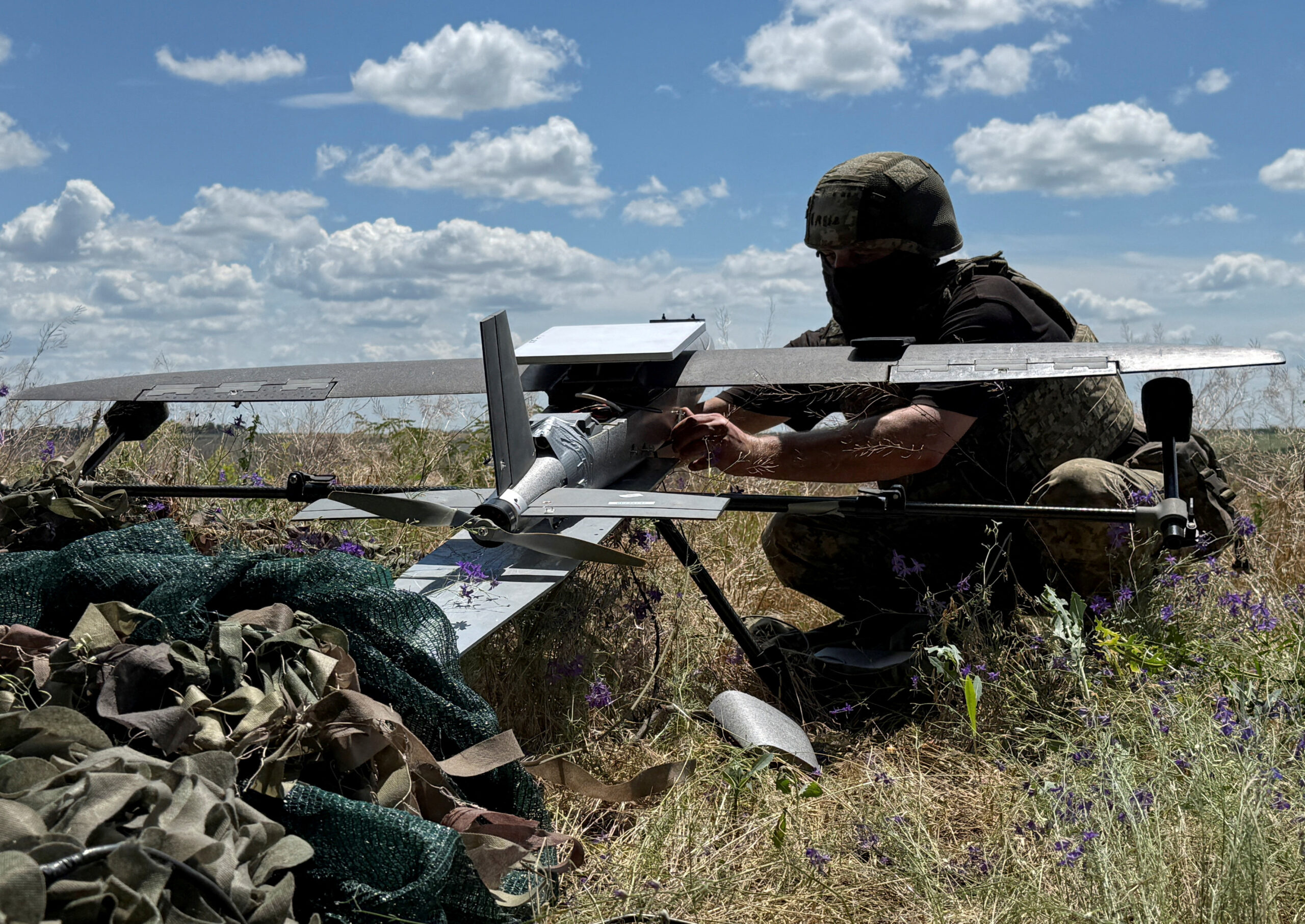
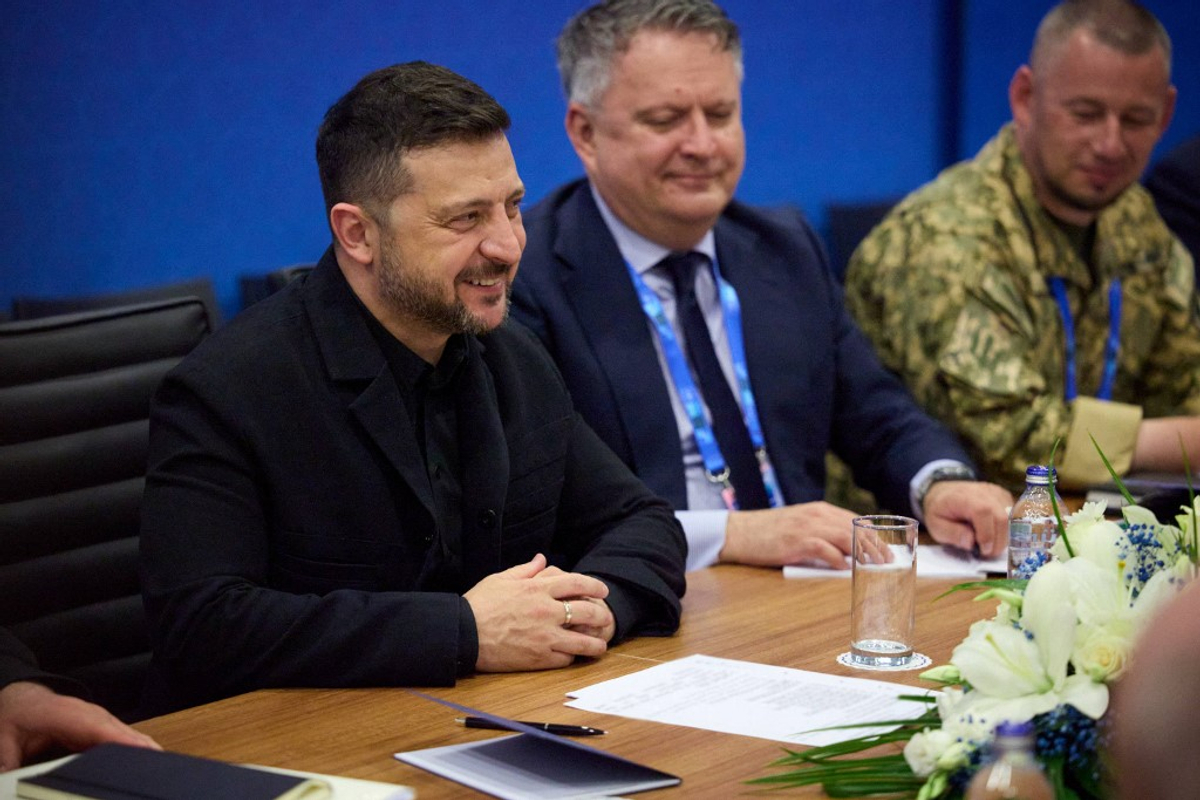
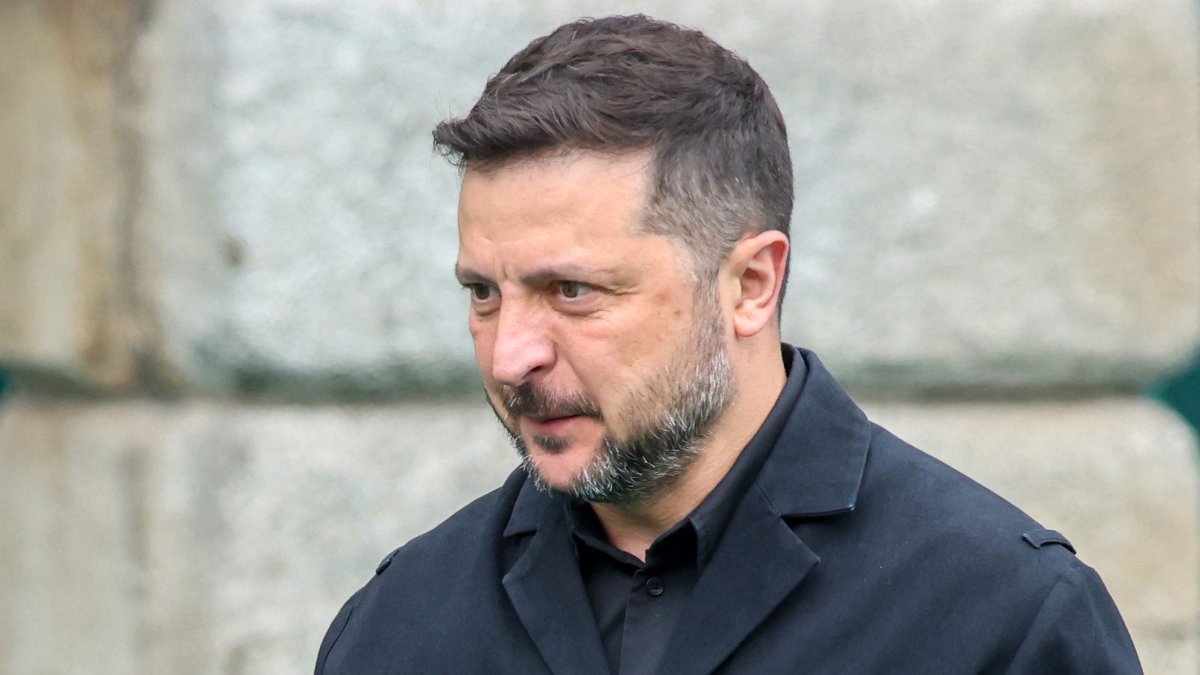
The gathering comes as the war has entered a new chapter, in which Ukraine is increasingly conducting drone strikes deep into Russian territory, targeting energy infrastructure to deprive Moscow of revenue that drives its war machine. Ukrainian President Volodymyr Zelensky, who will be in Ankara for the event, has described this approach as Kyiv’s “long-range sanctions” on Russia. “The fact that so many people across all the territory of the Russian Federation have experienced being under attack means that the circle of people in Russia who will be decision-makers in terms of ending the war is widening beyond President Putin,” Stefanishyna said.