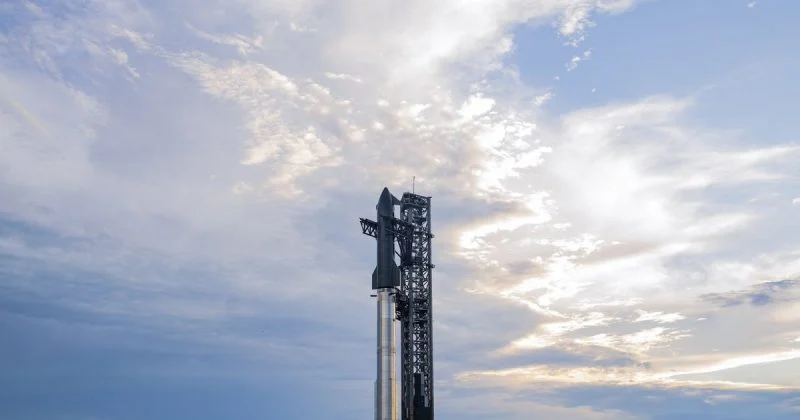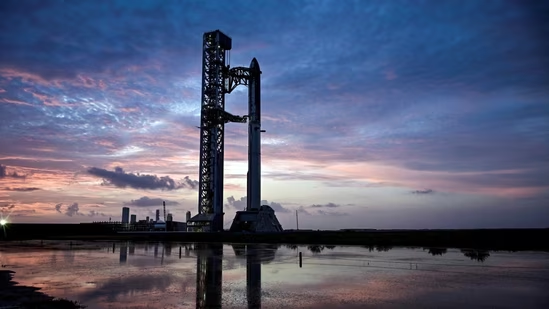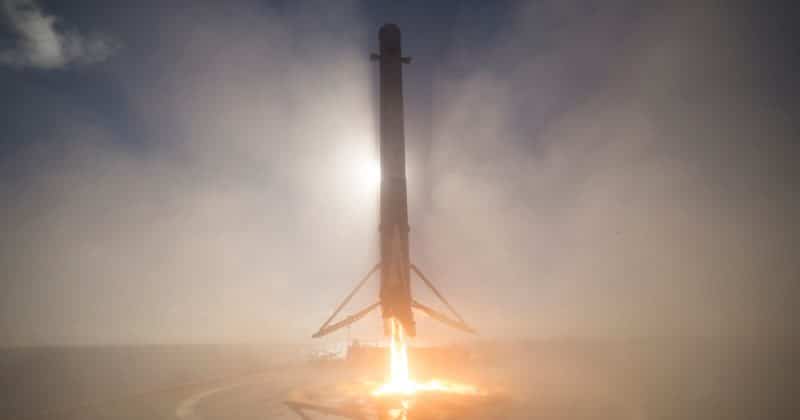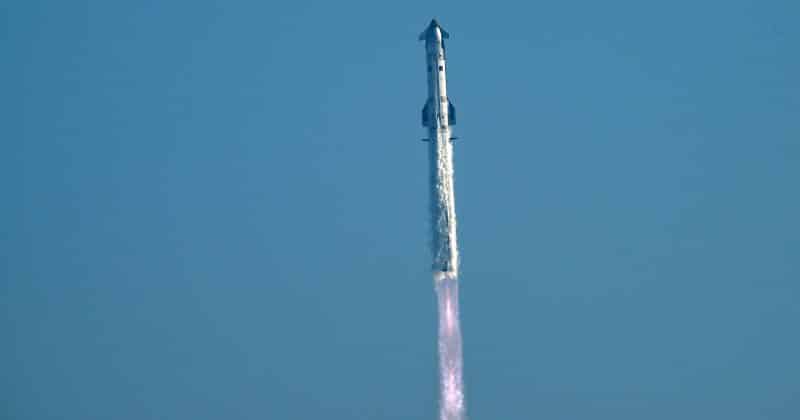
SpaceX is preparing to light up the skies over South Texas on July 16, sending its Starship rocket on its 13th test flight from Starbase. It’s the first launch since the company went public in what became the largest IPO in history, which means every investor with a freshly minted SPCX position is about to learn what it feels like to watch their portfolio ride a controlled explosion into orbit.
The stakes are unusually high. SPCX briefly dipped below its $135 IPO price in mid-July, suggesting that Wall Street’s honeymoon phase lasted about as long as a booster’s first-stage burn. For a company valued at roughly $1.8 trillion, a single test flight shouldn’t move the needle. But Starship isn’t just a rocket. It’s the entire investment thesis.
The IPO that broke records
SpaceX priced its shares at $135 on June 12, 2026, raising an estimated $75 billion to $86 billion in the process. The offering valued the company at approximately $1.77 trillion to $1.8 trillion at launch, with the valuation briefly exceeding $2 trillion shortly after its debut.
Starship’s track record and the V3 gamble