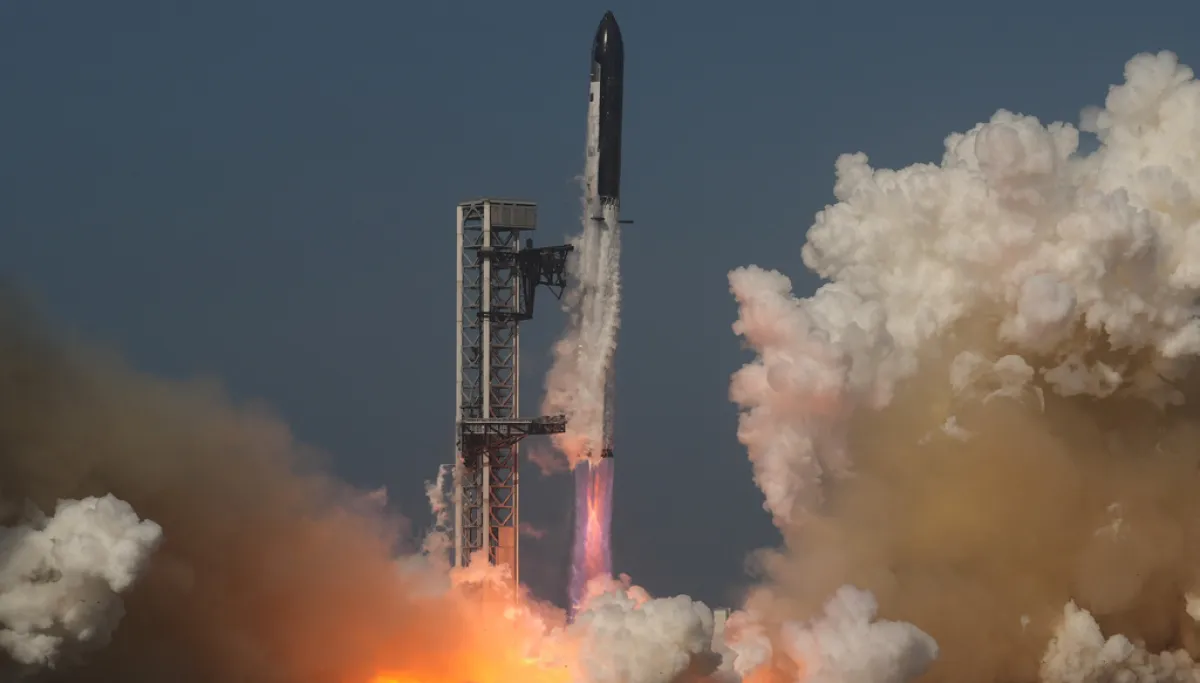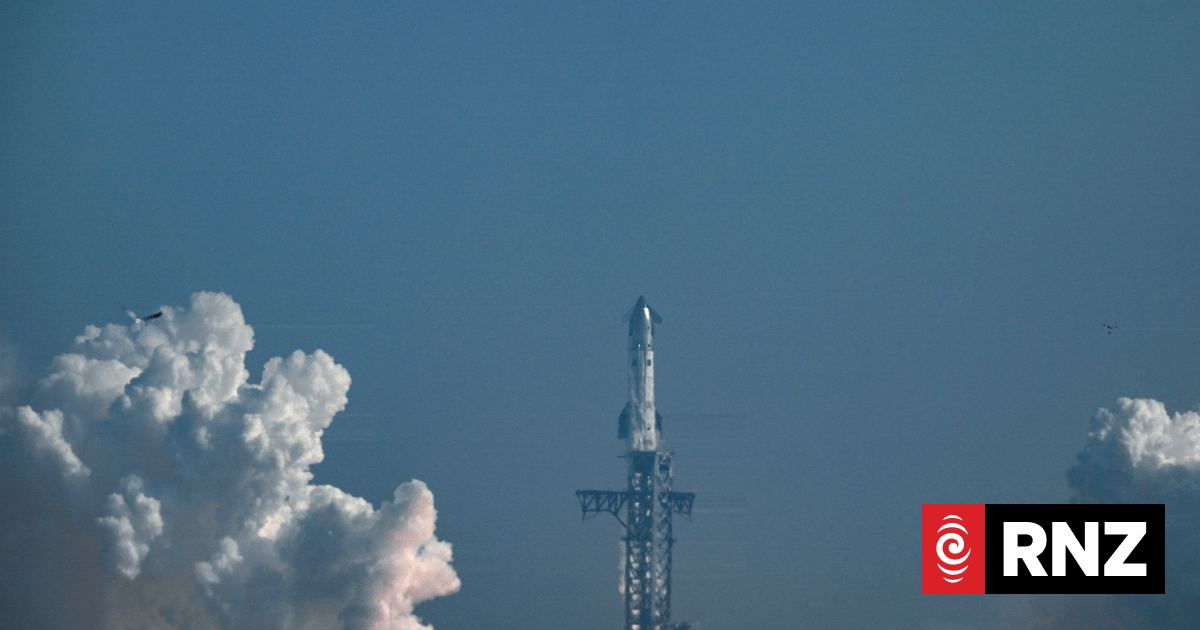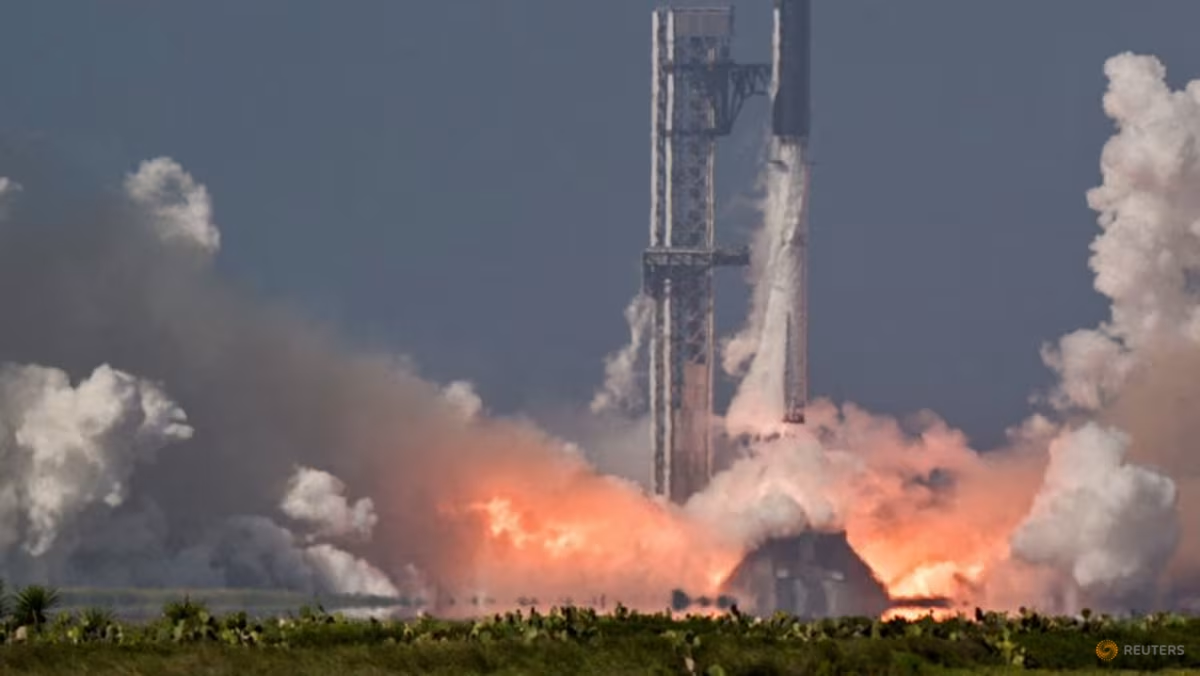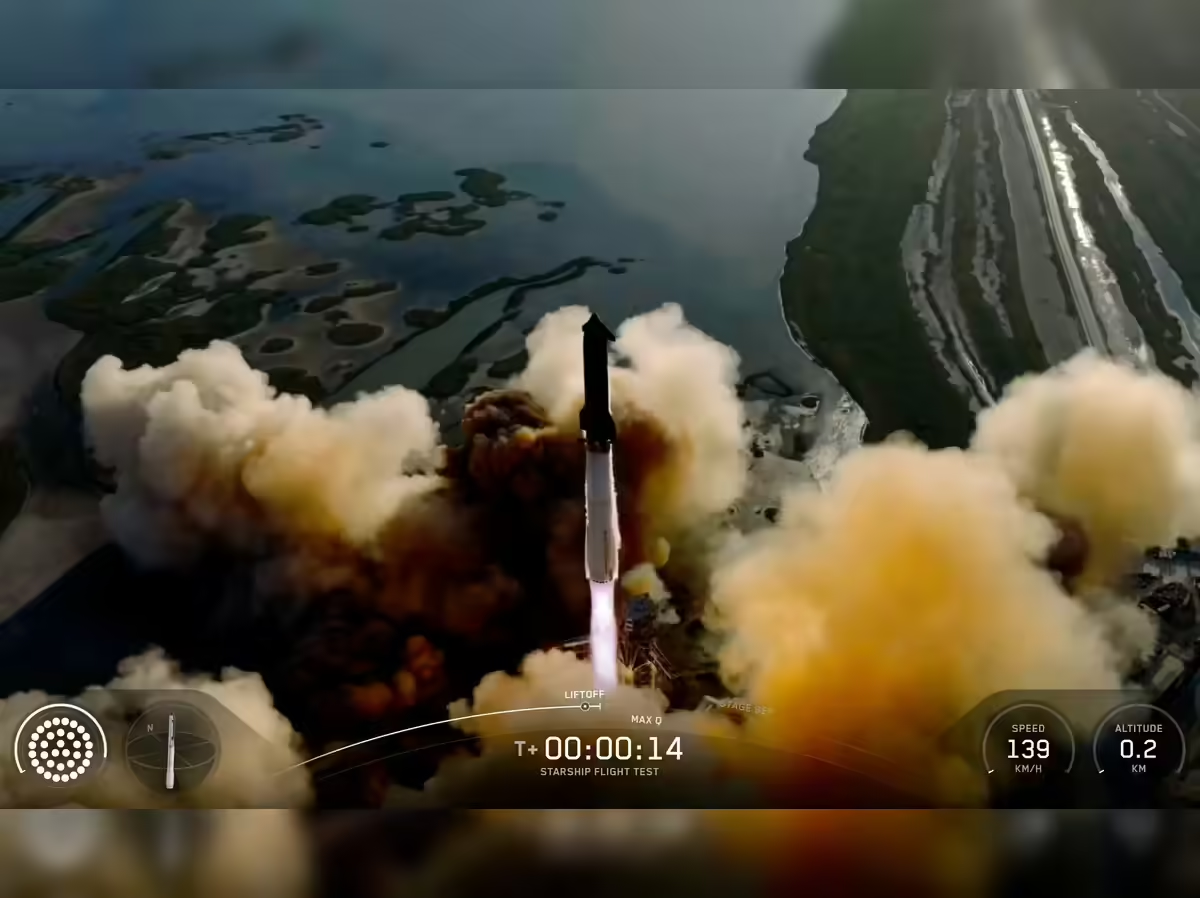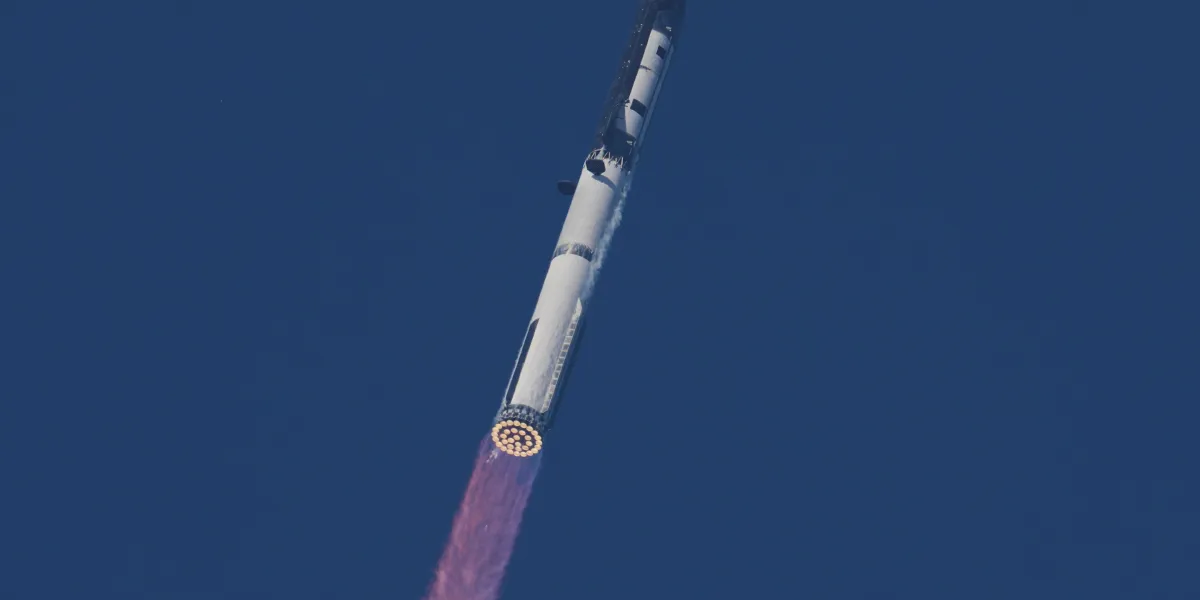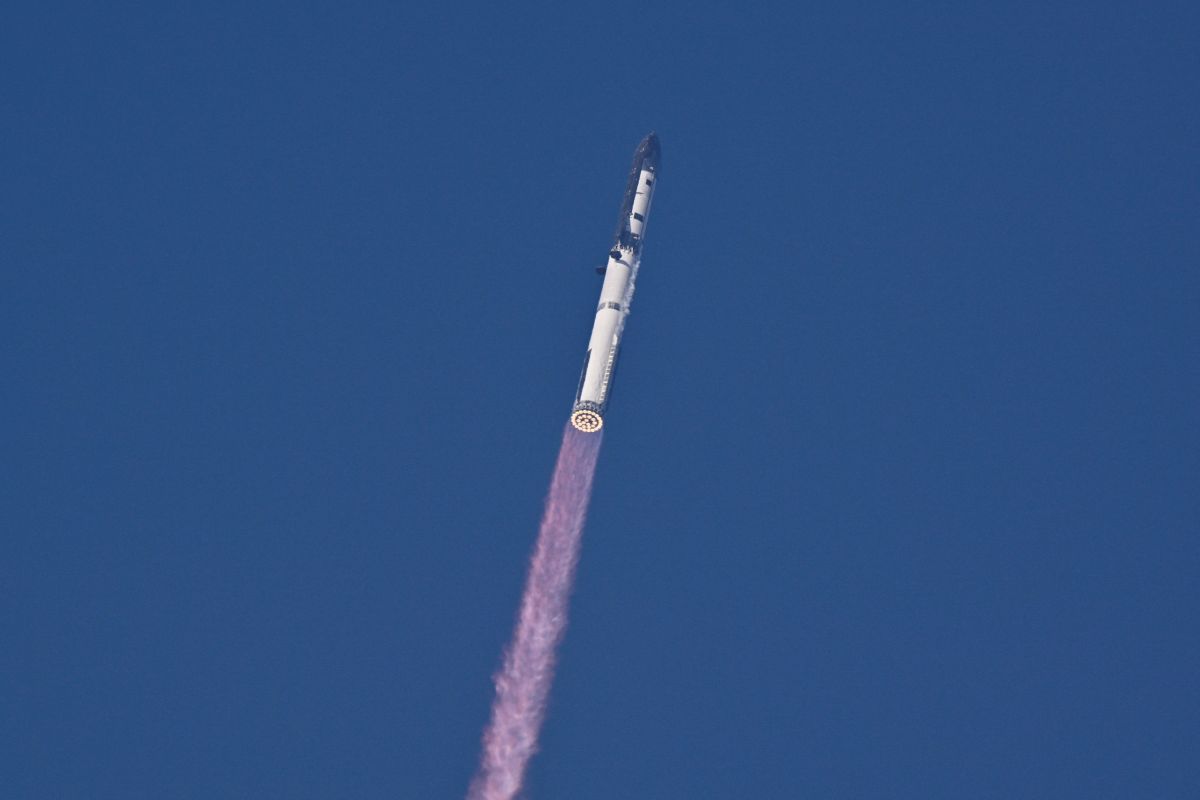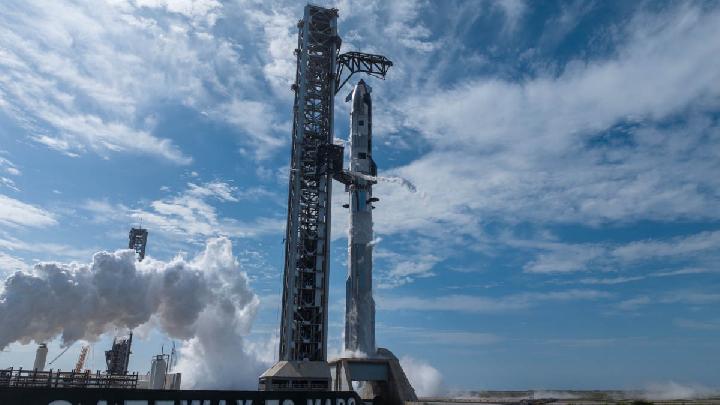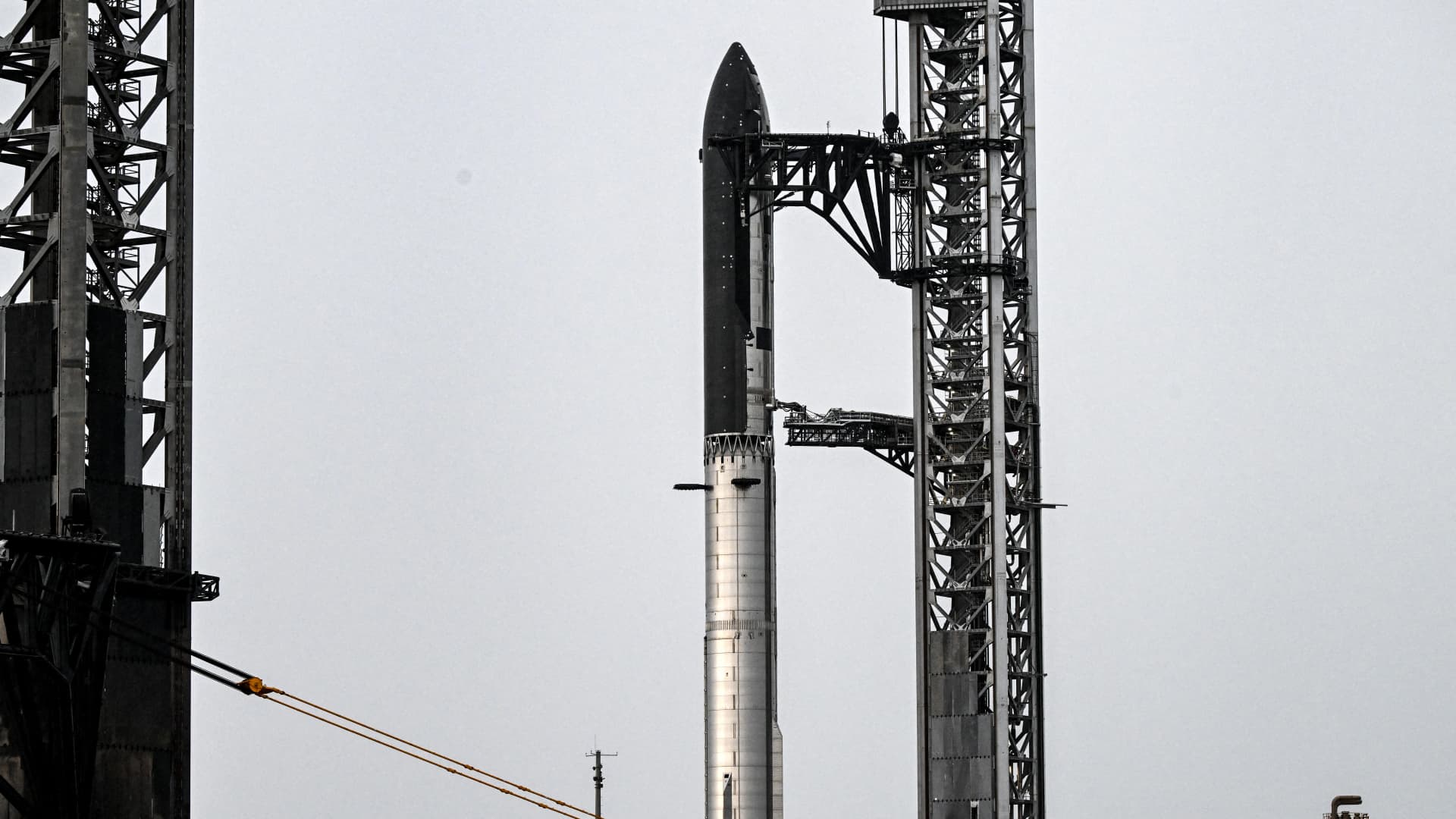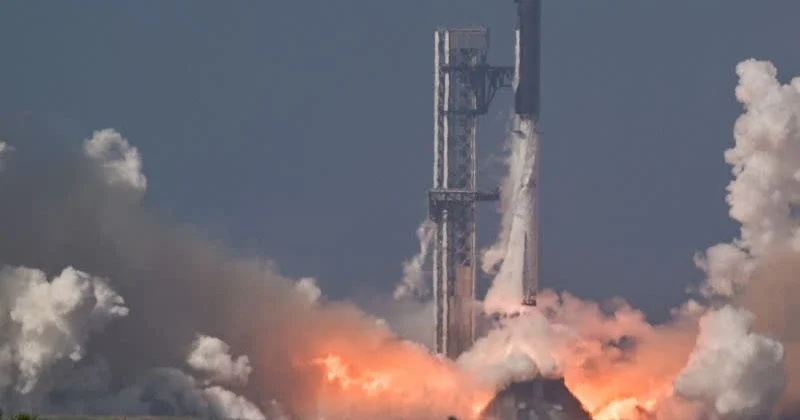
SpaceX launched its Starship rocket for the 12th time on May 22, sending the first Version 3 configuration skyward from Starbase, Texas. Two days earlier, the company had dropped its IPO prospectus on the market.
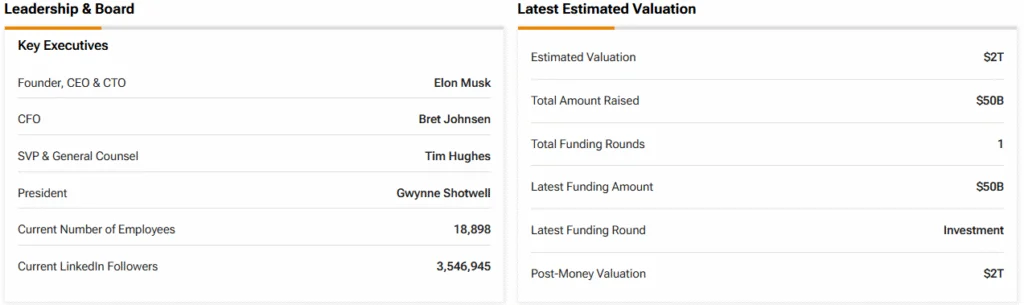
With a roadshow set to begin June 4 and share pricing potentially landing as early as June 11, the flight served double duty: a genuine engineering milestone and a very expensive investor relations exercise. SpaceX is targeting an IPO valuation between $1.5 trillion and $1.75 trillion, a figure that would make this one of the largest public offerings in US history and could raise as much as $75 billion to $80 billion in capital.
What actually happened on Flight 12
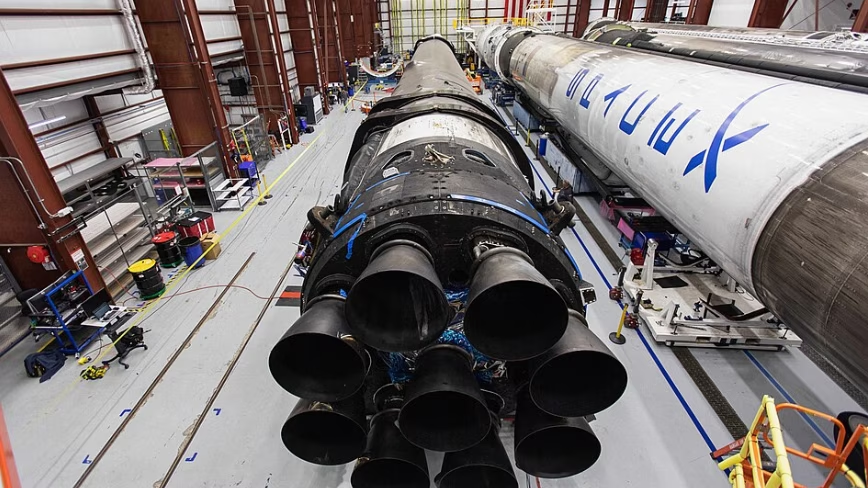
The V3 Starship configuration introduced redesigned hardware aimed at faster turnaround times between flights. The upper stage performed orbital maneuvers, executed a mock satellite deployment, and ran through refined controlled re-entry procedures before splashing down in the Indian Ocean.
SpaceX had stated in advance that this flight would not attempt a tower catch or full booster recovery. The objective was to validate the new V3 hardware in flight, not to stick the landing on the first try with an untested configuration.