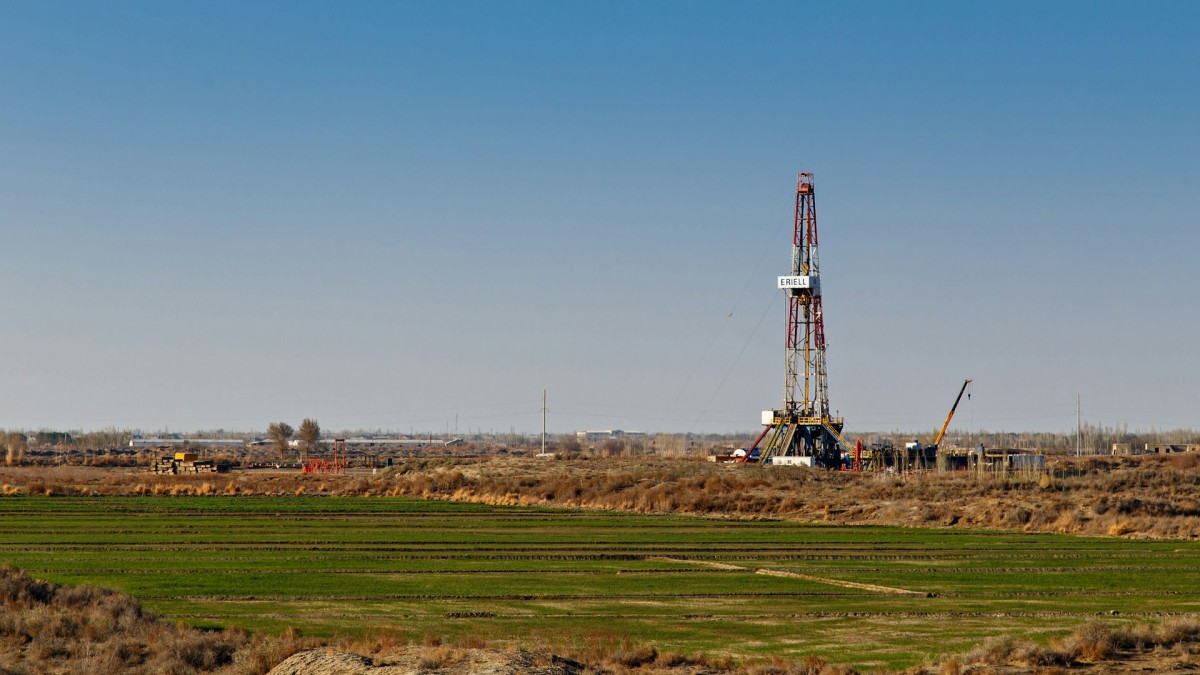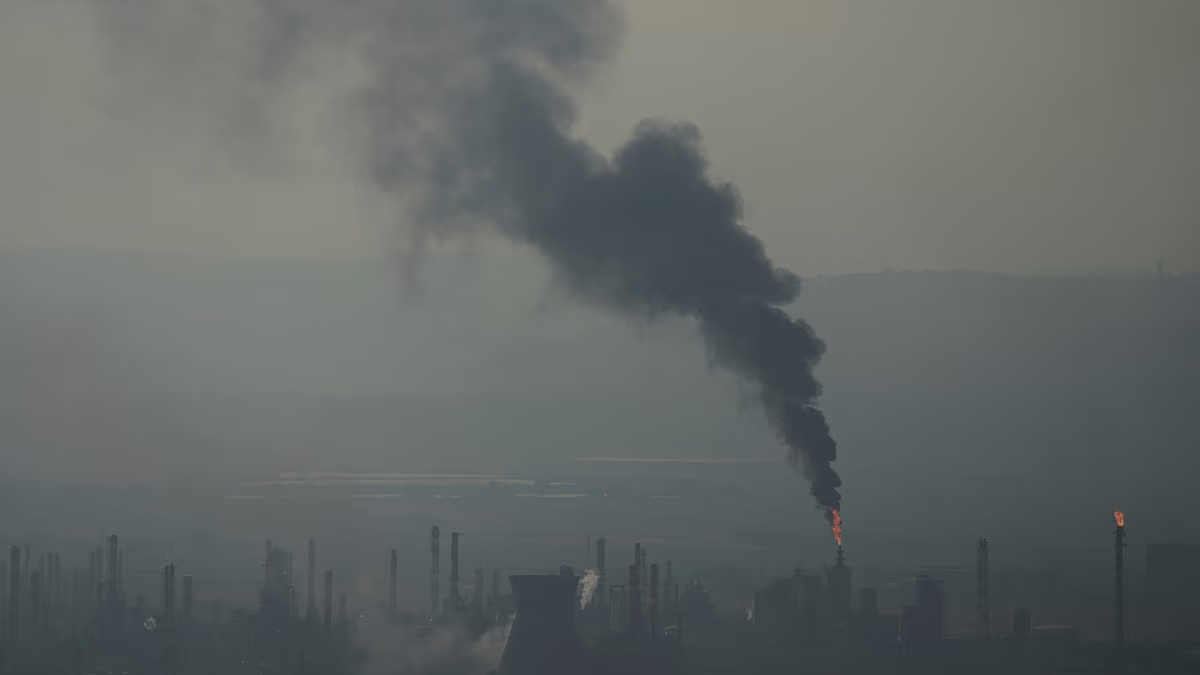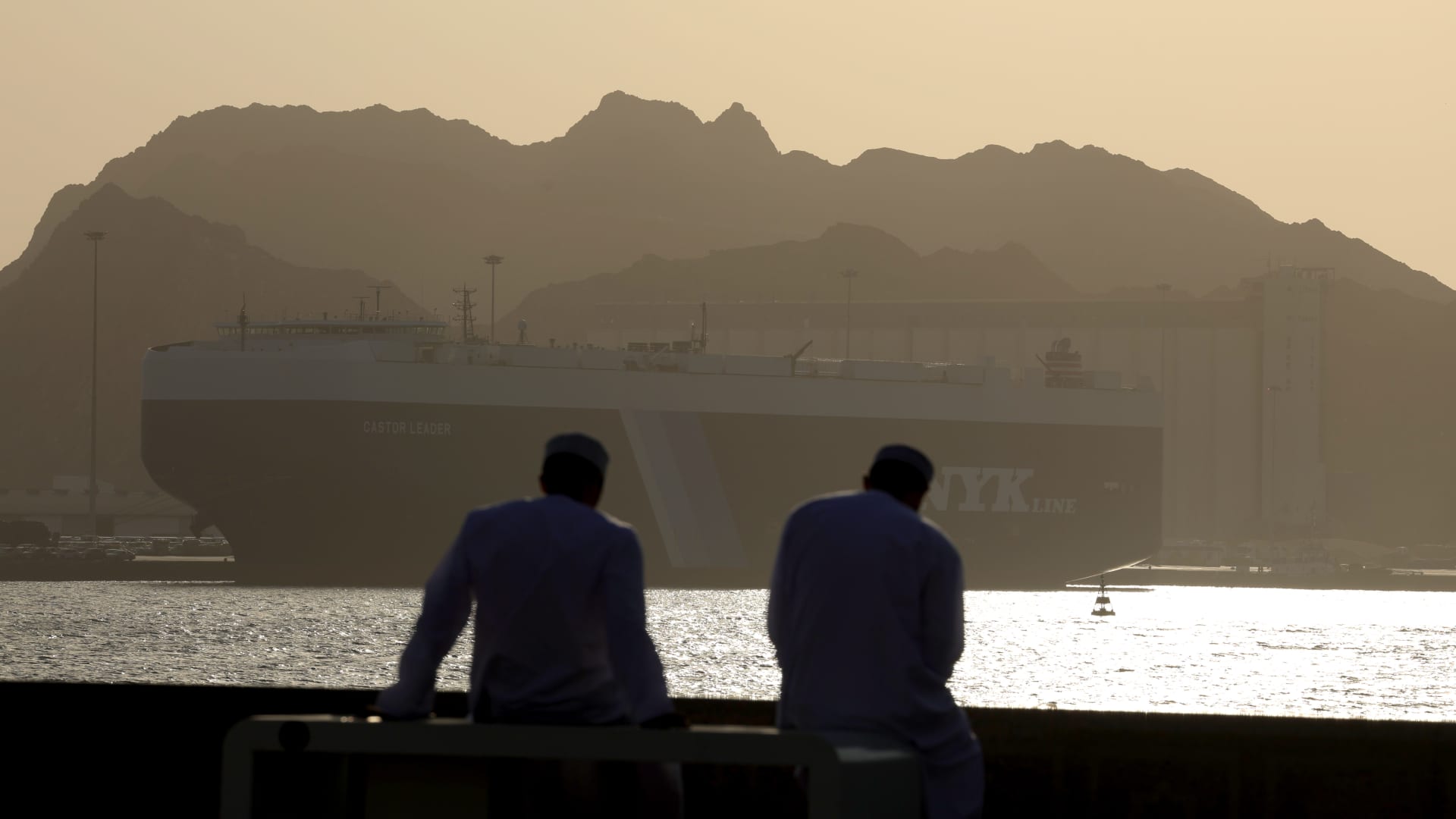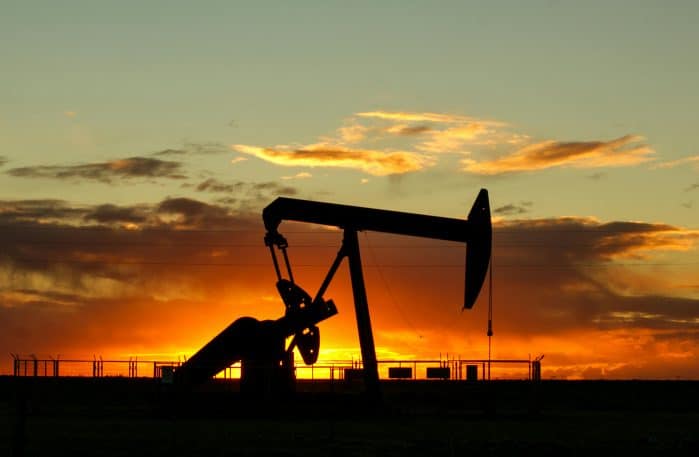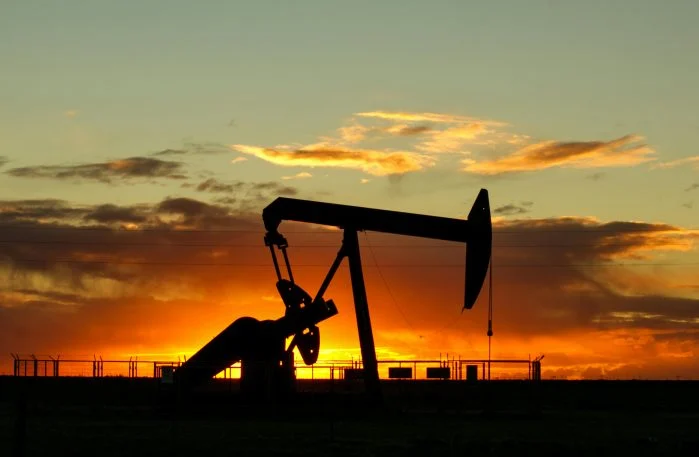
The International Energy Agency (IEA) has forecasted a significant decline in global oil demand for 2026, predicting a reduction by about 1 million barrels per day. This marks the first annual drop in demand since 2020, primarily driven by geopolitical tensions like the Iran conflict, higher fuel prices, and weaker consumption in key regions such as Asia and the OECD. This projected decrease comes amidst a structural slowdown in oil consumption growth, with the petrochemical sector anticipated to become a major demand driver as transport and power generation increasingly shift towards alternative energy sources.
The prediction has had a noticeable impact on the crude oil markets, particularly on the market predicting whether crude oil will reach a new all-time high by September 30. Current market pricing suggests a decreased likelihood, with the probability of a YES outcome dropping to 5% from 6% just 24 hours ago. Meanwhile, the December 31 sub-market maintains a 12.5% YES probability, unchanged from a week ago. The IEA’s forecast appears to be a key factor influencing these market perceptions, suggesting a potential reassessment of future oil price dynamics.
The market’s response reflects a broader sentiment that the anticipated slowdown in demand could mitigate upward pressure on oil prices. Key figures in the energy sector, including OPEC’s Secretary General Mohammad Sanusi Barkindo and Saudi Arabia’s Energy Minister Abdulaziz bin Salman Al Saud, are likely to be closely monitoring these developments.