New Delhi: Global oil demand is beginning to recover after plunging to its lowest level in May during the West Asia conflict, but fresh hostilities in the Gulf threaten to derail expectations of a gradual return to normal, according to the International Energy Agency’s (IEA) July Oil Market Report.
The Paris-based agency said global oil consumption is expected to rebound gradually in the second half of 2026, driven by the peak summer travel season and the release of pent-up demand as fuel supplies improve.However, it cautioned that the recovery remains fragile given the renewed exchanges of fire between the US and Iran on 7-8 July.
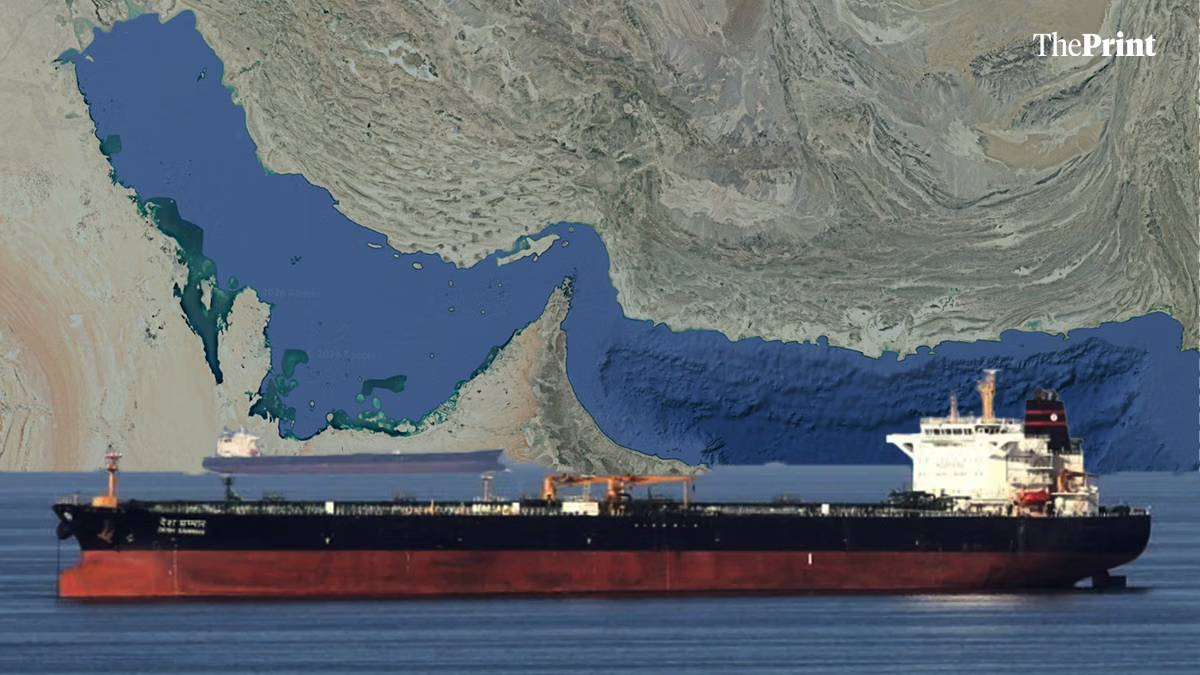
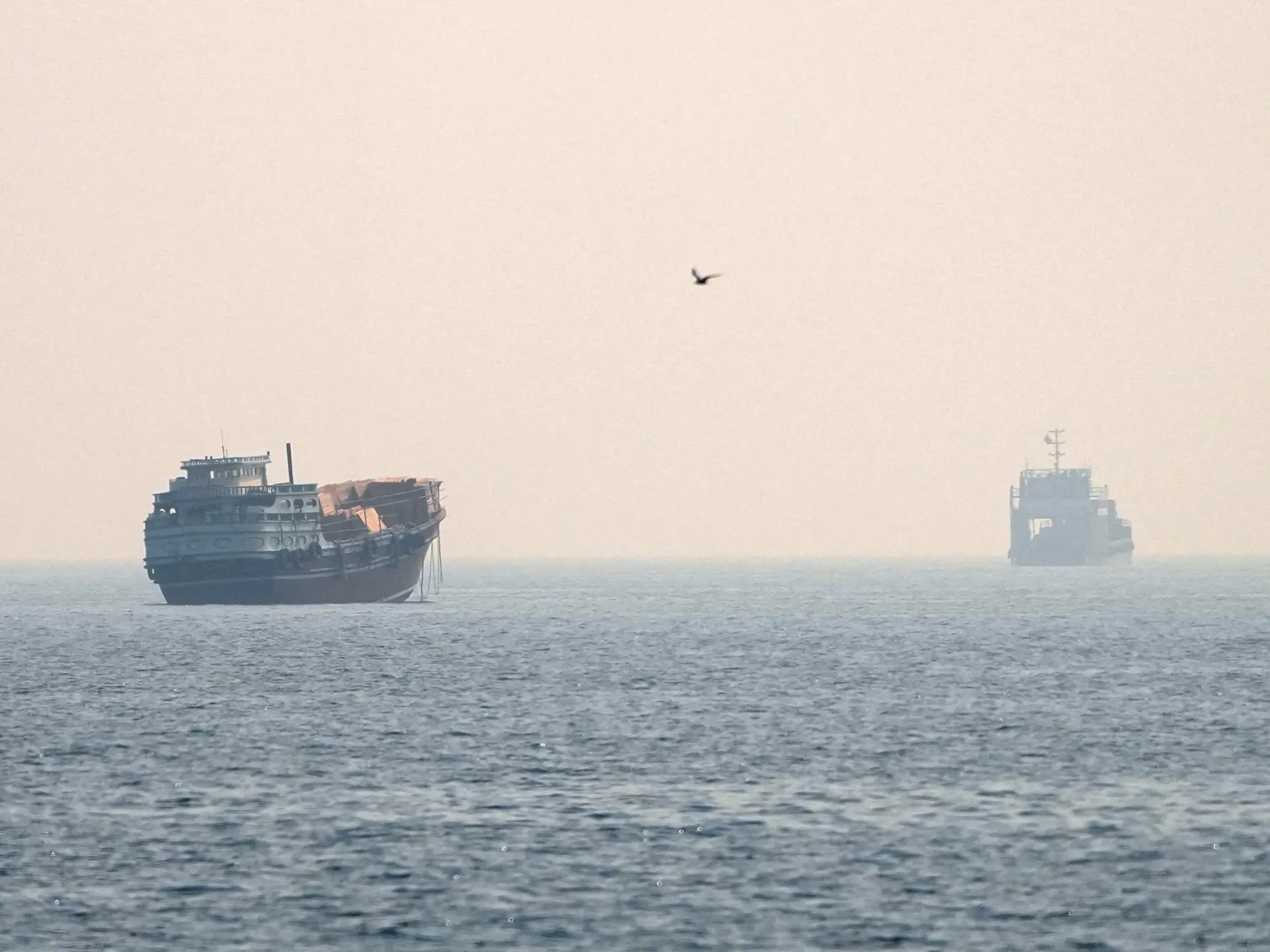
The IEA expects global oil demand to contract by an average of 1 million barrels per day (mbpd) in 2026 before rebounding by 2 mbpd in 2027.Demand is projected to recover sharply from the low of May of 97.9 mbpd, rising by more than 8 mbpd by October and moving above 2025 levels for the first time since February.“The recovery in oil demand is underway, but its pace will depend on sustained improvements in fuel availability and the geopolitical situation,” the agency said.The report said benchmark crude prices erased all the gains made during the conflict as oil shipments through the Strait of Hormuz resumed. The North Sea dated crude fell by about $31 per barrel during June to reach $68 per barrel in early July, its lowest level since January and below pre-conflict levels.However, the prices surged to around $77 per barrel after the ceasefire agreement was breached last week, underscoring the market’s sensitivity to developments in the Gulf.On the supply side, global oil production rebounded by 4.1 mbpd to reach 98.8 mbpd in June as tanker traffic resumed through the Strait of Hormuz and Gulf producers partially restored output.However, the global production still remained 9.4 mbpd below pre-war levels.The recovery was aided by a temporary easing of US restrictions on Iranian exports and security support for non-Iranian shipments, allowing the stranded tankers to resume deliveries.The total Gulf oil exports jumped by 6.5 mbpd in June to reach 16.1 mbpd, although they remained well below the pre-war average of 24 mbpd. The majority of the increase came from crude oil and condensates which is supported by a withdrawal of floating storage and onshore inventories.The IEA said the oil market is likely to return to surplus by the end of the year, provided the traffic through the Strait of Hormuz continues to normalise and Middle Eastern producers and refineries can fully resume operations.It, however, warned that the renewed military escalation could quickly reverse that outlook.