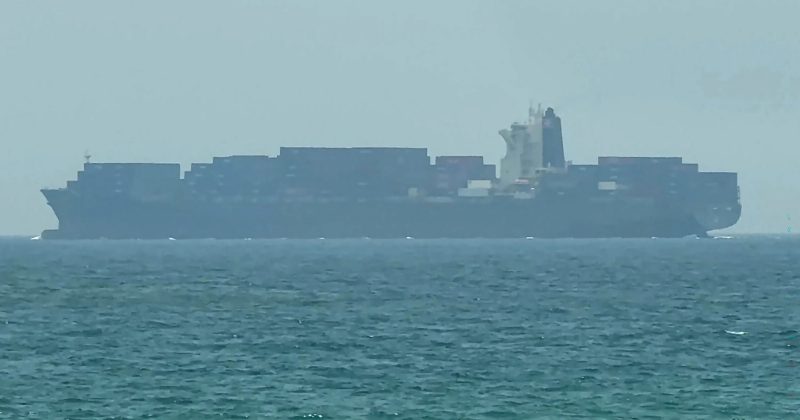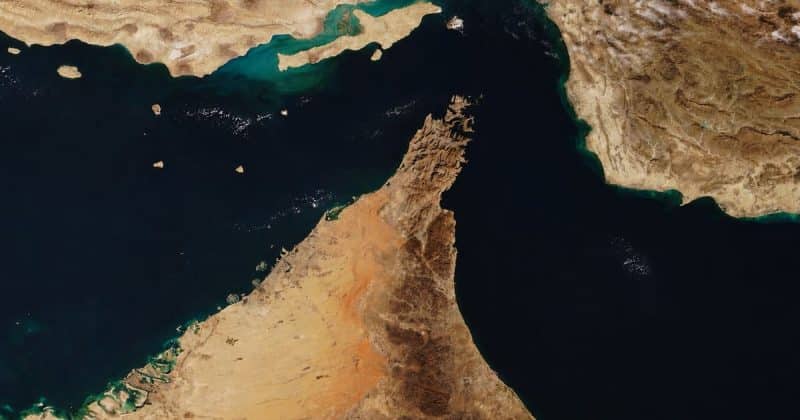
President Trump announced on July 14 that the Strait of Hormuz, one of the most strategically important shipping corridors on the planet, is now open to all vessel traffic except ships traveling to or from Iran or carrying Iranian cargo. The declaration, posted on Truth Social, effectively formalizes a selective blockade that the US Navy has been enforcing in various forms since mid-April.
Crypto markets responded the way crypto markets tend to respond to major geopolitical shocks: badly. Over $20 billion in digital asset value evaporated in the hours following the announcement, with Bitcoin and Ethereum both seeing notable declines as traders sprinted toward safer ground.
What’s actually happening in the Strait
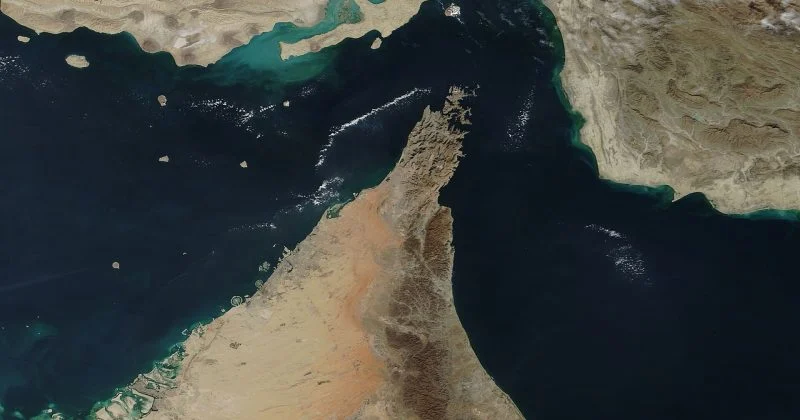
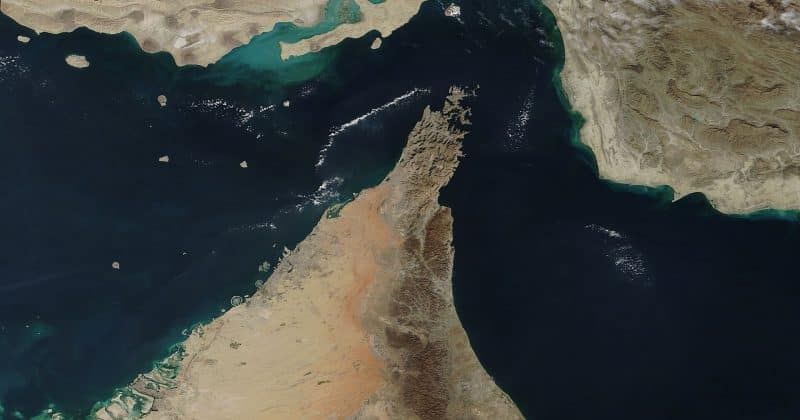
The Strait of Hormuz is a narrow waterway between Iran and Oman that handles a massive share of global oil transit. Shipping through the strait has faced disruptions since late February 2026, when tensions between the US and Iran began escalating in earnest. War risk insurance premiums, the cost shipping companies pay to insure vessels traveling through dangerous waters, have surged sharply as a result.
The US naval blockade of Iranian ports officially began on April 13, following what the administration described as failed ceasefire negotiations. By June, diplomatic efforts had collapsed entirely, leading to renewed hostilities that included US military strikes on Iranian military targets.