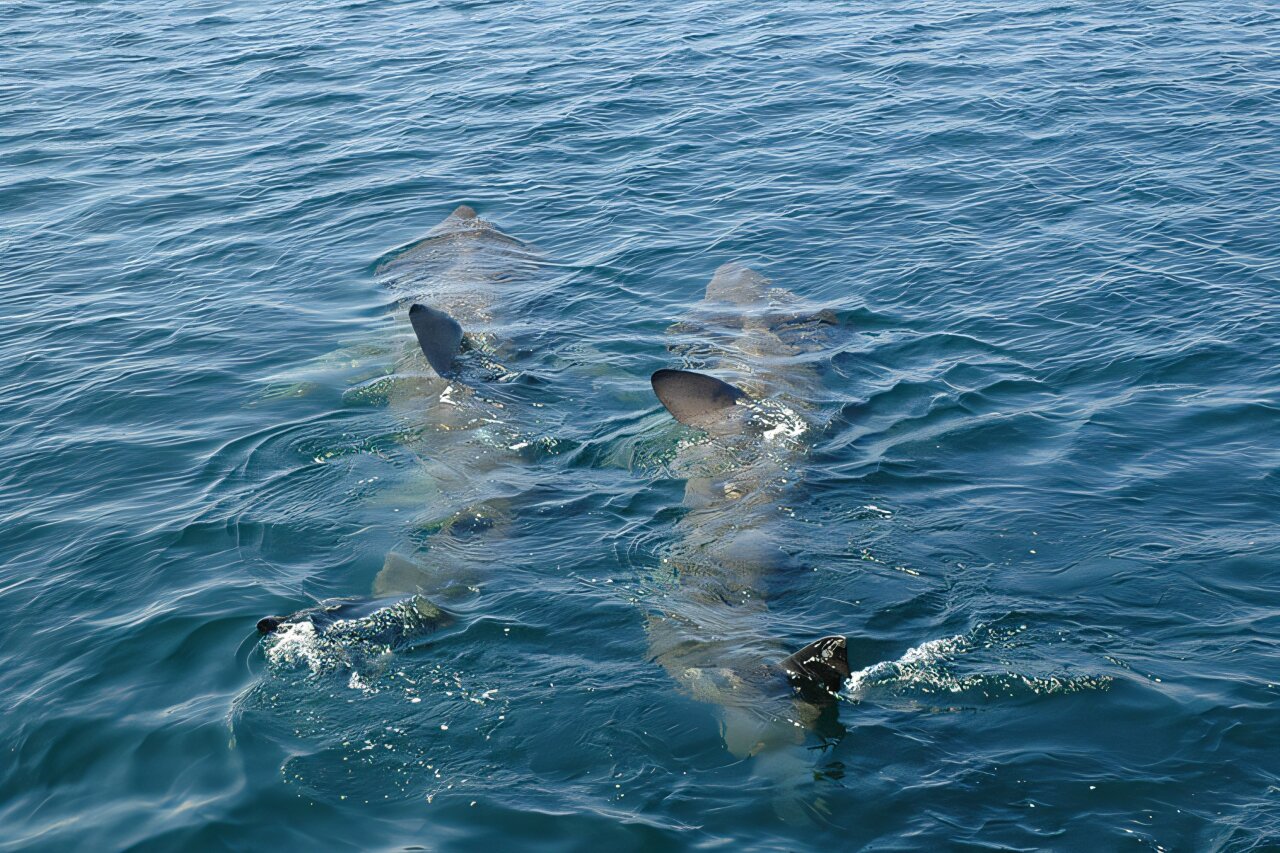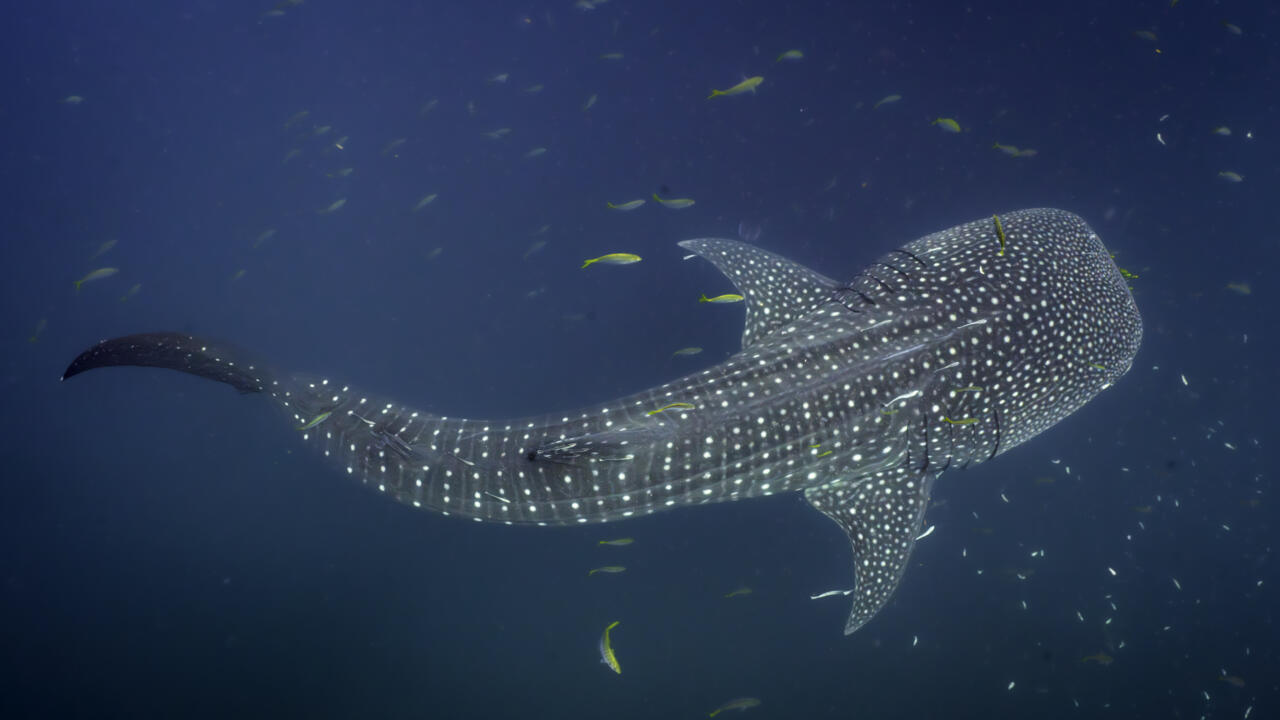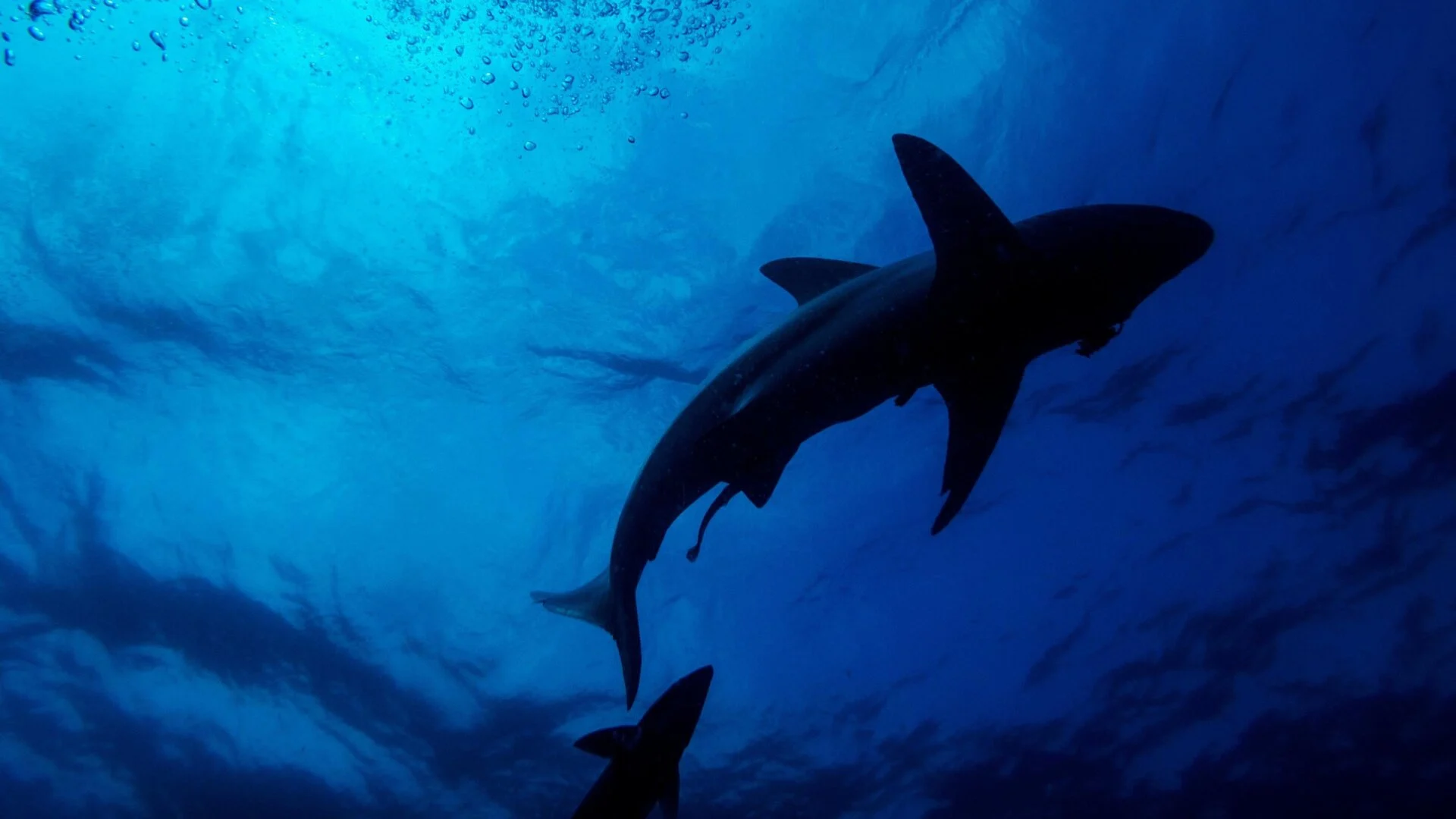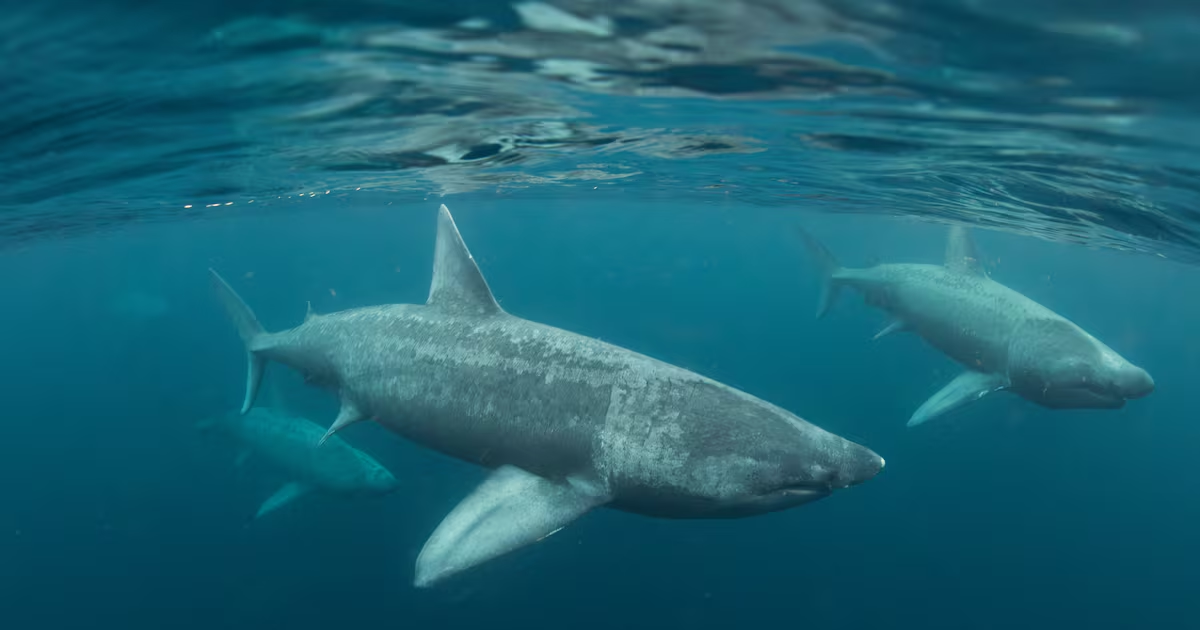
An increase in basking shark sightings off the Irish coast has helped identify their “hot spots”, new research has found. Scientists from the Irish Basking Shark Group (IBSG) have analysed 46 years of sightings stretching from 1978 to 2024. They were investigating seasonal and year-on-year patterns, assessing the potential for hotspots and environmental factors influencing when and where they are seen.Examining 2,718 sightings in total, the group found an “uptick” in more recent times, with peaks in 2009, 2010 and 2020.A large aggregation of basking sharks seen swimming just beneath the surface near Ventry, Co Kerry. Photograph: Nick Massett Hotspots were identified at Malin Head off Co Donegal; the Blasket Islands off Kerry; and off the coast of Cork.They were most commonly spotted in those areas from April to May with rarer sightings in August and September. A “seasonably distinct hotspot” near Loop Head in Co Clare was also identified in the late summer.Basking sharks are the second largest shark species, reaching 11 metres in length and are endangered globally.Dr Ruth H Leeney of the IBSG said Ireland has become a “stronghold”, though the research does not identify a single reason why such an increase has been found in Irish waters.[ The mystery of basking sharksOpens in new window ]However, the probability of basking shark sightings in a given area was linked in some ways to environmental factors such as plankton levels, rain and wind speed.Leeney said the increase could also be due to a shift in habitat use or other behavioural shifts.She pointed out that the figures can be “difficult to disentangle” – with more people spending time in the water and using drones, there is a higher chance of people spotting a basking shark than there was in the 1970s.Despite this, she said it is a mix of both as the number of basking sharks have increased as has the number of people reporting sightings.She said climate change could also be a factor as it affects where zooplankton, which basking sharks feed on, is found. Basking sharks swimming beneath the surface near the Aran Islands. Photograph: Nick Pfeiffer The sharks are usually spotted with their mouths open meaning they are feeding.However, off the coast of Clare they have been spotted swimming in circles called toruses with their mouths closed which she said may indicate they are mating.It is unknown where they spend their time when not in Ireland.Leeney said some sharks have been tracked travelling between Ireland and the coast of Africa while others may stay in Irish waters moving from the surface to deeper waters. Describing them as “oceanic travellers”, Leeney said it was “really important” that basking sharks have been spotted off the coast of Ireland as the population has declined in other parts of the world.She said it puts the “onus on us” to be responsible sea users and not leave rubbish. If on a boat, she said, it was important to drive at a slow speed and keep a distance from basking sharks to not disturb them.They have become an “iconic species in Ireland”. She described them as a “gentle giant” and an “ambassador for the health of our ocean”.
‘Gentle giants’: Irish basking shark hot spots identified after more than 2,700 sightings
Scientist says increase in sightings in Ireland’s waters is ‘really important’ given decline in population elsewhere
526 words~2 min read