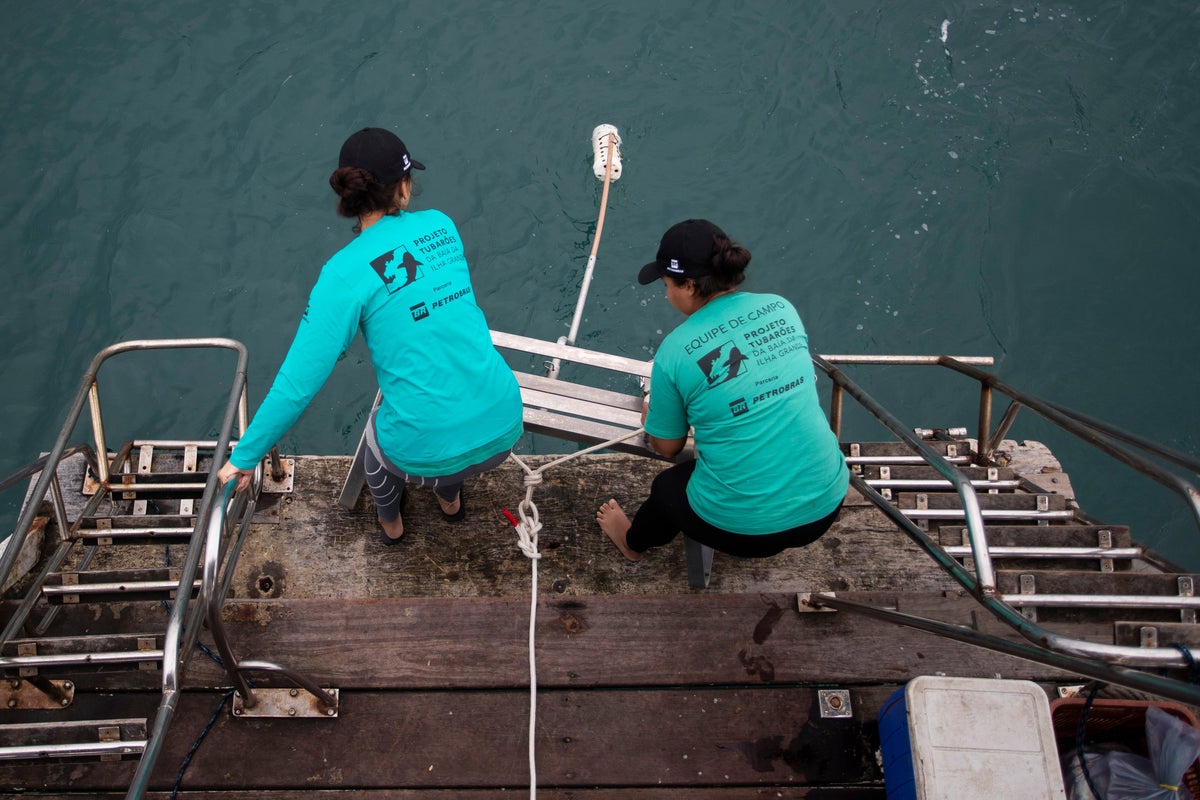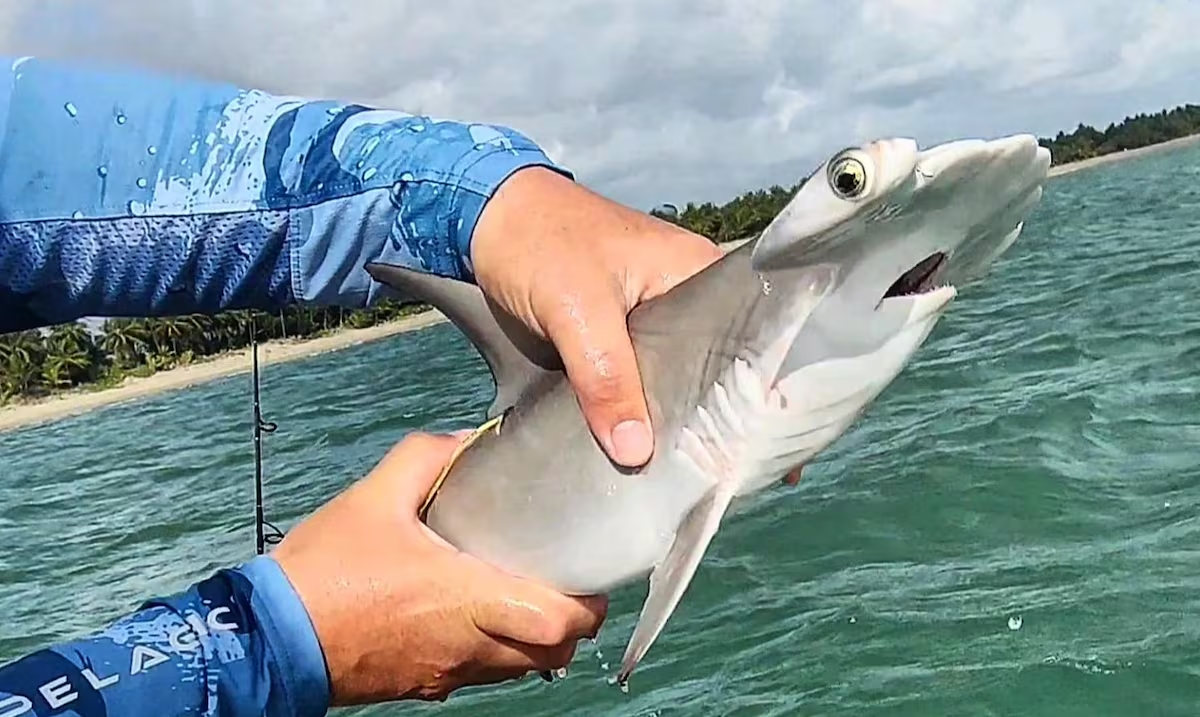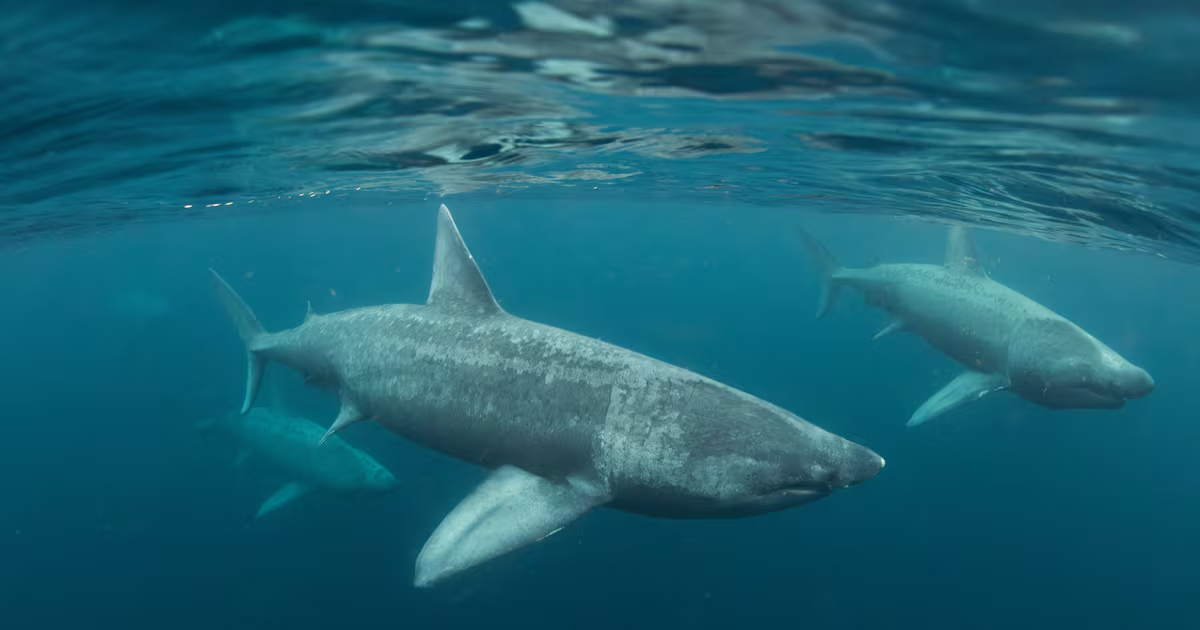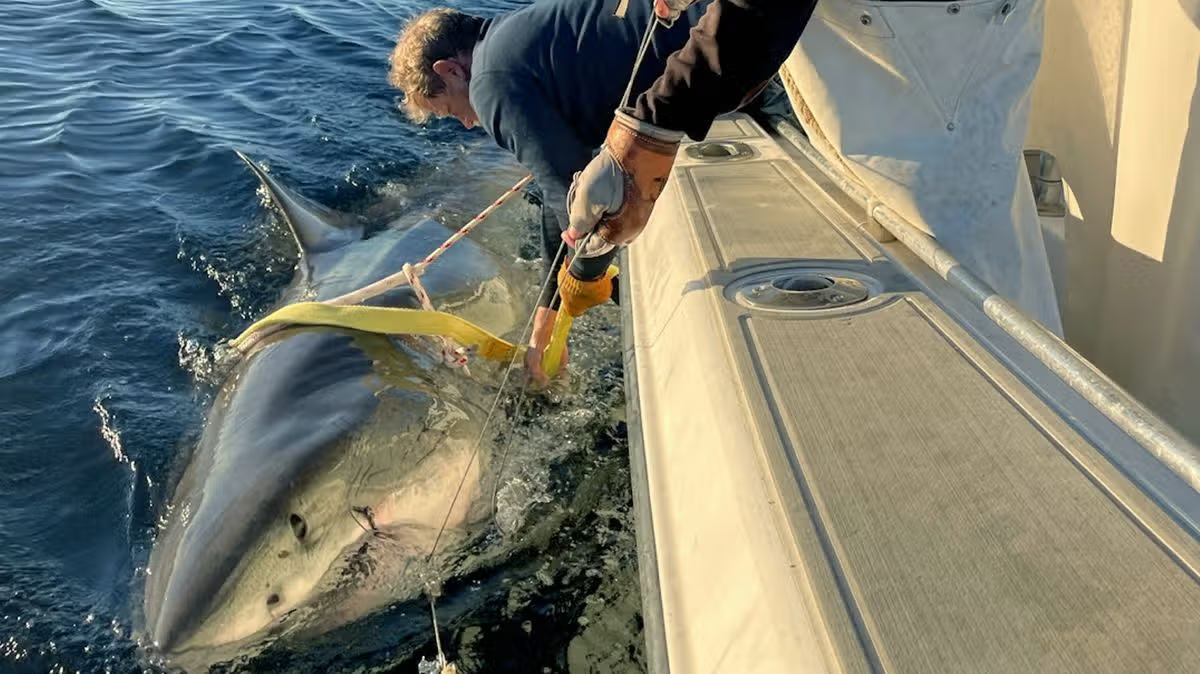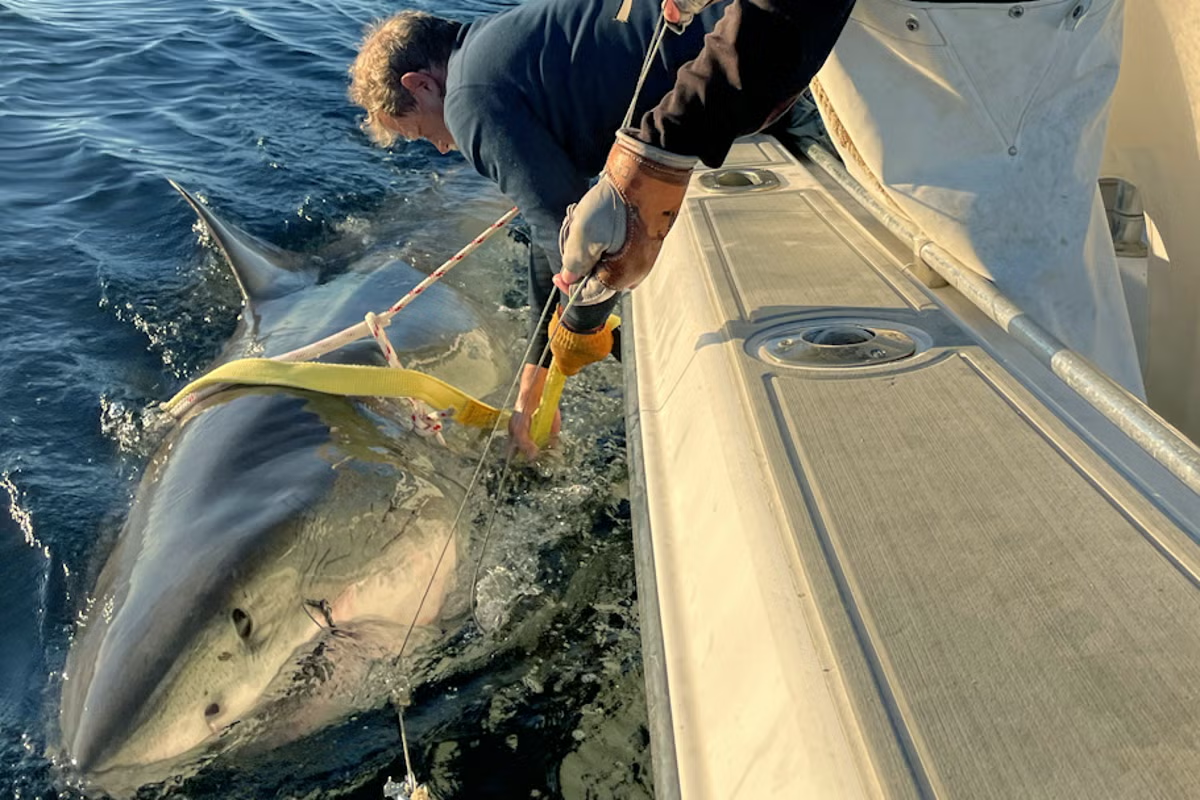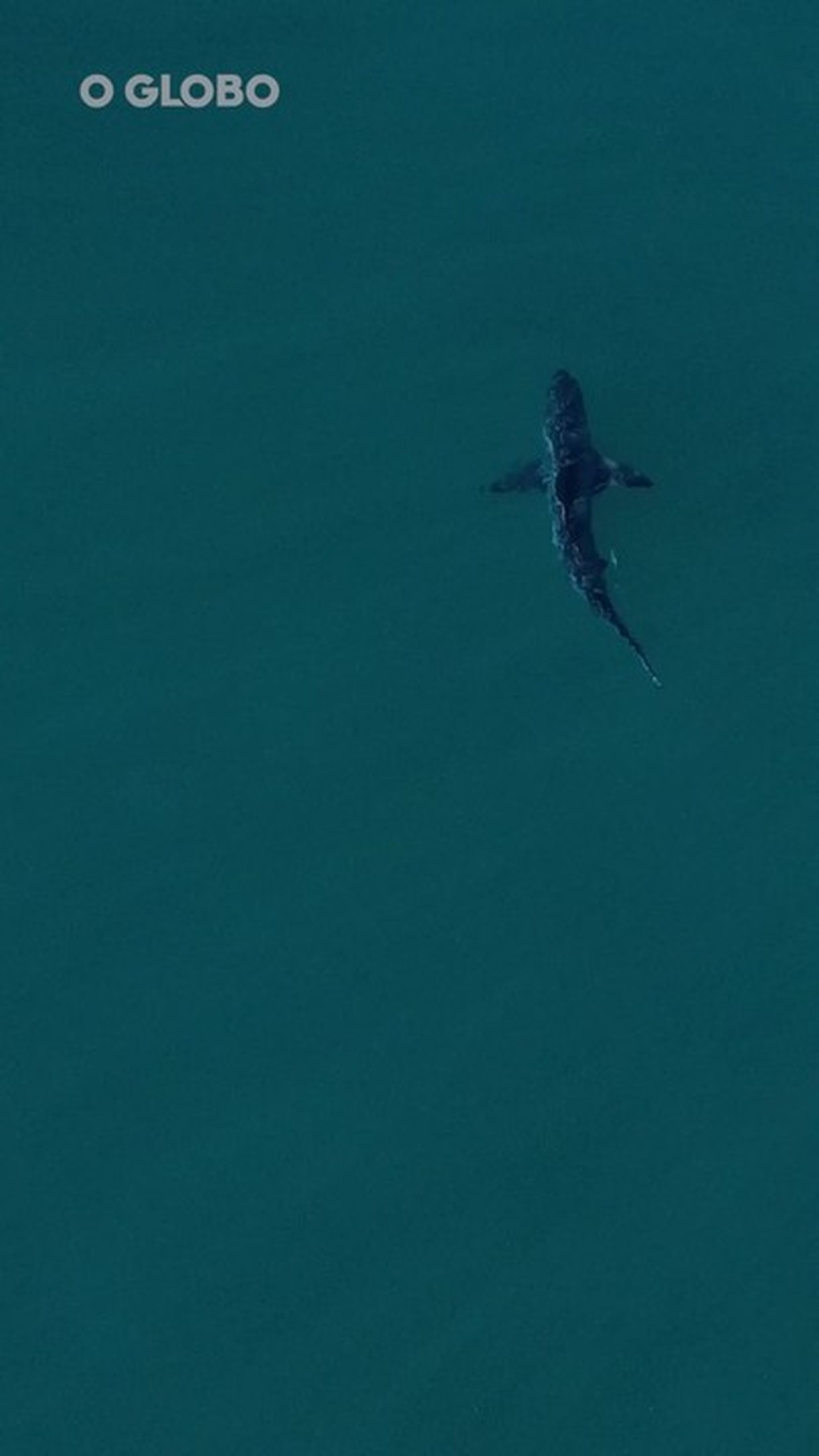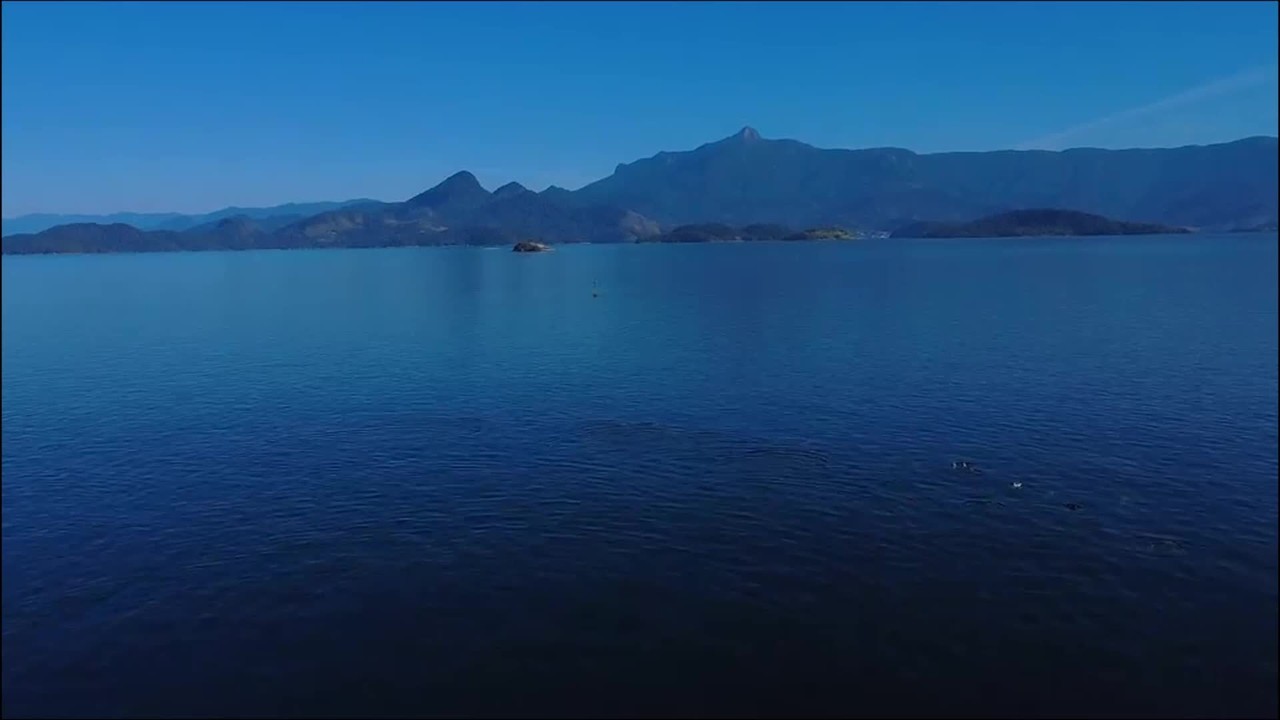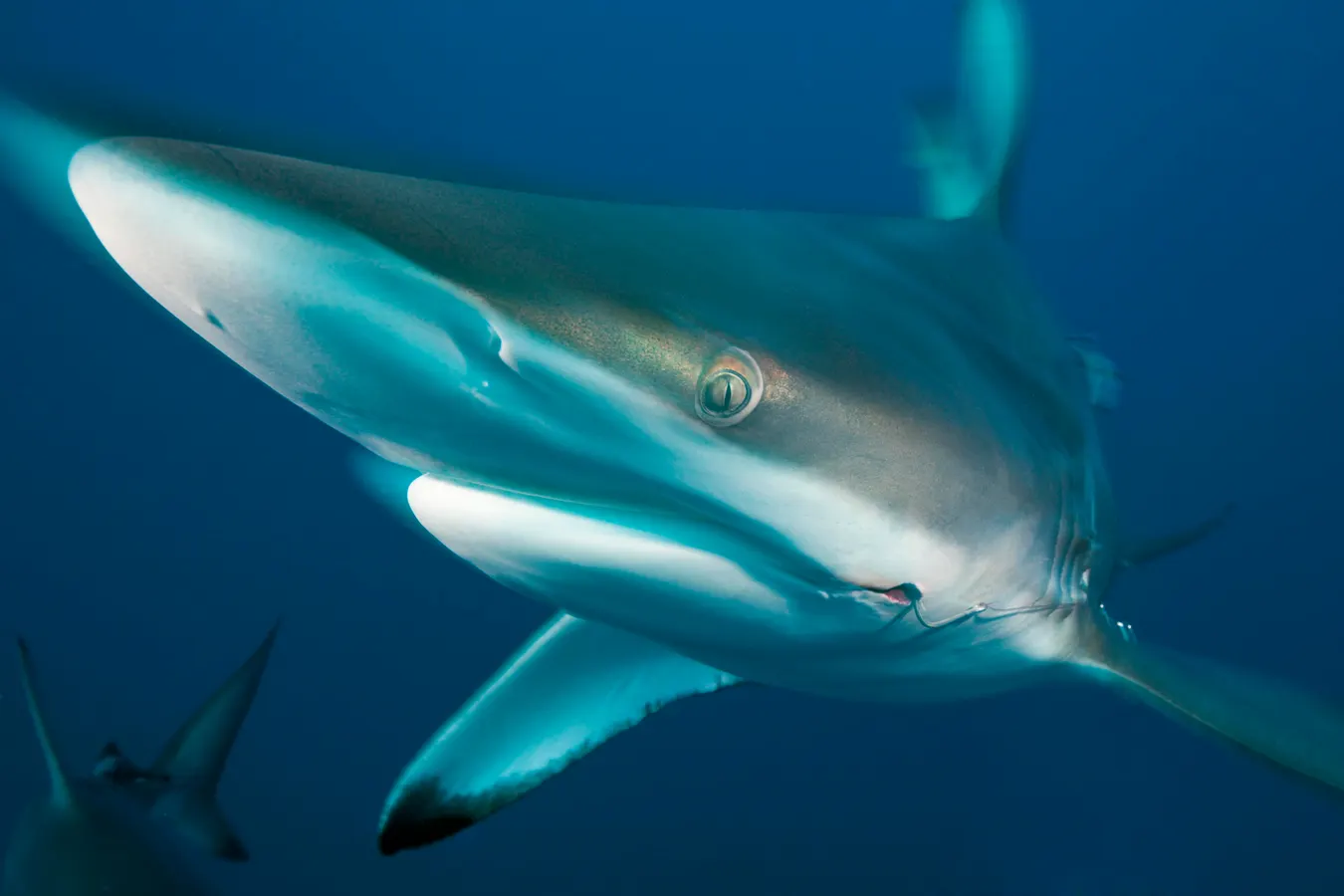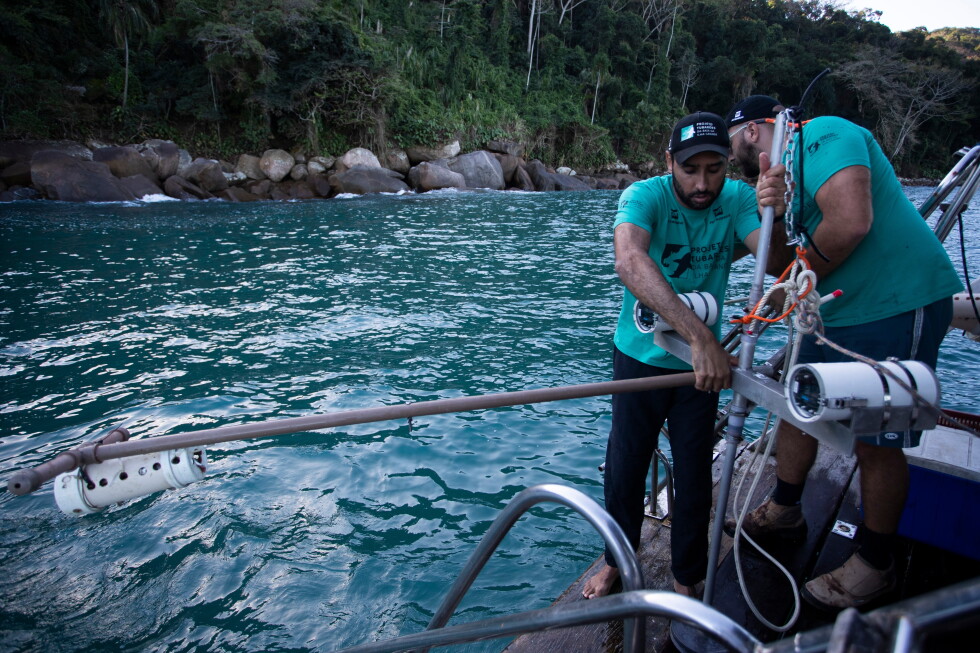
ANGRA DOS REIS, Brazil (AP) — A fishing community in Brazil’s southeastern Ilha Grande bay once saw the blacktip sharks navigating the sparkling, emerald green water as potential food.That perception has shifted, at least in part thanks to scientists who discovered that a nearby cove is frequented by dozens of pregnant blacktip sharks, prompting efforts to protect the area.Recent studies describe Brazil as the largest consumer of shark meat. Yet sharks are among the most threatened group of vertebrates on Earth, with more than one-third of species at risk of extinction due to overfishing, habitat degradation and climate change, according to the International Union for Conservation of Nature (IUCN).Brazil’s coastline harbors a large diversity of shark species and includes critical habitats for many threatened populations, making their protection an important part of global ocean conservation.Key to those efforts is the identification of nurseries such as the one in Piraquara de Fora cove, according to experts who are part of the Brazilian Institute for Nature Conservation’s Sharks of Ilha Grande Bay project.“We used to fish and eat them,” said Marlene Fernanda do Nascimento Martins, a 35-year-old community leader. Conservationists “explained that we shouldn’t do that anymore because of the animals themselves and the need to protect them.”
A Brazilian bay’s surprise shark nursery sparks conservation project
Scientists have discovered that a cove in Brazil's Ilha Grande bay is a nursery for pregnant blacktip sharks. This has led to conservation efforts to protect the area.
766 words~3 min read