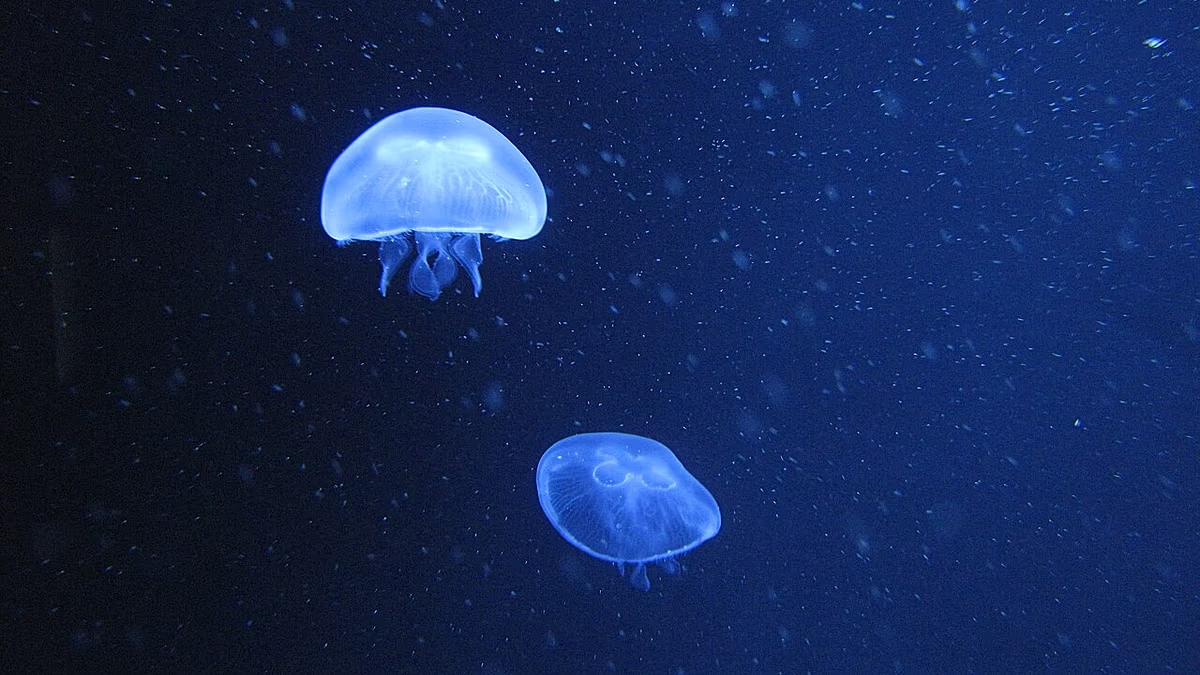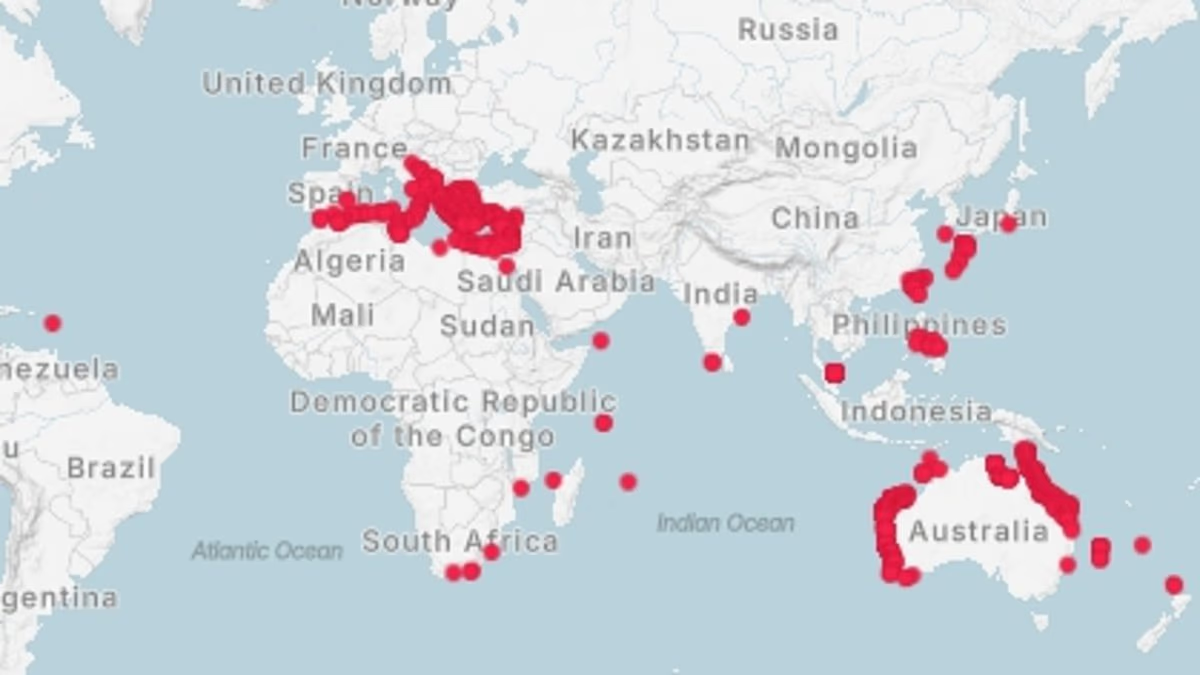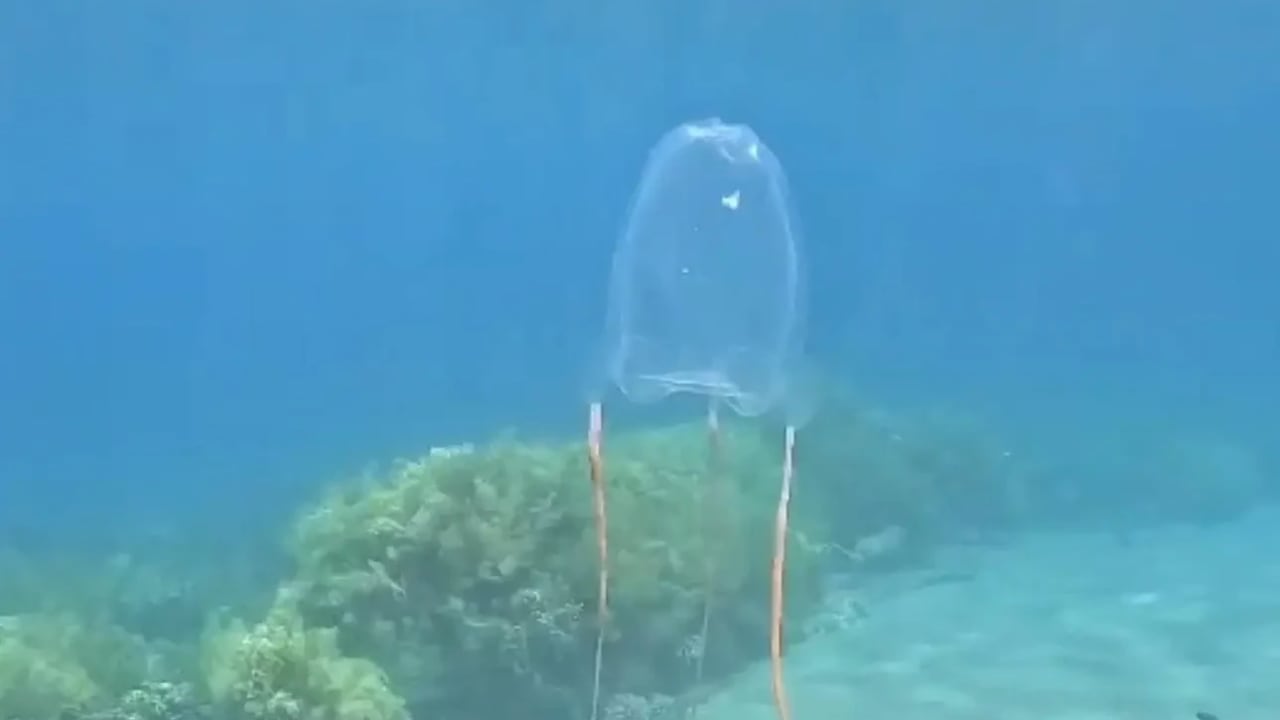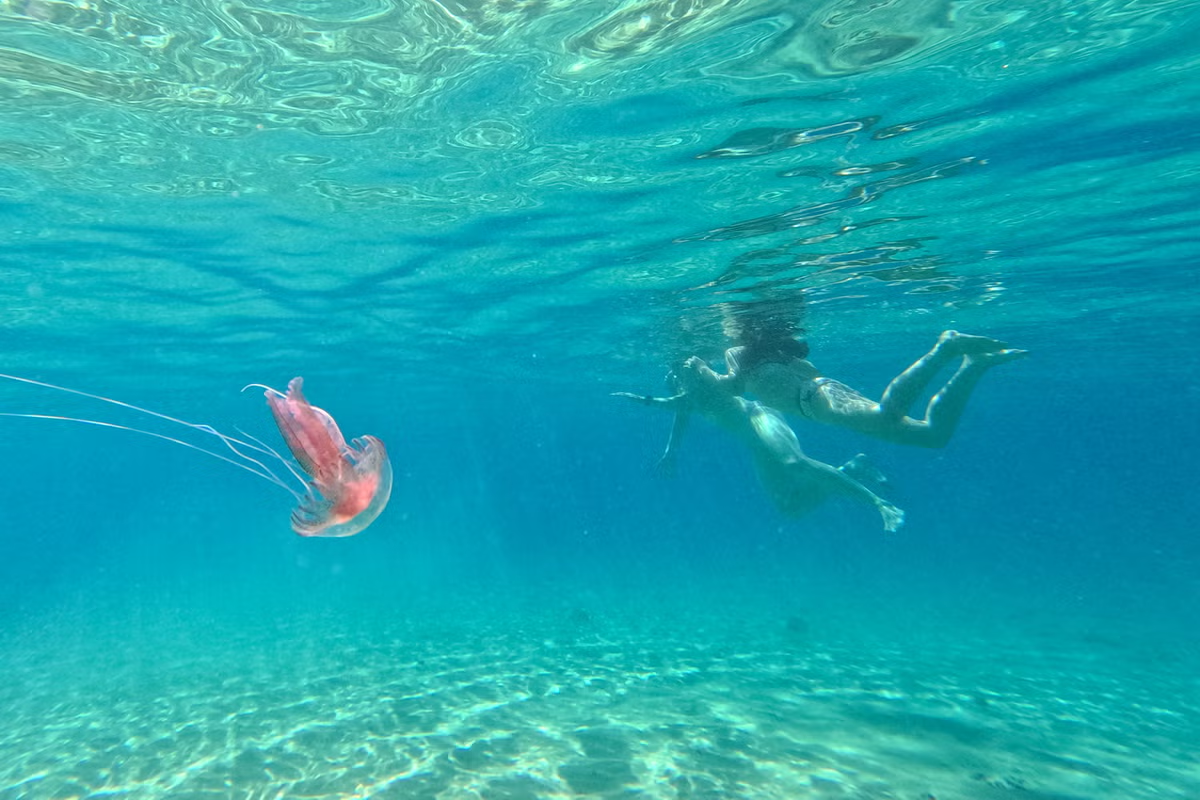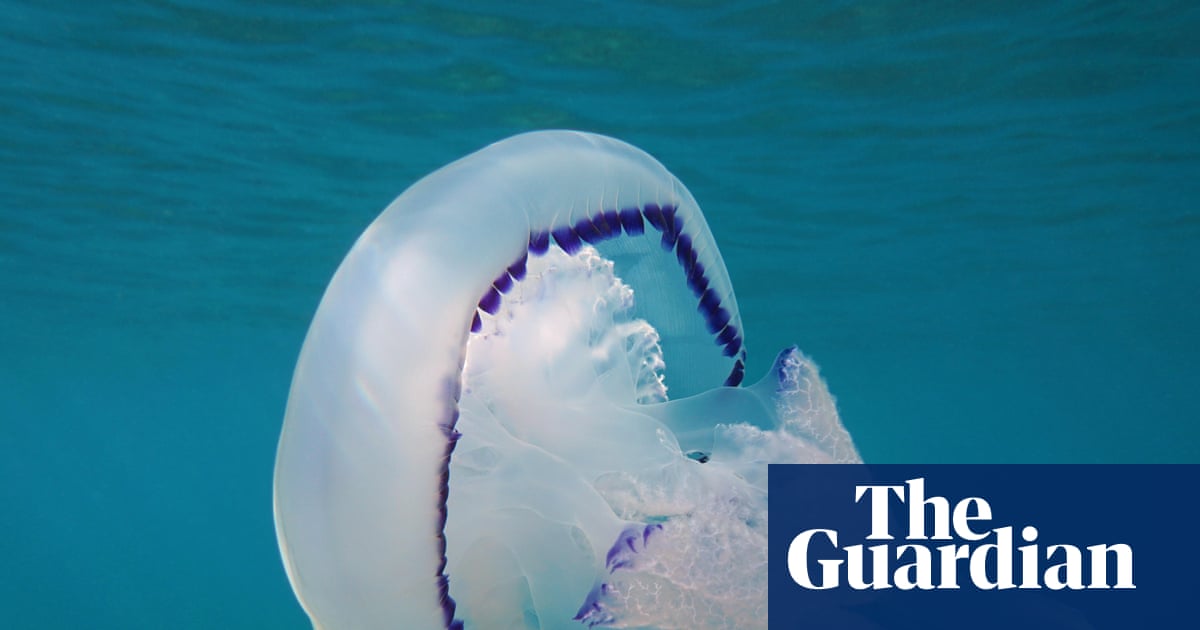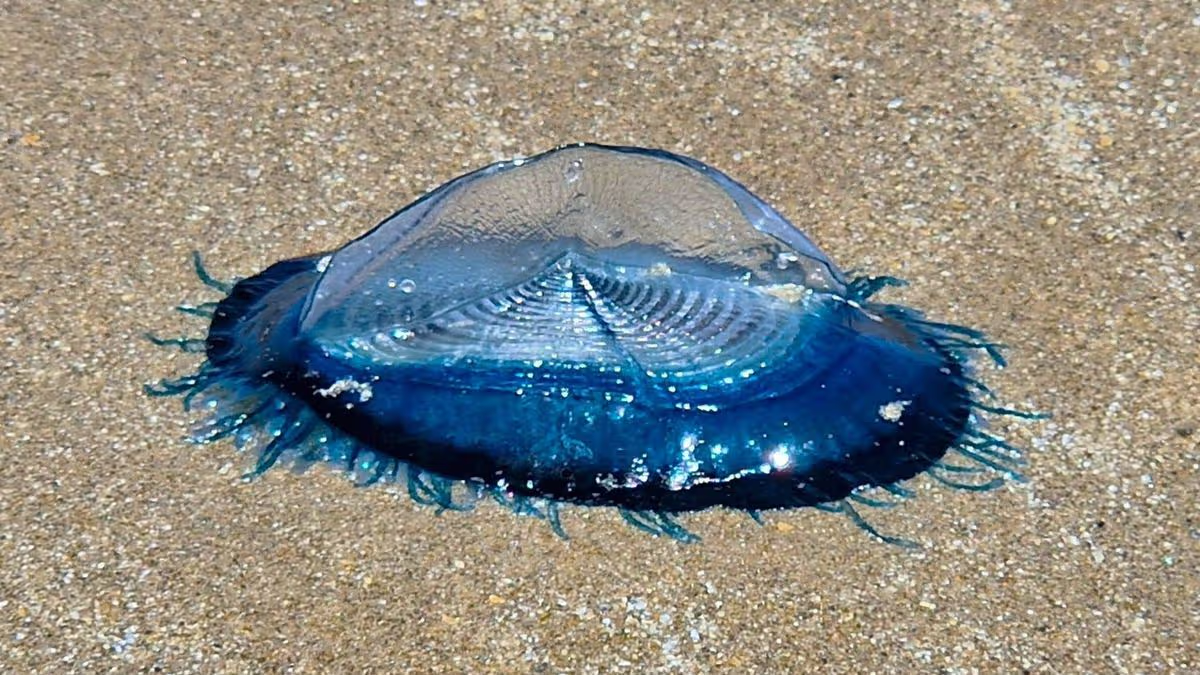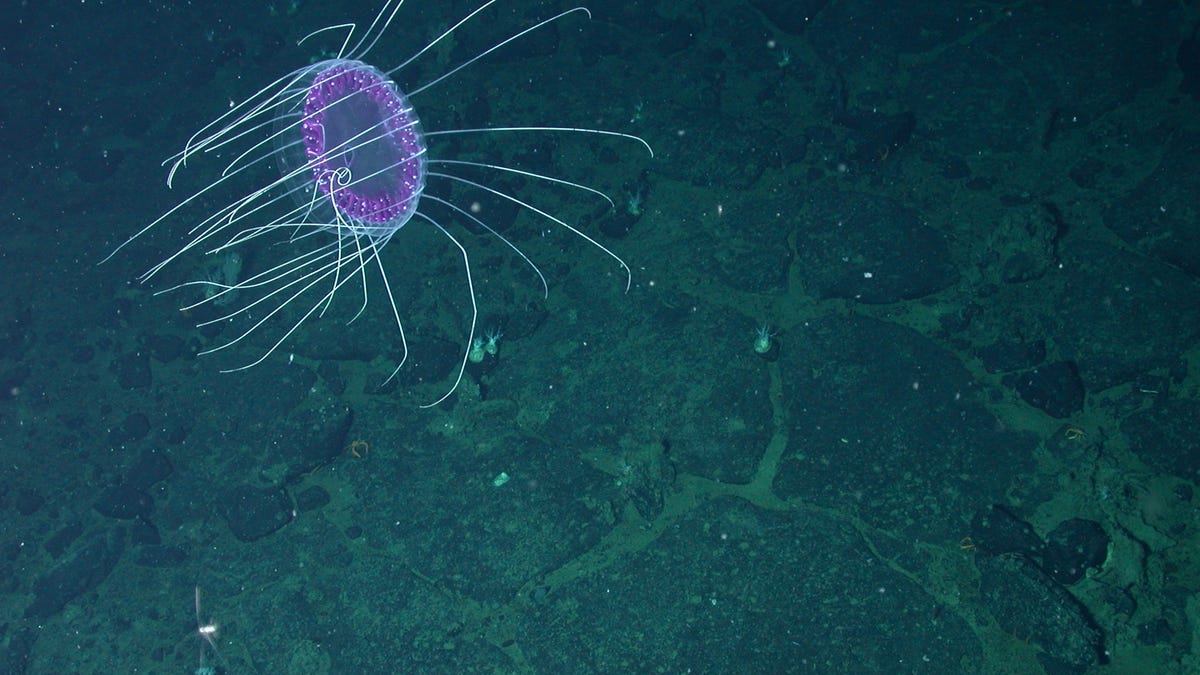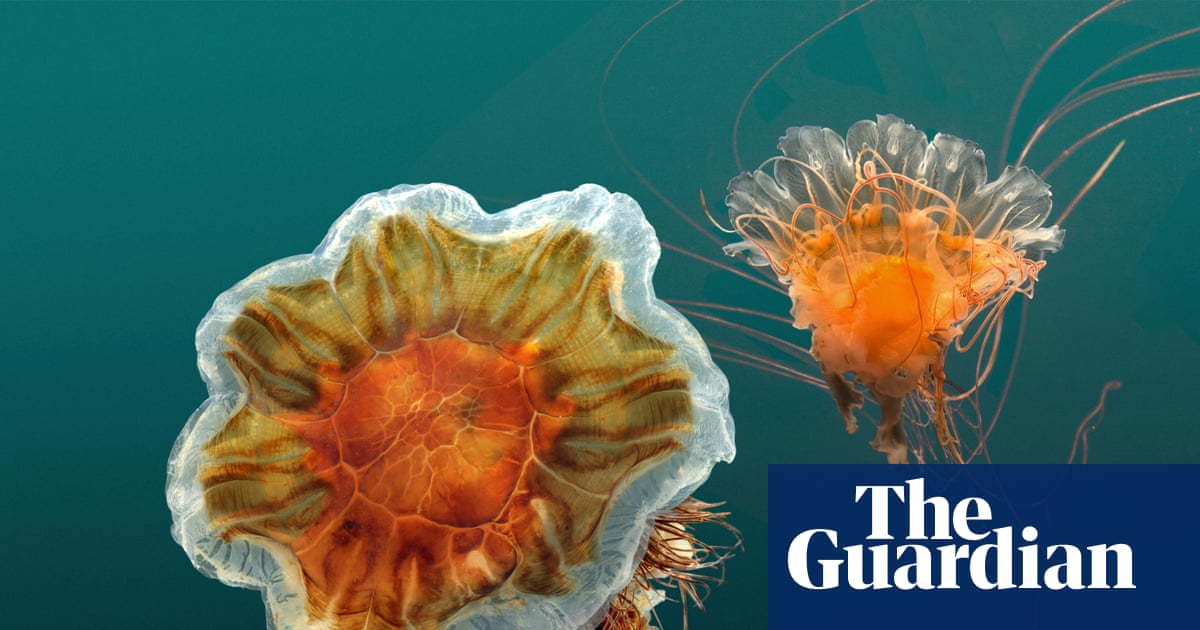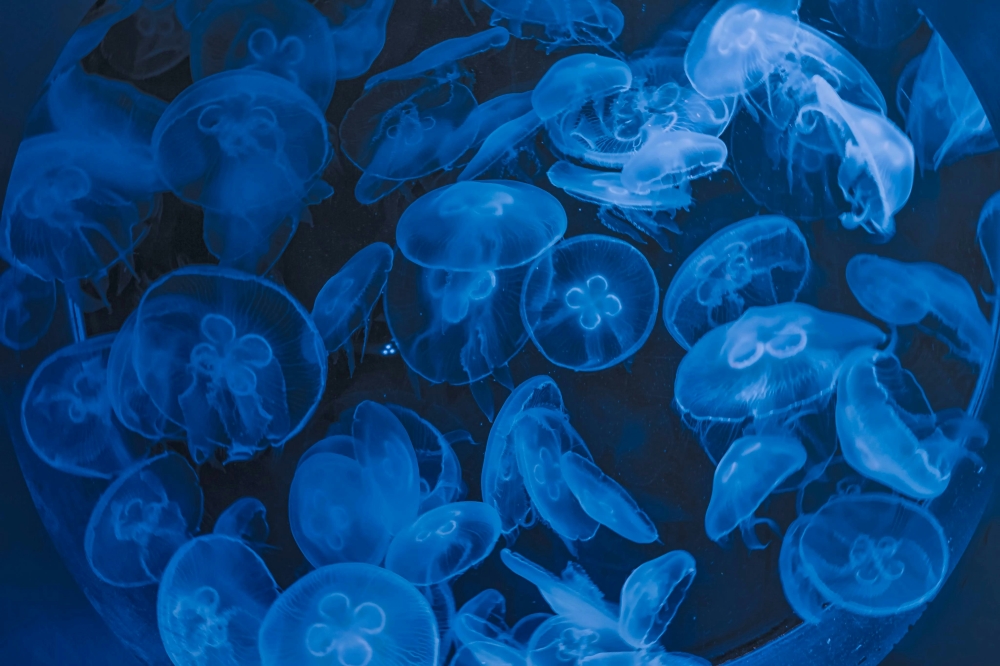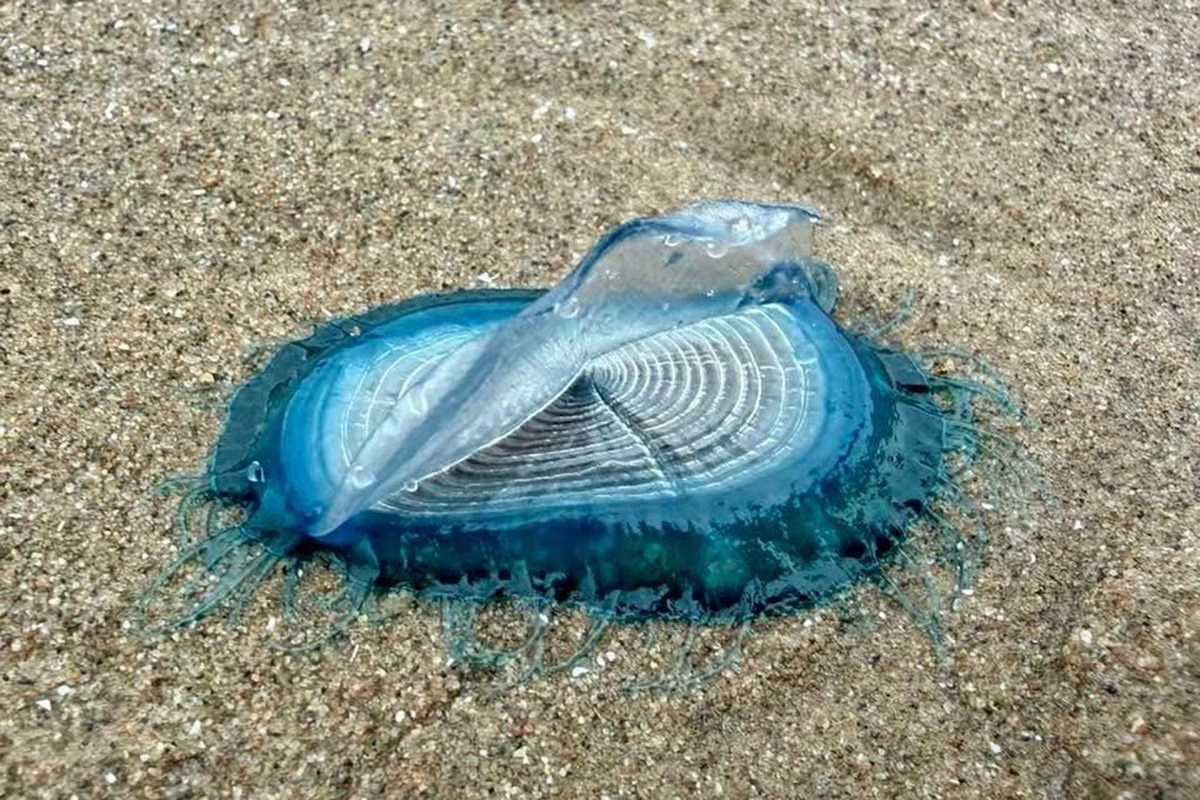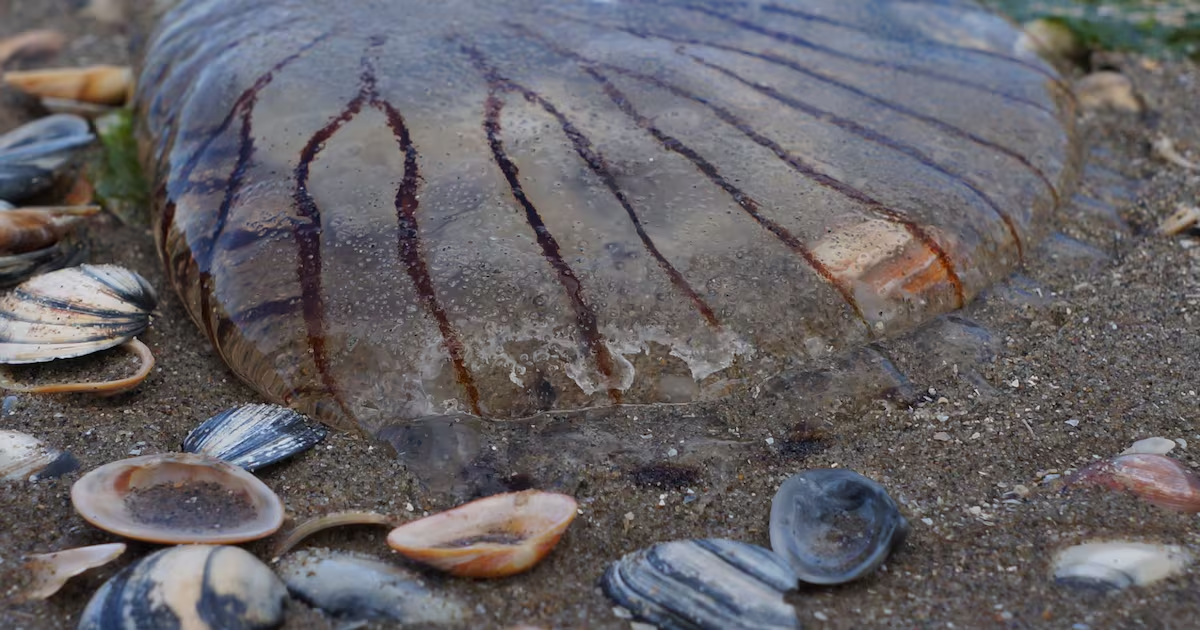
They are causing a sensation on social media and scaring nervous beachgoers, but a marine biologist has a clear message about the jellyfish being recorded in large numbers around Ireland’s coasts. “They’re meant to be there,” says Damien Haberlin of University College Cork. “They’re a normal component of our marine ecosystem and we’d really like people to recognise that.” Wishing jellyfish away because they are seen as a nuisance is a mindset Haberlin would like people to move away from. Some of the footage recorded and posted online in recent days can be startling, with large congregations, or “smacks”, of jellyfish close to shore in Co Waterford and east Cork in particular, but also in Kerry and Louth. Brendan Cosgrave from Waterford took a moment to press record after he and a friend glided into a huge group of jellyfish while kayaking near Helvick Head in Co Waterford last Sunday morning. “I’d often be out on the water and you’d see a couple floating about but I never saw anything here like what I witnessed last Sunday,” he said. “I kind of knew they were harmless common jellyfish but still, I wouldn’t have jumped in the water with them, there were so many. “And as we moved on, we saw other kinds – some with really long tentacles that I wouldn’t be so sure of.”Hundreds of jellyfish surround kayakers off Waterford coast. Video: Brendan Cosgrave/Eoin McGarry. Editor: Eoin Ronayne David O’Neill from Tramore had an even closer encounter.“It got me in the armpit,” he says of the unidentified jellyfish he swam into during a sunset dip at Newtown Cove last Tuesday night.“It’s a sensitive place so it’s been sore and inflamed but you just have to let it work through. I’ve been putting Sudocrem on it which helps.“I couldn’t see it but I know it wasn’t a moon jellyfish because their sting is just like a nettle. I swim year-round and have been stung a few times like that but nothing like this.”Moon jelly or common jellyfish have been most dominant, their rounded, blobby shape typifying how most people perceive jellyfish.They’re harmless to people and, sadly, Haberlin says, most will be dead soon. “People often think that because there’s a lot of them, it’s some sort of abnormality or that it’s caused by the heat but that’s not the case,” he says.[ Jellyfish make swimmers’ lives a misery but how important are they to the ocean?Opens in new window ]“It’s usually a convergence of wind and tide that drives them close to shore after they’ve spawned. They have a brief life so once they’ve spawned, they’ll die off.”There is much inter-annual variation in the numbers – some years bring far more than others. “And there are exceptional years when you see very large congregations. But this isn’t a sign of anything being out of balance. It’s just how jellyfish are,” Haberlin explains. “The number of jellyfish reported can also be a result of the number of eyes and phones around, and in this weather, more people are in the water.” By coincidence, 150 jellyfish experts from around the world gathered in Cork for a conference last week. Part of the social programme arranged for the visitors was a boat trip to see varieties common in Ireland’s southerly waters this time of year. The moon jelly, the more elaborate compass jellyfish that can sting, and the brilliantly coloured blue jellyfish are all abundant in the area at the moment. A compass jellyfish in Barry's Cove, Co Cork. Photograph: Shazia Waheed Jellyfish that can give a nasty sting, such as the long tentacled lion’s mane, like colder waters so they are more often found up the east coast, but so far, they have been keeping their distance. A lion’s mane jellyfish. Photograph: Dan Kitwood/Getty Images The Portuguese man o’ war, which can be dangerous to humans, also turns up but Haberlin says it is not always spotted. It has a distinctive crescent-shaped body, and the similar looking, but harmless, sailor jellyfish caused a scare when it was misidentified after turning up on Waterford beaches recently. The Portuguese man o' war. Photograph: The Marine Conservation Society/Joanna Clegg/PA Haberlin says people should heed warnings if any dangerous jellyfish are in their area and know the first aid response if someone is stung. “But recognise their right to be there and just don’t go in the water for 24 hours until they have moved,” he says. Cosgrave can vouch for taking the sensible approach. “I was stung years ago – I don’t know by what – but it was sore and it left marks on my arm for months that used to get itchy and irritated,” he says.[ ‘The wonder never left me’: Photos tell stories of the ocean in an era of warming seasOpens in new window ]While their current large numbers are not heat-related, climate change and fast-warming seas are expected to have an effect on jellyfish. “There will be winners and losers. Those that are limited to cooler waters will struggle; others will be more resilient.” Those differences among jellyfish are something Haberlin stresses. “People tend to see them as one homogenous group but they are very varied. It’s like in the Serengeti, you have lions, rhinos and zebras, which are all mammals but all very different. “Jellyfish all share common features but they are extremely varied.” Just like in the Serengeti, he says, there are predators and prey in the jellyfish world too, with lion’s mane regularly eating common jellyfish in Irish waters.
‘They’re meant to be there’: Expert urges calm over jellyfish ‘smacks’ seen off Irish coast
Large congregations of jellyfish are normal, marine biologist says, despite social media buzz
922 words~4 min read