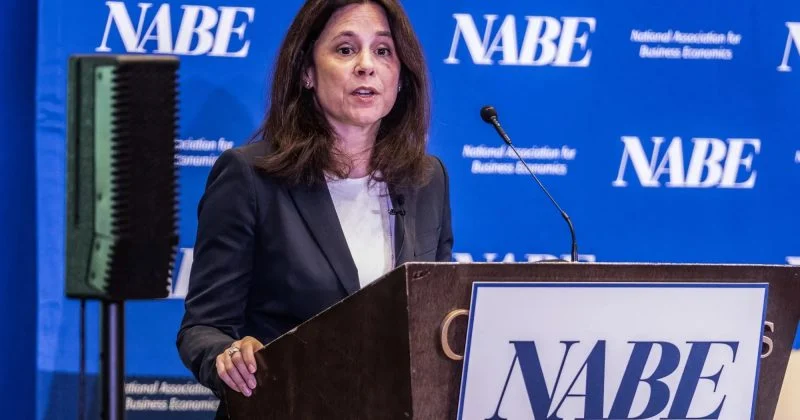
Dallas Fed President Lorie Logan wants to be very clear about one thing: don’t blame workers’ paychecks for rising prices. In remarks made on June 5, 2026, Logan stated that wages are not currently contributing to US inflation concerns, instead pointing the finger squarely at energy prices driven by geopolitical tensions, particularly the ongoing Iran conflict.
For crypto and risk-asset investors who have spent years parsing every syllable from Fed officials for clues about rate direction, this distinction matters. A lot. If wages were driving inflation, the Fed’s playbook would call for aggressive tightening to cool the labor market. But if energy is the culprit, the policy response gets murkier, and the implications for markets shift accordingly.
The AI data center wrinkle
Here’s where it gets interesting. Logan acknowledged that wages are rising in specific pockets of the economy, particularly in West Texas and across the border in Juarez, Mexico, where the construction of AI data centers has created localized labor demand surges.
But she drew a sharp line between regional spikes and national trends. Those localized increases, she argued, have not yet shown up in nationwide wage statistics. In English: a construction boom in the desert doesn’t mean your barista in Ohio is getting a raise.