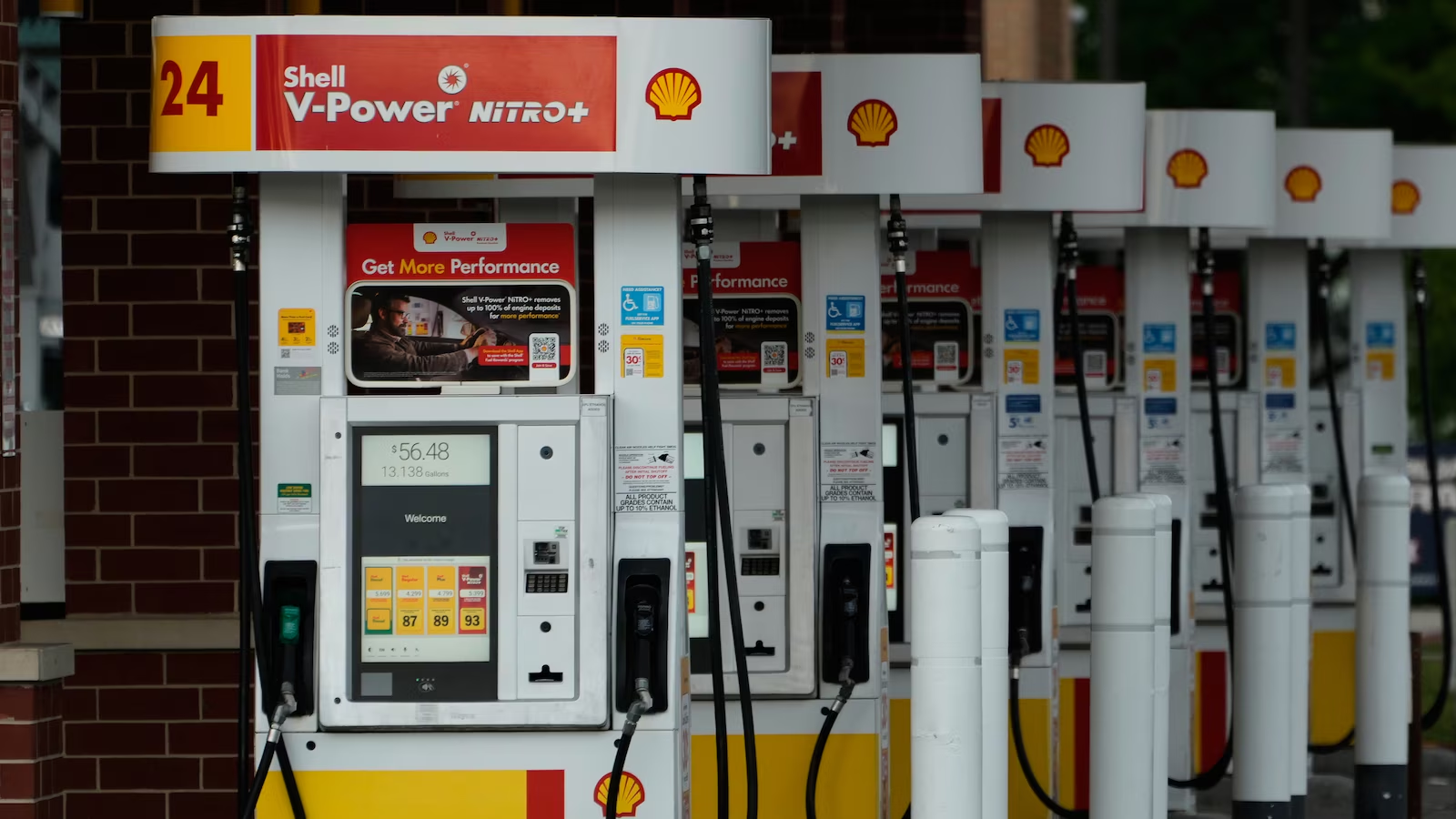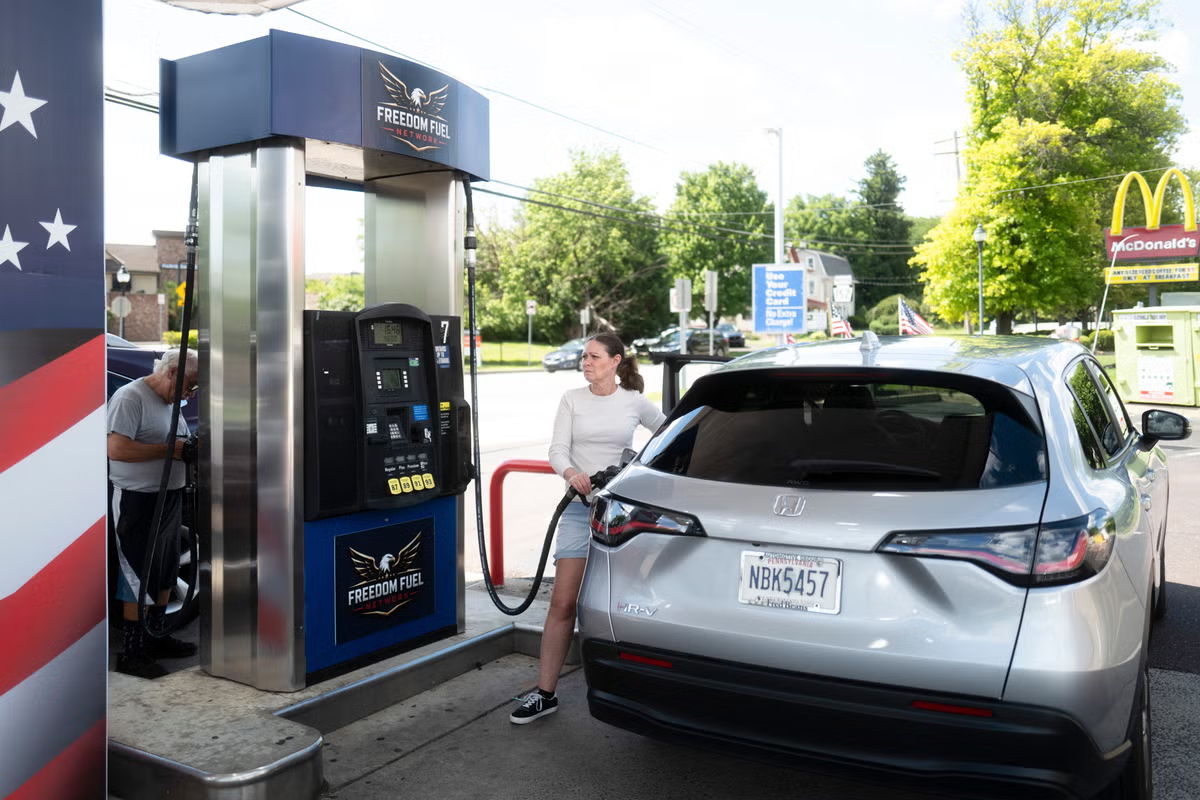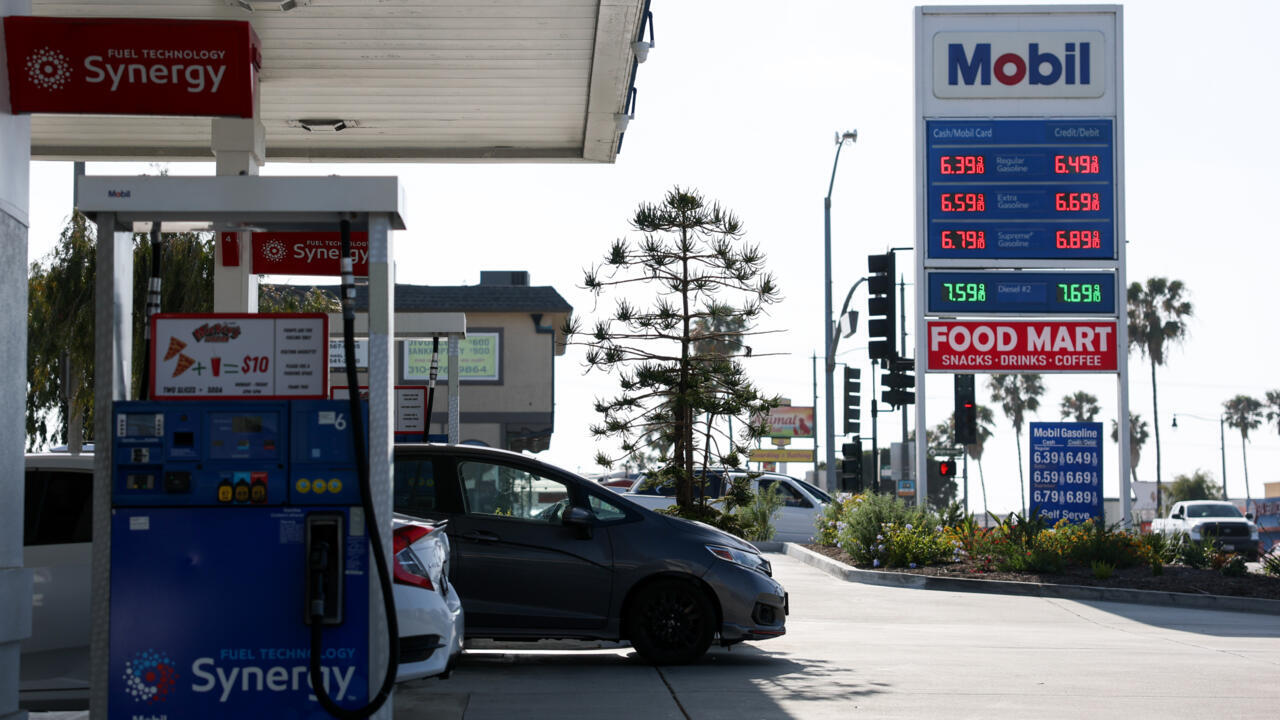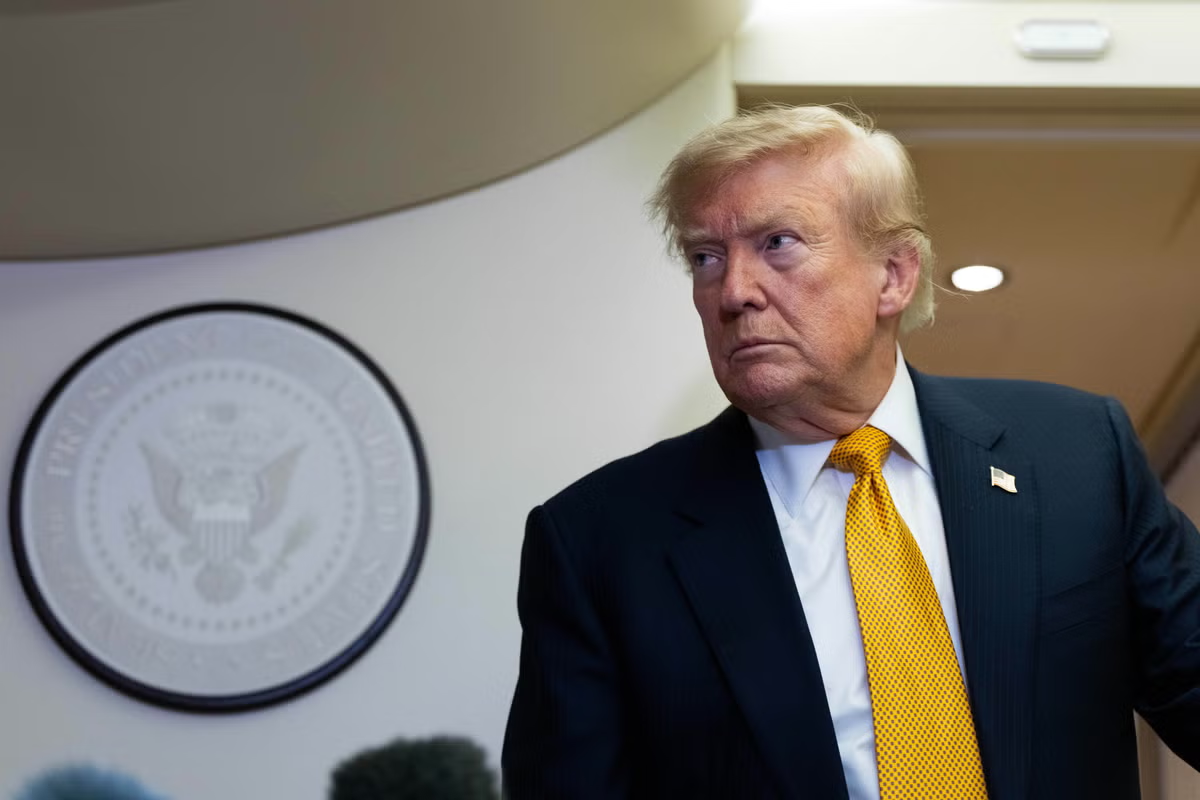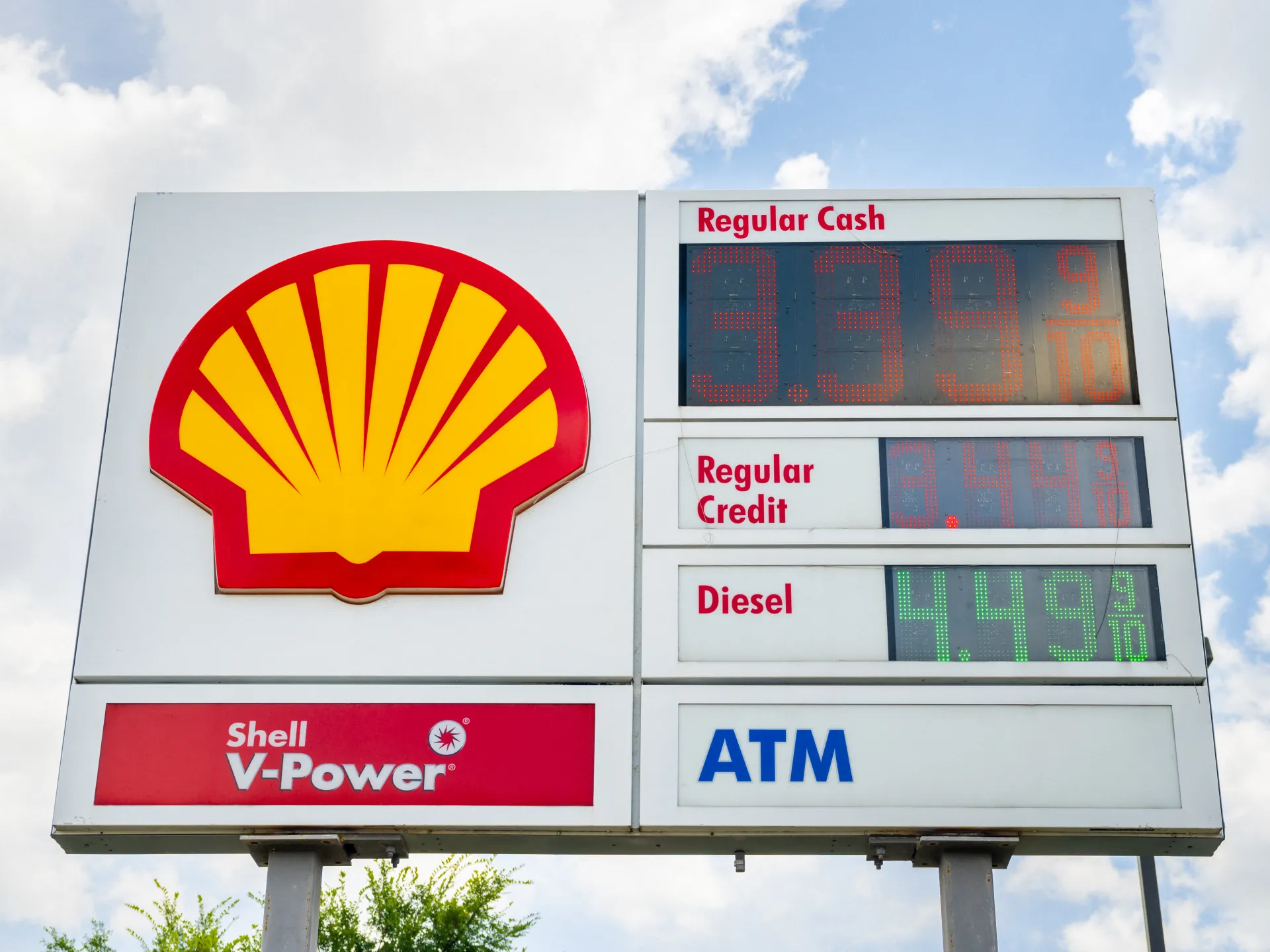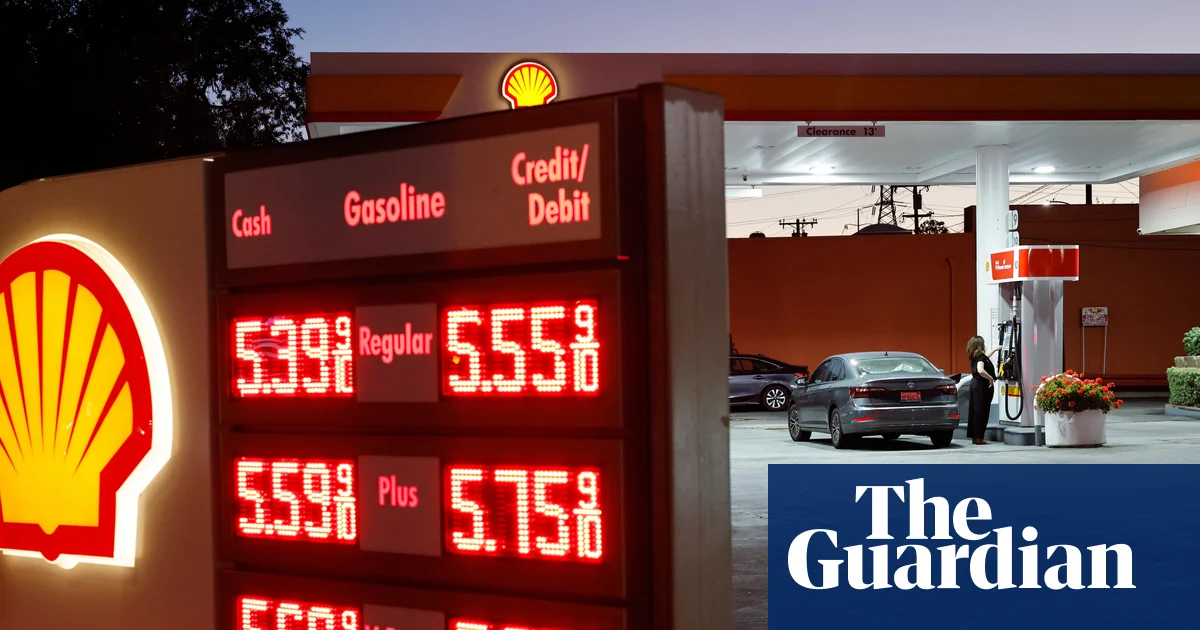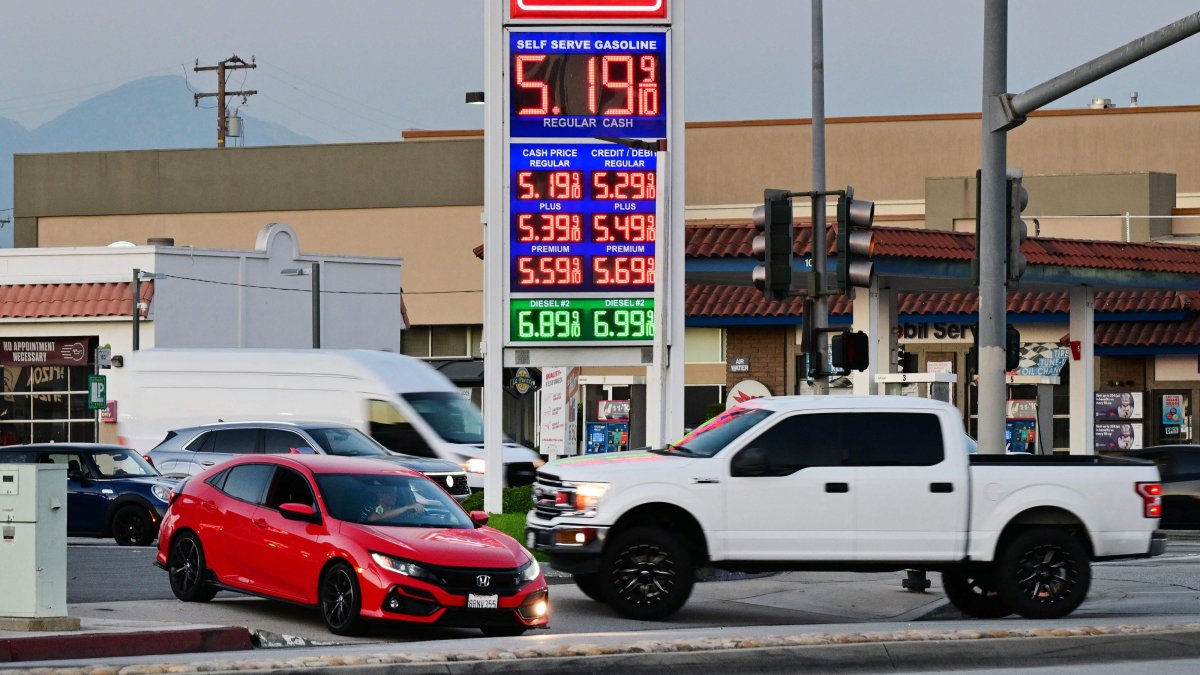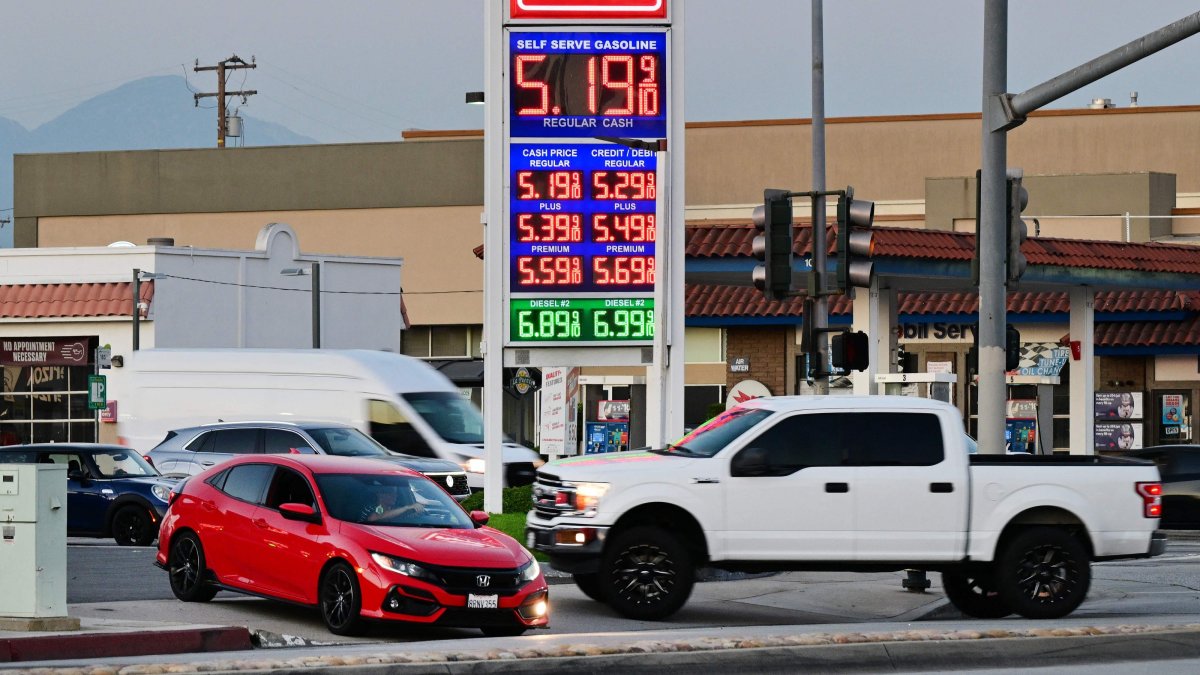
The U.S. Labor Department released the latest inflation report on Tuesday. The report showed that inflation cooled in June, giving the Federal Reserve more confidence that price pressures are easing. Consumer prices fell 0.4% from May to June, marking the biggest monthly drop in inflation in four years.US inflation cooled in June despite rising oil prices after Iran strikes (Photographer: David Paul Morris/Bloomberg) (Bloomberg)On a yearly basis, inflation slowed to 3.5% in June, down from 4.2% in May, showing that price growth is continuing to slow. The drop in inflation was mainly helped by lower prices for gasoline, clothing and used cars, the report showed. White House National Economic Council Director Kevin Hassett said falling energy prices were expected, but added that several other prices also declined because of President Donald Trump's policies.Oil prices rise after Iran strikesPresident Donald Trump also announced that the U.S. would renew the "Iranian Blockade" in the Strait of Hormuz, an important global shipping route. Trump said the United States would become the "Guardian of the Hormuz Strait." He said Iranian ships and countries buying from Iran would not be allowed to use the waterway, while other nations would continue receiving U.S. protection, according to the Katu ABC2 report.Trump also said countries using the Strait of Hormuz would have to pay the U.S. 20% of the value of their cargo to help cover the cost of protecting the shipping route. As tensions increased, Brent crude oil rose 4.6% to $87.13 per barrel on Tuesday.Core inflation stays lowU.S. gas prices also increased by about 6 cents per gallon over the past week, reaching a national average of $3.86 per gallon. Despite higher oil prices, core inflation, which removes food and energy prices because they change quickly, stayed flat in June. Economists see this as a sign that underlying inflation is continuing to cool.On a yearly basis, core inflation rose 2.6%, down from 2.9% in May, although it is still above the Federal Reserve's 2% inflation target. Economists told The Associated Press that the rise in gas prices caused by the Iran conflict has not spread across the wider economy, except for higher airfares and a few other costs.Also read: Why are oil and gas prices so high? US is the world's top oil producer and consumer explained"This reading is very much in the camp that the inflation we've had this year is transitory," Michael Metcalfe, head of macro strategy at State Street Markets, told The Associated Press. Metcalfe added, "Yes, gas prices went up, but nothing else did, more or less."Fed rate cut hopes growBecause inflation slowed, economists believe the report reduces pressure on the Federal Reserve to raise interest rates in the near future. The Federal Reserve had already kept its key interest rate unchanged in June, choosing not to raise borrowing costs. Federal Reserve Chair Kevin Warsh appeared before the House Financial Services Committee on Tuesday to present his first semi-annual Monetary Policy Report.Warsh defends Fed on inflationIn his prepared testimony, Warsh said the Federal Reserve has "no tolerance" for high inflation and believes it will become "a thing of the past."Hassett said the White House respects the Federal Reserve's independence and has confidence in Warsh's leadership. "We respect the independence of the Fed, especially now that Kevin Warsh is there. He's taken a lot of steps, you see. He appointed an advisory board filled with some of the greatest minds on Earth, and so we have high regard for their ability to watch the data and decide what to do. But boy, when they look at the data today, they're going to think, jeez, things are really moving in the right direction," Hassett said as quoted by Katu ABC2.Members of Congress were expected to question Warsh about the latest inflation report and what it could mean for the Federal Reserve's next interest rate decision.
Why cooling US inflation eases pressure on the Fed despite oil prices jumping after Iran strikes
US inflation cooled in June despite rising oil prices after Iran strikes, easing pressure on the Federal Reserve to raise interest rates.
641 words~3 min read