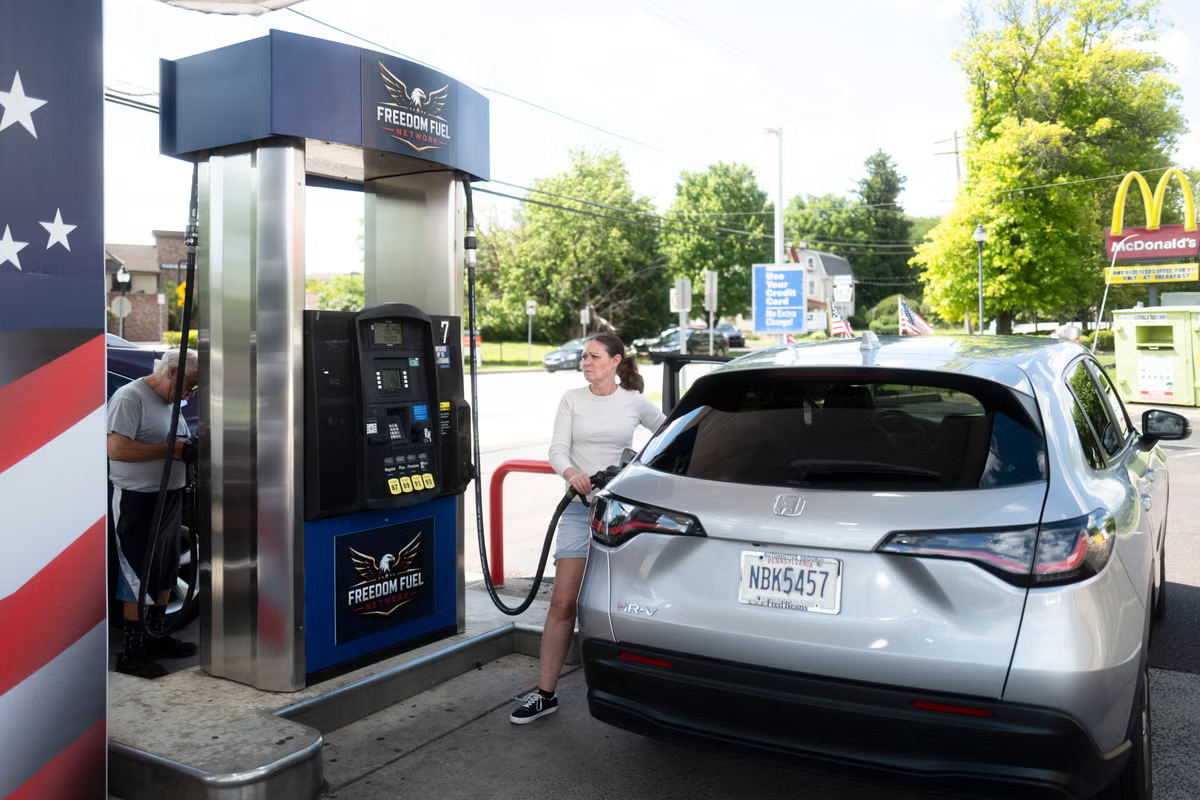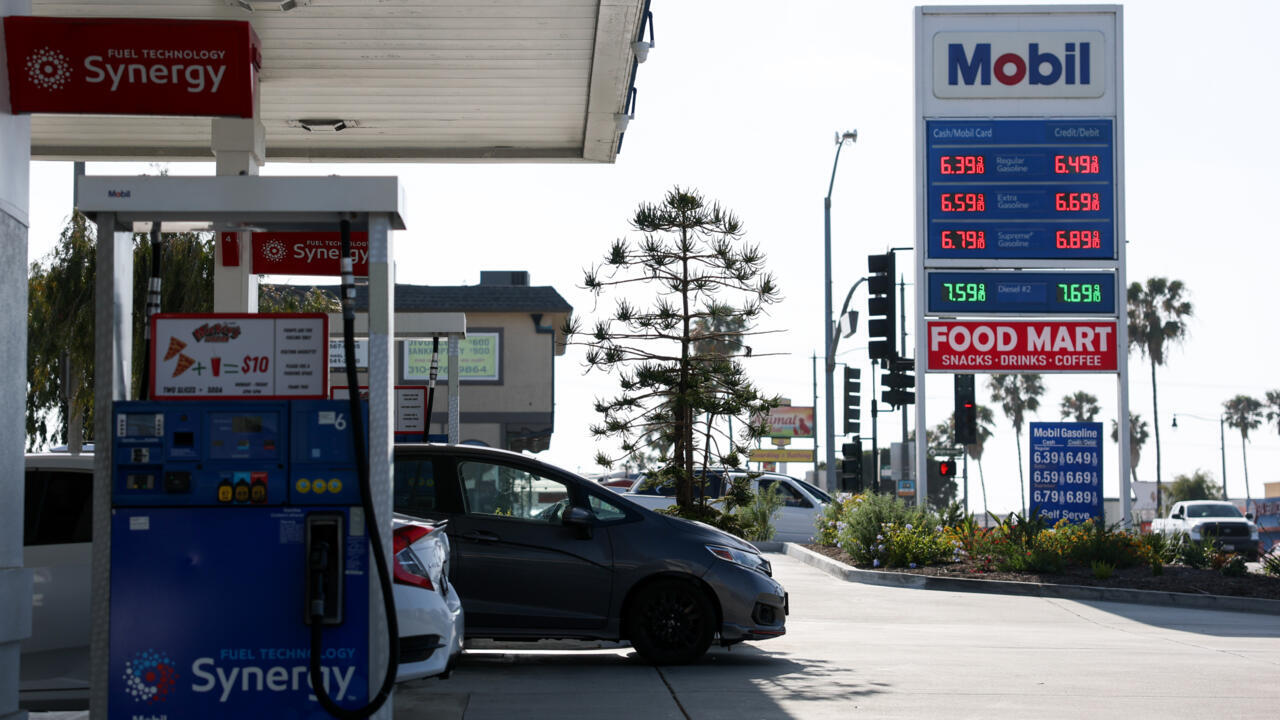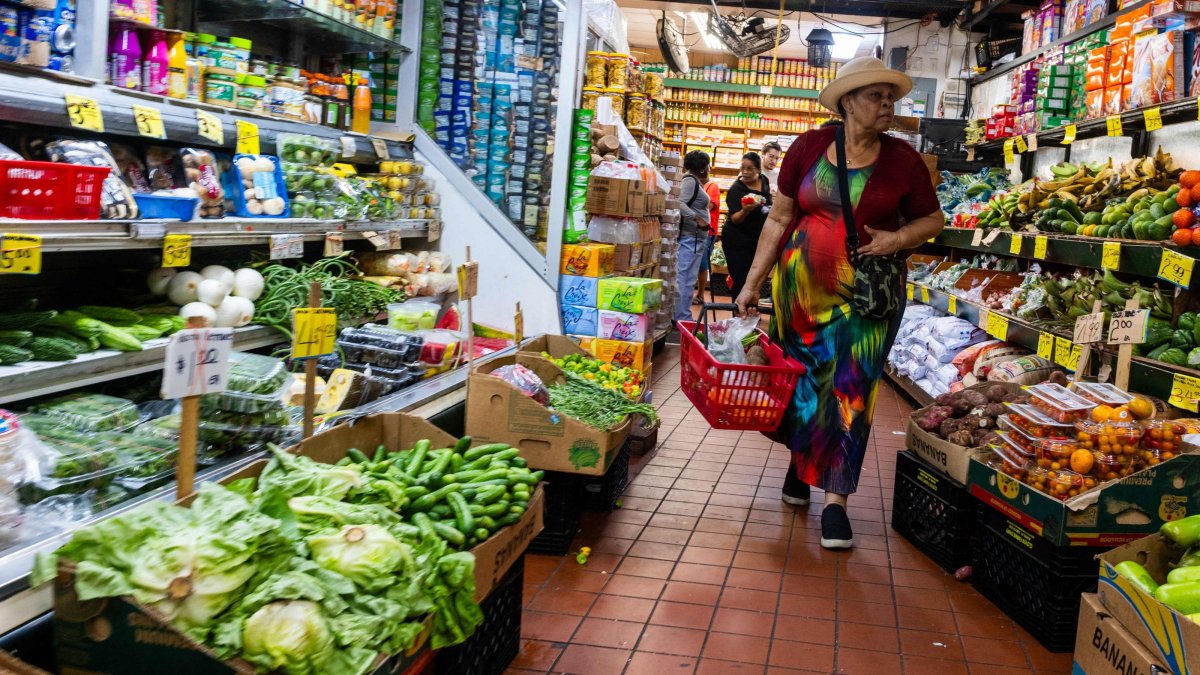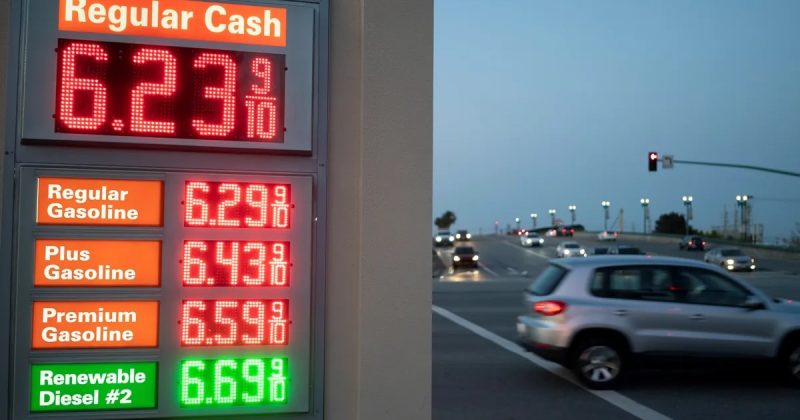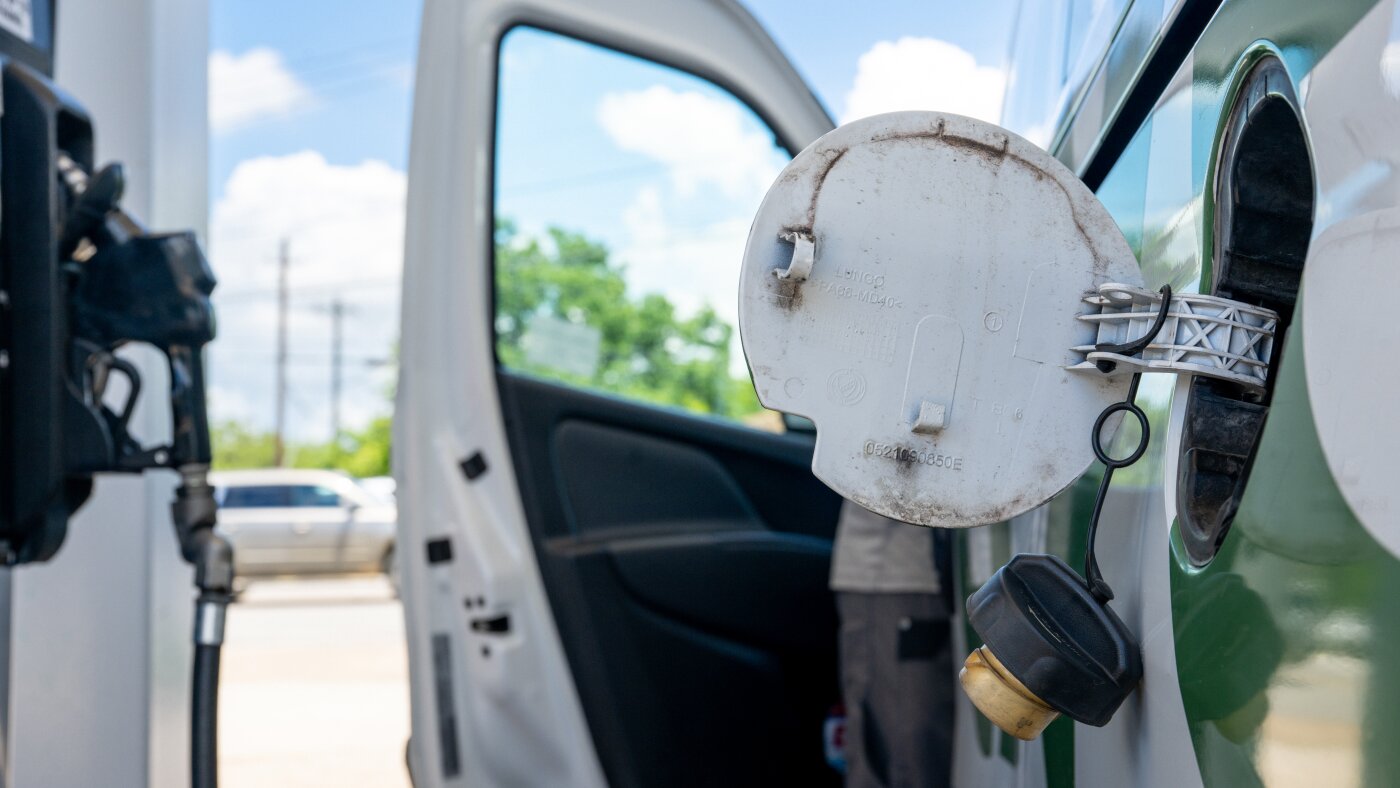
Washington: U.S. consumer inflation likely slowed in June, but that would probably offer little comfort to households or rule out an interest rate increase from the Federal Reserve this year, with the conflict in the Middle East still unresolved. The anticipated moderation in the Consumer Price Index would largely reflect a retreat in gasoline prices from multi-year highs as a fragile ceasefire between the U.S. and Iran took hold last month. That truce, however, collapsed last week after commercial tankers came under fire in the Strait of Hormuz, triggering military strikes between the United States and Iran. Gasoline prices have reversed course as a result, with the national average rising to $3.87 per gallon on Monday from $3.80 a week ago, data from motorist advocacy group AAA showed.President Donald Trump said on Monday the United States would reinstate its blockade on Iranian shipping in the Strait of Hormuz, a vital route for global oil supplies, that has become one of the main battlegrounds of the conflict."The pain level just went down from 10 to nine, consumers are still in a lot of pain," said Brian Bethune, an economics professor at Boston College. "We're not out of the woods yet."The Labor Department's Bureau of Labor Statistics is likely to report on Tuesday that the Consumer Price Index increased by a still-high 3.8% in the 12 months through June, a Reuters survey of economists predicted.Estimates ranged from as low as 3.6% to as high as 4.0%. The CPI surged 4.2% in May, the largest year-on-year rise since April 2023, which economists said was probably the peak. The U.S. central bank tracks the Personal Consumption Expenditures Price Indexes for its 2% inflation target. Inflation was last below 2% in early 2021. Minutes of the Fed's June 16-17 meeting published last week showed policymakers' concerns about inflation mounted last month. The Fed left its benchmark interest rate unchanged in the 3.50%-3.75% range at the June meeting, though new projections revealed a growing sentiment around a likely rate hike in 2026.Financial markets were pricing in a roughly 50.8% chance of the Fed raising borrowing costs at its September 15-16 policy meeting, according to CME's FedWatch tool.Consumer prices are expected to have dipped 0.1% over the month, which would be the first monthly drop since May 2020, after advancing 0.5% in May."The level of prices is still compounding, and even with some grocery stores talking about trying to get people back in with some price cuts, it won't probably lower their overall bill much because there will be other factors," said Diane Swonk, chief economist at KPMG. "People are still struggling to catch up." Average gasoline prices dropped to $4.18 a gallon from $4.61 in May, which was the highest level since July 2022, data from the U.S. Energy Information Administration showed. Prices remain well above their pre-war levels. The modest relief at the pump was likely offset by an anticipated pick up in food prices, following a marginal increase in May.HIGHER FOOD PRICES ARE EXPECTEDThe U.S.-Israel war with Iran has raised fertilizer prices and distribution costs and, together with dry conditions in some parts of the country, could drive up food prices later this year and into 2027, economists said.Excluding the volatile food and energy components, the CPI was forecast increasing 2.8% year-on-year in June after rising 2.9% in May. The so-called core CPI inflation was projected to have advanced 0.2% over the month, which would match May's gain.Some economists viewed the moderate increase in the core CPI as a positive sign. Though the renewed hostilities between the U.S. and Iran have raised oil prices, they remain below the levels reached in late April and early May."Most important for Fed officials is core inflation which is not directly affected by oil prices," said Andrew Hollenhorst, chief U.S. economist at Citigroup. "One concern was that higher energy costs would 'pass-through' to core inflation, but aside from somewhat stronger airfares, which should now reverse, higher oil prices did not significantly boost core." Other economists were, however, less sanguine saying the moderate core CPI readings were an indication of sticky underlying inflation that would keep a rate hike this year on the table, pointing to still elevated prices for inputs and longer supplier delivery times in business surveys. Producer price data has also suggested price increases are coming.In June, the monthly core CPI was seen lifted by higher prices for services, hotel and motel rooms, related to the FIFA World Cup. A rebound in motor vehicle insurance is expected after dropping in May by the most since October 2020. Moderate increases were expected in airfares and rents. Core goods inflation was likely flat over the month, with economists saying Apple price hikes late in June would likely show in July. They viewed the tariff pass-through as fading, though apparel prices likely rose and household furnishings rebounded."June's CPI report is unlikely to decisively lean toward or rule out the Fed tightening policy this year," said Samuel Tombs, chief U.S. economist at Pantheon Macroeconomics.
US consumer inflation likely increased at a slow pace in June as gasoline prices retreated
U.S. consumer inflation probably slowed in June, but rate hikes remain possible. Gasoline prices retreated from highs after a fragile ceasefire took hold. This truce collapsed, causing prices to reverse course and rise again. Higher food prices are also expected due to conflict and weather conditions. Core inflation, excluding food and energy, showed moderate increases.
834 words~4 min read