If approached with wisdom and balance, this investigation may ultimately be remembered not as another confrontation with Big Tech, but as the moment Nigeria began redefining the relationship between technology, artificial intelligence and journalism for the digital age.
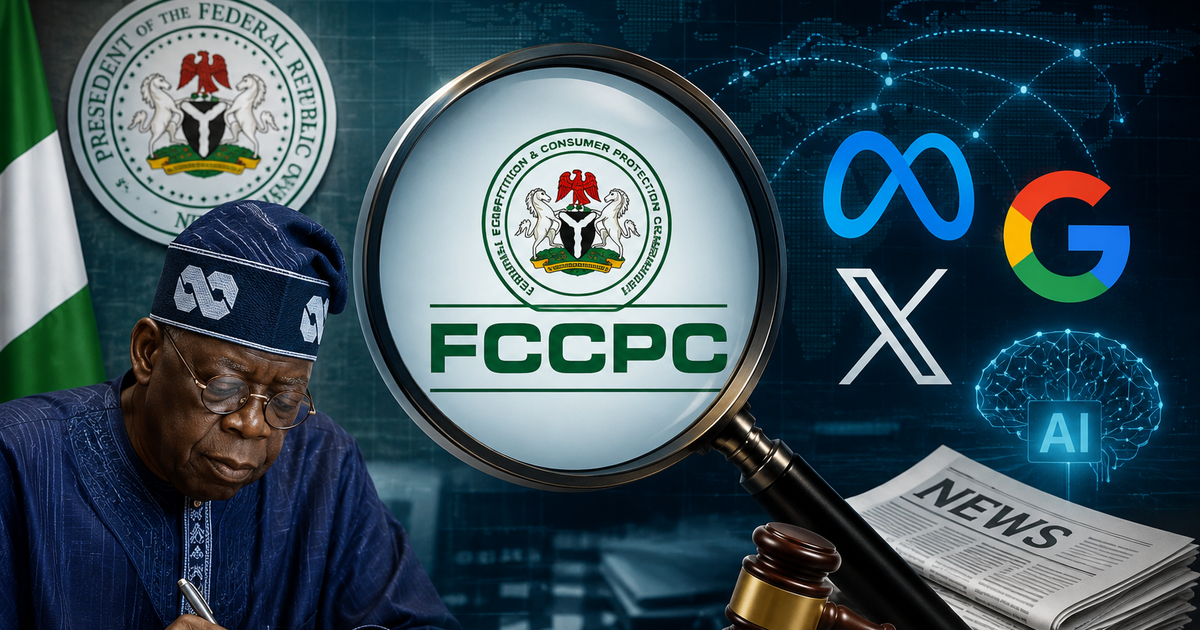
When Nigeria announced an investigation into Google, Meta, X and several generative artificial intelligence platforms, many viewed it as yet another regulatory confrontation with global technology companies. I believe it represents something far more significant. It is one of the most consequential tests of Nigeria’s digital policy in recent years, because its outcome could determine whether the country’s media industry remains economically viable in an era in which technology platforms increasingly control how news is discovered, distributed and monetised.
At first glance, the complaint filed by the Nigerian Press Organisation appears to centre on lost advertising revenue. In reality, it raises a much deeper question: have technology companies built enormously profitable businesses by relying on journalism they neither produce nor adequately compensate?
It is necessary to point out that the National Information Technology Development Agency (NITDA) regulates global tech giants and large digital platforms operating in Nigeria primarily through its Code of Practice for Interactive Computer Service Platforms/Internet Intermediaries. These guidelines mandate local registration, data compliance, and the removal of harmful, illegal, or misleading content.