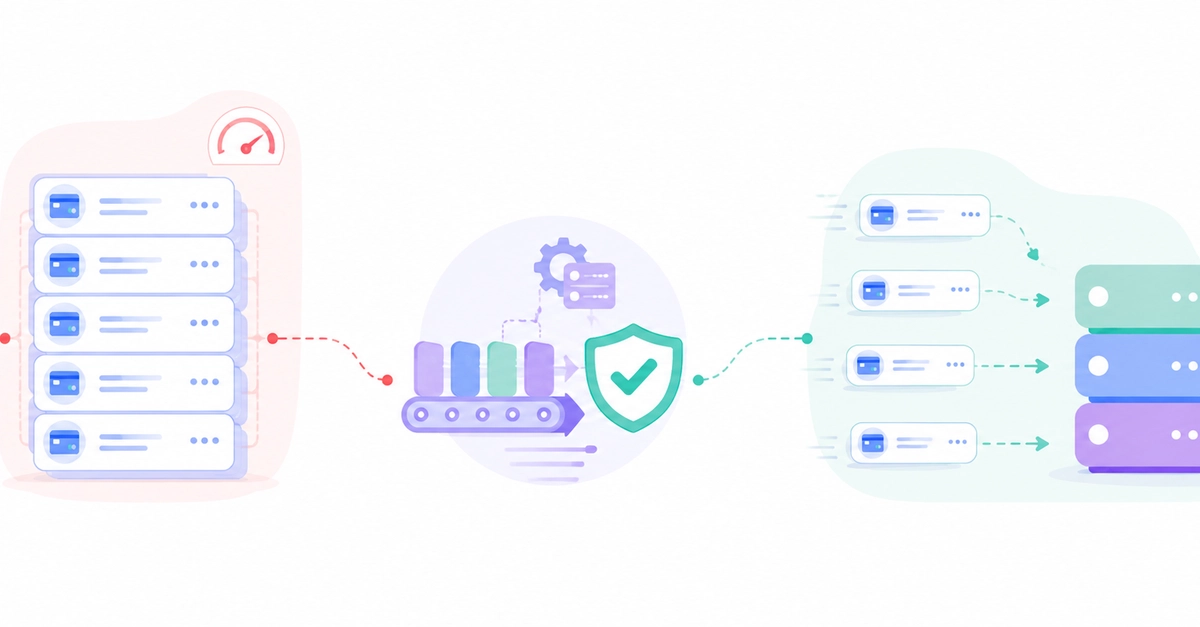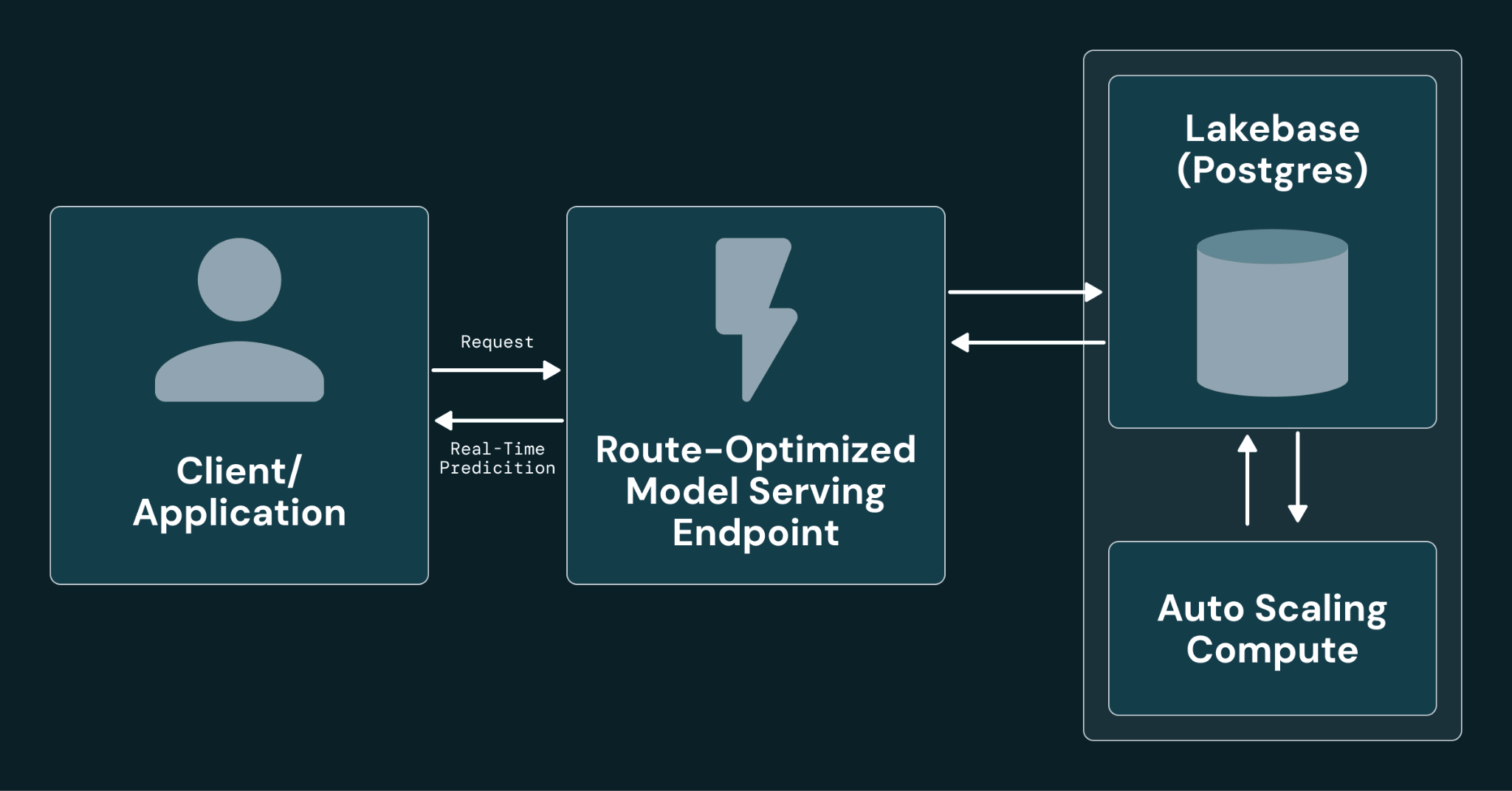
A walkthrough of a Databricks App combining Model Serving route optimization, Lakebase, and autoscaling to score transactions in tens of milliseconds, with code and benchmarks at every layer.
by Harsha Pasala and Subhadip Chanda
You're standing at the register. You tap your card. A tiny spinner appears for maybe half a second, maybe less, and then it says Approved. Or it doesn't.
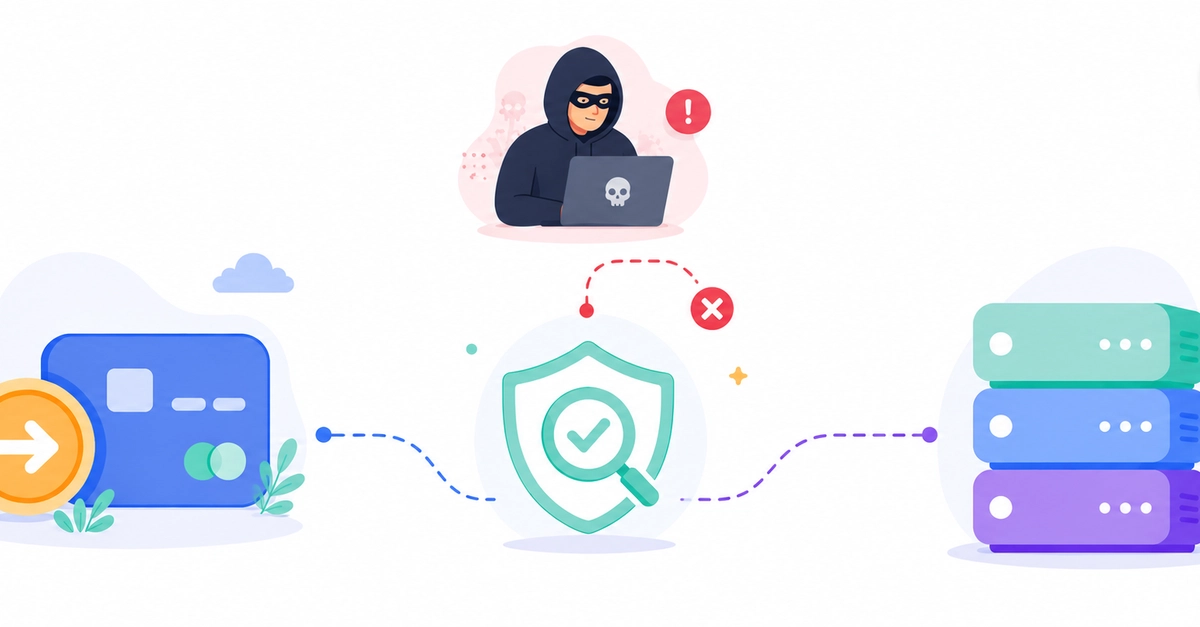
During that time, something had to decide whether this charge looks like you, or like someone who stole your card number in a data breach six months ago. It had to know things about you: your spending patterns, your daily limit, whether you even allow purchases from other countries. And it had to do all of that fast enough that you didn't notice it happened.
This post is about what that "something" looks like when you build it on Databricks. We'll walk through retail-app, a sample application (FastAPI backend, React frontend, deployed as a Databricks App) that brings two platform capabilities together: