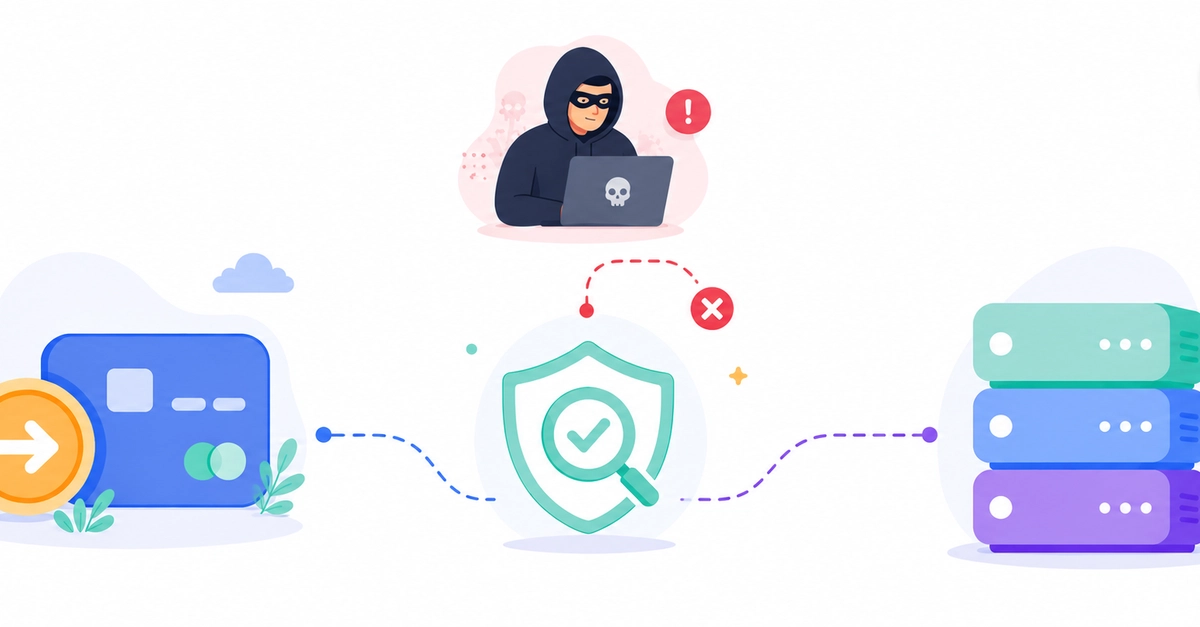
A payment comes in through an instant payment rail. It has to settle in seconds, not minutes, not hours. Somewhere inside that tiny window, a bank or fintech has to decide whether this transaction looks suspicious enough to hold, question, or block, before the money is gone and settlement is final. There is no quiet background job that can check this later, because by the time a later check would run, the payment has already cleared.
This is the real shift that instant payment rails like FedNow and RTP have forced onto fraud detection. Fraud checks used to have some breathing room, a batch job overnight, a review the next morning. Instant settlement removes that breathing room completely, and a backend that cannot make a fast, reliable decision in that moment is a backend that either blocks legitimate payments out of caution, or lets suspicious ones through because checking properly took too long.
Why fraud detection has to run inline, not after the fact
The instinct from older systems is to record the transaction, let it settle, and flag anything suspicious afterward for a human to look at. That approach assumes there is time after settlement to act, and with instant payments, there usually is not. Fraud detection for these rails needs to sit directly in the path of the transaction, before settlement is confirmed, which means it has to be fast and structured cleanly, not bolted on as an afterthought.