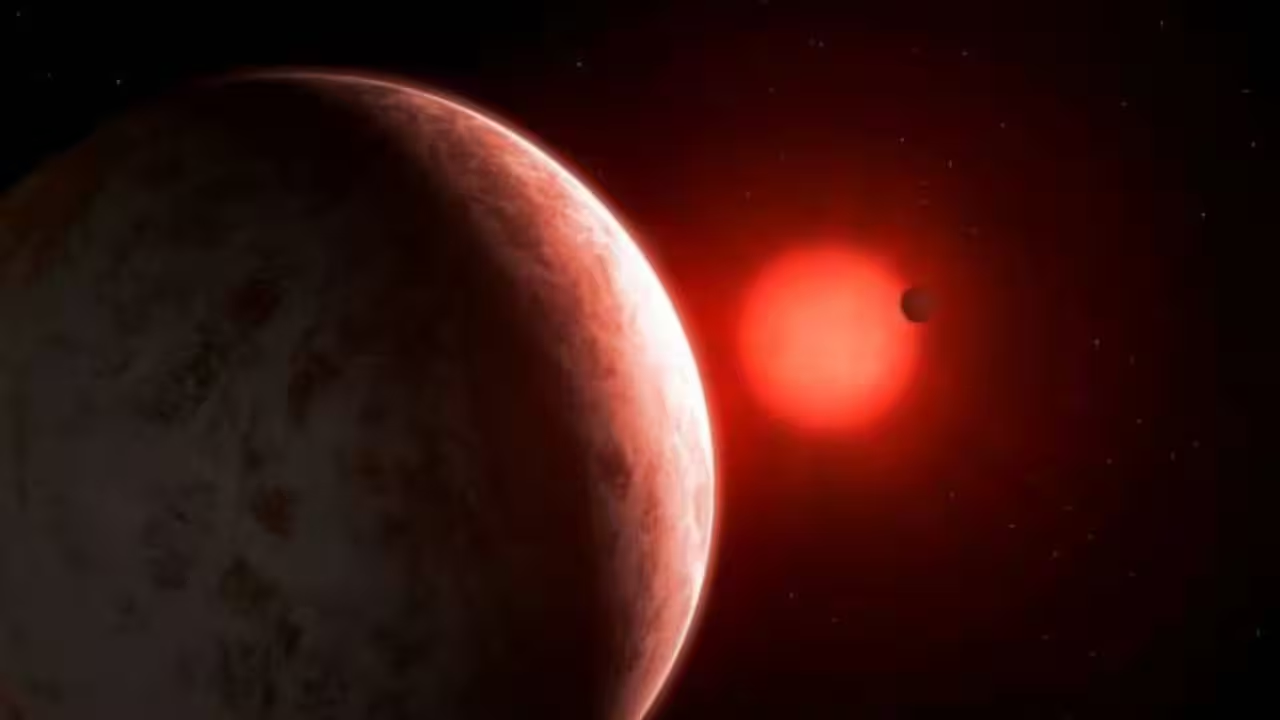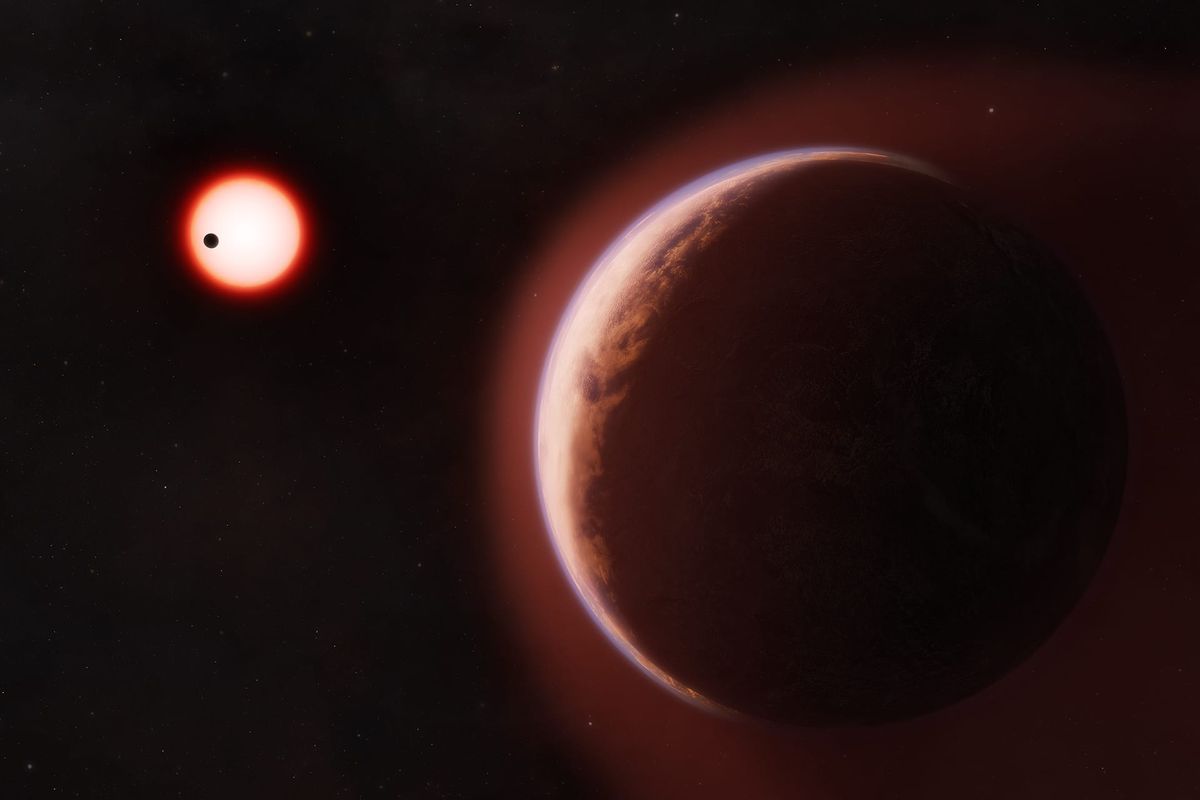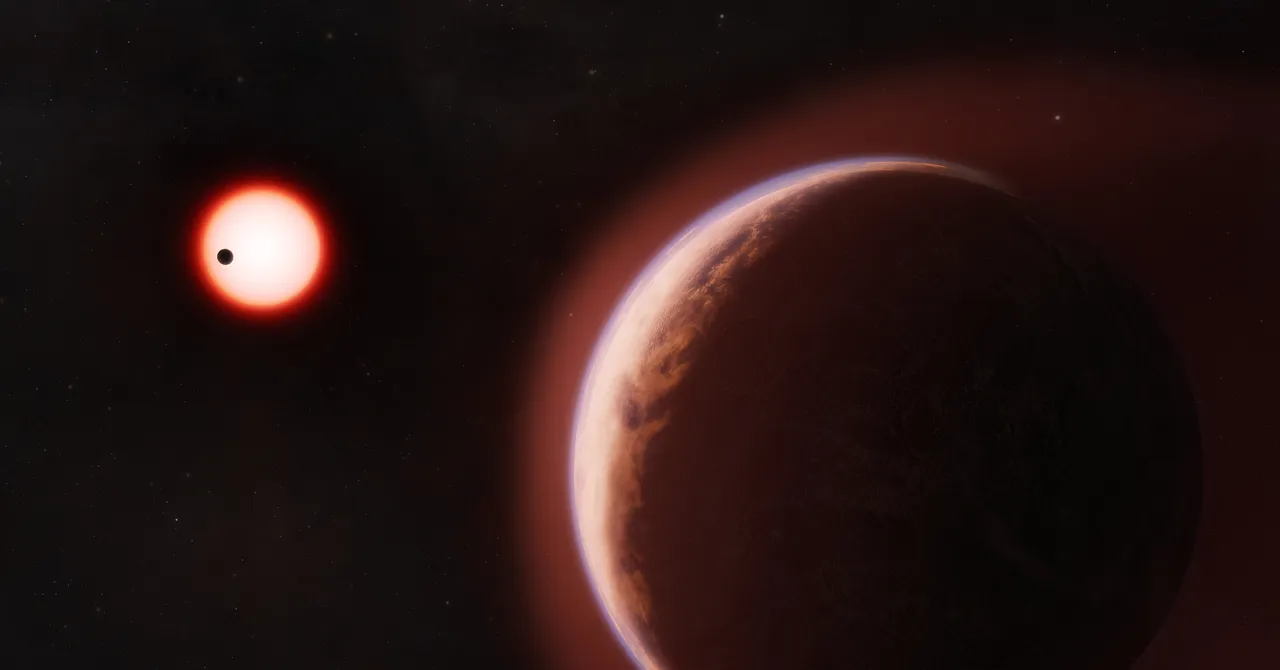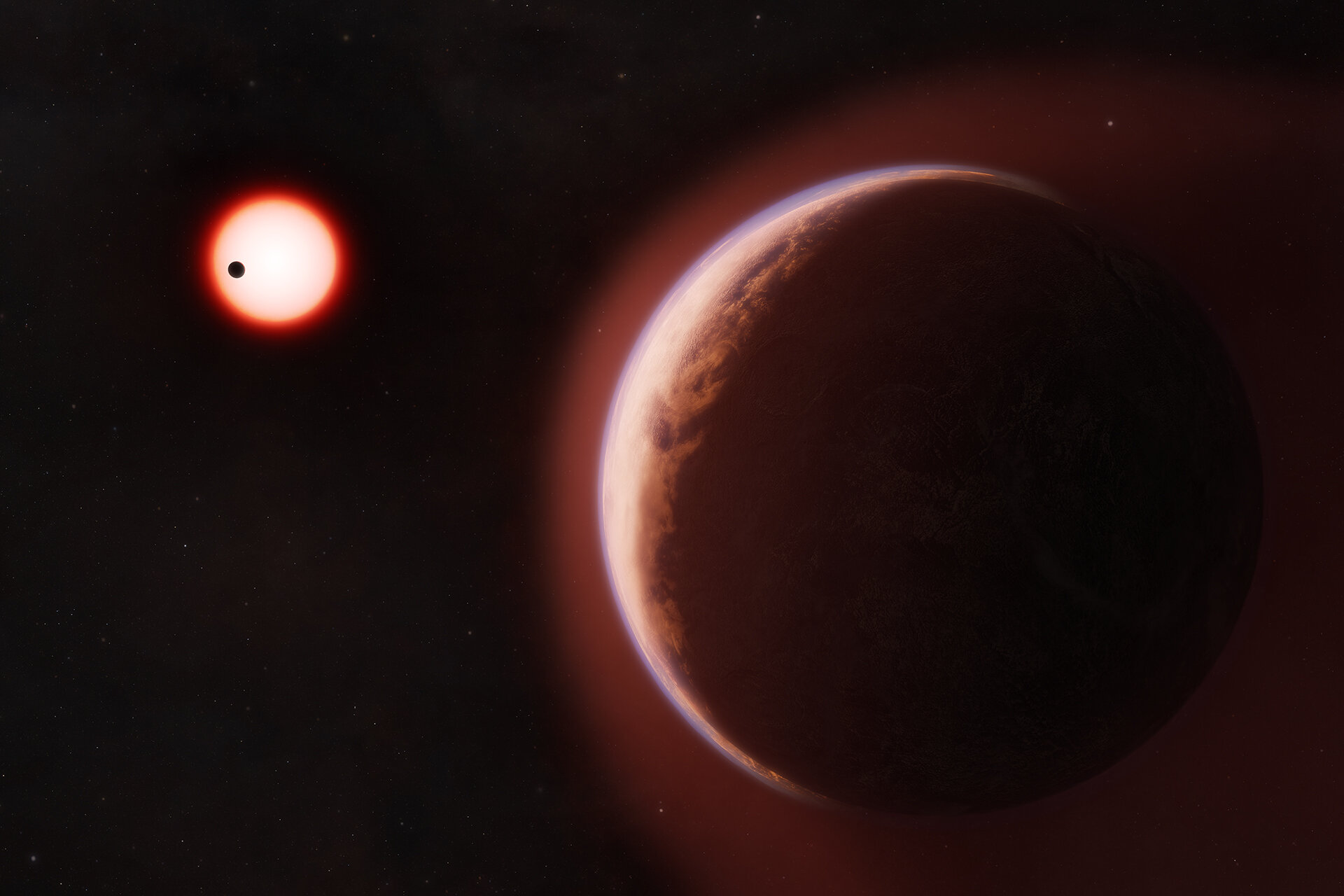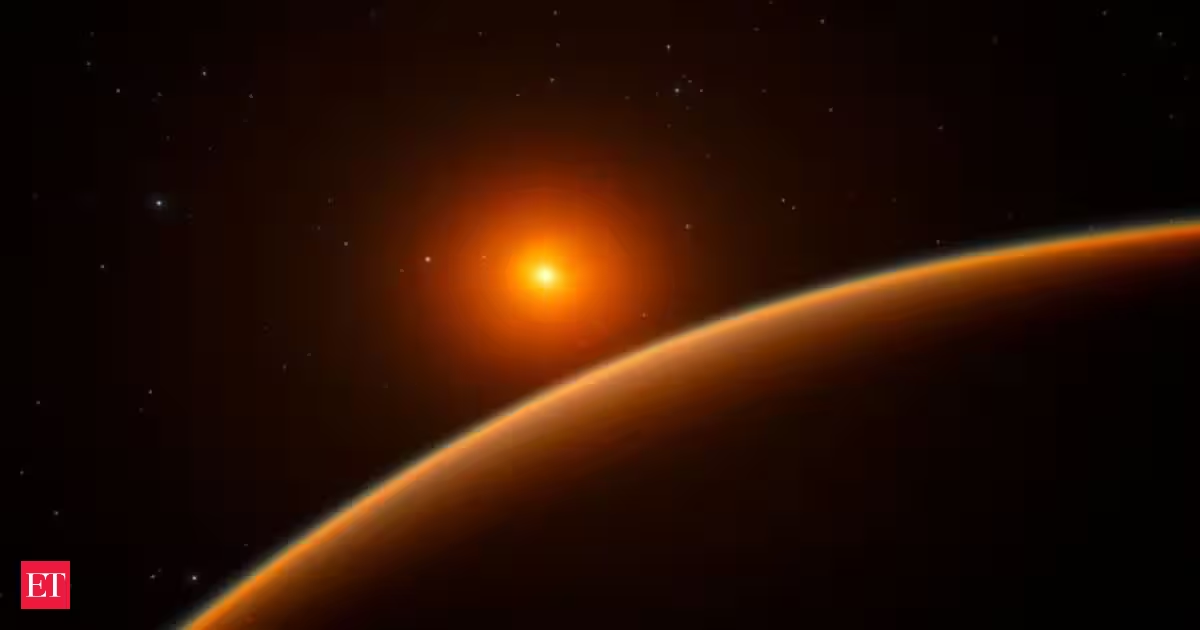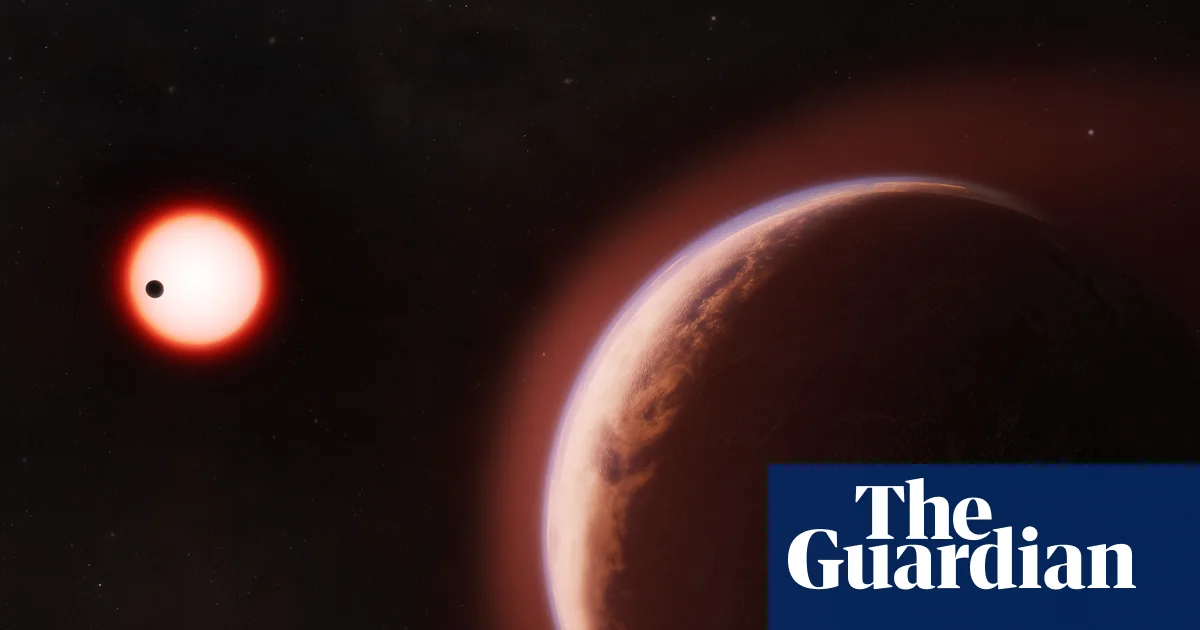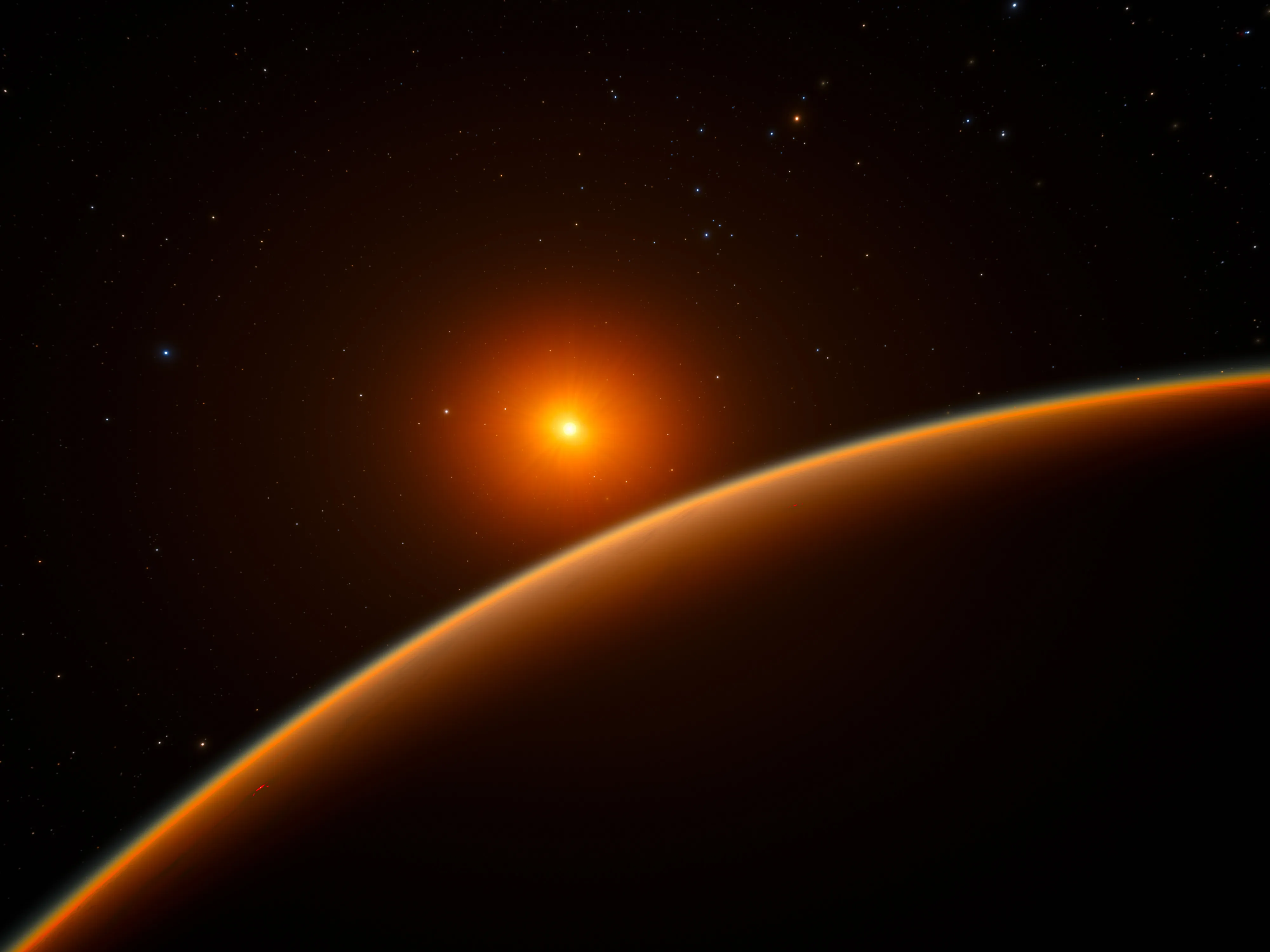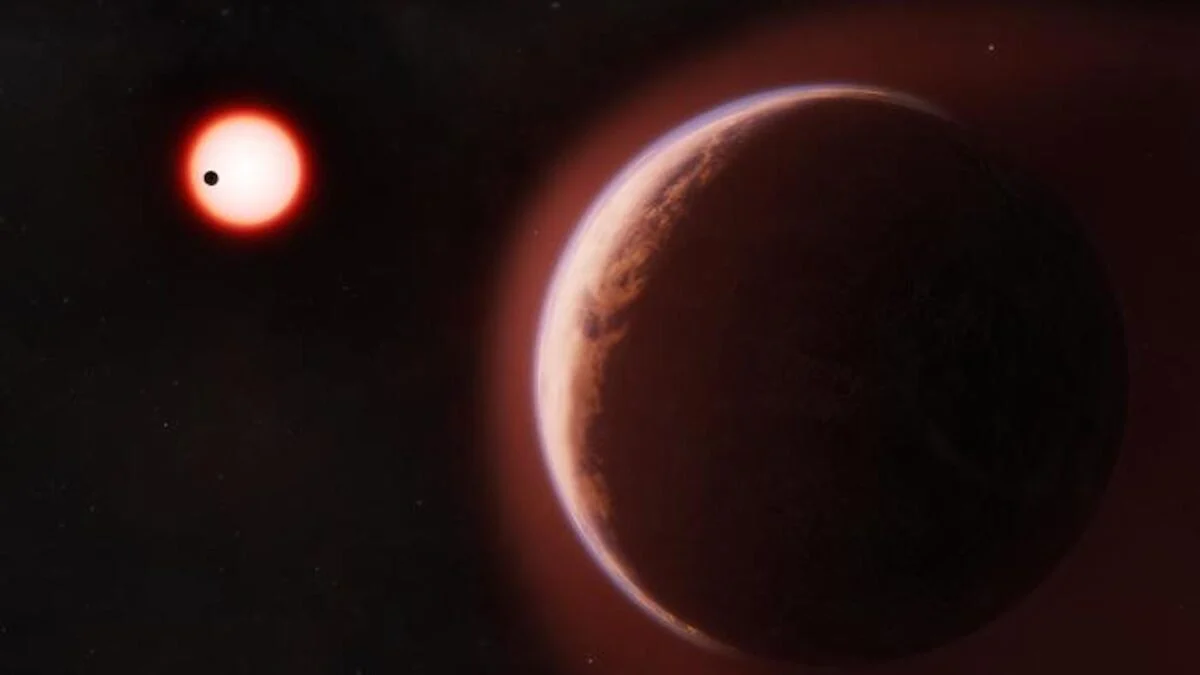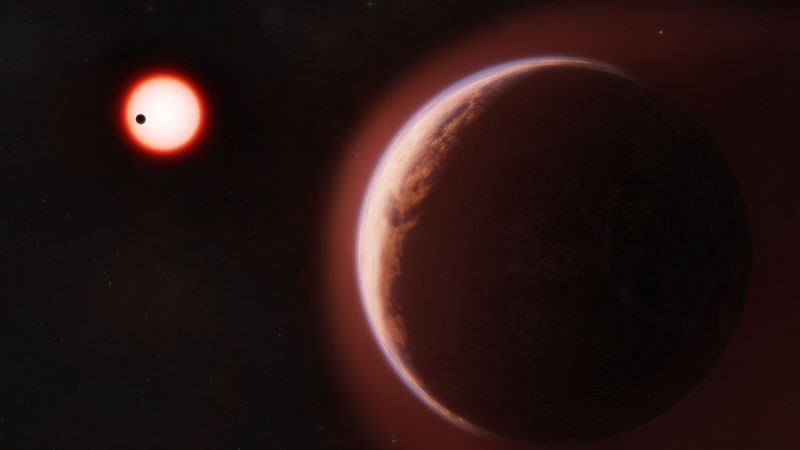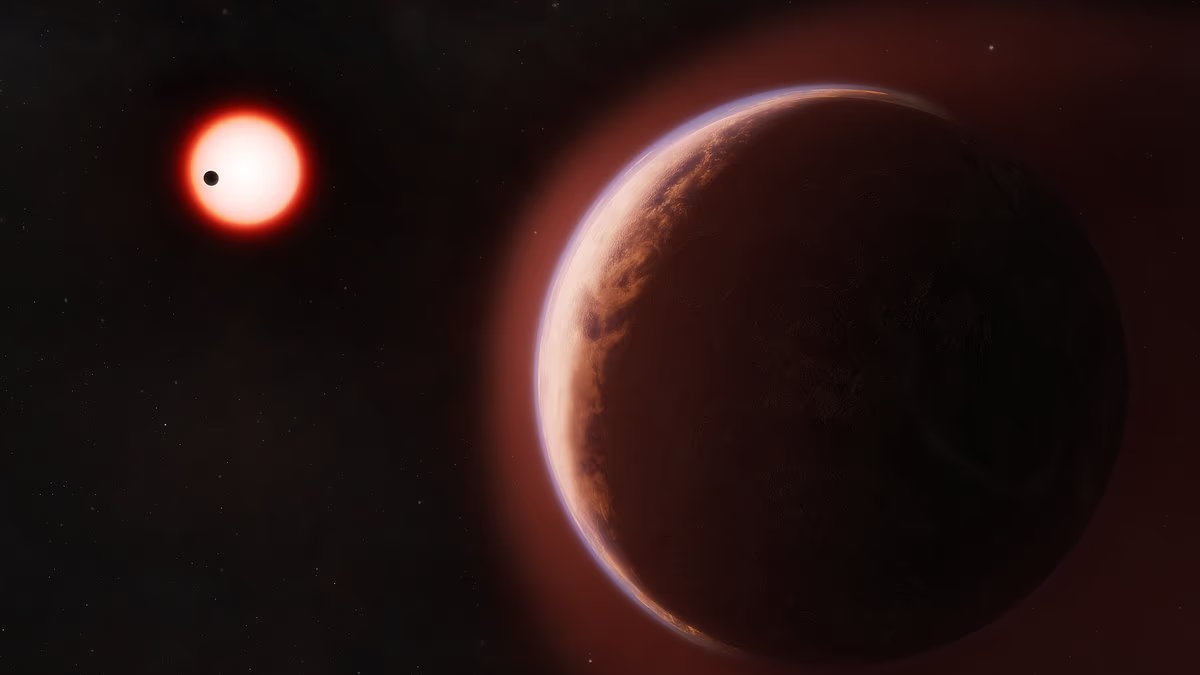
It's one of the biggest unanswered questions in science: if there is life beyond Earth, where is it hiding?Now, scientists think they may have the answer. Experts from Harvard University have discovered a 'super–Earth' 48–light years away that may have the right conditions for alien life. Called LHS 1140 b, the planet is rocky, and orbits within its star's habitable zone. Crucially, scientists have confirmed that the planet has an atmosphere, which is vital for supporting life. 'An atmosphere is essential for a planet to support life as we know it,' said lead author Dr Collin Cherubim.'This is the first time anyone has found an atmosphere on a rocky planet in the habitable zone of another star.' Experts from Harvard University have discovered a 'super–Earth' 48–light years away that may have the right conditions for alien lifeThrough the years, scientists have discovered thousands of exoplanets – including a few rocky worlds that sit within their stars' habitable zone. However, until now, determining whether or not those planets have atmospheres has remained a challenge. In their new study, the team honed in on LHS 1140 b – a planet discovered in 2017 that orbits a red dwarf star 48 light–years away. With a mass just 5.6 times that of Earth and a radius about 1.7 times Earth's, it's not dissimilar to our own planet – making it an enticing candidate for alien life. 'Red dwarf stars present a good opportunity for this kind of search because they are small and cool, so habitable–zone planets orbiting these stars are relatively accessible using the transit method, where we detect tiny, periodic dips in the host star's brightness every time the planet passes in front of it from our point of view,' explained study co–author, Dr Shreyas Vissapragada. 'However, atmospheric signals from species like water and carbon dioxide – usually found in a planet's lower atmosphere – are extremely subtle and challenging to detect in these habitable–zone planets, even for flagship observatories like the JWST [James Webb Space Telescope]. 'So, our team decided on a different approach: to search for helium in the upper atmosphere, where signals can be a bit easier to detect.' To test for helium, the team used the Warm Infrared Echelle (WINERED) Spectrograph on the Magellan Observatory in Chile. They observed a rare alignment, where LHS 1140 b and another planet transited their star on the same night.One planet showed no evidence of an atmosphere. However, the other, LHS 1140 b, had helium escaping from around it, confirming that it retains an atmosphere. 'This was clear evidence of an atmosphere on a habitable-zone exoplanet,' Dr Vissapragada said. 'It was an absolute thrill to see the transit spectra and slowly realize the implications of what we were looking at.' According to the researchers, the planet's atmosphere has likely survived for more than three billion years. The team now plan to carry out further investigations to understand whether or not it could have aliens. 'Twenty years ago we wondered whether other terrestrial–type planets even existed,' said Robin Wordsworth, an author of the study. 'Then we learned they're common, and found some in the habitable zone. 'The next question was whether any of them had managed to keep an atmosphere. 'Now we know at least one has.' KEY DISCOVERIES IN HUMANITY'S SEARCH FOR ALIEN LIFE Discovery of pulsarsBritish astronomer Dame Jocelyn Bell Burnell was the first person to discover a pulsar in 1967 when she spotted a radio pulsar.Since then other types of pulsars that emit X-rays and gamma rays have also been spotted.Pulsars are essentially rotating, highly magnetised neutron stars but when they were first discovered it was believed they could have come from aliens.'Wow!' radio signalIn 1977, an astronomer looking for alien life in the night sky above Ohio spotted a radio signal so powerful that he excitedly wrote 'Wow!' next to his data. In 1977, an astronomer looking for alien life in the night sky above Ohio spotted a radio signal so powerful that he excitedly wrote 'Wow!' next to his dataThe 72-second blast, spotted by Dr Jerry Ehman through a radio telescope, came from Sagittarius but matched no known celestial object.Conspiracy theorists have since claimed that the 'Wow! signal', which was 30 times stronger than background radiation, was a message from intelligent extraterrestrials.Fossilised Martian microbesIn 1996 Nasa and the White House made the explosive announcement that the rock contained traces of Martian bugs.The meteorite, catalogued as Allen Hills (ALH) 84001, crashed onto the frozen wastes of Antarctica 13,000 years ago and was recovered in 1984. Photographs were released showing elongated segmented objects that appeared strikingly lifelike. Photographs were released showing elongated segmented objects that appeared strikingly lifelike (pictured)However, the excitement did not last long. Other scientists questioned whether the meteorite samples were contaminated. They also argued that heat generated when the rock was blasted into space may have created mineral structures that could be mistaken for microfossils. Behaviour of Tabby's Star in 2005 The star, otherwise known as KIC 8462852, is located 1,400 light years away and has baffled astronomers since being discovered in 2015.It dims at a much faster rate than other stars, which some experts have suggested is a sign of aliens harnessing the energy of a star. The star, otherwise known as KIC 8462852, is located 1,400 light years away and has baffled astonomers since being discovered in 2015 (artist's impression)Recent studies have 'eliminated the possibility of an alien megastructure', and instead, suggests that a ring of dust could be causing the strange signals.Exoplanets in the Goldilocks zone in 2017 In February 2017 astronomers announced they had spotted a star system with planets that could support life just 39 light years away.Seven Earth-like planets were discovered orbiting nearby dwarf star 'Trappist-1', and all of them could have water at their surface, one of the key components of life.Three of the planets have such good conditions, that scientists say life may have already evolved on them. Researchers claim that they will know whether or not there is life on any of the planets within a decade, and said: 'This is just the beginning.'
Rocky 'super-Earth' 48 light-years away could be habitable
Experts from Harvard University have discovered a 'super-Earth' 48-light years away that may have the right conditions for alien life.
1,016 words~5 min read