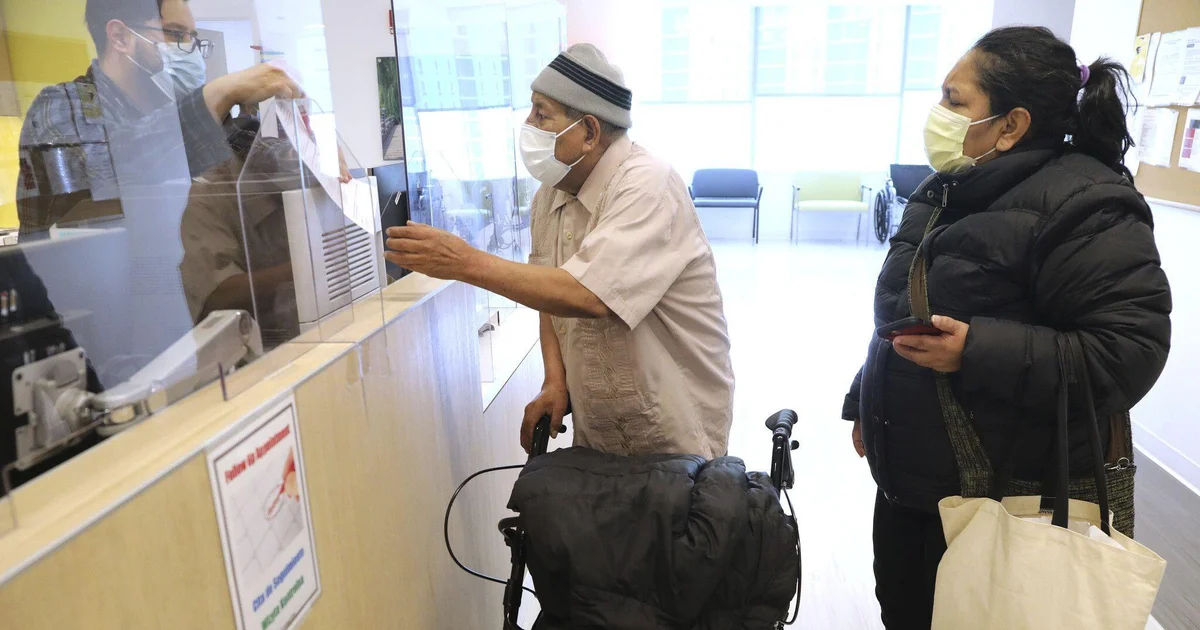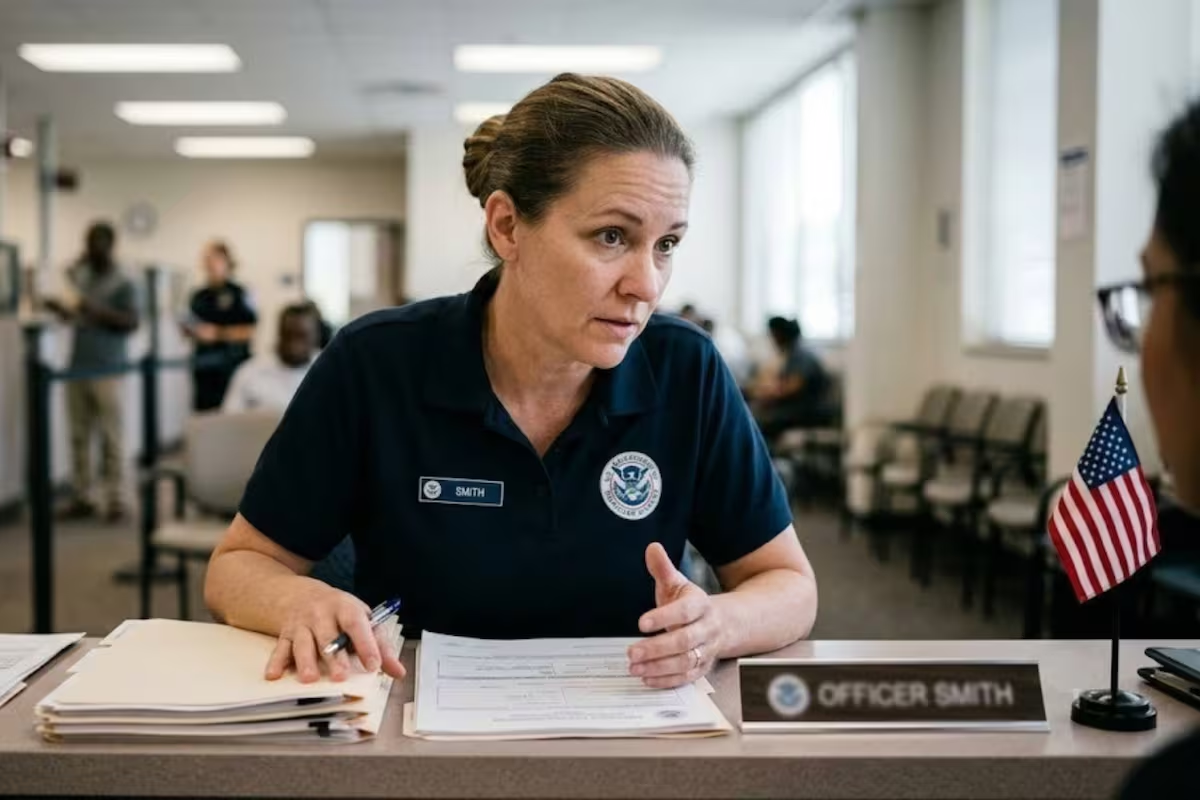
U.S. Citizenship and Immigration Services, the DHS department that oversees green cards, is set to examine applicants’ use of welfare benefits such as Medicaid, food stamps, and housing assistance as factors when deciding whether to grant individuals legal status. The development comes as the latest in a series of moves USCIS has made to tighten green card eligibility, including recently requiring applicants to seek the status only from their home country. The government “is reaffirming the requirement of self-reliance, protecting public resources and ending policies that encouraged dependency on the backs of hard-working American taxpayers,” USCIS Director Joseph Edlow told CBS News. “Under President [Donald] Trump, USCIS is restoring the basic principle that immigrants must be able to support themselves.”
The rule is expected to affect hundreds of thousands of applicants seeking permanent status within the United States. The rule was filed for public inspection on Thursday and is slated to take effect in 60 days to allow the agency to update paperwork and prepare for the change. Benefits received by an applicant’s family members will not be treated as the applicant’s own, though officers may still consider them when assessing the applicant’s finances, USCIS officials said.Under the Biden administration, DHS primarily considered only cash welfare payments meant to cover basic living expenses and long-term institutional care paid for by the government when examining whether green card hopefuls posed a possible “public charge” to the country. The Trump administration’s updated rule will return to the broader criteria on welfare use applied during the president’s first term. The Washington Examiner reached out to USCIS for comment. The looming rule change comes as the Trump administration’s latest move to clamp down on immigration levels in the U.S. As part of that effort, Washington has engaged in a sweeping deportation operation targeting illegal immigrants. Immigration and Customs Enforcement completed the most arrests in its history last month, border czar Tom Homan revealed earlier this week, with immigration authorities aiming to detain at least 2,000 people per day moving forward, according to ABC News. Tactics used by ICE officers continue to stoke controversy, most recently after two fatal incidents in Maine and Texas. In both cases, ICE officers killed people who were not the target of the original operation. DHS said Lorenzo Salgado Araujo tried to ram ICE officers with his vehicle and that Johan Sebastian Guerrero sought to flee after officers tried to pull both men over in traffic stops, leading officers to fear for their safety.The government’s narrative has been highly disputed. Democrats have expressed concern that evidence denied similar self-defense claims DHS made in two cases in Minneapolis in January, regarding the deaths of Renee Good and Alex Pretti. Some Republicans have also expressed concern, with Gov. Greg Abbott (R-TX) issuing a forceful statement on Wednesday calling on federal immigration authorities to abstain from “shooting people” during operations, over one week after Texas erupted over Araujo’s death in Houston. BORDER PATROL CHIEF MIKE BANKS ANNOUNCES SUDDEN RETIREMENTThough Trump protested, Homan said earlier this week that DHS would invoke a temporary pause on ICE traffic stops, conceding that a review of tactics used during the controversial incidents is needed.“Look, last couple of shootings, ICE leadership, along with DHS, wants to look at these last couple incidents, and look, is there something that could have been done better? Is there any training that could be improved?” Homan said during an interview on Fox News. “Or, simply, is ICE doing their job, and bad things happen when people don’t comply with law enforcement officers? I think it’s going to be a short pause, and I am confident that ICE is well-trained in vehicle stops and you’re going to see us keep moving forward.”