The DHS clarified that there is “no major policy shift” and that the initial statement was merely a “reminder” to officers. Representational image. File
| Photo Credit: Getty Images/iStockphoto
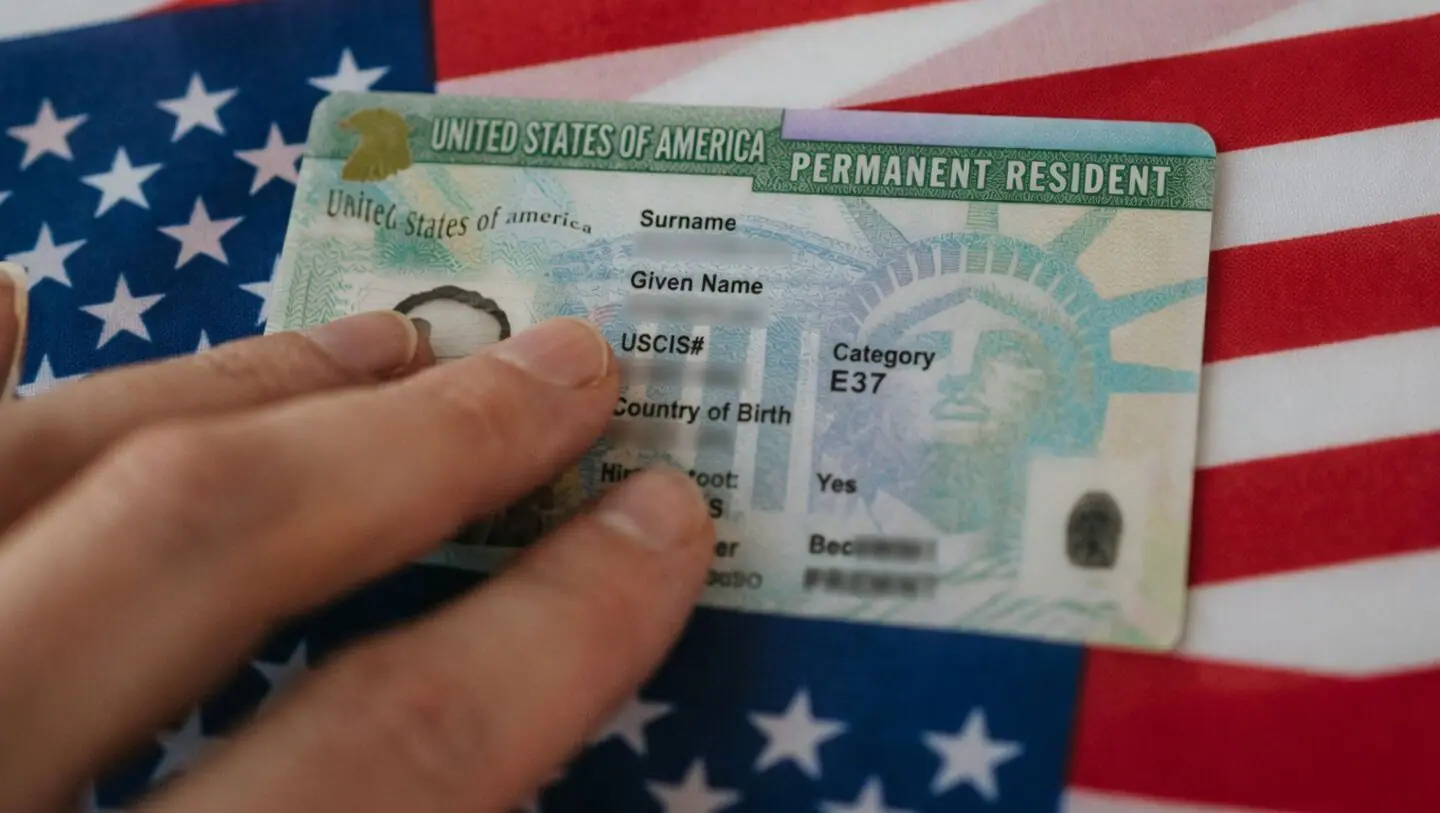
The U.S. Citizenship and Immigration Services (USCIS) recently issued a directive that initially appeared to require most green card applicants to leave the United States and apply for their visas at consulates abroad. However, following concerns about this broad requirement, the Department of Homeland Security (DHS) clarified that immigration officers would have the discretion to evaluate cases individually.As per the recent statement, not all immigrants seeking green cards will need to return to their home countries to process their applications. This seemed to partially reverse USCIS's previous announcement regarding the need for applicants to leave the U.S. while awaiting their permanent residency.What is the new green card policy change?Historically, the U.S. immigration system has allowed for various pathways to obtain permanent residency (green cards), including adjustment of status while remaining in the country. The recent policy announcements from USCIS have suggested that many individuals seeking to adjust their status must return to their home countries to apply for their green cards through consular processing.However, the DHS announcement clarifies that while the primary pathway for green card applicants will involve returning to their home countries, there is room for discretion. Officers are instructed to evaluate applications on an individual basis to allow exceptions in extraordinary circumstances.The USCIS spokesperson, Zach Kahler, emphasised on returning to the original intent of immigration law. By requiring non-immigrants, those in the U.S. temporarily, such as students and workers, to leave the country to apply for permanent residency, the policy aims to discourage the exploitation of loopholes that allow individuals to remain in the U.S. unlawfully after being denied residency.The directive also required temporary visa holders (such as H-1B, F-1, and H-4) to return to their home countries to complete their Green Card processing. This policy change seeks to free up USCIS resources to focus on other pressing immigration matters, such as applications from victims of violence or human trafficking.This also makes sure that temporary visits such as those for tourism, study, or work would not automatically lead to pathways for permanent residency, so that temporary visas serve their intended purpose.How will it affect the immigrant population?This clarification marks a significant policy shift that could affect thousands of immigrants seeking permanent residency in the U.S.This policy may lead to increased scrutiny of immigration applications and a potential rise in the number of individuals returning to their home countries for processing.What are exceptions to the new green card policy?Mr. Kahler reportedly mentioned likely exceptions to the rule for applicants who provide “economic benefit or otherwise are in the national interest”.As reported by CBS News, he stated that green card applicants in the U.S. will probably be able to “continue on their current path” without needing to depart.“After years of ignoring the intent of Congress in the adjustment of status application, USCIS is merely restating and reasserting that intent. While we work to operationalize this, people who present applications that provide an economic benefit or otherwise are in the national interest will likely be able to continue on their current path while others may be asked to apply abroad depending on individualized circumstances,” his statement read, according to CBS News. Published - May 31, 2026 09:59 am IST