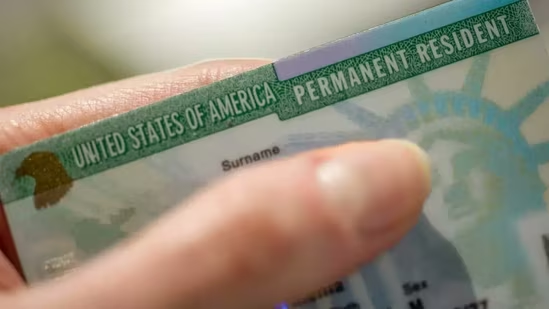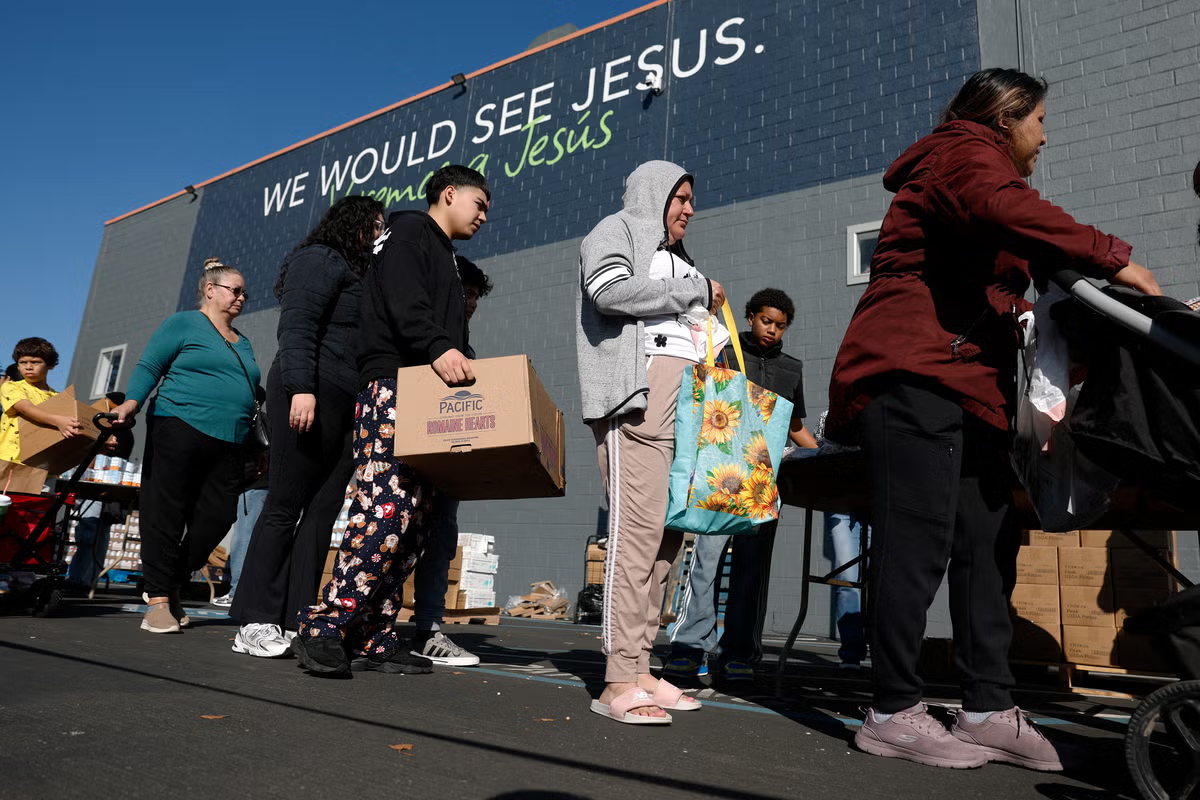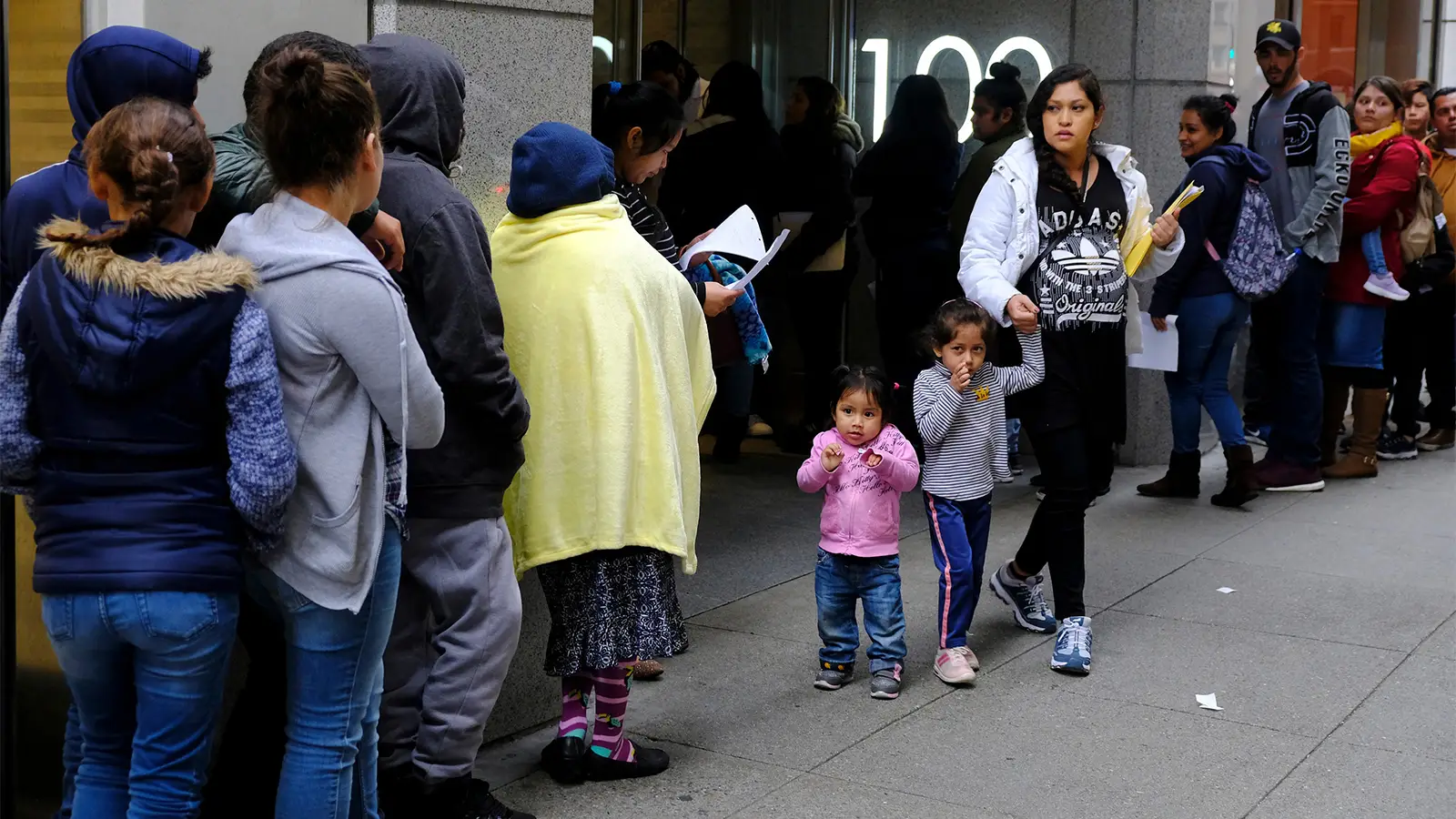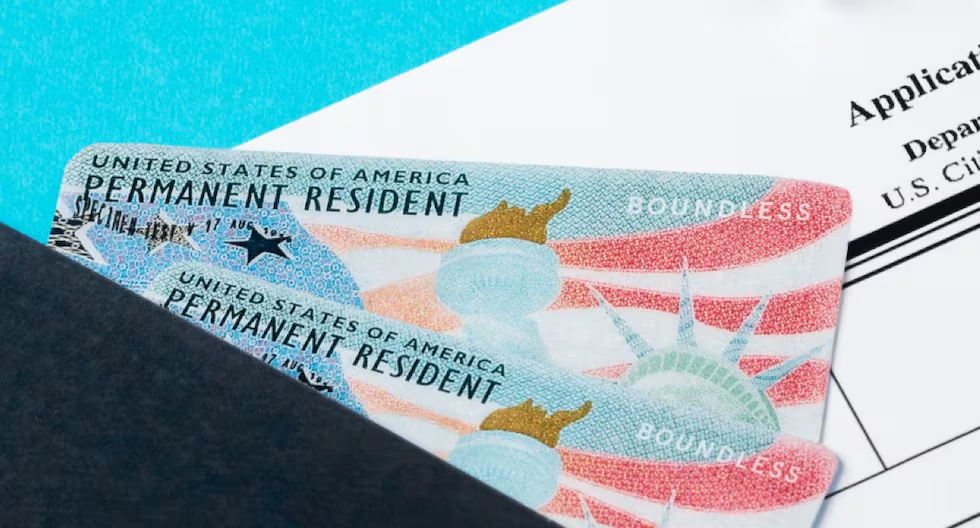
The Trump administration has issued a final rule that will restore a stricter "public charge" test for many people applying for lawful permanent residence in the United States, replacing the Biden-era framework with a broader case-by-case assessment of whether an immigrant is likely to depend on government assistance.The Department of Homeland Security (DHS) placed the rule on public inspection on Friday. It will be published in the Federal Register on July 20 and is scheduled to take effect on September 18, 60 days after publication, unless blocked by a court.The rule mainly affects people seeking permanent residence through adjustment of status or admission as immigrants. It does not change eligibility for temporary visas such as H-1B, F-1, L-1 or B-1/B-2.What is changing?The biggest change is how immigration officers will assess whether an applicant is likely to become a public charge.Under the new regulation, officers must determine whether it is more likely than not that an applicant will become a public charge at any point in the future. Instead of relying on a narrow set of criteria, officers will evaluate the totality of the circumstances, giving them broader discretion to weigh an applicant's financial situation and ability to support themselves.The rule rescinds the public charge regulation introduced by the Biden administration in 2022 and replaces it with a new framework based on the Immigration and Nationality Act and longstanding statutory factors.What factors will officers consider?Immigration officers will evaluate several aspects of an applicant's profile, including:AgeHealthFamily statusAssets, resources and financial statusEducation and skillsEmployment historyAny legally required affidavit of supportRather than relying on any single factor, officers must consider all relevant information when deciding whether an applicant is likely to become primarily dependent on government assistance in the future.Wider discretion for immigration officersOne of the biggest changes is that the rule gives immigration officers greater flexibility in making public charge determinations.Unlike the Biden-era regulation, which provided a more structured framework, the new rule emphasises that officers should assess the totality of an applicant's circumstances and exercise judgment when evaluating each case.Immigration lawyers say this could make outcomes less predictable because applicants will no longer be assessed under the narrower standards introduced in 2022.Does receiving government benefits automatically disqualify someone?No.The rule does not say that receiving a particular public benefit automatically makes someone inadmissible.Instead, officers may consider an applicant's overall financial circumstances, including any relevant use of means-tested public benefits, alongside all other statutory factors before reaching a decision.Who is affected?The rule primarily affects:Family-based green card applicantsEmployment-based applicants seeking adjustment of statusOther immigrants subject to the public charge ground of inadmissibilityMany categories are exempt under US immigration law, including refugees, asylees and several humanitarian immigration programmes.Does it affect H-1B or student visa holders?Not directly.The rule does not change the eligibility criteria for H-1B workers, F-1 students, L-1 intracompany transferees or most other temporary visa holders.However, H-1B professionals, international students or other non-immigrants who later apply for permanent residence may be subject to the revised public charge assessment if it applies to their case.New forms before the rule takes effectUS Citizenship and Immigration Services (USCIS) said it will issue a revised version of Form I-485, which is used to apply for adjustment of status to permanent residence.Applicants filing after the rule takes effect will need to use the updated form once it is released.When does the rule take effect?The timeline is as follows:Date EventJuly 17, 2026 Rule placed on public inspectionJuly 20, 2026 Publication in the Federal RegisterSeptember 18, 2026 Rule takes effect (unless blocked by a court)The rule could still face legal challenges before its effective date. Unless a court issues an injunction or the administration delays implementation, the new public charge framework will begin applying from September 18, 2026.For prospective green card applicants, the change marks another tightening of US immigration policy under the Trump administration, with immigration officers receiving broader authority to assess whether applicants are likely to become financially dependent on public assistance before granting permanent residence.
Applying for a US green card? Your fate will be in the hands of Trump's officers - The Economic Times
A new public charge rule will assess immigrants' reliance on government aid. Immigration officers will gain broader discretion in evaluating applicants' circumstances. This regulation replaces the Biden-era framework with a case-by-case approach. The rule primarily affects family and employment-based green card applicants. It is scheduled to take effect on September 18, 2026.
656 words~3 min read