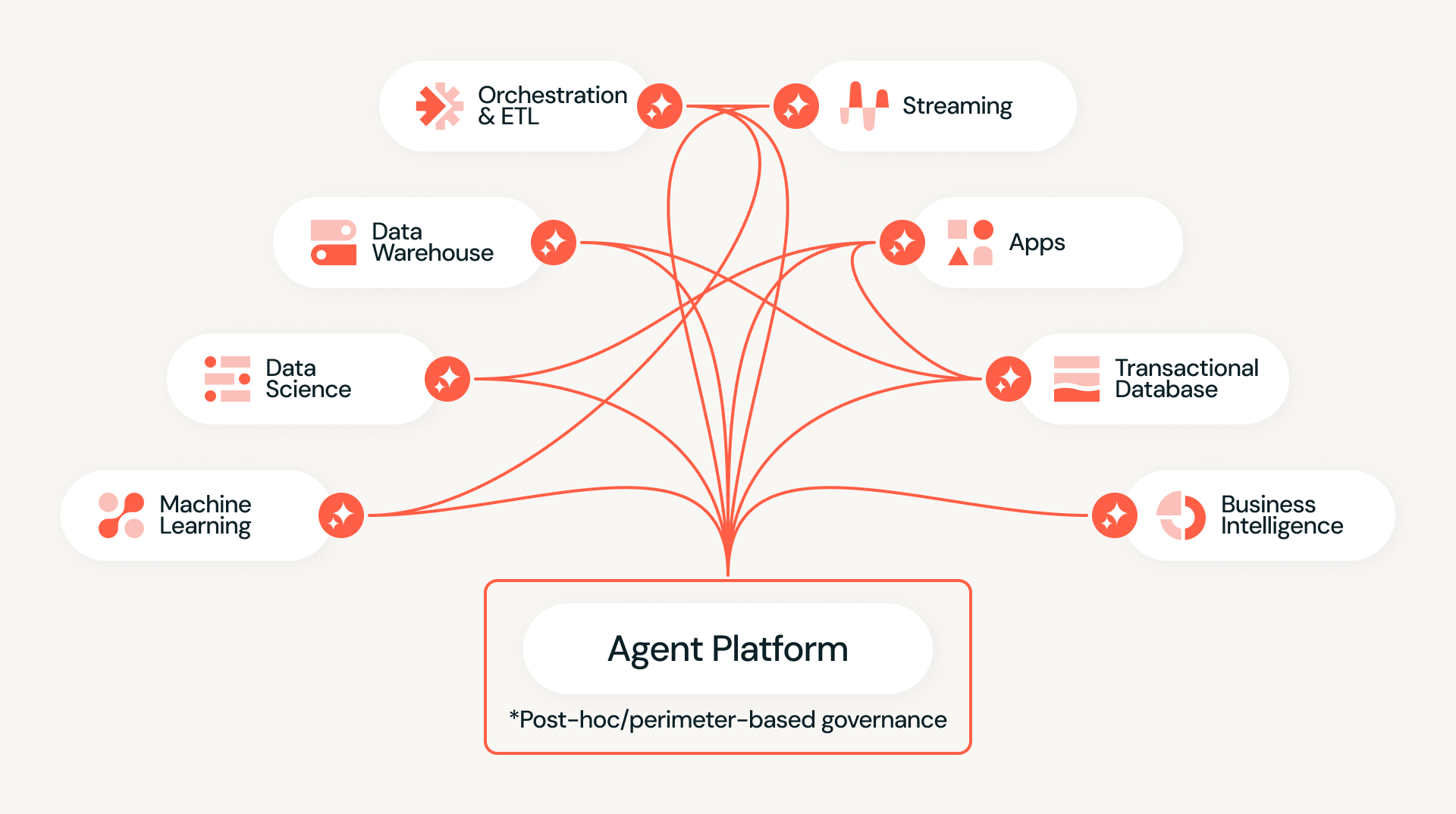
Most teams connecting AI agents to their data warehouse start with text-to-SQL. The agent generates SQL from natural language, runs it against the warehouse, and returns results. It works until it doesn't: hallucinated JOINs, inconsistent aggregations, no access control, no audit trail.
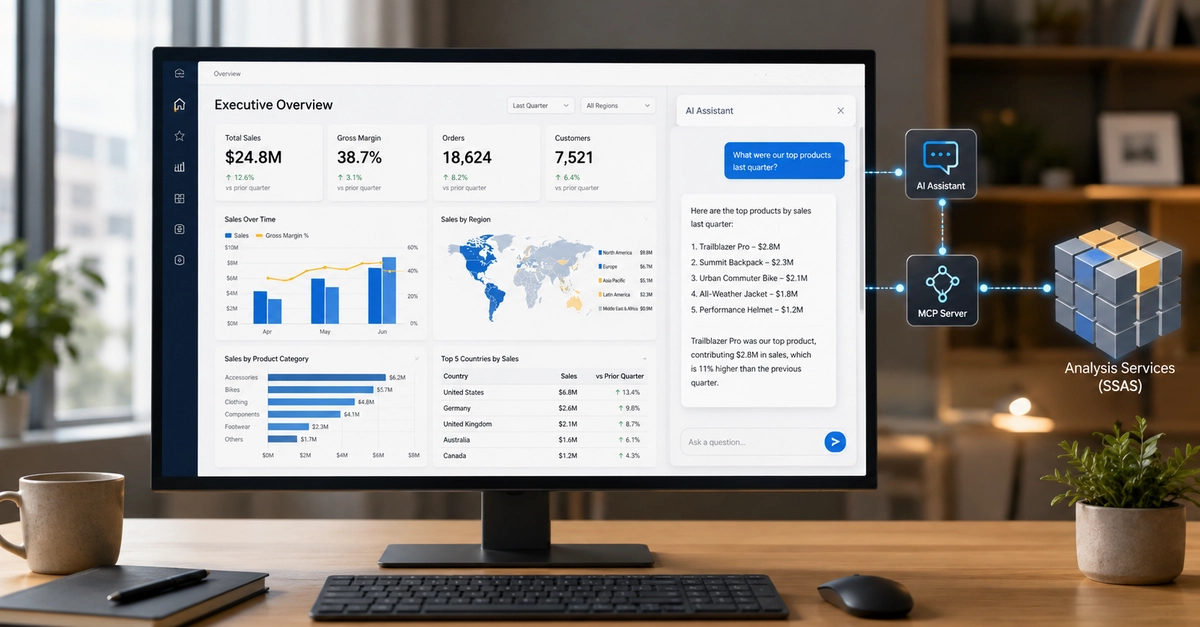
There's a better approach. Define your business metrics in a semantic layer, expose them via MCP (Model Context Protocol), and let any AI agent query governed definitions instead of raw tables. Then add one tool so the agent can chart the result in Claude or ChatGPT. This tutorial shows how to set it up in under 30 minutes.
Why does text-to-SQL break in production?
The agent sees column names but not business logic. It doesn't know that your company excludes refunds from revenue. It doesn't know that status = 'completed' means something different in orders than in subscriptions. It doesn't know that marketing and finance defined "active user" differently three years ago and never reconciled.
So the agent writes plausible SQL and returns plausible numbers. Ask the same question twice with different phrasing and you get different answers. Ask two different agents and you get two different numbers. Neither matches the number your finance team reports.