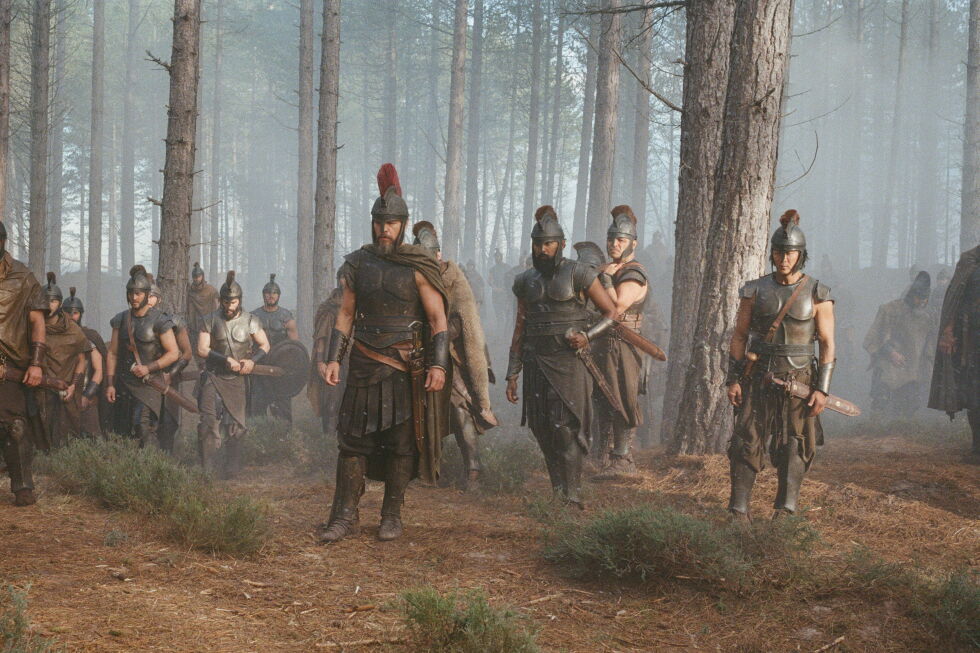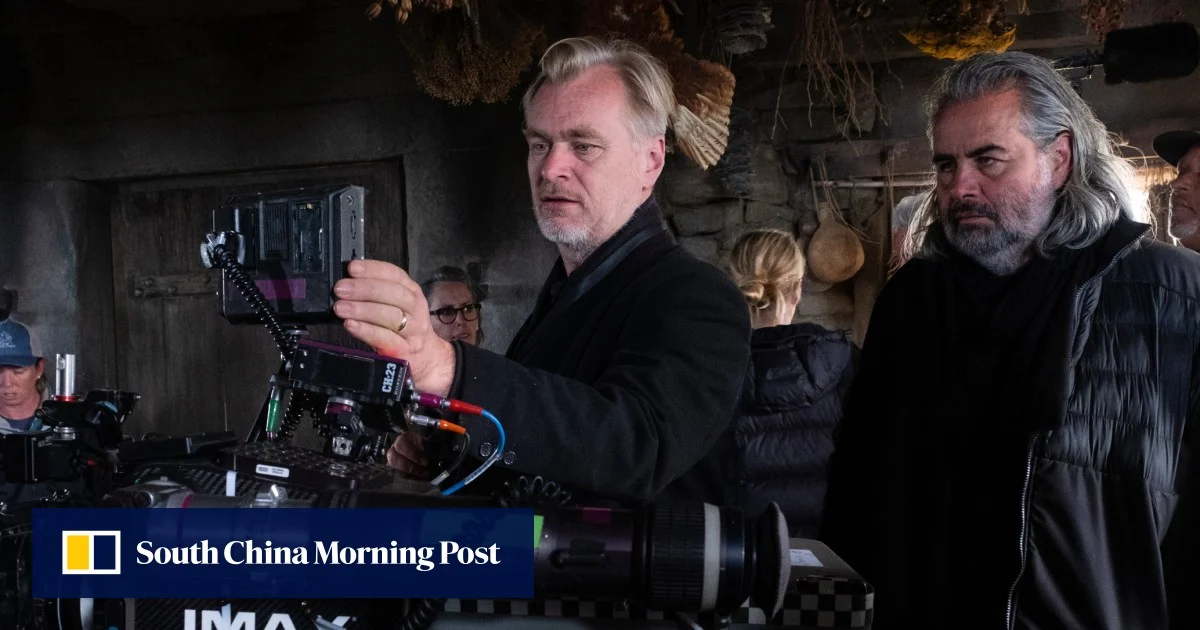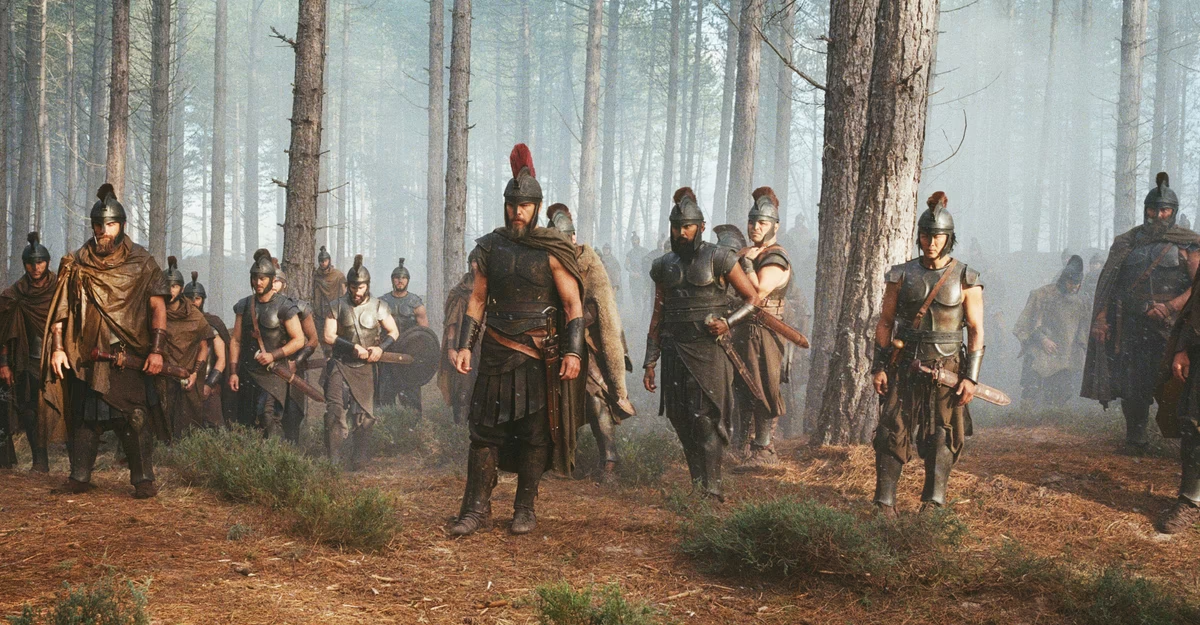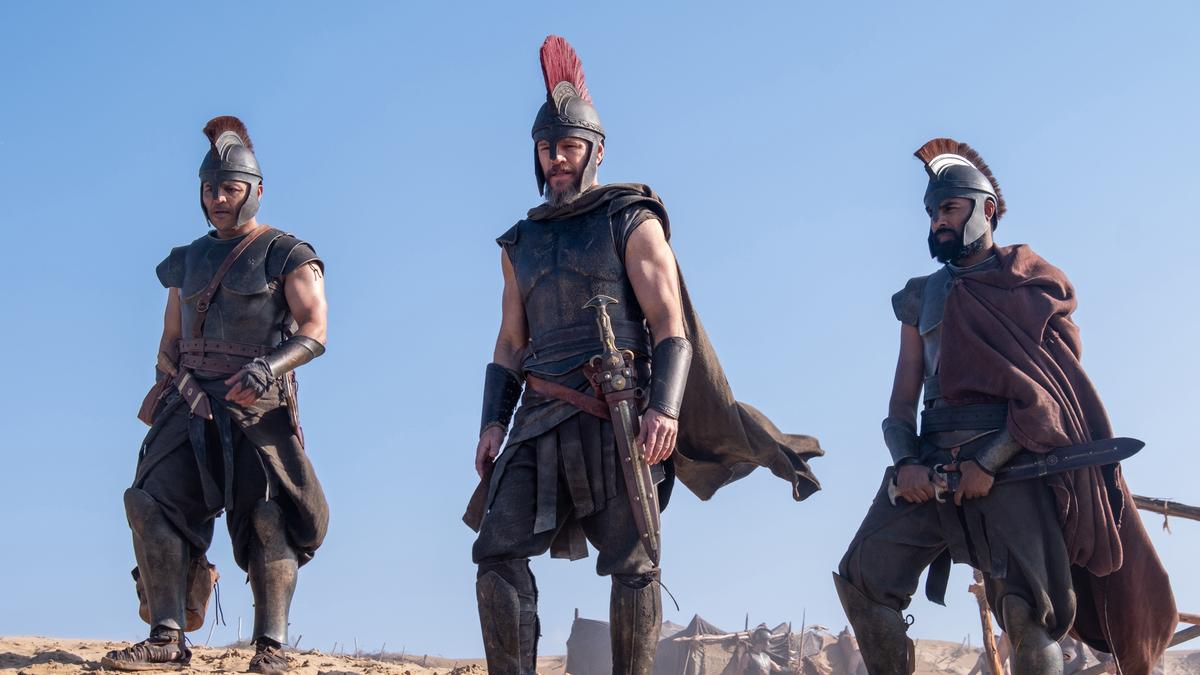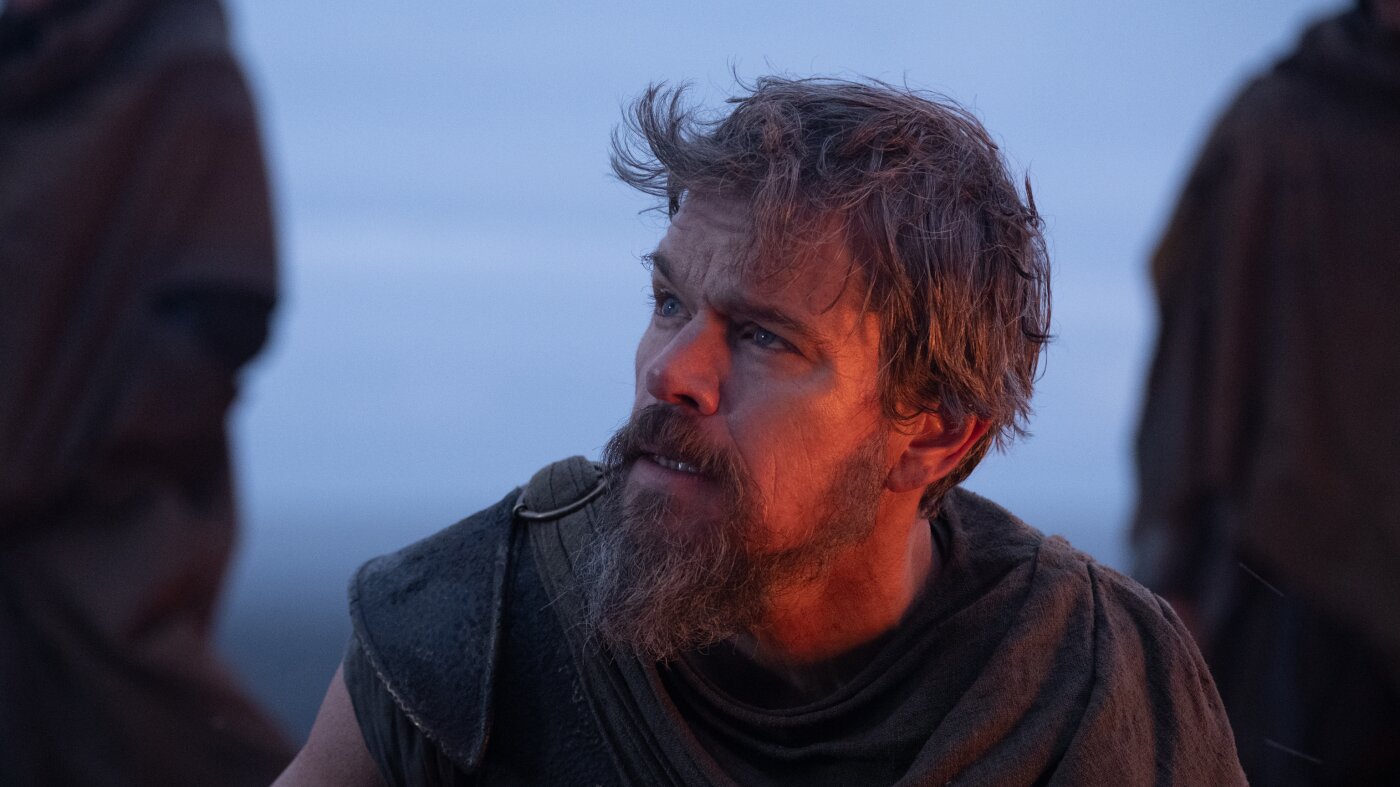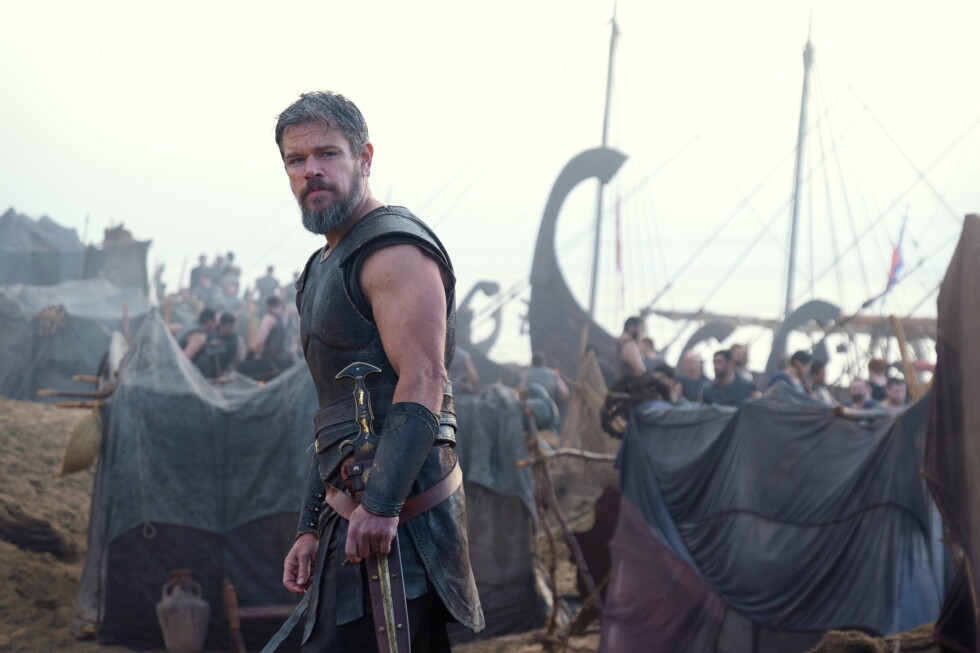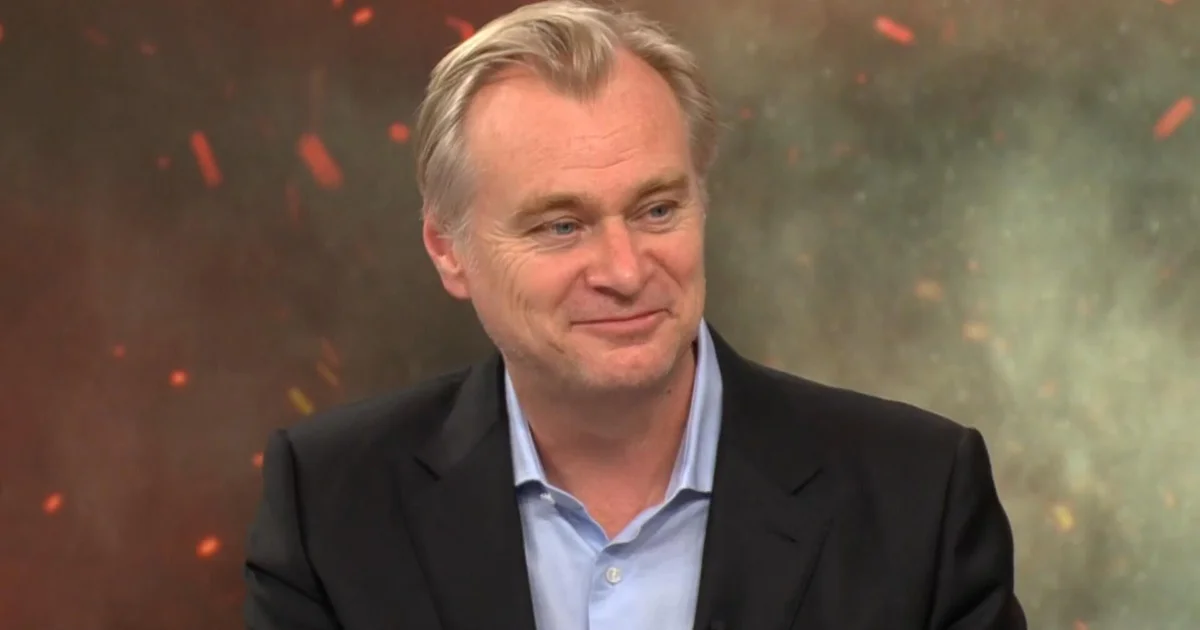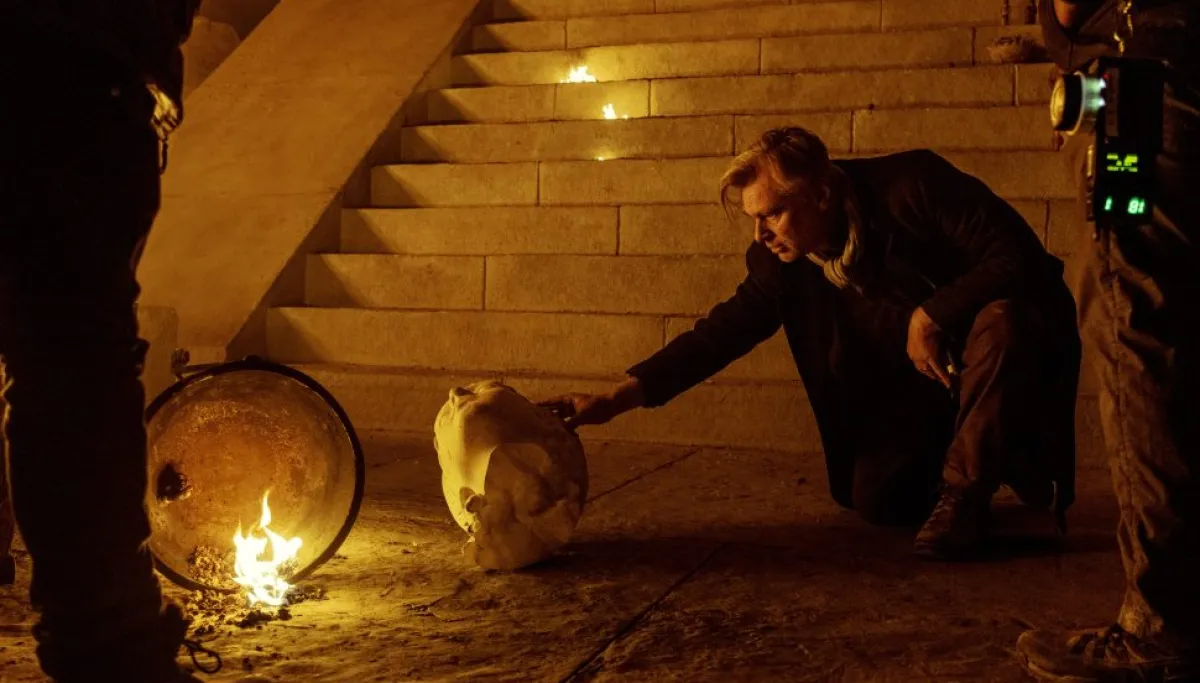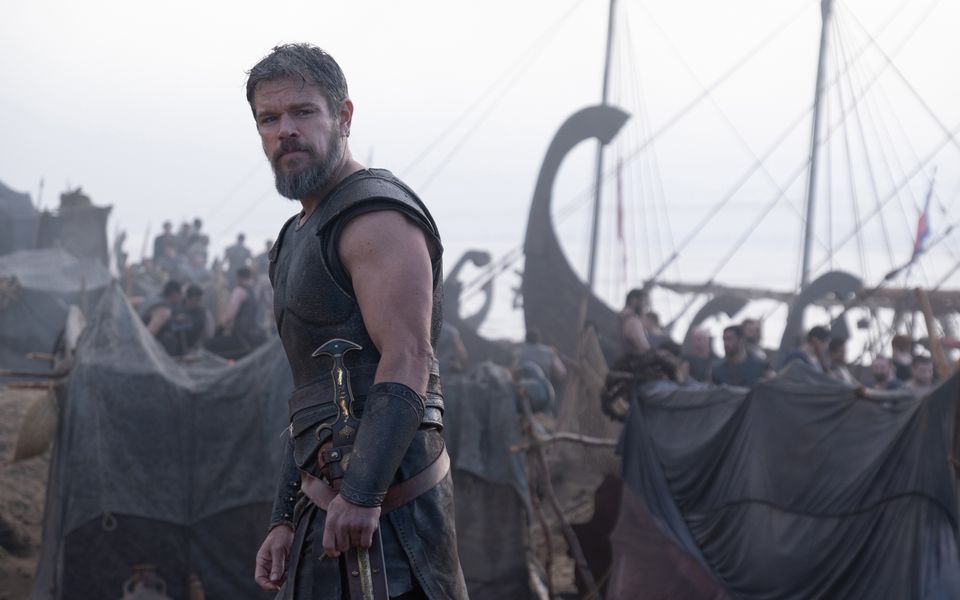
The challenge was pretty enormous: what may be the most important piece of literature in human history, in the hands of one of the greatest filmmakers of our times, and a budget of $250 million, which certainly helps but also carries a corresponding amount of responsibility. On the other hand, Christopher Nolan seems born to make the kind of visionary cinema that comes from thinking big, from delivering epic narratives and from transcending the narrow boundaries of any given age. We’ve seen him do it in films like “Interstellar,” “Dunkirk” and “Oppenheimer,” which finally gave him the Oscar glory he deserved. We also see him doing it in spades now in “The Odyssey,” which strikes a balance – albeit a precarious one at times – between mainstream movie fare and the artist’s distinctive vision, scaling to the heights of cinematic masterpiece.
True darkness
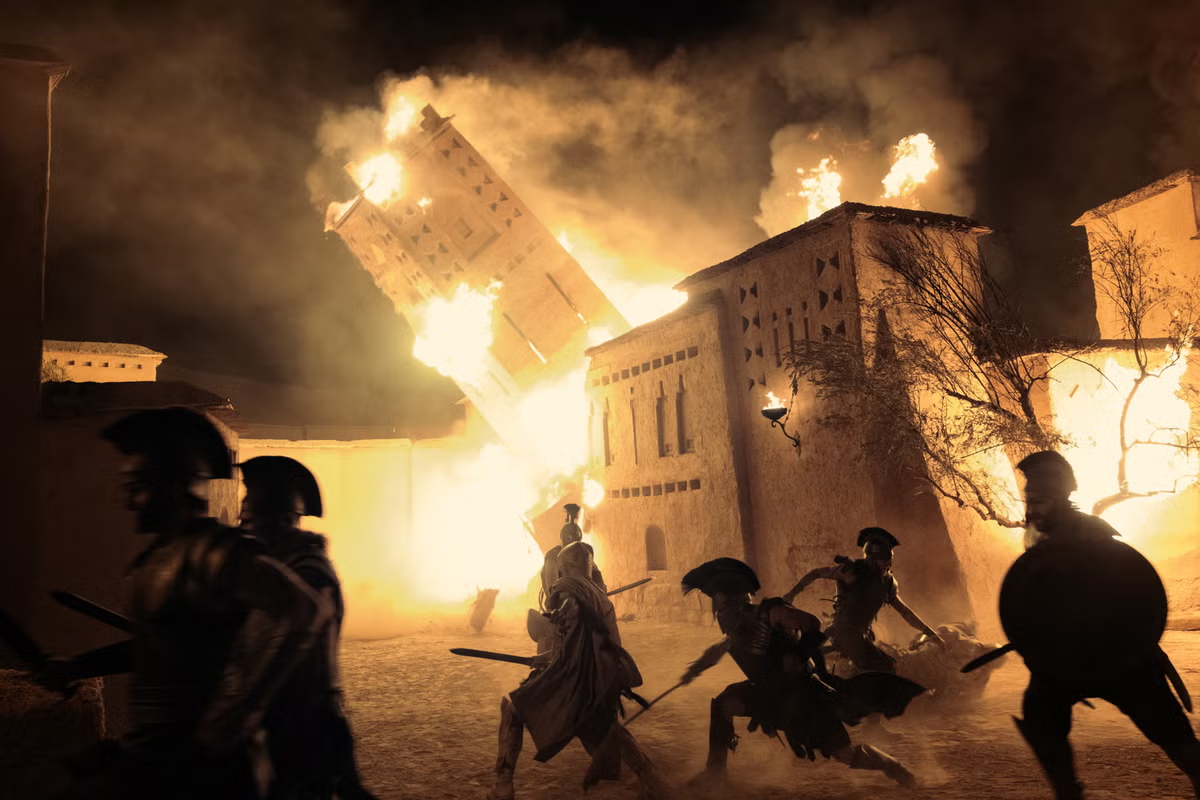
Nolan’s “The Odyssey” is dark, both literally and metaphorically. Together with his longtime cinematographer, Hoyte van Hoytema, he immerses us in the ancient world, where the night is illuminated only by torches or the flames consuming the sacked city of Troy, while daylight filters through narrow openings into shadowy, eerie caves. Ingenious directorial choices and the rich detail captured by IMAX cameras ensure clarity, however. The film’s true darkness lies in its world of brutal violence, vengeful gods and bloody sacrifices, where the hero struggles not only to survive but also to maintain his humanity. The film’s soundtrack is equally compelling, a blend of melodies inspired by the ancient Greek lyre and double-reed aulos, combined with thunderous percussion and booming vocals, orchestrated by three-time Academy Award-winner Ludwig Goransson. The result is a mysterious, ritualistic soundscape unlike anything audiences have come to expect from orchestral scores in films of this kind, with the rhapsode (played by Travis Scott) striking his staff in commanding rhythm to set the myth in motion.