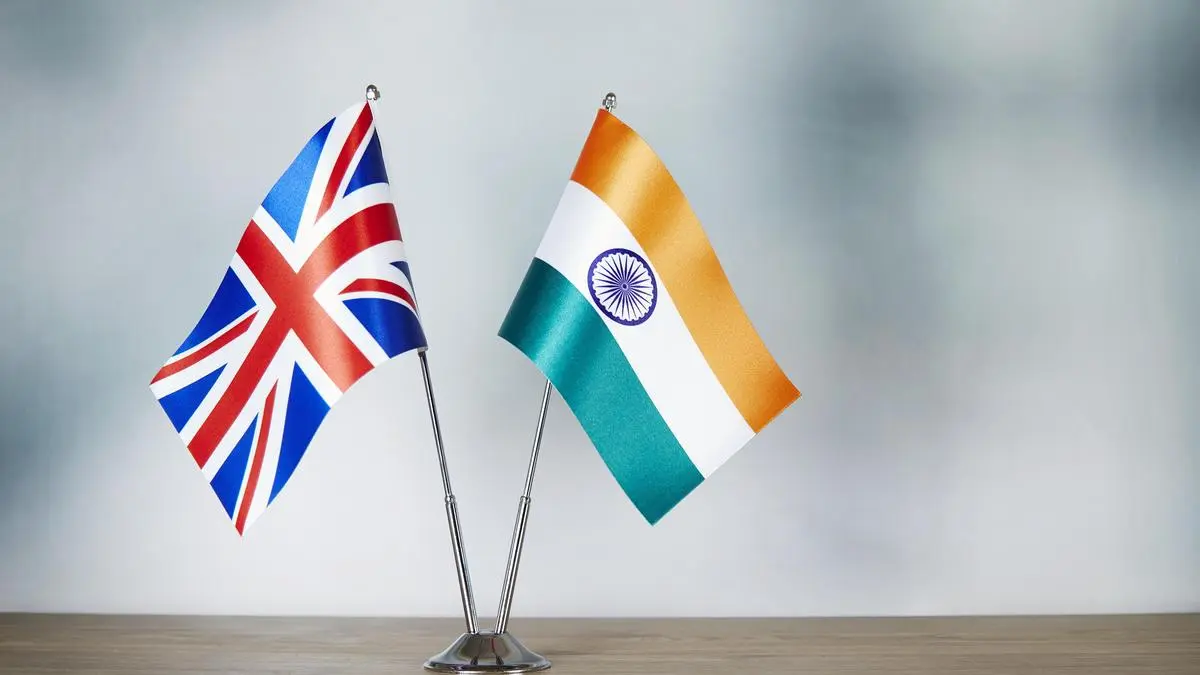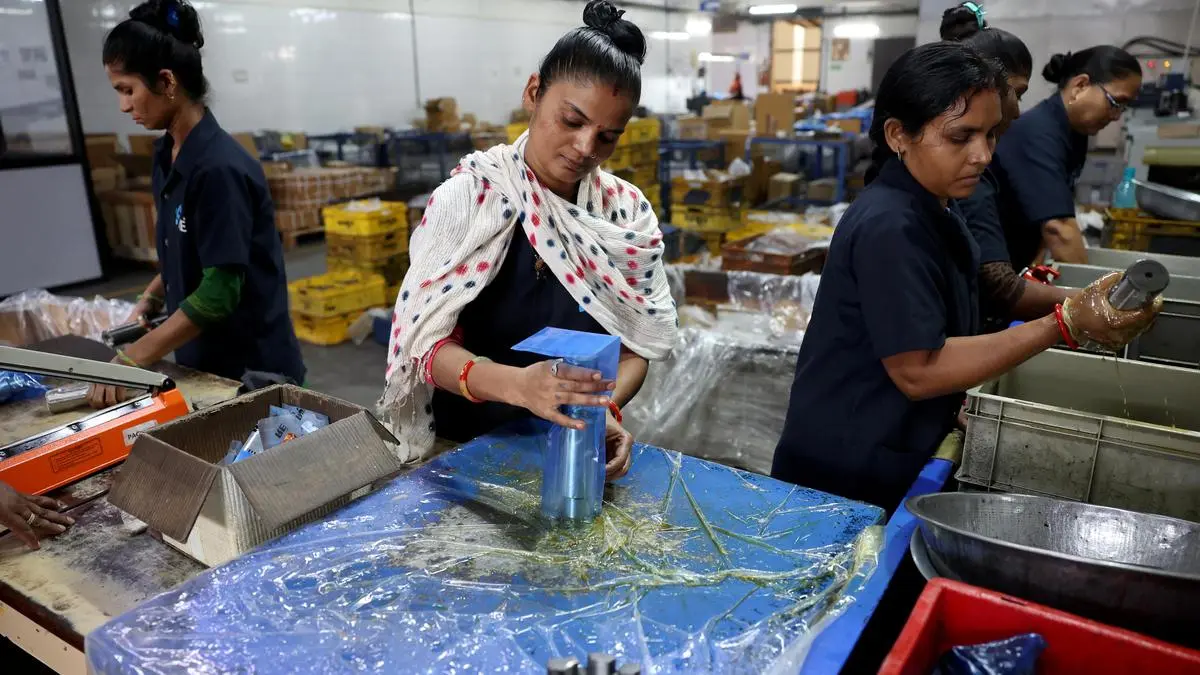
The India-UK Comprehensive Economic and Trade Agreement (CETA) is expected to create a significant export opportunities for India’s pharmaceutical, medical devices and healthcare sectors by providing duty-free access to the UK market and easing regulatory processes.However, industry leaders have also urged the government to ensure strong rules of origin and customs safeguards to prevent products from third countries from entering India through the UK at lower tariffs, which could hurt domestic manufacturers.Why the deal mattersThe UK imports nearly $30 billion worth of pharmaceutical products every year. Despite India’s reputation as the “pharmacy of the world” and its leadership in affordable generic medicines, exports to the UK remain below $1 billion, highlighting significant untapped potential.Under CETA, nearly 99 per cent of Indian product lines will receive duty-free access to the UK, improving the competitiveness of Indian pharmaceutical and medical technology products.What changes for pharmaceuticals?The agreement grants zero-duty market access across 56 pharmaceutical tariff lines, covering around 0.6 per cent of the UK’s tariff schedule. The removal of customs duties is expected to make Indian generic medicines more competitive in the UK.It also eliminates import duties on a wide range of medical devices and healthcare equipment, including surgical instruments, diagnostic equipment, ECG machines, X-ray systems and other essential medical technologies.India currently exports about $130 million worth of medical devices to the UK while importing around $227 million.Industry sees room for export growthAccording to Sudarshan Jain, Secretary General of the Indian Pharmaceutical Alliance (IPA), the agreement presents a major opportunity to expand India’s pharmaceutical exports.“India currently exports around $900 million worth of medicines to the UK, while imports from the UK are only $85-90 million annually,” he said. Greater regulatory harmonisation between the two countries could help Indian companies deepen their presence in the UK market.Jain also noted that medicines worth nearly $300 billion globally are expected to lose patent protection in the coming years, creating a significant opportunity for Indian generic drug manufacturers to supply affordable alternatives. He added that India’s pharmaceutical exports are increasingly diversifying beyond traditional generics to products such as antibiotics and other specialised medicines.According to him, the FTA builds on the long-standing pharmaceutical trade relationship between India and the UK and enables India to play a bigger role in supporting the UK’s healthcare system.Industry experts say changing global supply chains have further strengthened India’s position. Following Brexit and disruptions caused by the Covid-19 pandemic, the UK has been looking to diversify its sourcing of pharmaceuticals and medical products, reducing dependence on China. Indian manufacturers, with internationally compliant production standards and competitive costs, are well positioned to emerge as reliable suppliers.What does the medtech industry expect?Pavan Choudary, Chairman of the Medical Technology Association of India (MTaI), said the agreement gradually reduces tariffs on UK medical device imports from the current 7.5-15 per cent range to around 3 per cent.But he said the more significant provision is the proposed Mutual Recognition Agreement (MRA), which could streamline certification for India-approved devices while opening new avenues for collaboration in research and development, digital health and skill development.According to Choudary, the agreement also serves as a template that India could replicate while negotiating with the European Union’s $572.3-billion pharmaceutical and medtech market.“The key question now is whether Indian companies can realign procurement, manufacturing and partnerships quickly enough to capture these opportunities rather than simply benefit from lower tariffs,” he said.Industry seeks safeguards against third-country importsWhile welcoming the agreement, the Association of Indian Medical Device Industry (AiMeD) has warned that lower tariffs should not become a backdoor for products originating from third countries.Rajiv Nath, Forum Coordinator at AiMeD, said strict Rules of Origin and customs safeguards are essential to ensure that products from countries such as China or the European Union are not routed through the UK to take advantage of lower duties.“The UK-India CETA marks a pivotal moment for Indian medical devices. It creates export opportunities and fair competition with British manufacturers, but safeguards are essential to protect India’s growing domestic industry,” he said.India’s medical device imports rose 17 per cent last year from ₹77,000 crore to ₹89,000 crore (about $9.3 billion), while exports remain around $4 billion.Nath said Indian manufacturers continue to face expensive and time-consuming regulatory approvals from the UK’s Medicines and Healthcare products Regulatory Agency (MHRA) or the EU’s CE certification system. In contrast, UK manufacturers receive Indian approvals through a relatively faster and less expensive process that does not involve factory inspections.He suggested India should consider factory inspections for UK exporters to ensure only genuine UK-origin products enter the country.He also cautioned that the concern extends beyond Chinese products.“India has seen similar routing through Singapore and the Netherlands. Despite having limited manufacturing capacity, both countries are among India’s largest medical device suppliers because they serve as efficient logistics and transit hubs,” Nath said.Healthcare partnerships beyond tradeBeyond goods, CETA also seeks to deepen collaboration in healthcare services.The agreement allows Indian hospitals to collaborate with UK counterparts, adopt advanced medical technologies and expand cooperation in areas such as digital health, clinical research and healthcare innovation. It also enables UK educational institutions to establish campuses in India, while Indian institutions can expand into the UK.Dr Dharminder Nagar, Managing Director of Paras Health and Co-Chair of the FICCI Healthcare Committee, said the agreement has the potential to transform healthcare collaboration over the long term, though the benefits will take time to materialise.He said India can learn from the UK’s National Health Service (NHS), particularly its decades of experience in healthcare delivery, while Indian health-tech companies could explore opportunities in the UK market.However, he cautioned against expecting immediate gains. “The opportunities will not materialise automatically. Both countries will have to identify the right partners, build long-term collaborations and convert the potential into tangible outcomes,” he said. Nagar also said that the NHS has limited familiarity with India’s healthcare ecosystem. He added that assumptions that long NHS waiting lists will automatically lead to large numbers of UK patients seeking treatment in India should be viewed with caution.Published on July 16, 2026
Explained: How the India-UK CETA could boost pharma, medtech exports
Discover how the India-UK CETA can enhance pharmaceutical and medtech exports, unlocking significant market potential for India.
996 words~5 min read