For years, the U.S.-led international campaign to isolate North Korea depended on a united front between the United States, China, and Russia. From the Obama administration’s targeted sanctions to the Trump administration’s “maximum pressure” campaign, U.S. policymakers have long assumed that comprehensive isolation could raise the costs of nuclear development enough to change Pyongyang’s strategic calculus.
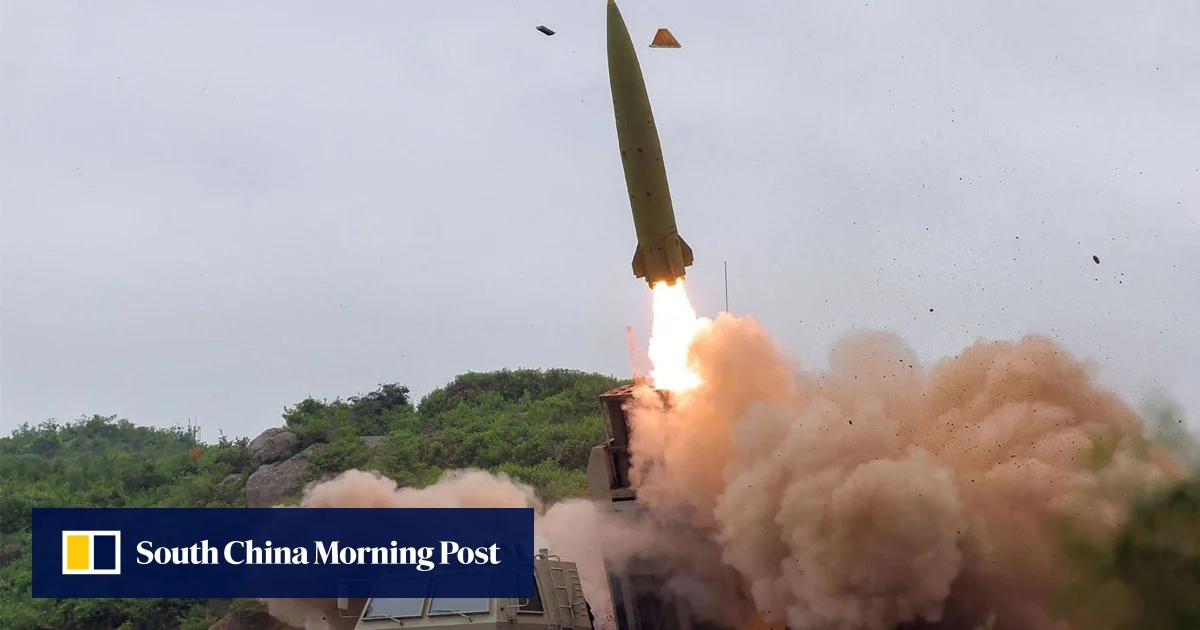
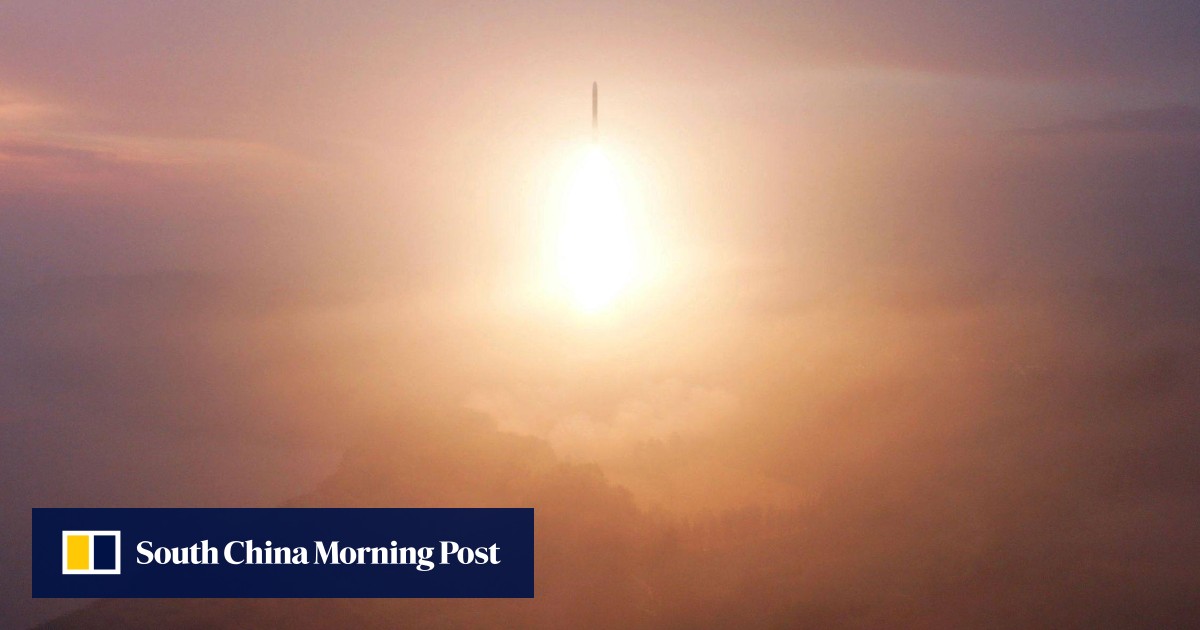
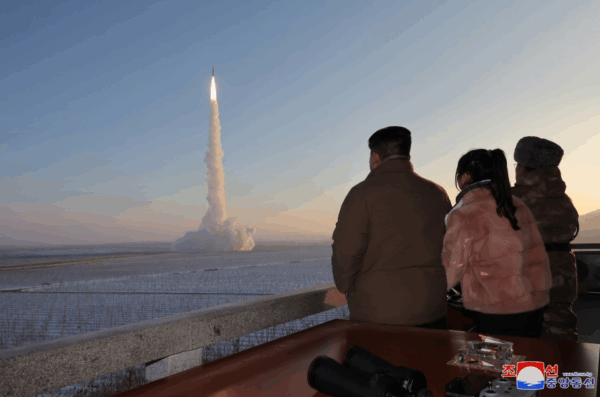
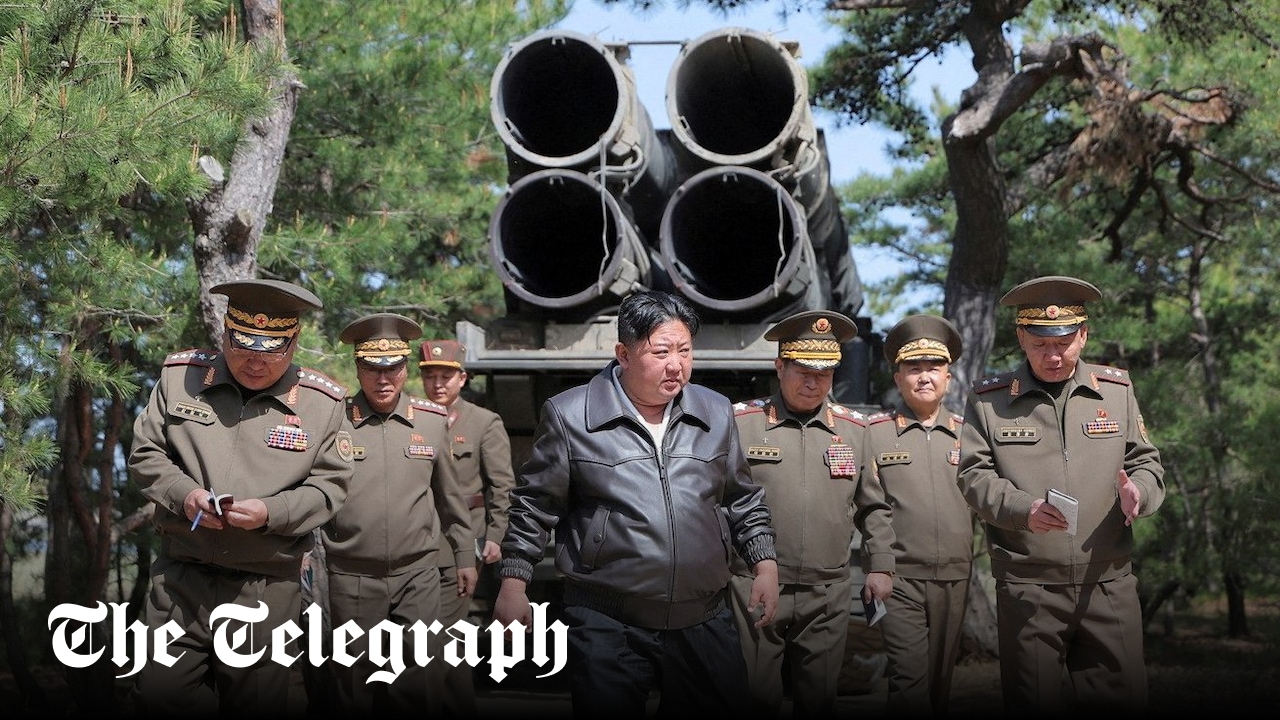
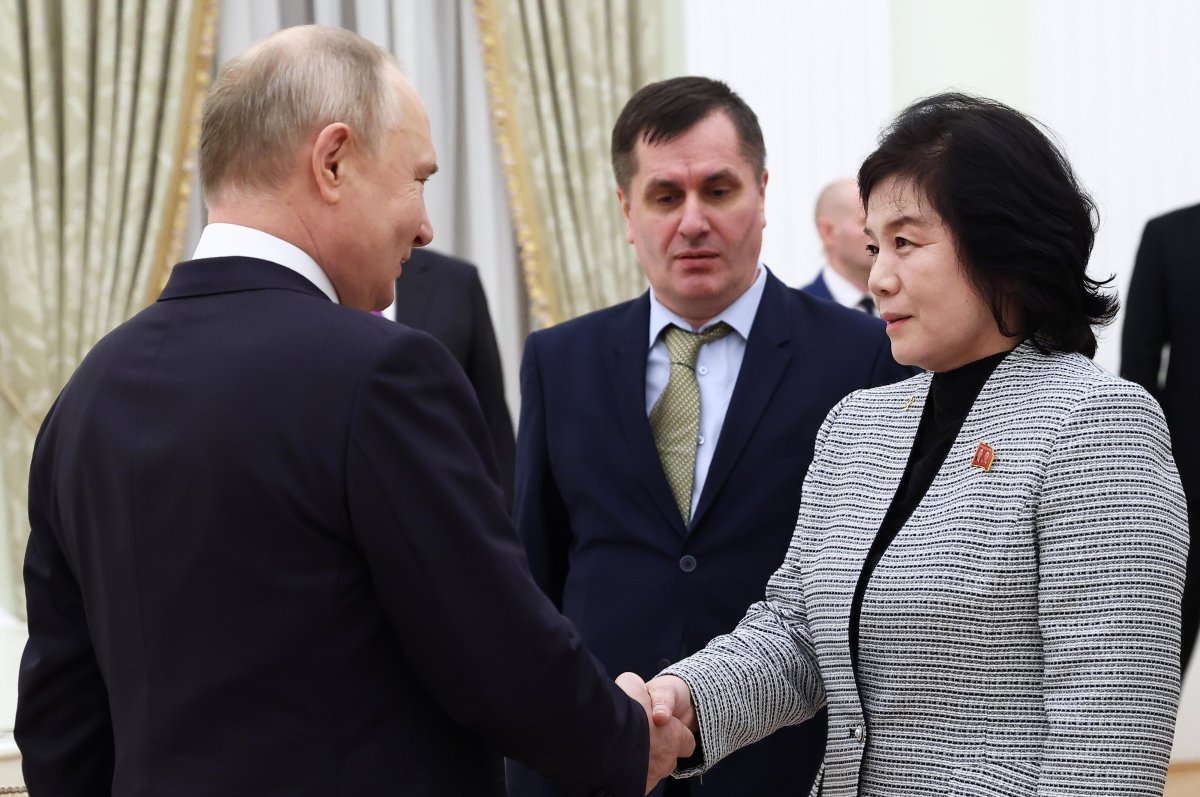
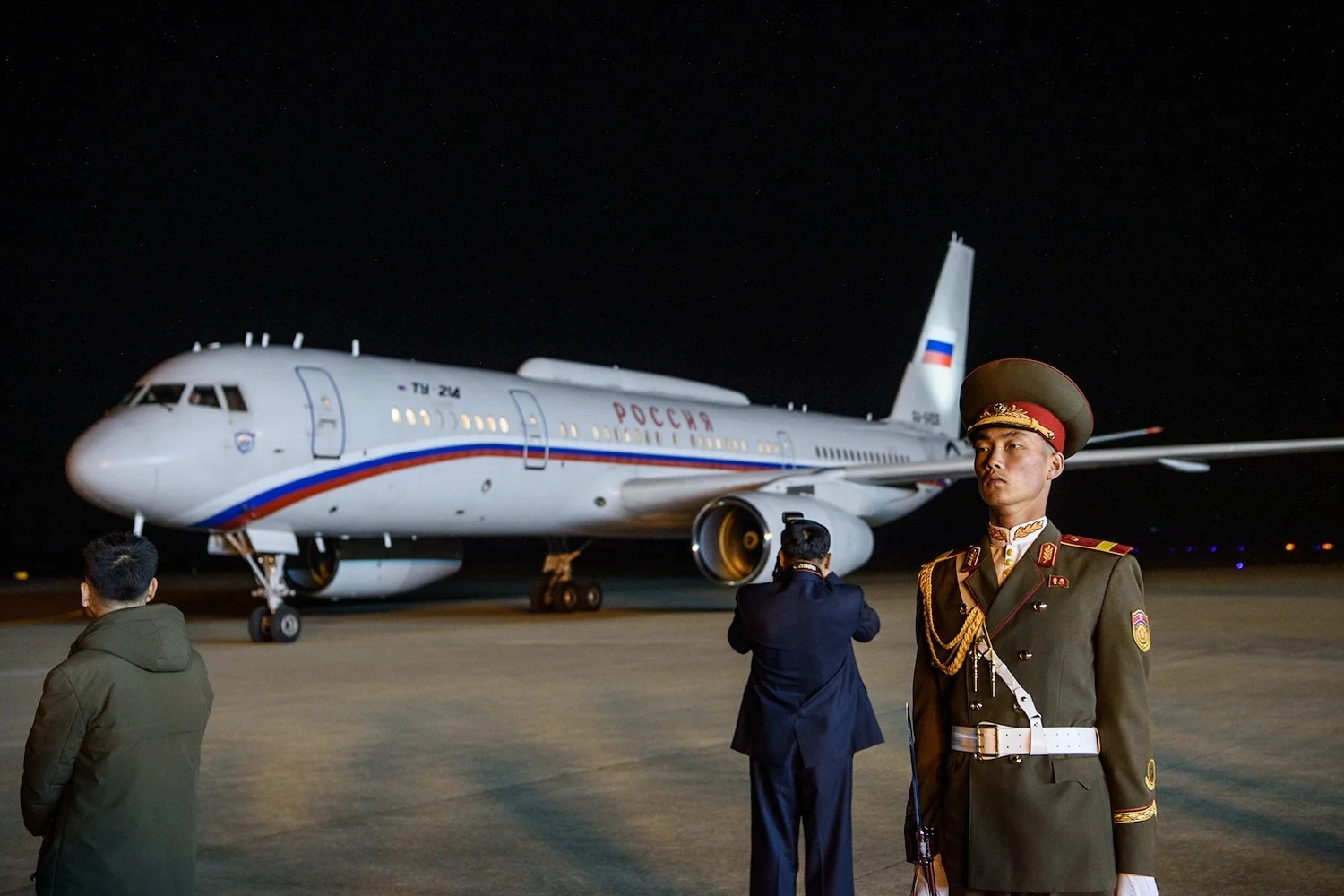
But that consensus has collapsed. Instead of facing a coordinated international front, North Korea has been gifted perhaps its greatest strategic asset: a fractured world in which great-power rivalry has steadily eroded the political foundations that once made these sanctions effective. Not only has North Korea found an economic lifeline to keep the regime running, but it has also gained a diplomatic free pass to expand its nuclear and missile programs without consequence. This reality forces a tough reckoning for Washington and its allies. Sanctions aren’t entirely dead—they still make it difficult for the regime to operate—but relying on economic isolation alone to compel North Korea’s denuclearization is no longer a viable strategy in an era of intense geopolitical rivalry.
For years, the U.S.-led international campaign to isolate North Korea depended on a united front between the United States, China, and Russia. From the Obama administration’s targeted sanctions to the Trump administration’s “maximum pressure” campaign, U.S. policymakers have long assumed that comprehensive isolation could raise the costs of nuclear development enough to change Pyongyang’s strategic calculus.