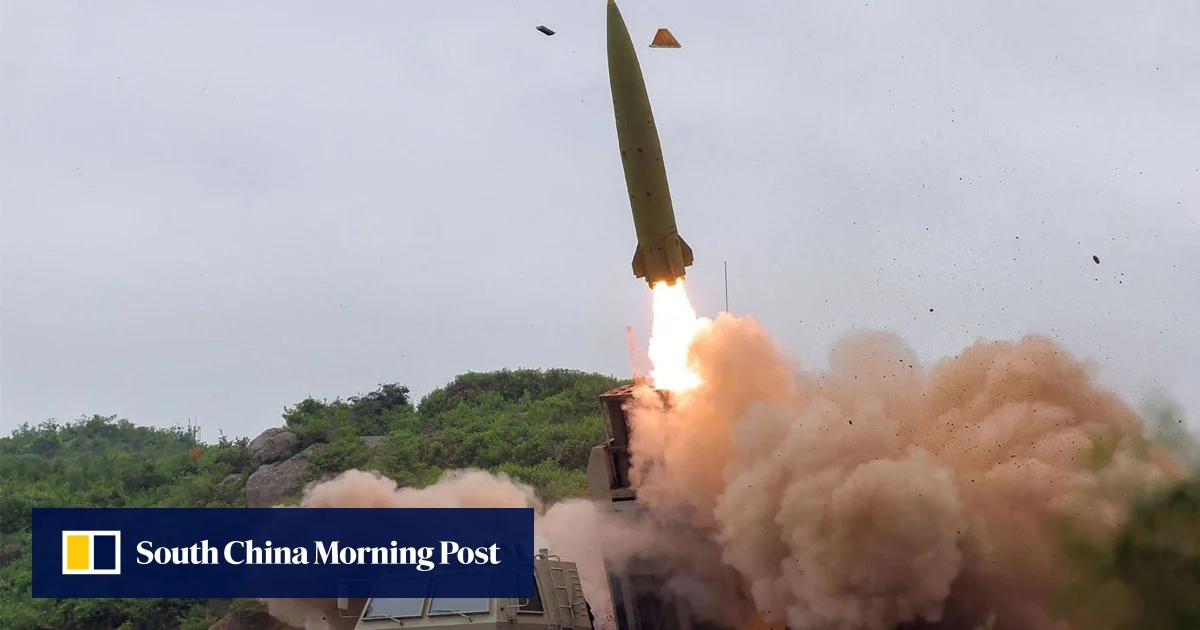
In October 2025, the Multilateral Sanctions Monitoring Team (MSMT) – an 11-state coalition formed in 2024 to replace the now defunct United Nations Panel of Experts on North Korea (PoE) – released its second report, detailing how Pyongyang funds its weapons programs through cyber theft and information-technology worker fraud. The team estimated that North Korea stole roughly $1.6 billion in cryptocurrency in the first three quarters of 2025 alone.
That the coalition exists at all is because the U.N.’s own monitoring body collapsed: in 2024, Russia vetoed the renewal of the PoE, ending the universal sanctions consensus that had governed the North Korea file since 2006.
The Panel of Experts reported to the U.N. Security Council (UNSC) and carried the authority of a universal mandate; the MSMT is a voluntary coalition of like-minded states that can investigate and publish but cannot bind the governments that decline to take part. Russia and China, no longer inside the monitoring body, now dispute its findings from the outside. For states inclined to trade with, or quietly tolerate, North Korea, the difference between a UNSC mandate and a coalition communiqué is the difference between an obligation and an opinion. The MSMT’s own members have asked the UNSC to rebuild the PoE in the form it had before – an implicit acknowledgment that documentation, however thorough, is not the same as universal enforcement.