Smart home technology has changed how homeowners monitor security, manage energy use, and automate everyday tasks. Yet one of the most critical safety systems in the home — the smoke alarm — often receives far less attention than cameras, smart locks, or video doorbells.
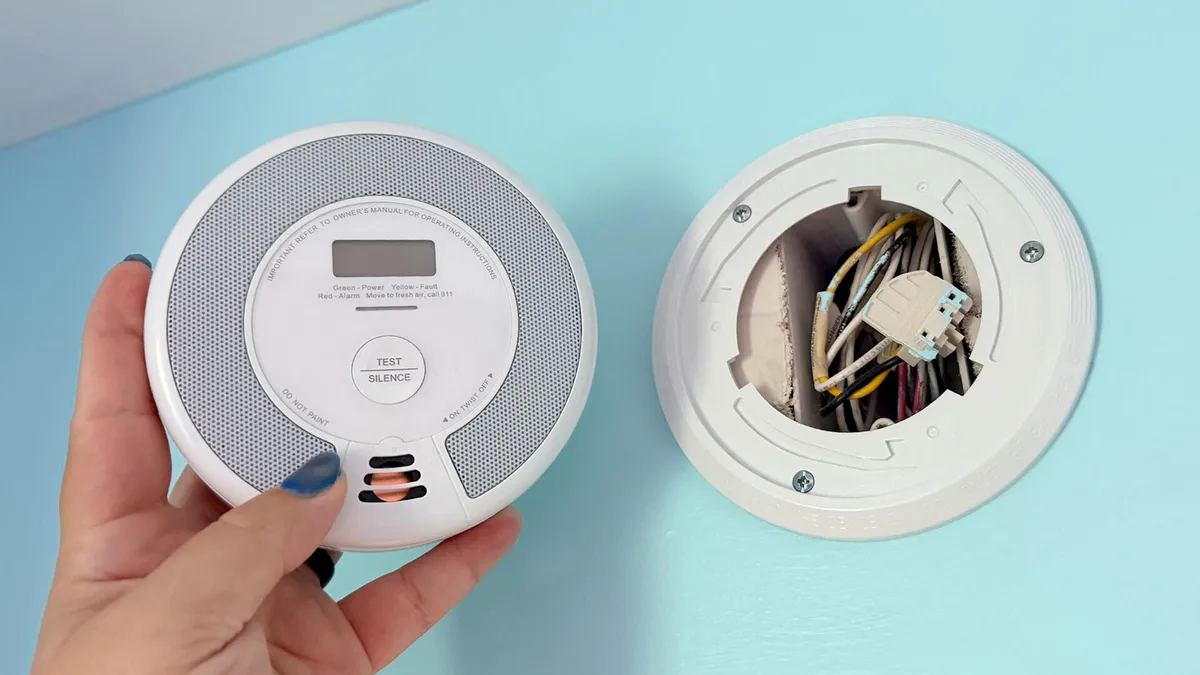
Smoke alarms have also evolved well beyond the standalone devices many homeowners installed years ago. Modern systems can communicate with one another, send alerts to smartphones, and integrate with broader smart home platforms, extending fire detection beyond the traditional alarm siren. Understanding these capabilities is becoming an important part of evaluating a home's broader safety systems.
Early Smoke Detection and Response
Prevention is only one part of home safety. Detection determines how quickly occupants become aware that a dangerous situation is developing and can begin to respond.
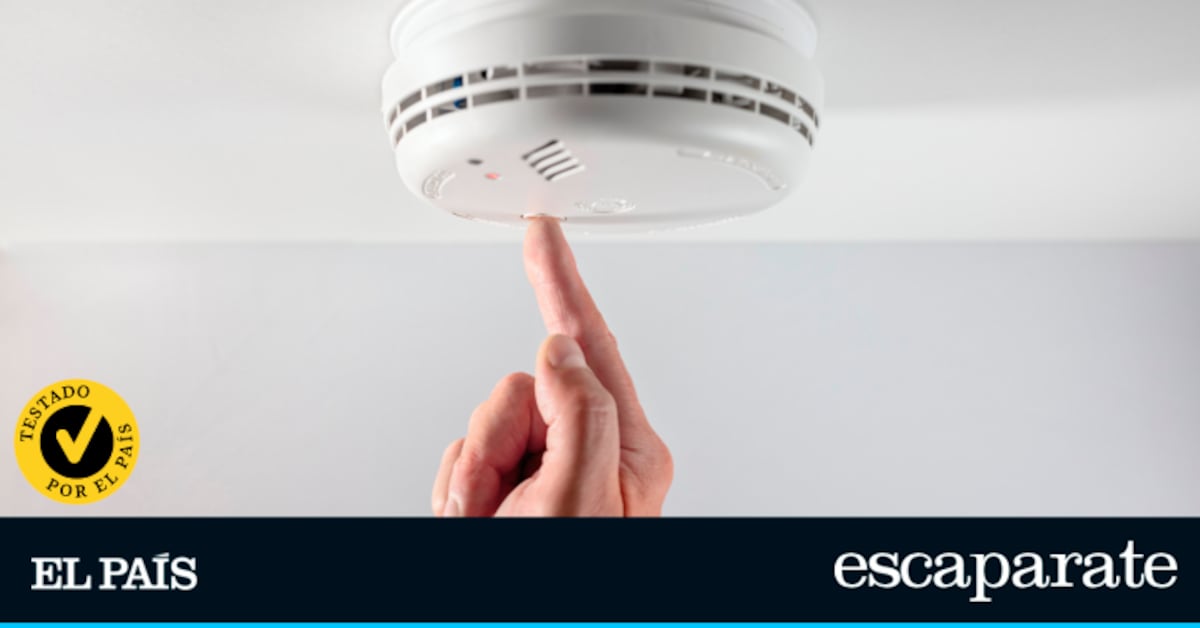
This is where early warning systems play a critical role. A properly functioning smoke detector is designed to detect smoke early enough to alert occupants before conditions worsen, providing additional time to evacuate and contact emergency services.