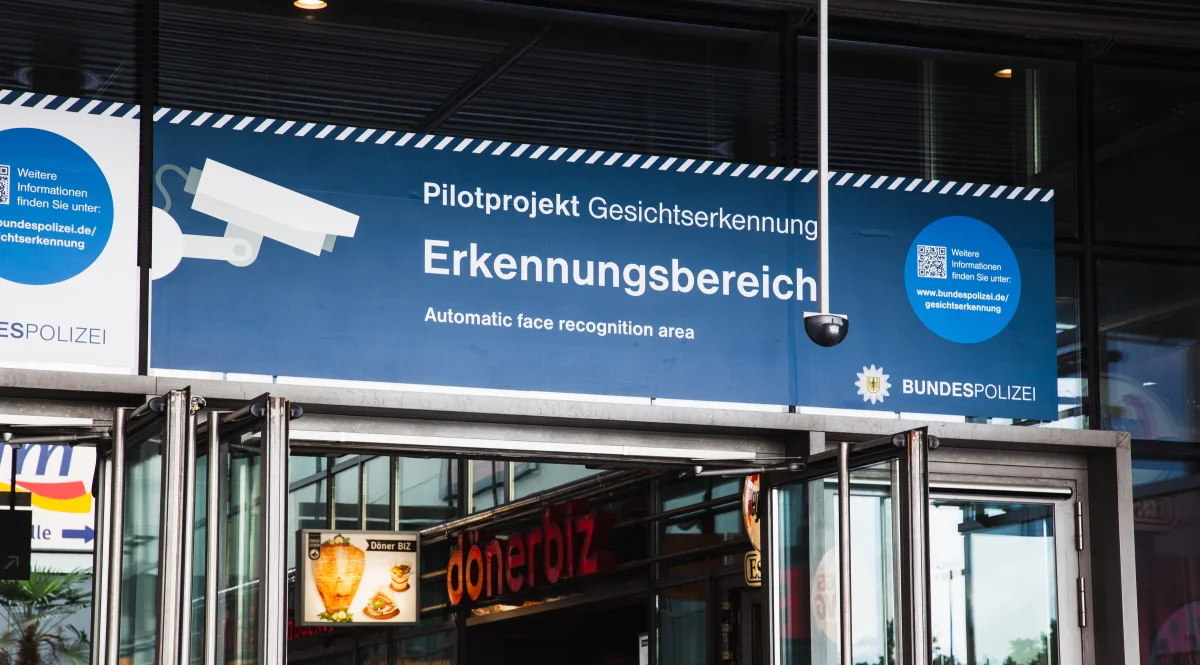
The German Bundestag last week approved a new law that significantly expands the powers of the federal police by providing the scope to use drones, artificial intelligence, and increased surveillance of telecommunications. The law also makes it easier to incarcerate immigrants due for deportation.
The government argued that the law — the first new federal police law in Germany since 1994 — is essential to keep up with technological developments, and the changing nature of threats to public safety.
But according to critics, the federal police's rollout of mass surveillance will mean that technologies and databases that until now have only been used by state police forces, or for individual operations, could be used consistently across the whole country.
Human rights and digital privacy advocates say the law brings significant risks to democratic freedoms and is likely to be challenged before Germany's Constitutional Court. Nevertheless, those legal challenges can take many years and the new law can be implemented in the meantime.
Left Party MP Clara Bünger called the bill a step toward authoritarianism and a surveillance state that would weaken fundamental rightsImage: dts Nachrichtenagentur/IMAGO