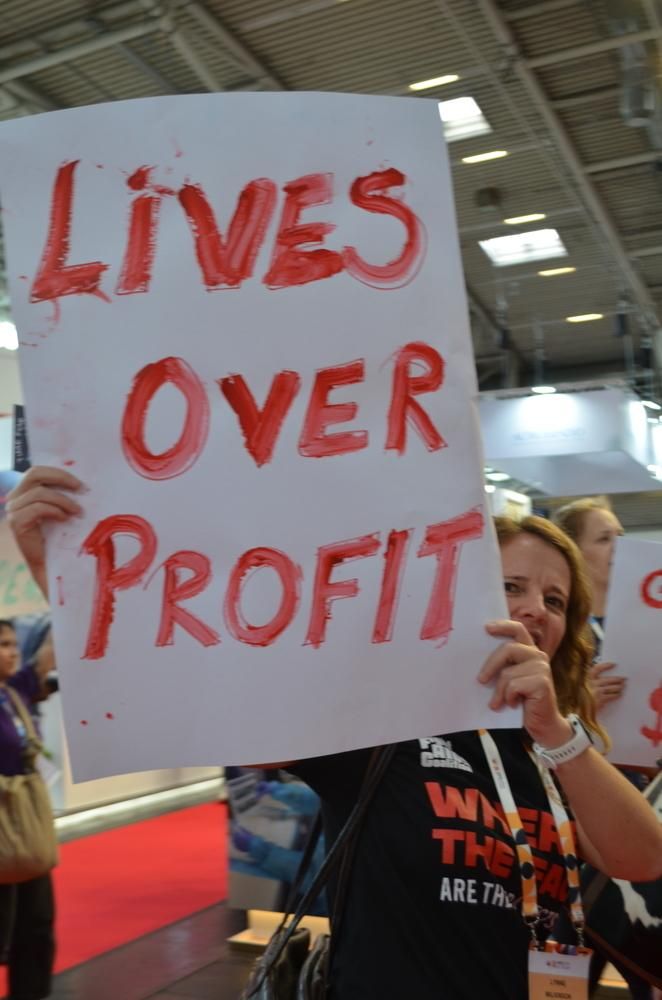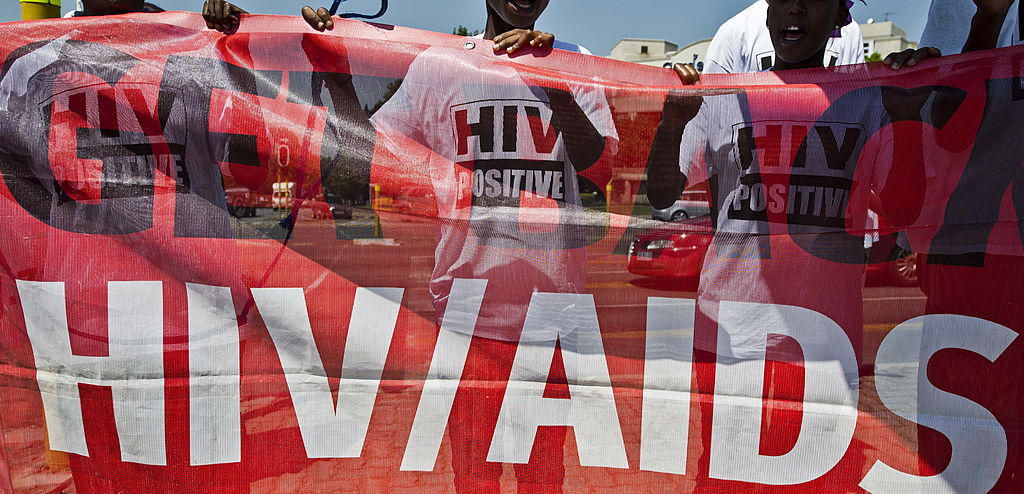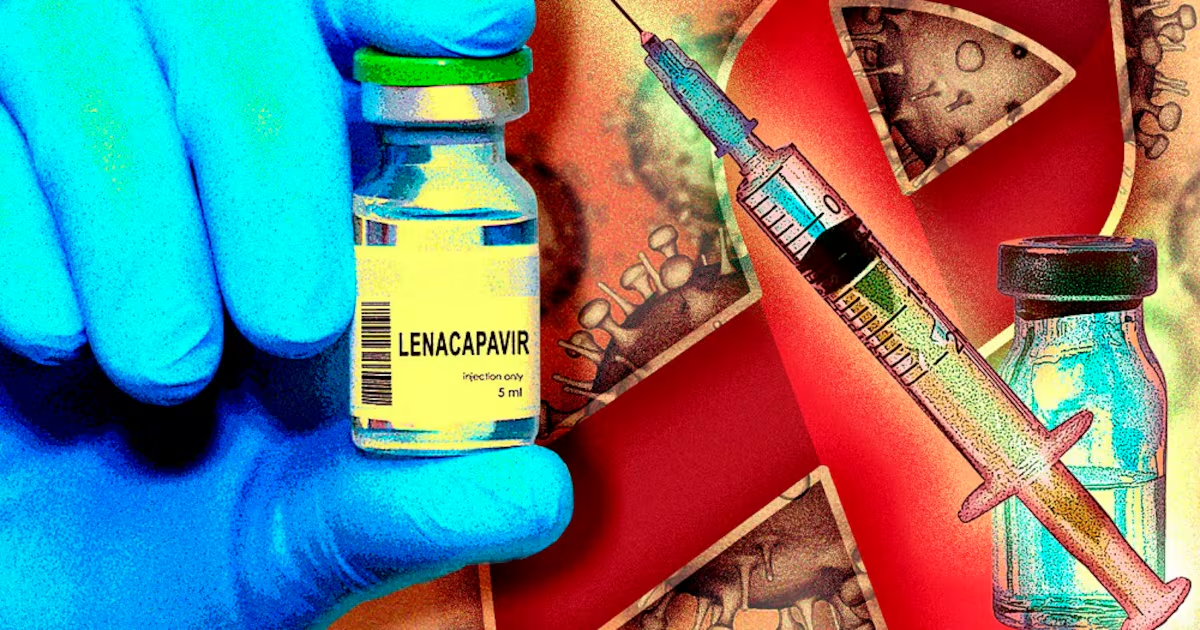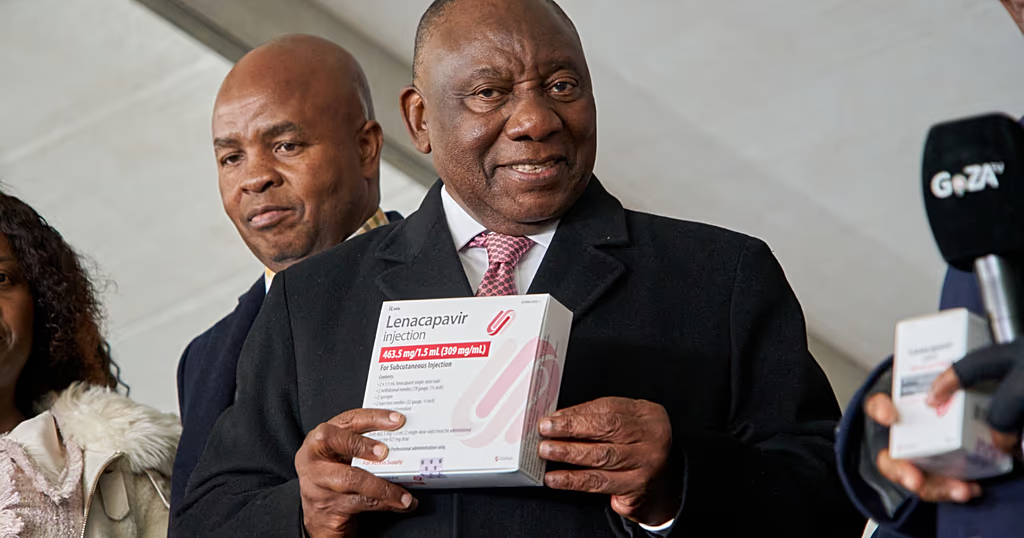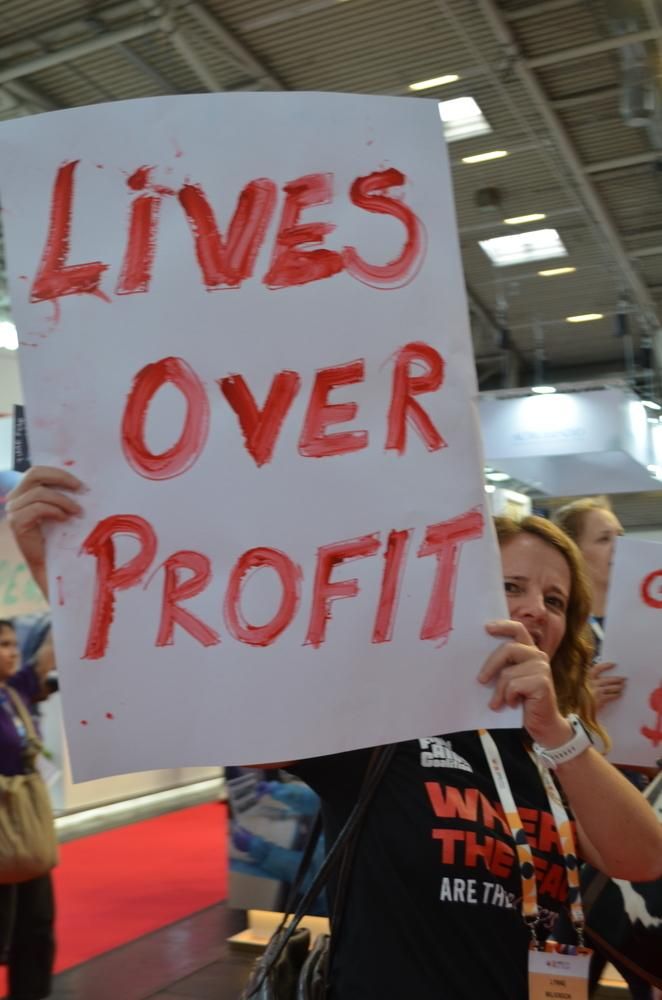
Doctors Without Borders (MSF) supporters taking part in a demonstration calling for gamechanging HIV prevention drug Lenacapavir to be made more accessible and affordable to all. The writers argue that more than a decade after PharmaGate, South Africa is still grappling with desperately needed reforms to its patent laws, leaving citizens to pay exorbitant prices for lifesaving medicines. What are the reasons for the delays?
It has been more than twelve years since the reveal of “PharmaGate”, a R6 million lobbying plot by the pharmaceutical industry aimed at delaying and weakening South Africa’s draft intellectual property (IP) policy.
The IP policy, which sought to introduce critical public health safeguards to South Africa’s patent system to ensure affordable and accessible medicines for all, was eventually adopted eight years later, in 2022. However, South Africa has still not amended its Patent Act, which is what actually governs how medicines are patented, and which was the next necessary – and promised – step towards reform. Instead, this has been deferred year after year, with each year of inaction resulting in people having to pay unjustifiably high prices for lifesaving medicines that are available elsewhere for a fraction of the price.