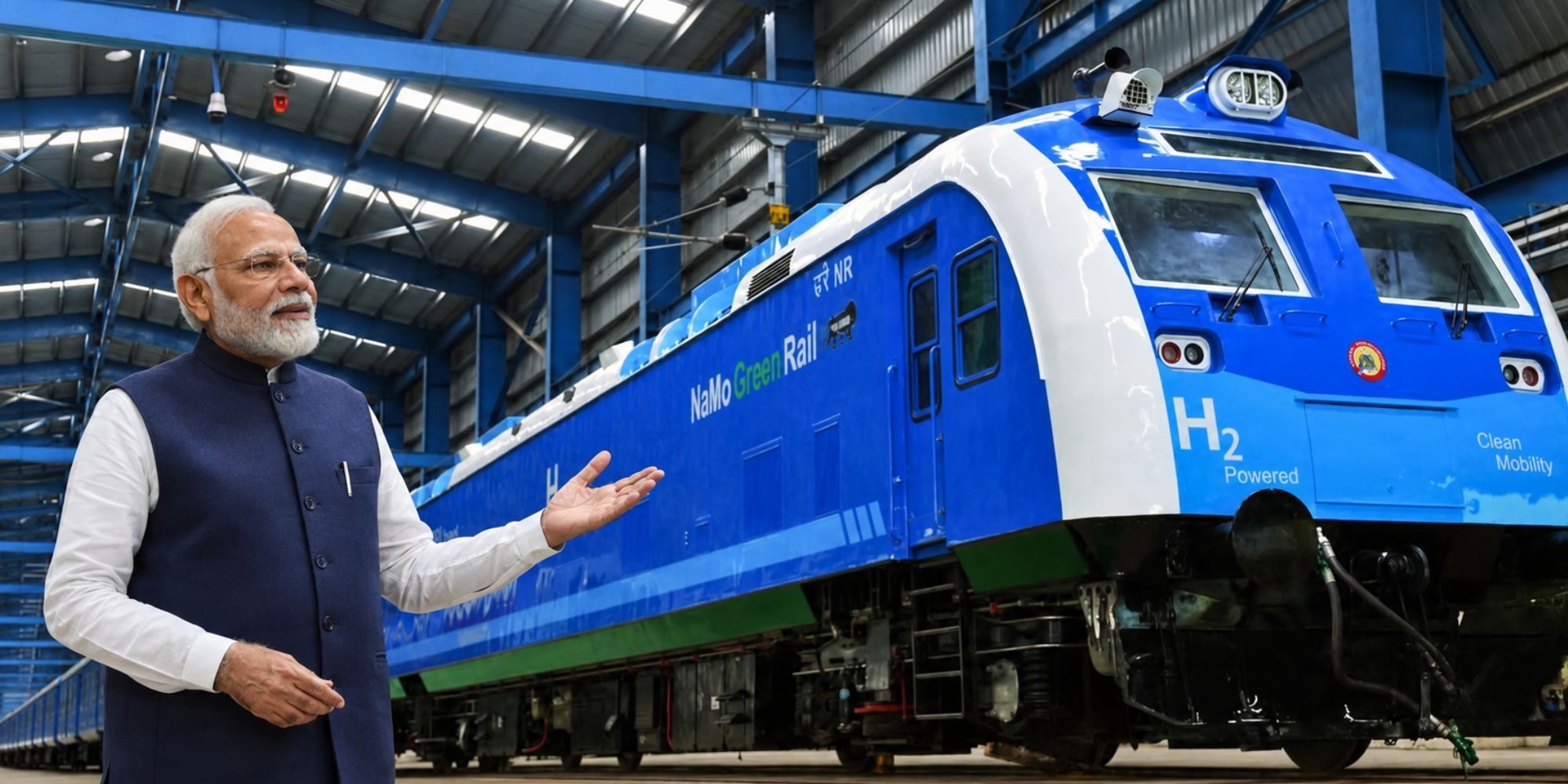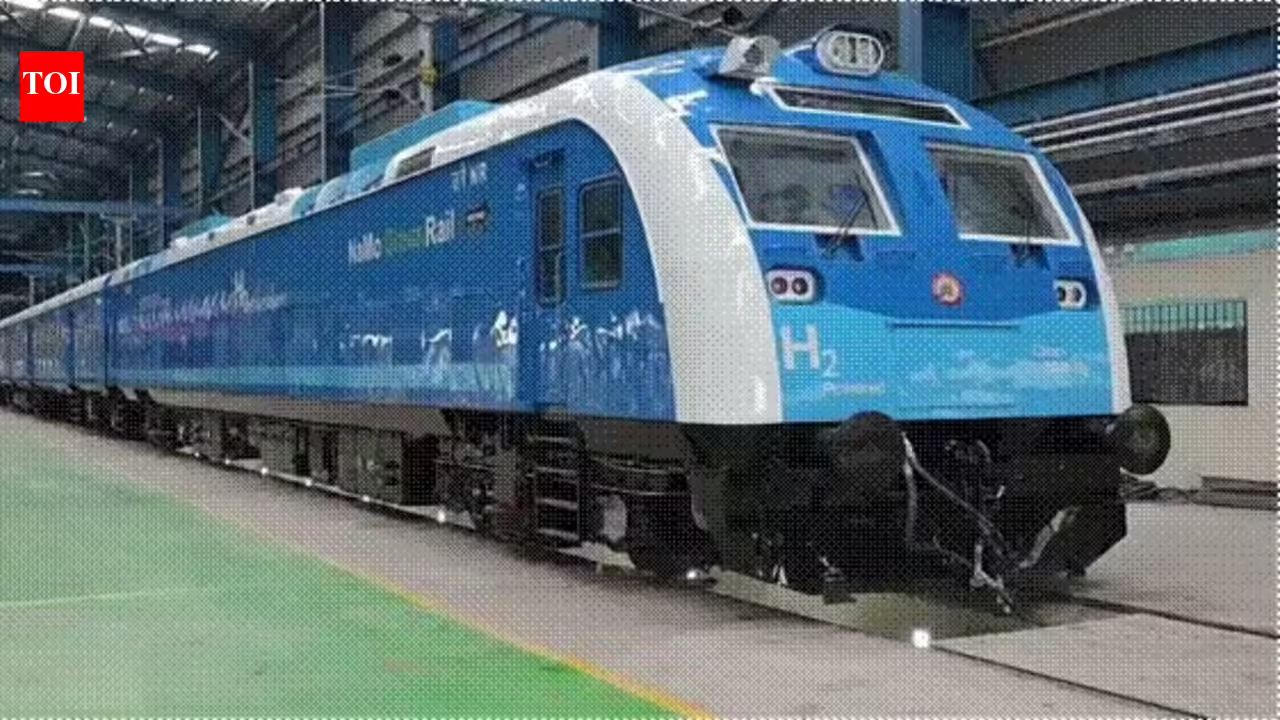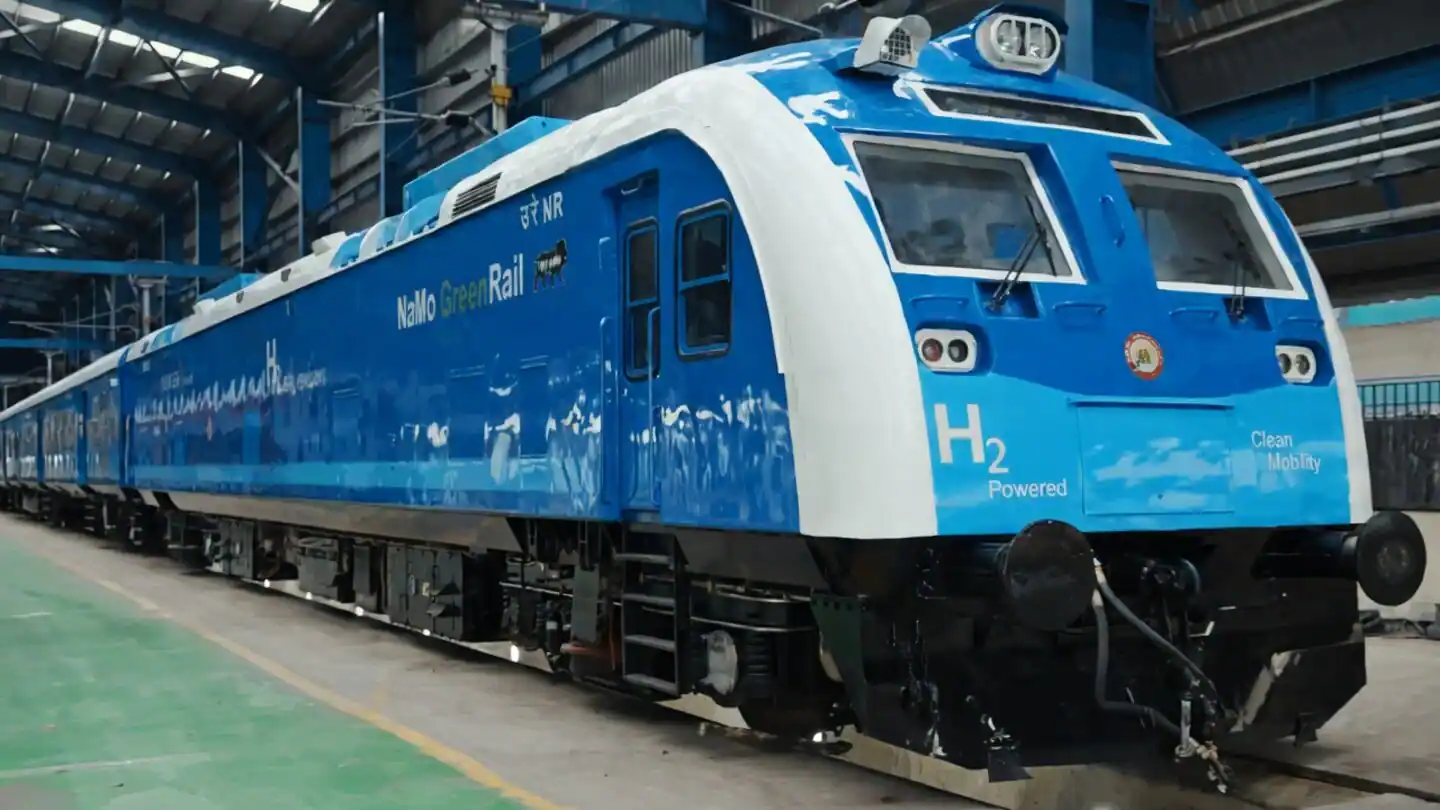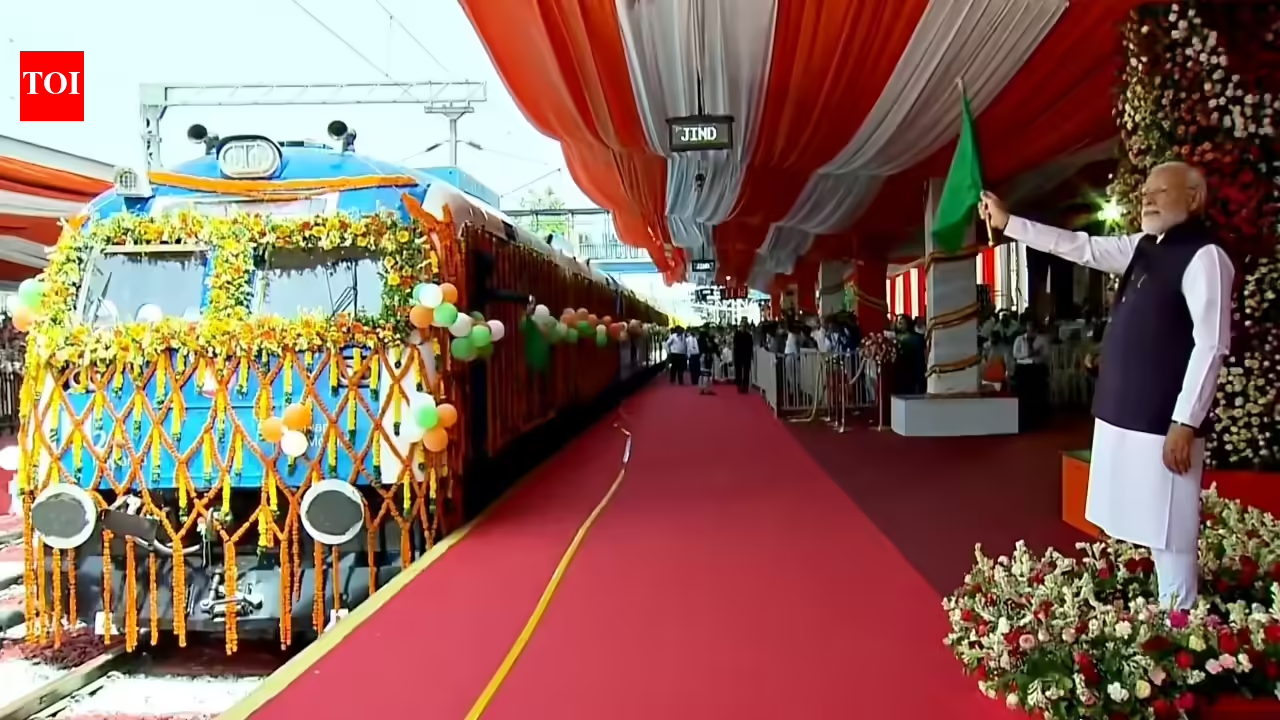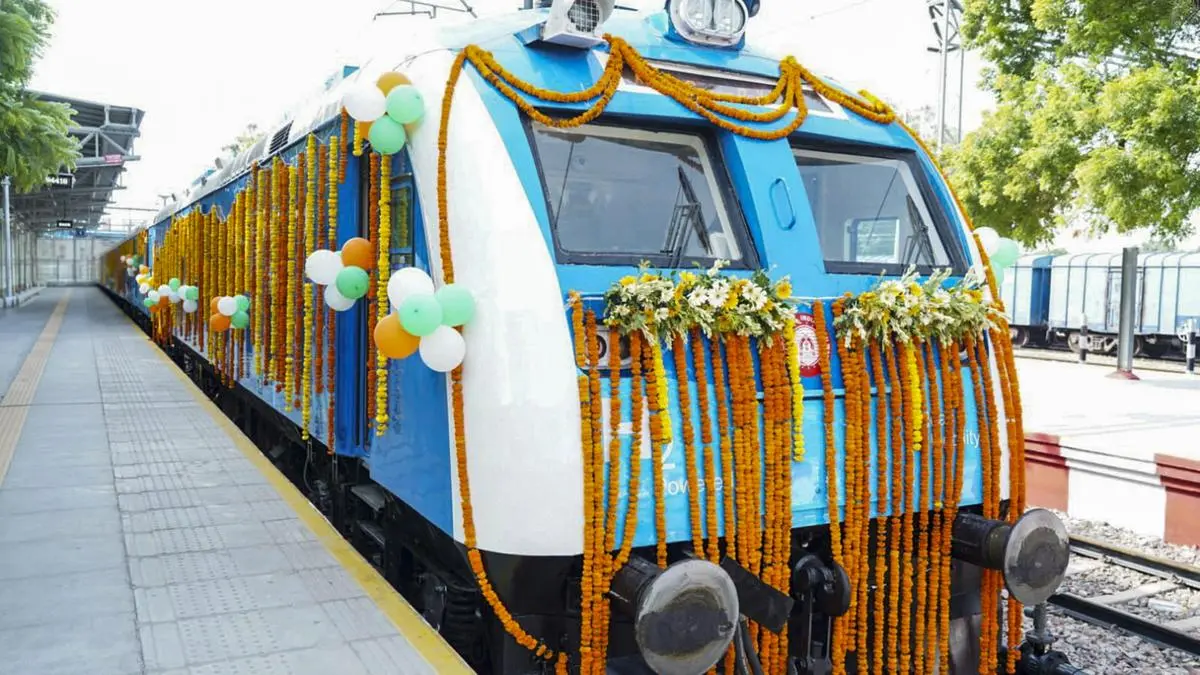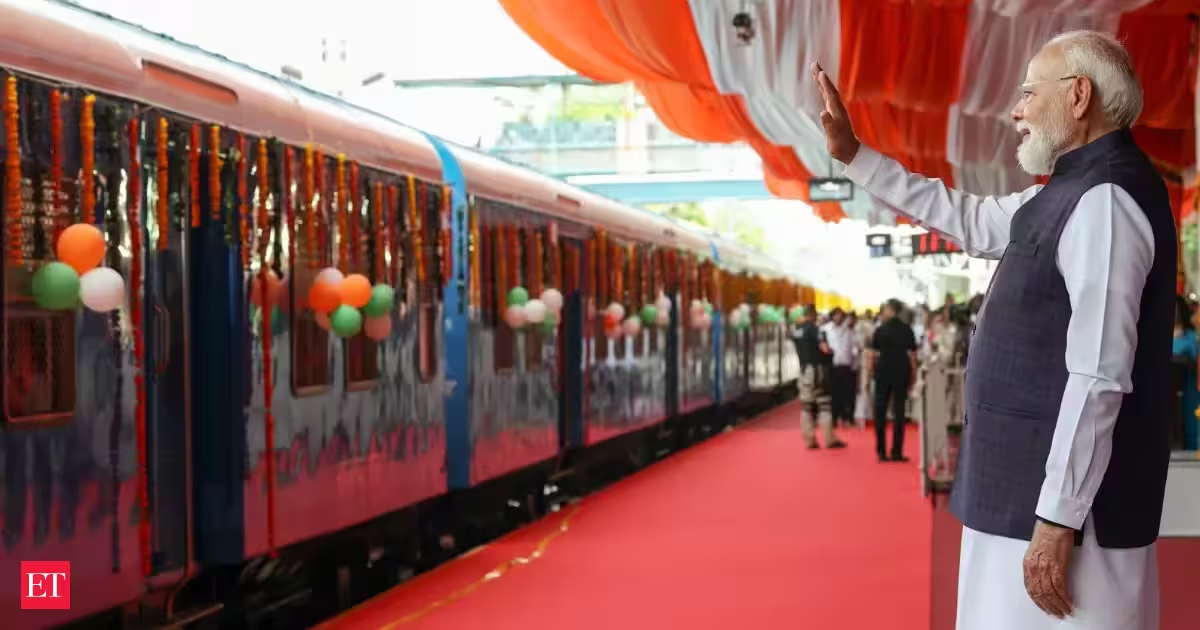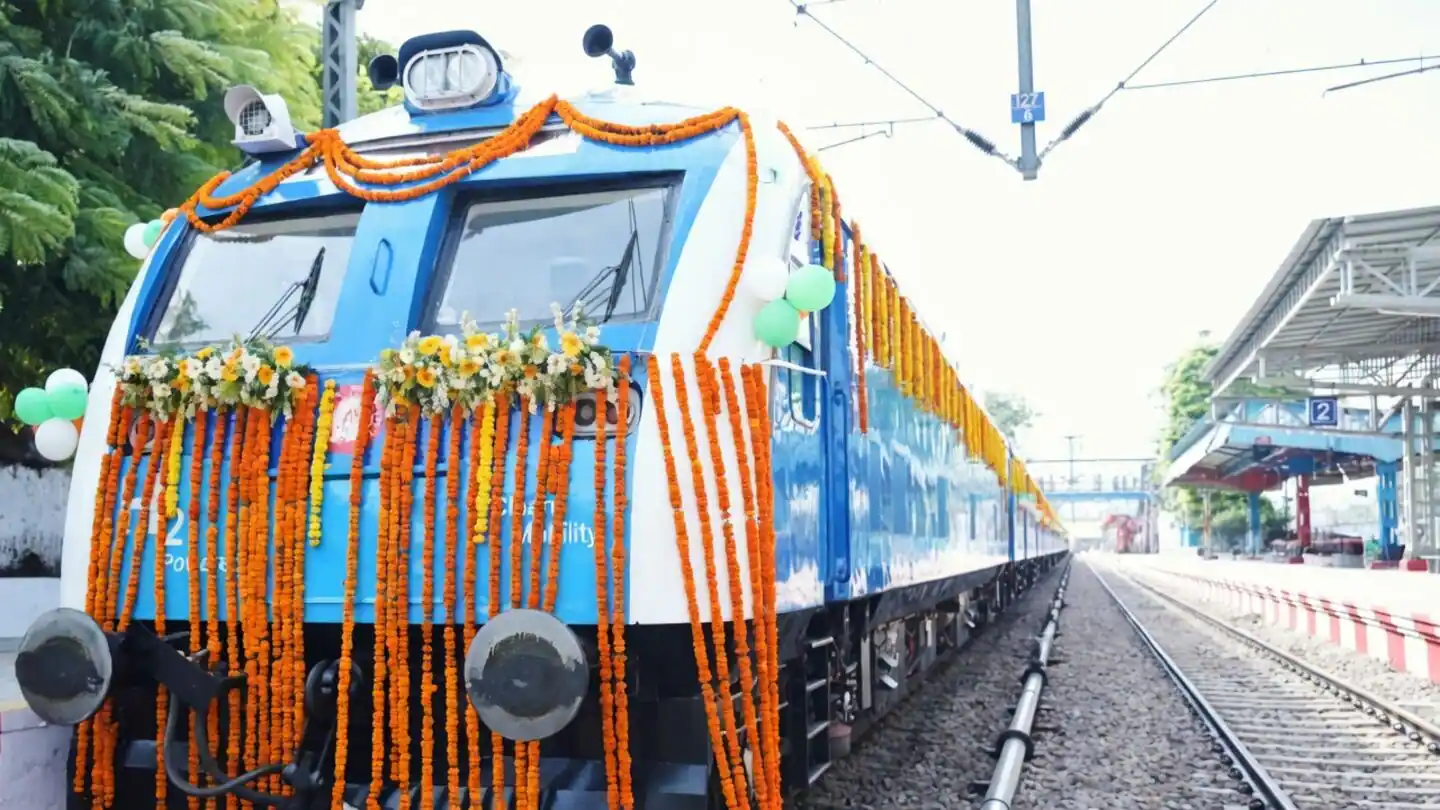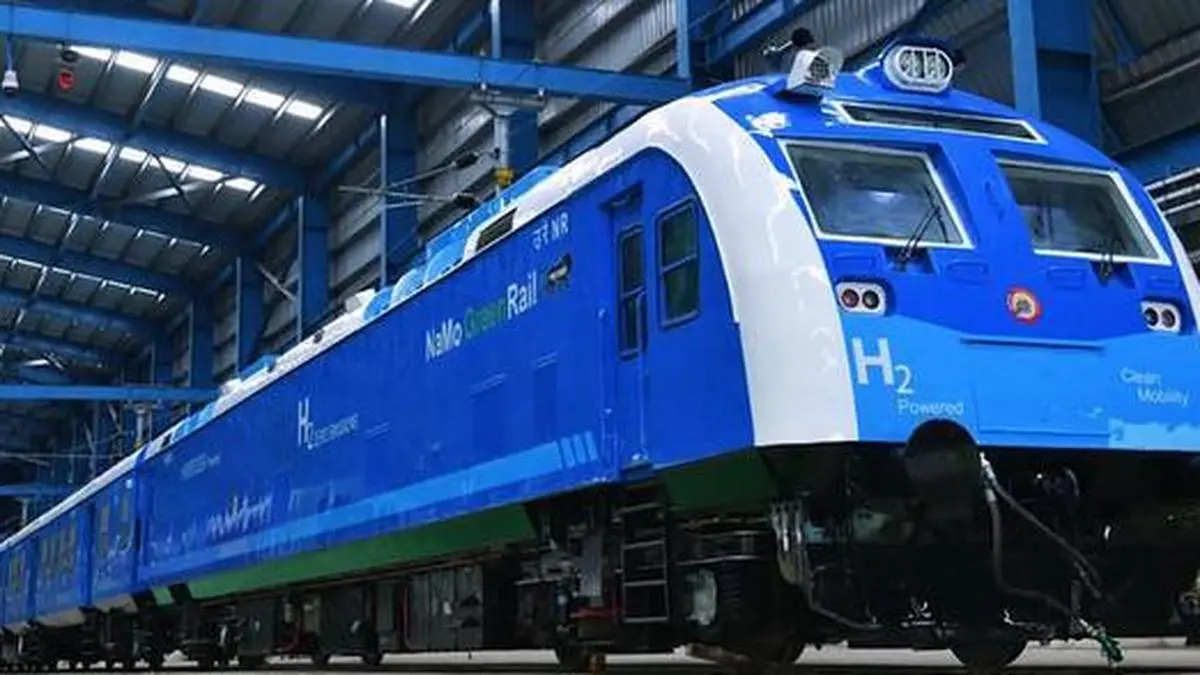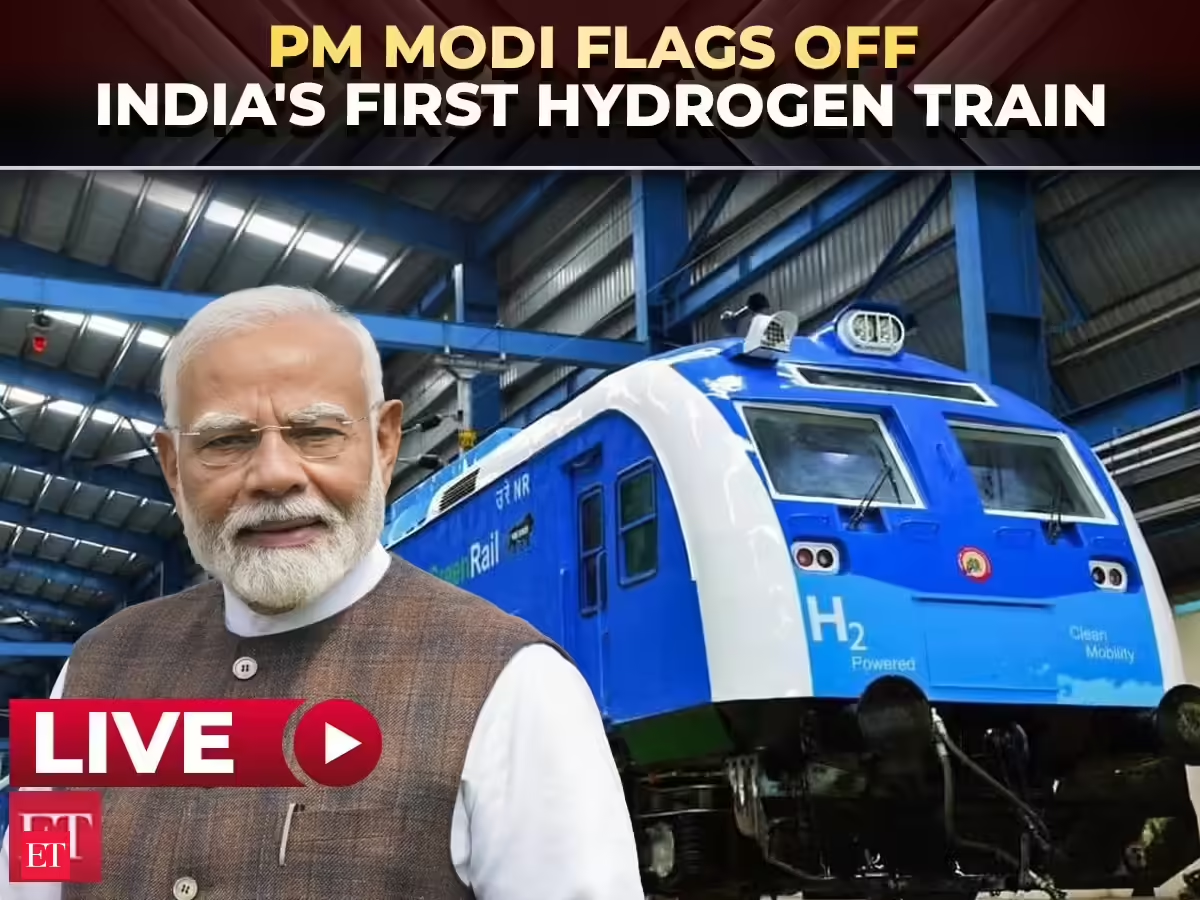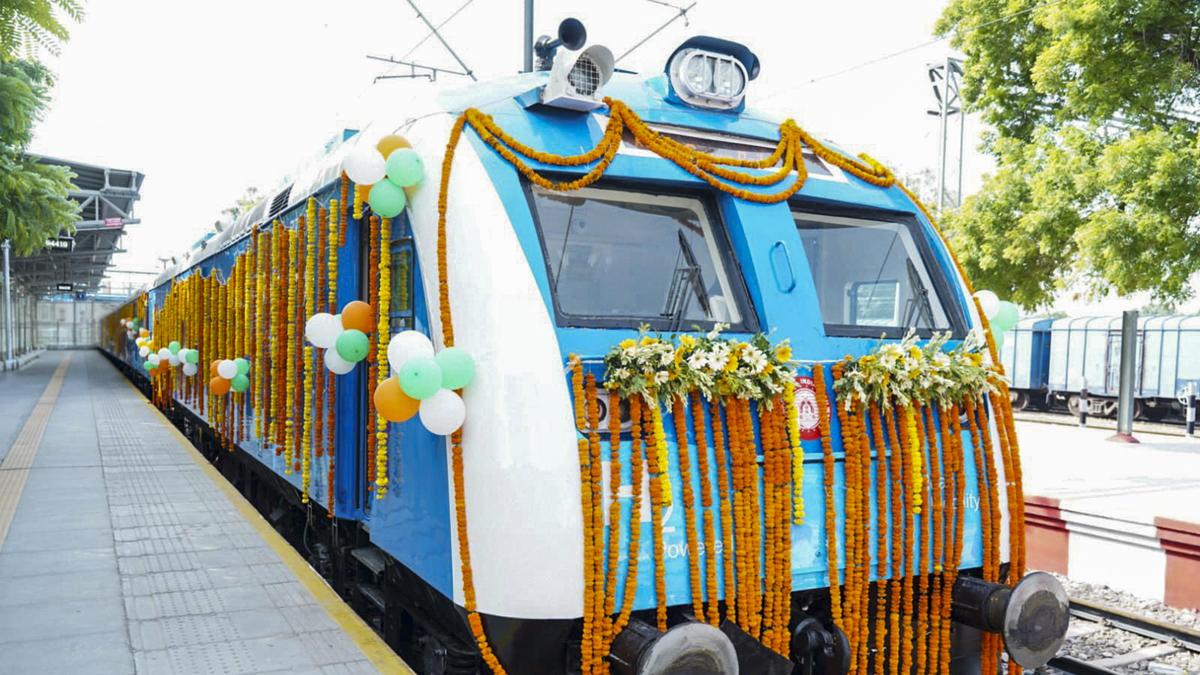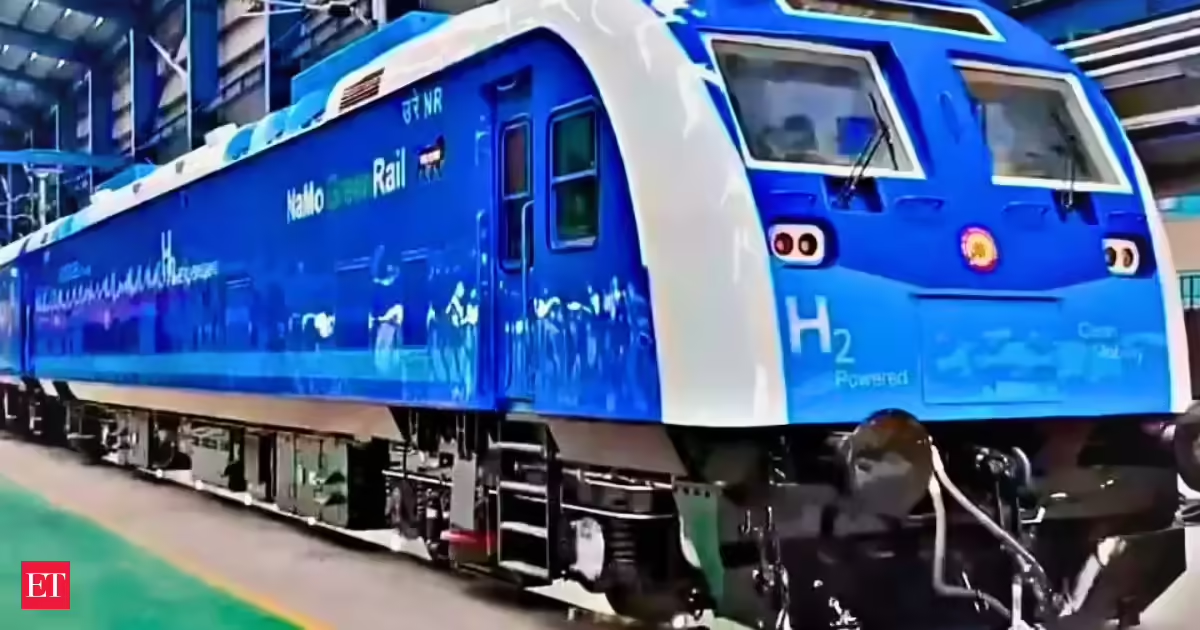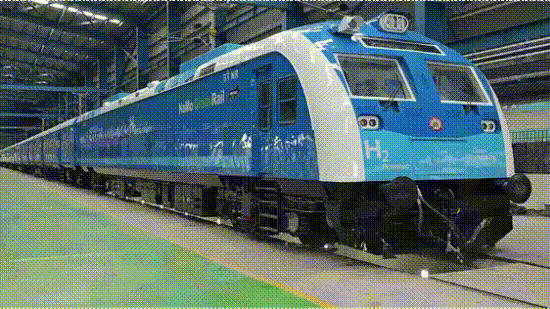
India is set to enter the small group of countries operating hydrogen-powered passenger trains, with Prime Minister Narendra Modi set to launch the country's first Hydrogen Fuel Cell Trainset on the Jind-Sonipat section in Haryana on Friday.The project marks a major milestone in India's clean mobility ambitions and comes after Indian Railways electrified more than 99% of its Broad Gauge network. (pib.gov.in)The 10-coach train, capable of carrying around 2,600 passengers, is among the largest hydrogen-powered passenger trainsets developed globally. Unlike conventional electric trains that rely on overhead power lines or diesel locomotives, it generates its own electricity onboard using hydrogen fuel cells, producing only water vapour and heat as direct emissions, the PIB press release said.The project marks another milestone in Indian Railways' clean energy push after the national transporter electrified more than 99 per cent of its Broad Gauge network, sharply reducing dependence on diesel.Also Read: HT Explainer | India’s first hydrogen train: All you need to knowRoute detailsThe Hydrogen Fuel Cell Powered Train will initially operate on the Jind–Sonipat section of Northern Railway, connecting Jind Junction, Gohana Junction and Sonipat while serving intermediate stations and proposed halts including Jind City, Pandu Pindara Junction, Lalit Khera Halt, Bhambhewa, Isapur Kheri Halt, Butane Halt, Khandrai Halt, Rabrah Halt, Lath Halt, Mohana, Barwasni Halt and Sonipat New.The route has been selected for demonstrating the operational viability, safety and reliability of hydrogen-powered passenger train services under regular operating conditions.Train to run on hydrogen fuel cellsThe train is powered by a Proton Exchange Membrane (PEM) fuel cell system. Hydrogen stored in high-pressure cylinders reacts with oxygen from the atmosphere to generate electricity, which powers the traction motors.The train comprises two Hydrogen Driving Power Cars, one at each end, and eight passenger coaches. Each power car produces 1,200 kW (around 1,600 horsepower), giving the train a design speed of 110 kmph. During the pilot phase, however, it will operate at up to 75 kmph on the 89-km Jind-Sonipat route under Northern Railway.To support operations, Indian Railways has built the country's largest railway hydrogen refuelling facility at Jind in Haryana.The plant produces hydrogen through electrolysis, compresses it to 500 bar and dispenses it at 350 bar, allowing both power cars to be refuelled simultaneously. The facility can store nearly 3,000 kg of hydrogen, enough to sustain regular train services.Officials said the project has created India's first integrated railway hydrogen ecosystem, covering hydrogen production, storage, compression, dispensing and train operations.Bigger than most hydrogen trains abroadHydrogen-powered trains are already in service or undergoing trials in countries including Germany, France, Italy, China and Japan. However, most of these trains consist of only two to four coaches and primarily serve regional routes.Indian Railways said its 10-coach train represents one of the world's largest hydrogen-powered passenger trainsets, demonstrating the feasibility of using hydrogen technology for higher-capacity passenger operations.Built in IndiaThe hydrogen train has been developed using indigenous technology under the leadership of Indian Railways.The Research Designs and Standards Organisation (RDSO) led the technical design and approval process, Medha Servo Drives integrated the trainset, while the Integral Coach Factory (ICF) designed the train's exterior.The Jind-Sonipat service will initially operate as a pilot project. Indian Railways is also exploring the deployment of hydrogen-powered trains on heritage routes, including the Kalka-Shimla railway, as part of the National Green Hydrogen Mission and India's long-term net-zero goals.
PM Modi to launch India's first hydrogen train tomorrow: Check full Jind-Sonipat route, stations
Indian Railways says its 10-coach train represents one of the largest hydrogen-powered passenger trainsets developed so far. | India News
552 words~3 min read