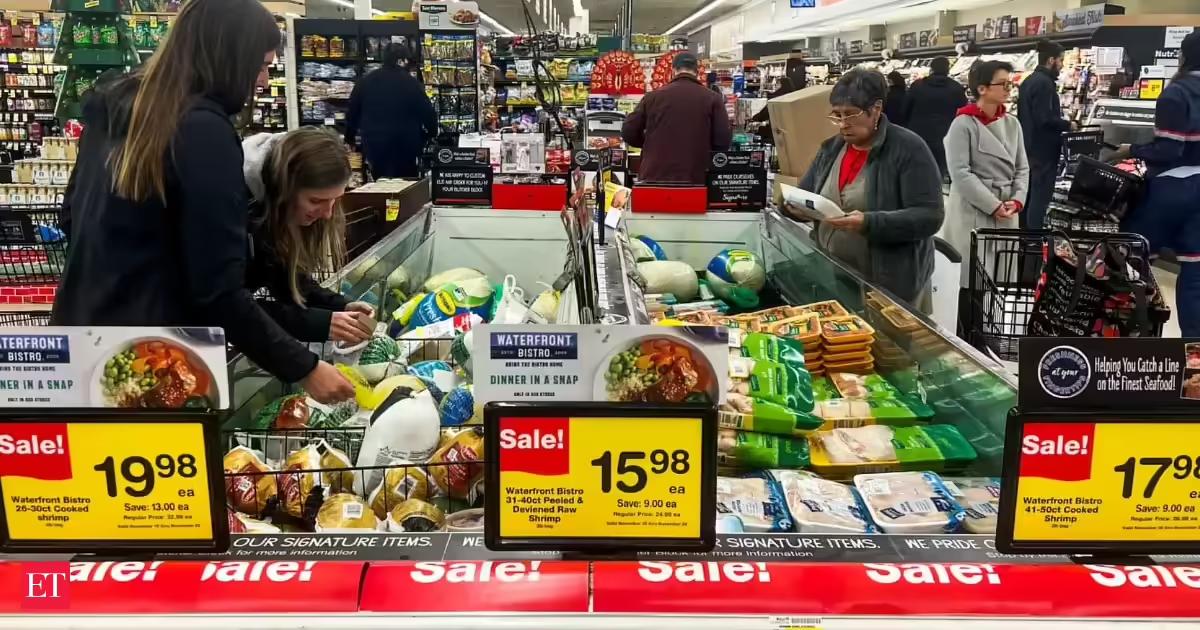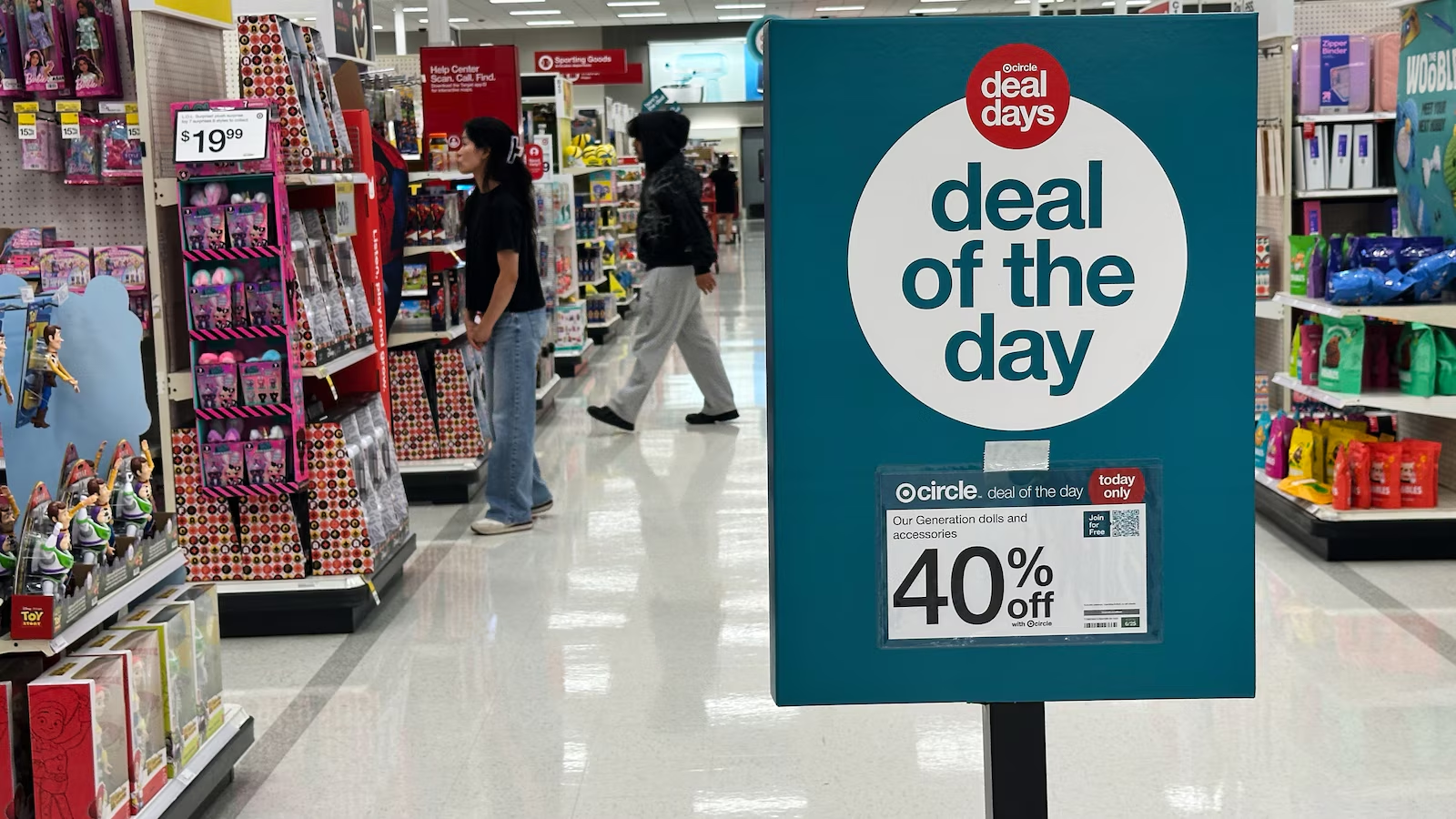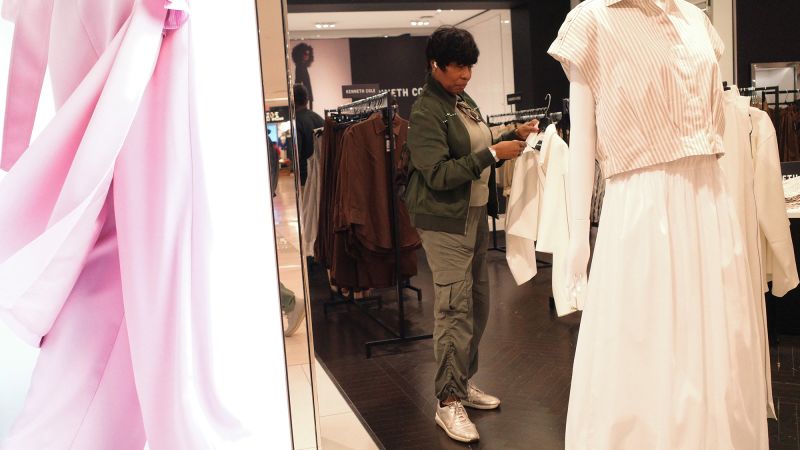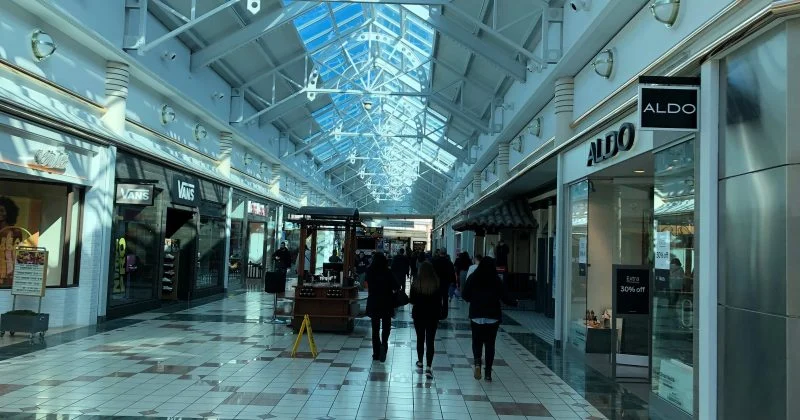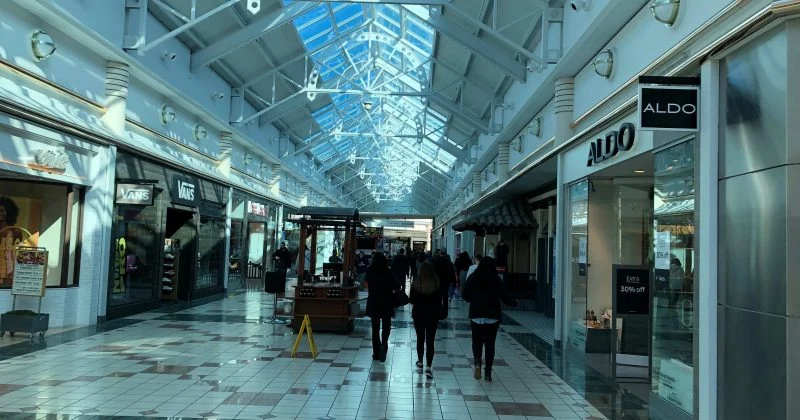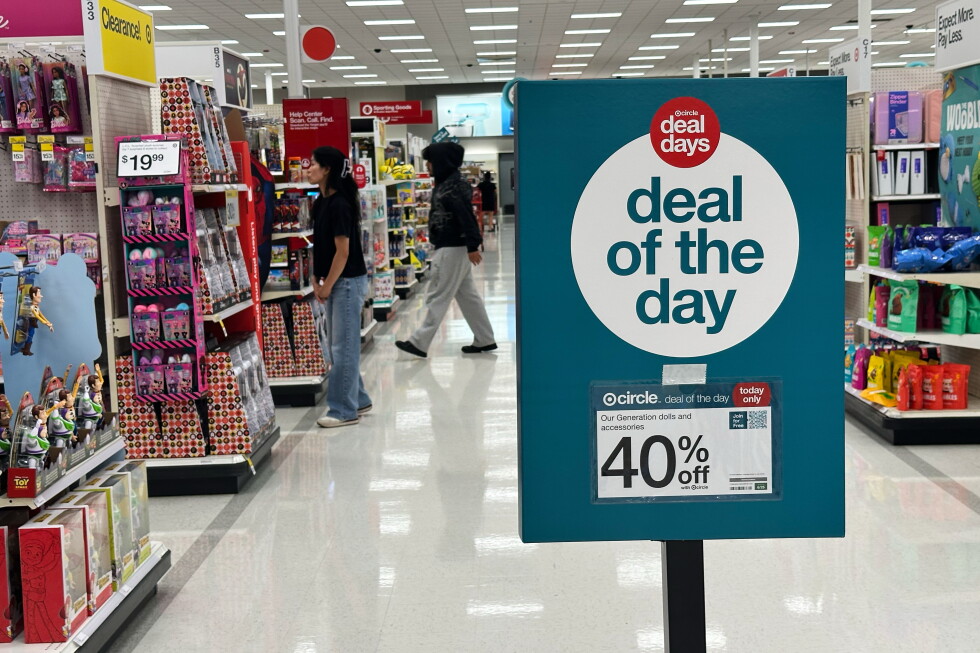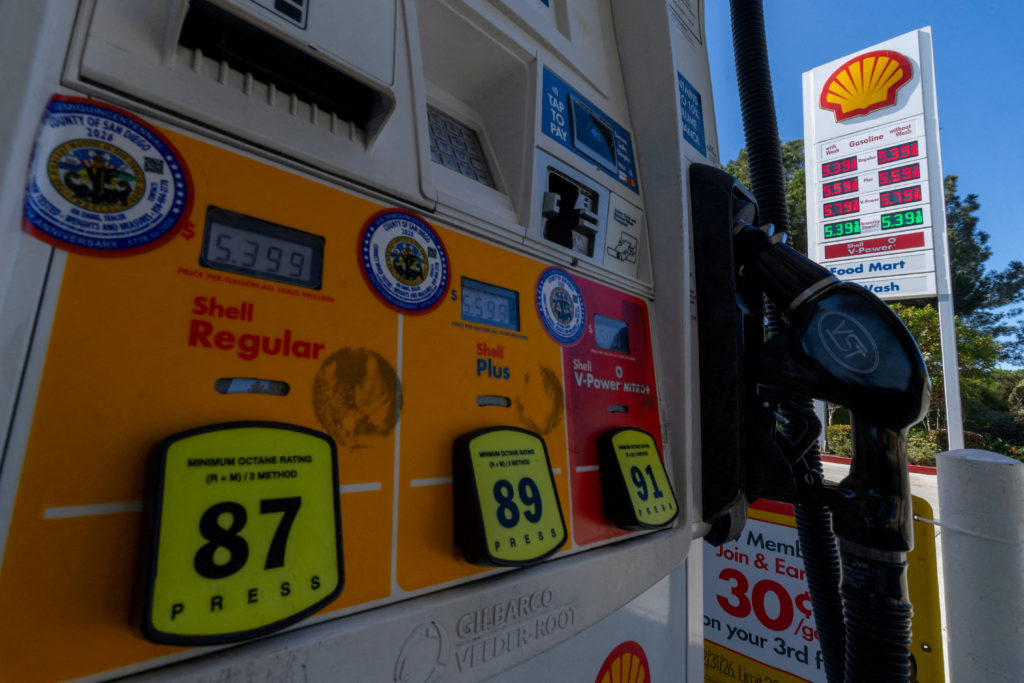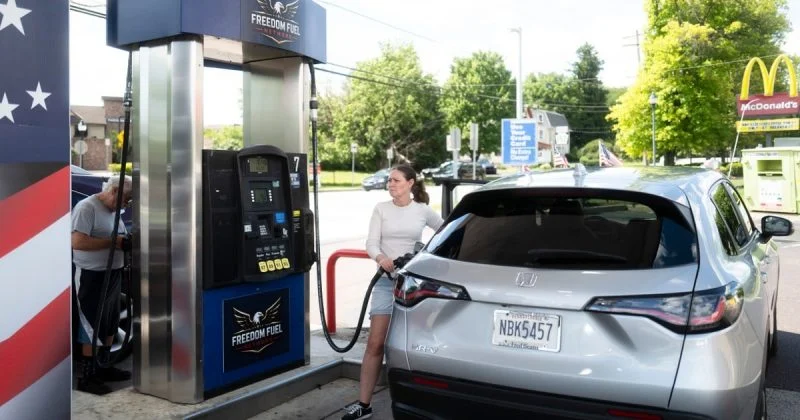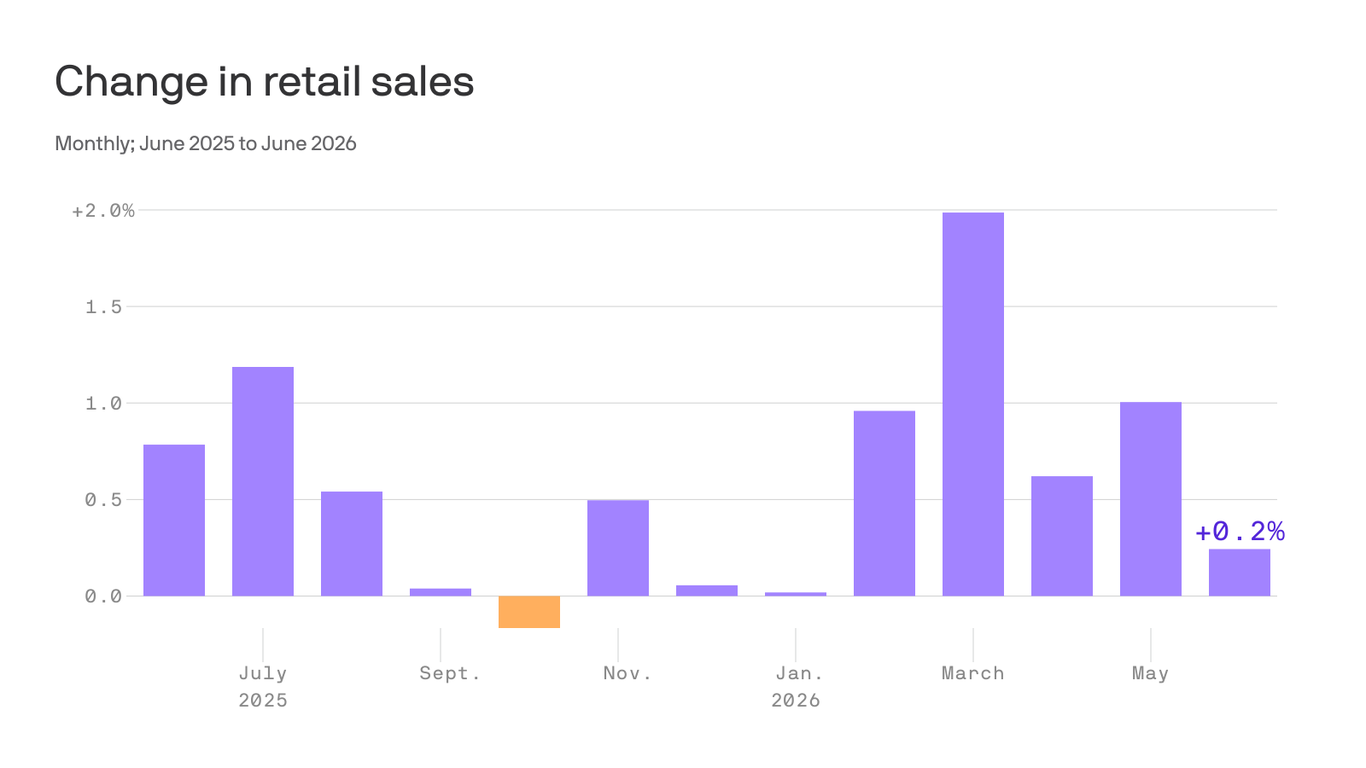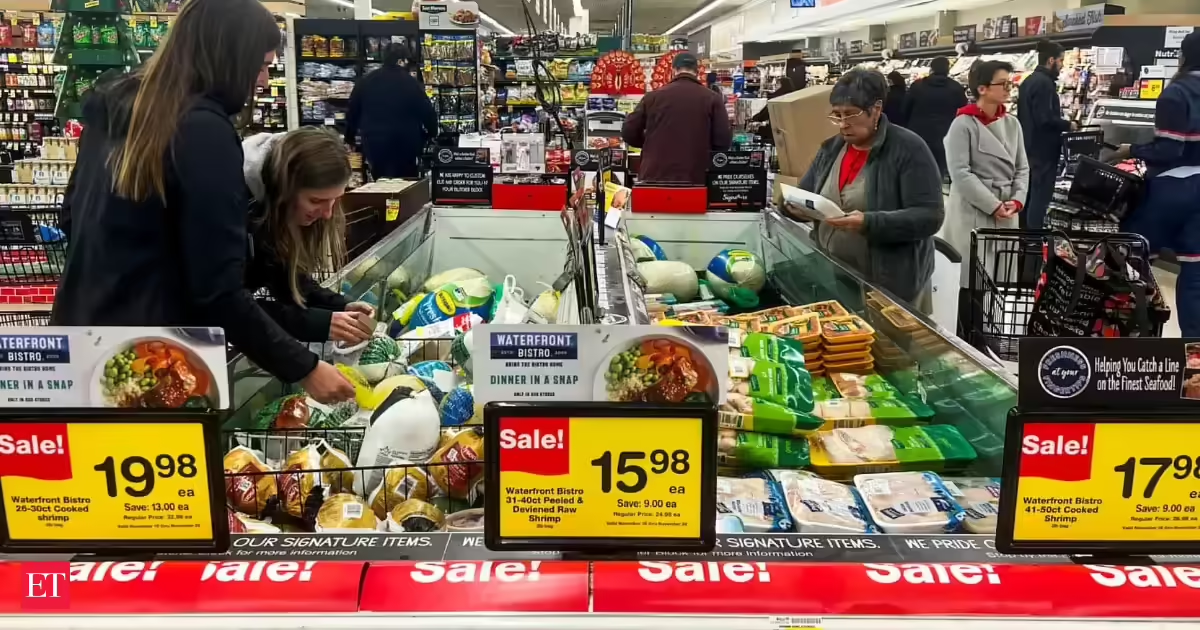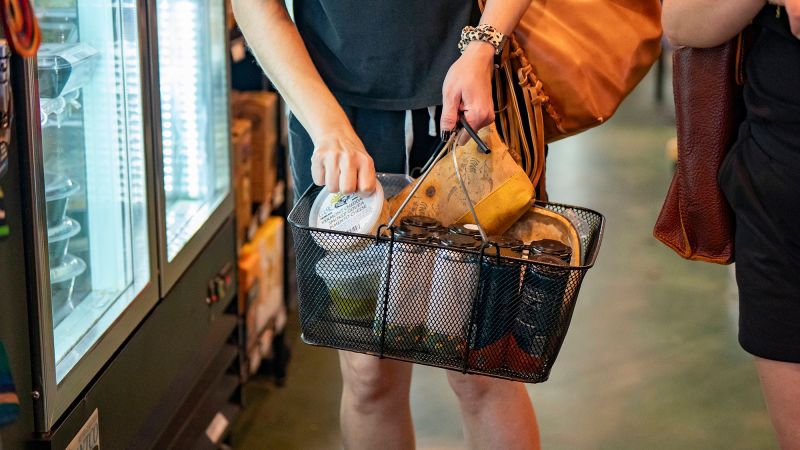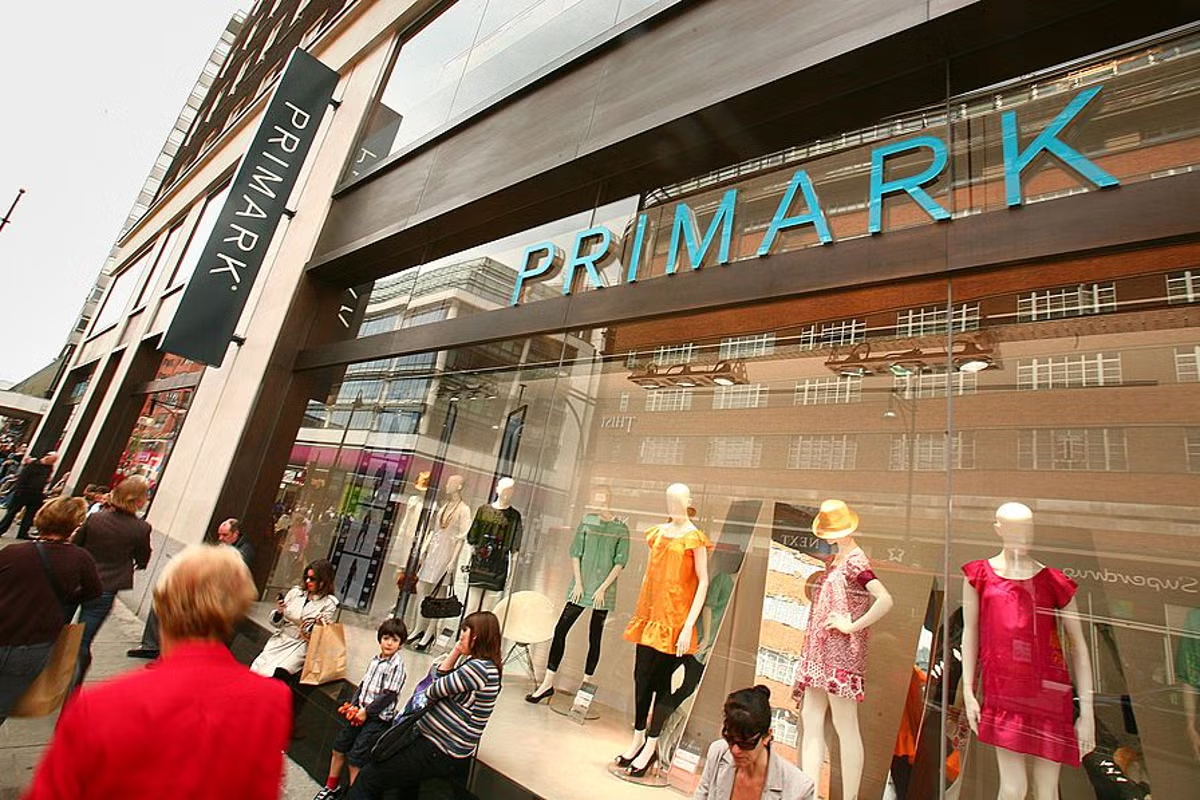
U.S. consumer spending saw a modest slowdown in June, with retail sales barely rising, even as inflation showed signs of cooling. The dip reflects ongoing economic uncertainty and the fading impact of generous government tax refunds, which had previously bolstered household budgets.Figures released by the Commerce Department on Thursday revealed a modest 0.2% increase in retail sales for June, a significant deceleration from May’s revised 1% growth. Excluding business at gas stations, retail sales demonstrated a more robust 0.7% rise. While online sales surged by 1.9%, fueled by Amazon’s Prime Day event held from June 23 to June 26, business at clothing and accessories stores slipped by 0.3%. Conversely, sporting goods, hobby, musical instrument, and book stores experienced a 1.3% uptick, partly attributed to spending around the World Cup. The report offers a snapshot of consumer activity, with the lone services category, restaurants, registering a slight 0.1% increase.This spending moderation occurred despite a notable cooling of US inflation last month. The cost of gas, clothes, and used cars fell, offering some relief to consumers. Gas prices, for instance, dropped to $3.94 per gallon on Thursday, down from $4.04 a month prior. The Labor Department reported on Tuesday that consumer prices declined by 0.4% from May to June, marking the largest monthly drop in four years. On a yearly basis, inflation eased to 3.5%, a decrease from May’s 4.2% and lower than many economists had anticipated.This spending moderation occurred despite a notable cooling of US inflation last month (Getty)Economists suggest that core inflation figures indicate the gas price spike from the Iran conflict, while impacting airfares and other costs, has not yet led to broad, sustained inflation. However, renewed United States attacks on Iran and President Donald Trump’s announcement of a new blockade in the Strait of Hormuz, a vital shipping route for about one-fifth of the world’s oil, threaten to unravel at least some of the progress made last month.Upcoming second-quarter earnings reports from major retailers like Walmart, Target, and Macy’s next month are expected to provide further insights into shopping behavior. A recent report from the Conference Board indicated a slight improvement in Americans’ attitudes toward the economy due to declining gas prices, though their overall outlook remains largely negative by historical standards.Upcoming second-quarter earnings reports from major retailers like Walmart, Target, and Macy’s next month are expected to provide further insights into shopping behavior (AFP/Getty)Sarah Williamson, a 27-year-old software support engineer in Raleigh, North Carolina, embodies the cautious consumer. She notes that over the past year, she has become more conscious of her spending. Despite feeling financially secure in her stable job, the increasing costs of food and gas are prompting her to reduce "frivolous spending." "I shop less overall as a hobby," she stated. Williamson now avoids more expensive items like pre-cut fruits at the supermarket and carefully considers clothing purchases, citing a $30 dress from the TikTok shop and a $72 cotton nightgown from Amazon.Brian Reynolds, CEO and founder of Just For Teens, a skincare line, highlights the market for value-priced essentials. His products, including $5 pimple patches, target budget-conscious families. His brand is set to expand to 10,000 Dollar General stores by October, up from 4,000 late last year. Reynolds anticipates increased momentum during the back-to-school season, stating, "There’s a lot of space for products that are everyday essentials that are value-priced."
Retail sales rose less than expected last month as consumers cut back on spending
This spending moderation occurred despite a notable cooling of US inflation last month
557 words~3 min read