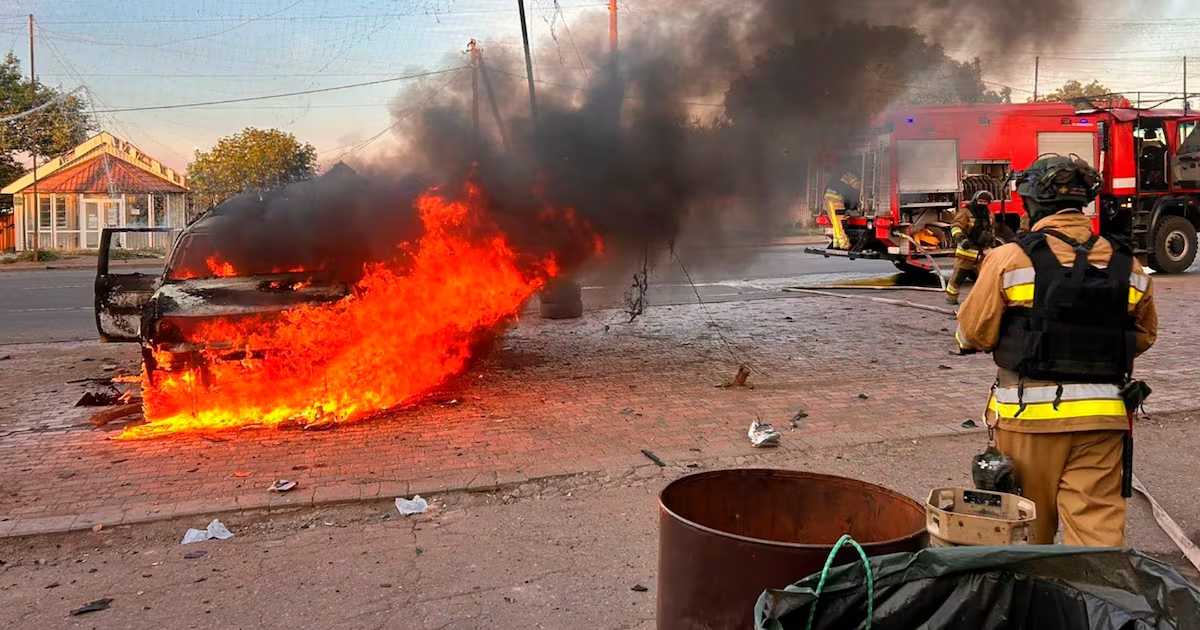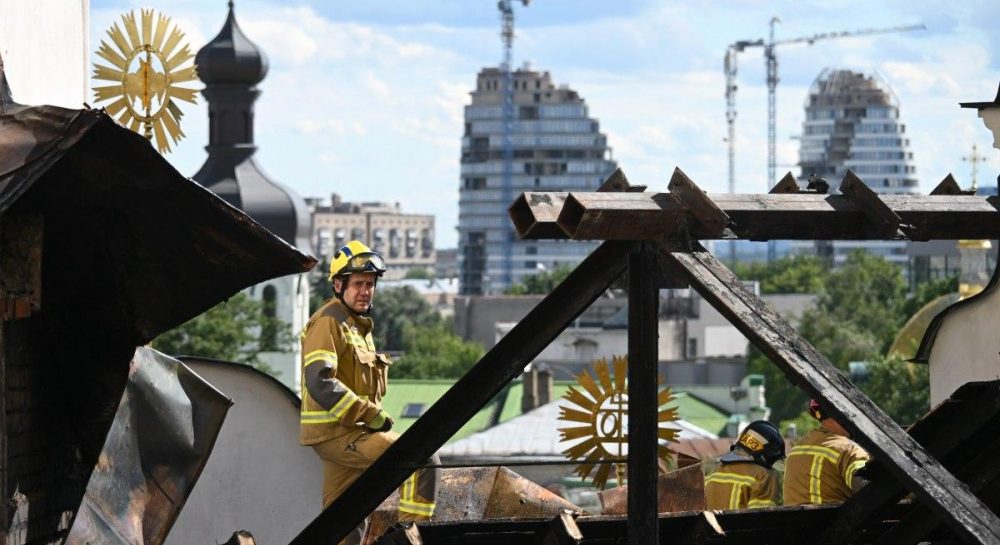
As international efforts to end the Russian invasion of Ukraine continue, it is also vital to look beyond the battlefield and address the issue of Ukraine’s recovery. This will shape Europe’s future for decades to come, with profound implications for European security and the democratic world’s ability to respond to international aggression.
Since the early stages of Russia’s full-scale invasion, the discussion over Ukraine’s recovery and reconstruction has focused primarily on numbers. The anticipated cost of recovery has risen steadily over the past four years, with current estimates putting the price at significantly more than $500 billion. While partner countries and potential institutional investors debate financing mechanisms and support programs, it is crucial to clarify what kind of country should emerge from the horrors of Russia’s invasion.
The objective should not be to repair and rebuild all that was lost or damaged during the war. Instead, Ukraine’s recovery must focus on creating a stronger and more economically competitive country that can offer security and prosperity to its citizens.
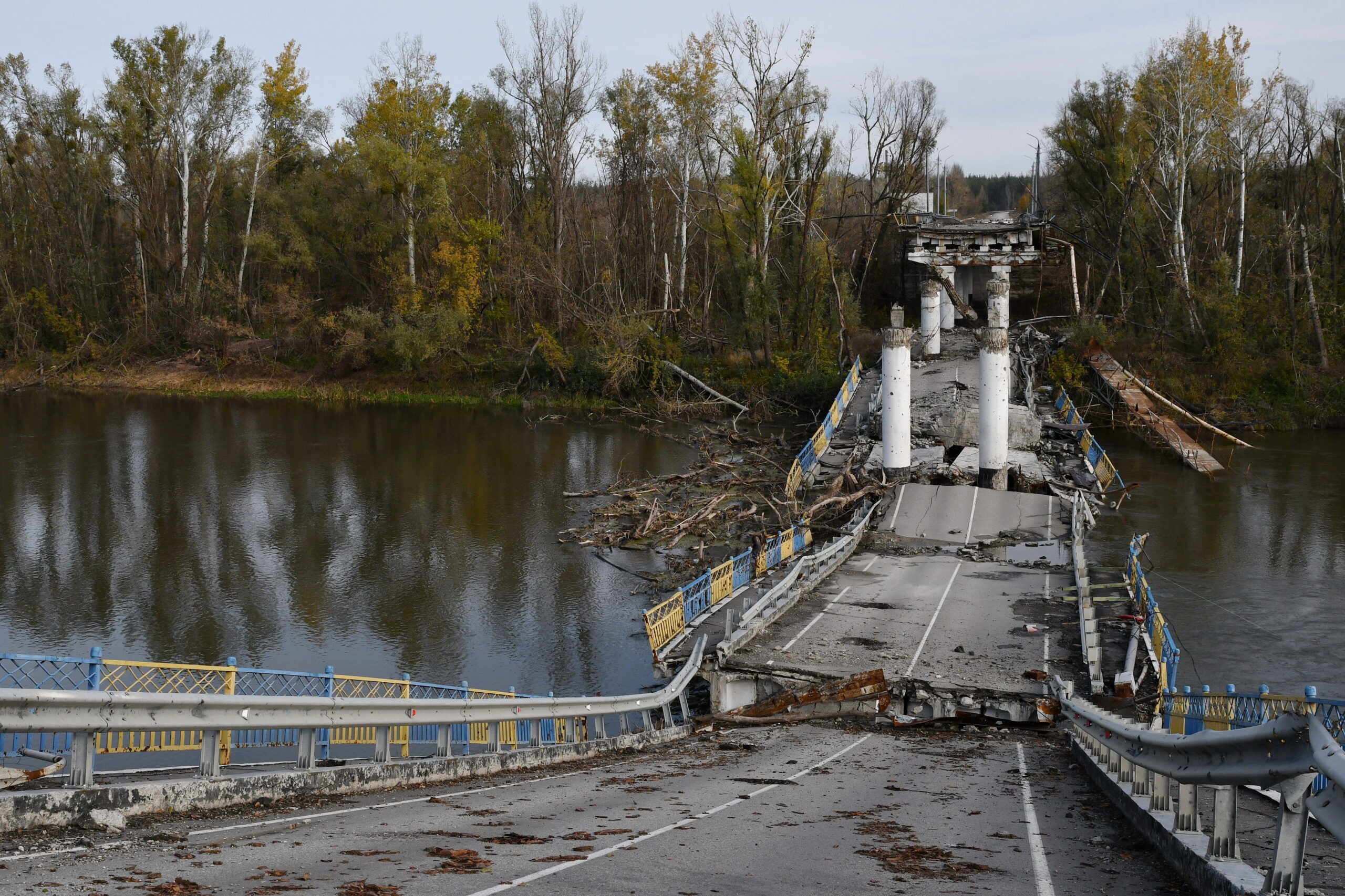
Ultimately, the true measure of success will not be the amount of bridges repaired or buildings constructed, but the number of Ukrainians who choose to build their future in Ukraine. Will displaced Ukrainian families return home? Will the next generation of young professionals choose to stay and build their careers? Will military veterans find new opportunities and a renewed sense of purpose in the country they fought to defend? The answers to these questions will define Ukraine’s recovery.