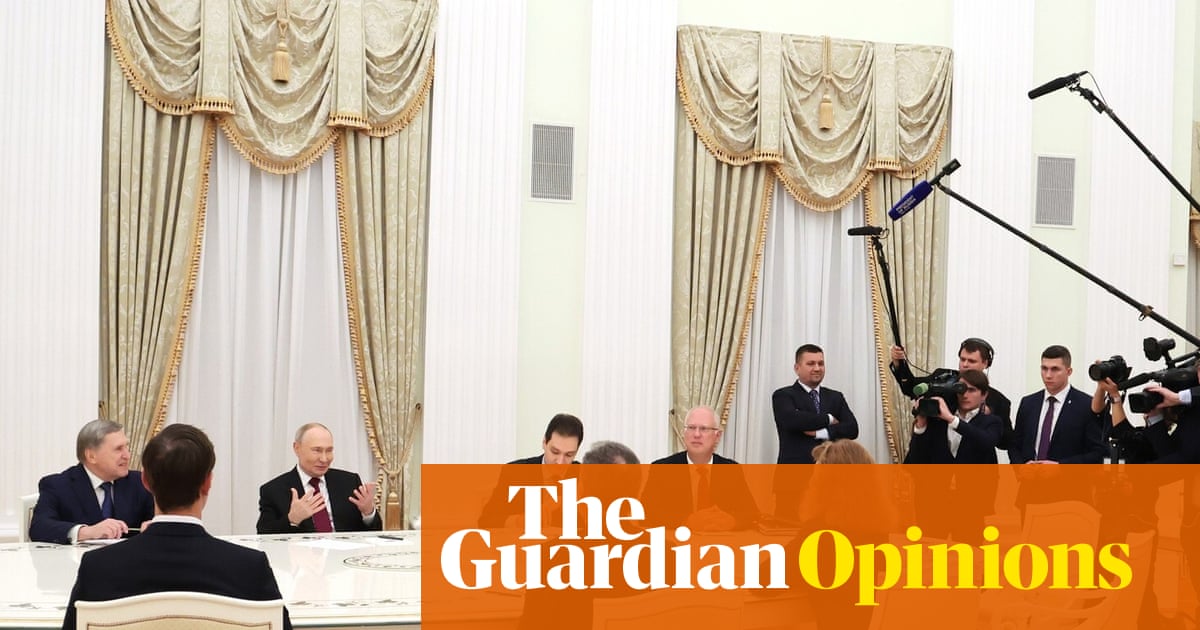
Russia’s full-scale invasion of Ukraine is not merely an isolated military conflict; it is the logical consequence of a deep civilizational crisis and the weakening of the European core. To understand this process, one must look back at the era between 1992 and 1994, when then German Chancellor Helmut Kohl personified the “geopolitics of power.” Kohl understood a fundamental truth: Russia respects only facts on the ground and economic-political weight. His “friendship” with Russian President Boris Yeltsin was not naive; it was rooted in a position of strength. When Kohl provided billions of marks for the housing of Russian soldiers, he did so with an unwavering condition – the irrevocable and rapid withdrawal of the Russian army from East Germany and Central Europe. At that time, Europe was ideologically unified, and confident in its democratic foundations. This clarity deprived Moscow of any moral or political room to maintain its occupation.JOIN US ON TELEGRAMFollow our coverage of the war on the @Kyivpost_official. The contrast between Kohl’s leadership and today’s leaders is most evident in the “weight of one’s word.” During the 1991 coup against Mikhail Gorbachev, Kohl took an immediate, unyielding stand, demanding his return. Today, in the face of the annexation of Crimea or the tragic fate of former Russian opposition leader Alexei Navalny, Europe has often retreated into “processes,” resolutions, and “deep concern” rather than projecting raw political force. Where Moscow once saw a pillar of stability in Kohl, it now sees an ideologically fragmented space that has lost the will for its own defense.
Europe’s Lost Resolve: How Ukraine Rekindles the Meaning of Power
Europe’s strategic will has faded since Kohl’s era, but Ukraine’s resolve is restoring the meaning of power, exposing Western drift, and reviving the core strength of a civilization.
739 words~3 min read