In a speech at the Stockholm Water Symposium in August 1995, World Bank Vice President Ismail Serageldin warned that “the wars of the next century will be fought over water.” Few expected that the warning would come true this early in the new century, and even fewer expected it to play out between two nuclear-armed rivals.
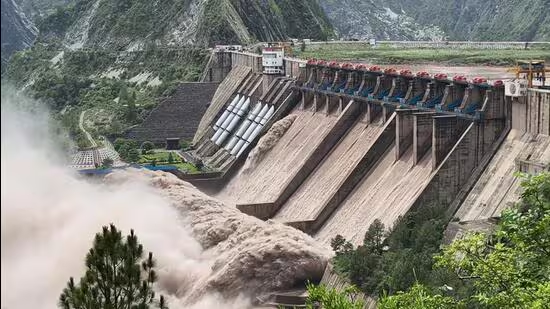
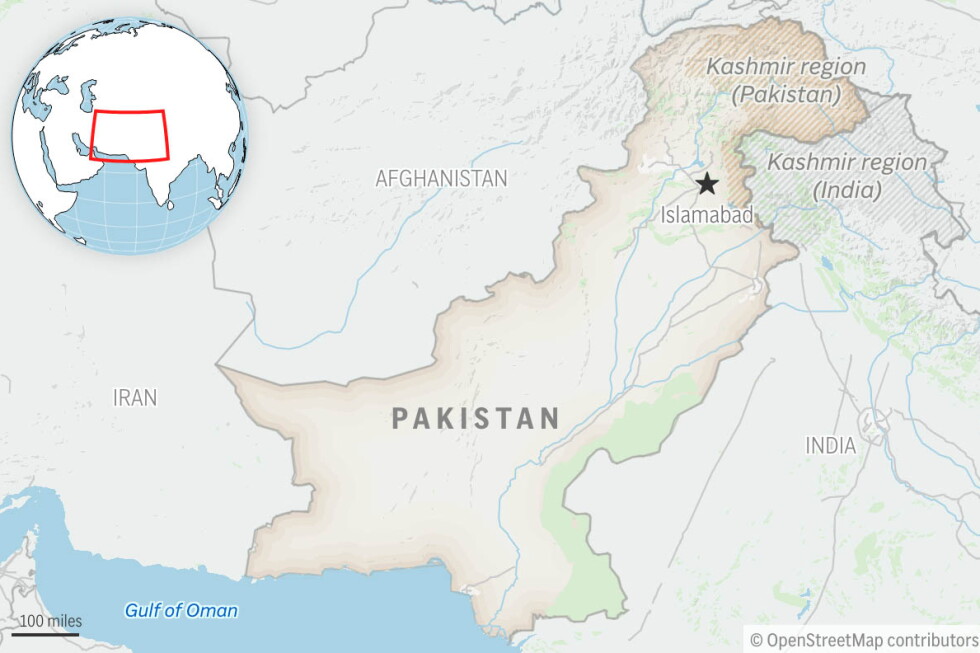
In recent months, Pakistan has given unusual attention to the Indus Waters Treaty (IWT), with a steady stream of statements from state officials and extensive media coverage — all signaling how much weight Islamabad now places on its water dispute with India. Last year, Pakistan’s National Security Committee explicitly and bluntly warned, “Any attempt to stop or divert the flow of water belonging to Pakistan … will be considered as an Act of War and responded with full force across the complete spectrum of National Power.” The phrase “complete spectrum” is an implicit reference to nuclear weapons.
New Delhi has repeatedly signaled its intent to deny Pakistan water if it continues to back terrorism targeting India. That posture sits in open contravention of the IWT’s provisions. For Islamabad, this is no longer a matter of transboundary resource management. It is rapidly becoming a question of national survival.