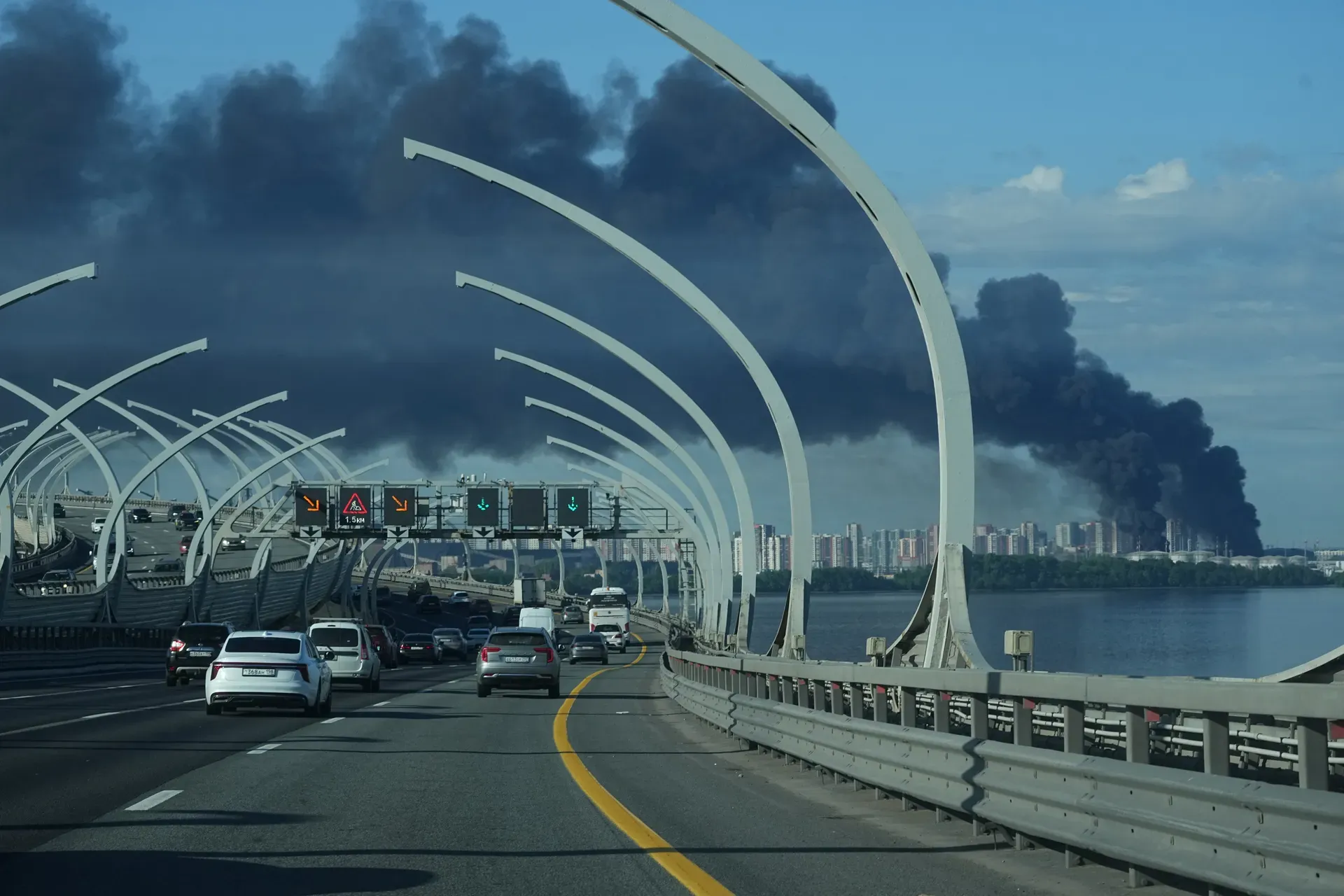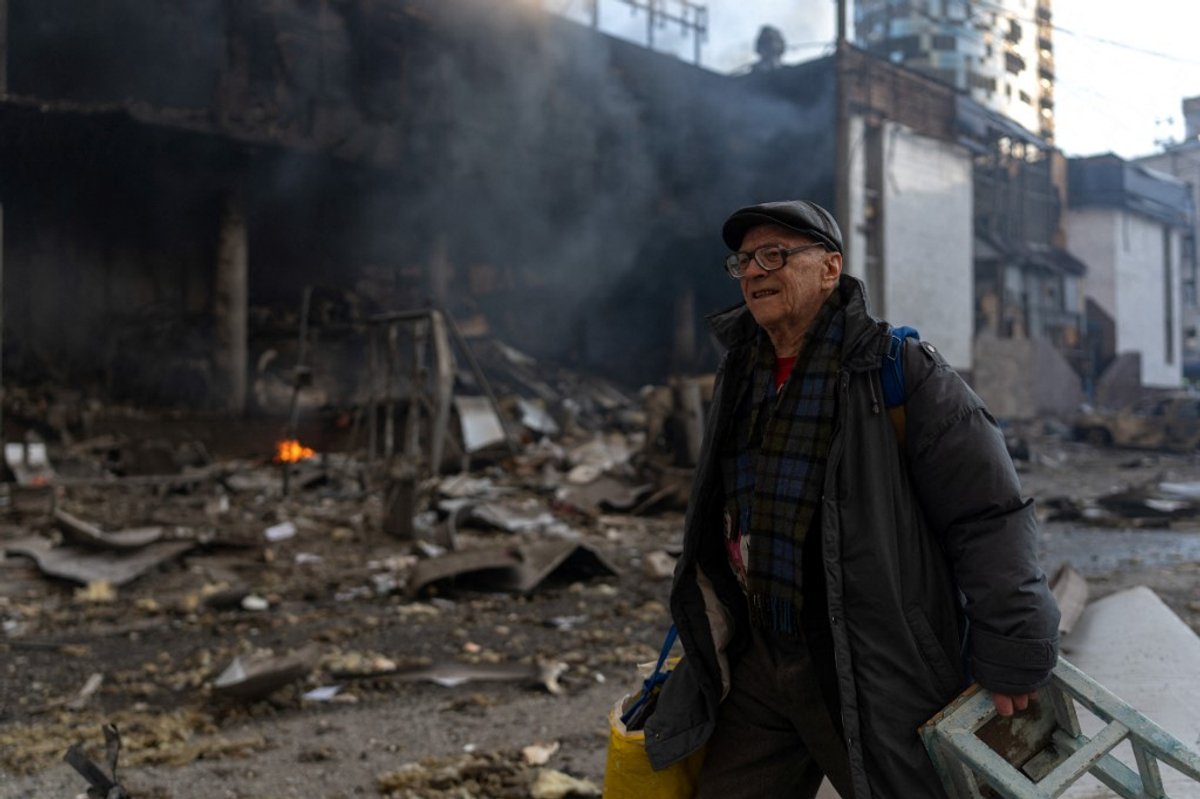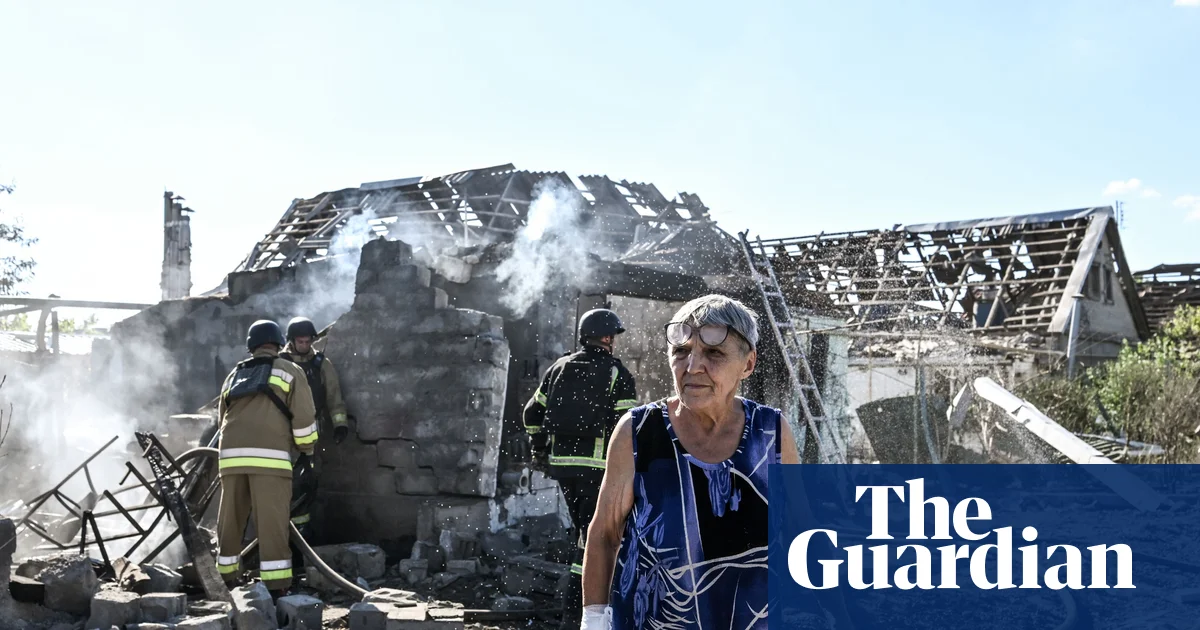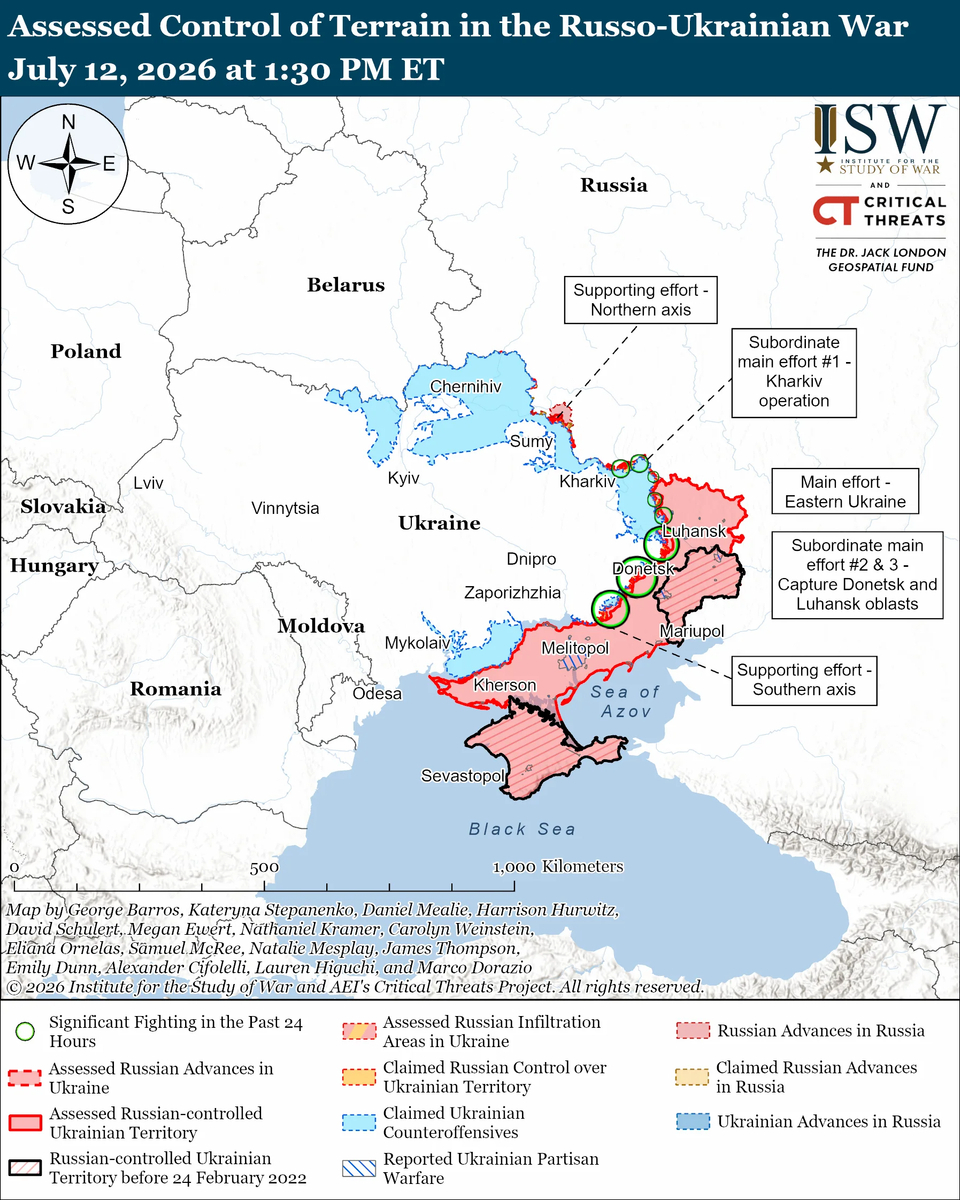
On today’s episode, Lawfare’s Ukraine Fellow Anastasiia Lapatina talks to Maria Snegovaya, a senior fellow for Russia and Eurasia at the Center for Strategic and International Studies, about how the Ukrainian attacks on Russian energy sites are shifting attitudes towards the war inside Russia. They also discuss Maria’s latest report, co-authored with Jade McGlynn, called “Russian Attitudes Are Shifting as the War’s Effects Come Home.”Click the button below to view a transcript of this podcast. Please note that the transcript was auto-generated and may contain errors.Transcript
[Intro]Maria Snegovaya: People simultaneously support Russia's so-called special military operation, and at the same time they want peace, they want to stop the war, also the majority, right? How is this possible while the, the, if the war keeps escalating, right? It's because fundamentally the war is a disturbance.Anastasiia Lapatina: It's the Lawfare Podcast. I am Anastasia Lapatina, Ukraine fellow at Lawfare, with Maria Snegovaya, a senior fellow for Russia and Eurasia at the Center for Strategic and International Studies.Maria Snegovaya: The big question is what the response will be if Russia would start losing territories. Probably it will happen against the backdrop of the economic crisis, serious economic crisis, where the preference would be just, you know, let it be within the group, right? This is when the, probably there will be really dramatic decline for the war, in general, for the idea of this special military operation.Anastasiia Lapatina: Maria and I sat down to discuss how Ukrainian attacks on Russian energy sites are changing Russian attitudes towards the war, and what Russian polling can tell us about the war's future.[Main Podcast]Maria, you recently co-authored a report with Jade Maglin for CSIS called “Russian Attitudes Are Shifting as the War's Effects Come Home,” and so I invited you today to talk about this report and go a bit more in depth on some of its points, and then also talk about Russian domestic politics more broadly.And in your report which is fascinating, and we'll link it below in the description of the episode as always, you and your co-author link to a lot of various polling, and I wanted to start with the sort of very broad question of how reliable is Russian domestic opinion polling, and could you also tell us about the specific polling that you are using there? You're re- you're referencing a lot “Extreme Scan” in this report. So can you just talk a bit to lay the groundwork for the conversation?Maria Snegovaya: So this is not my first engagement with this very controversial issue especially among many of the Russian liberals. The key controversy since the start of the war has to do that based on the official data and the polling numbers, the support for the war, no matter how horrible and atrocious, has consistently remained high in Russia, and many authors therefore question the reliability of the polling in the authoritarian context. So full disclosure, I'm a political scientist Columbia t- University trained, and in my analysis, I do work with polling data both in Russia and across East Central Europe. The notion that analysts and researchers cannot work with polling in authoritarian settings by default is not correct. Even in China and even in Iran there are polls being run and there are, like, peer reviewed articles being published. Russia is not an exception.And frankly, before 2022, few people seriously questioned the reliability, at least of the broad of trends that are being reported by the polls. So it's important to keep in mind that many of the questions emerged as the 2022 war started. It just felt very unbelievable to many observers that Russians would you know, rally around something as seemingly unjustified, controversial, and atrocious as this war began.But in 2024, late 2024, specifically for the Atlantic Council, I made the analysis of the works by many of s- various pollsters, political scientists who specifically try to engage the, with that very question whether polls in Russia are reliable. And the way they do this is very technical. It's… And then basically for our audience, it's important to realize that for a researcher to find some inconsistencies would be big finding. In such a, you know, contested political space, it would be great.So many scholars were genuinely interested in finding some biases, and they looked at the way the samples had been constructed, the various technical indicators, you know, how do people answer sens- sensitive questions. There are a number of methodological tools to use, like list experiments when you ask the question indirectly, allowing the person an es- escape route, right? If they don't really wanna publicly announce their dislike for the war.And all of them more or less consistently expose that to the extent that you could trust the polling data before, you could trust it after. There are no major biases in the Russian polling. To the extent that such biases do exist, they probably remain at several percentage points. One of the studies has found, for example, up to 10 percentage points using list experiment. The other ones found like zero. So it's, so within that number, which by the way probably corresponds to the number of genuine liberals in Russia but it's an alternative sort of data by Levada Center.So altogether, to the extent that we trusted the Russian polling data before 2022, we can broadly trust it after 2022. Of course, it's a repressive environment. Of course, people also consume a lot of propaganda, so all of that plays a role, and we should anticipate that a much more free environment, these numbers will change.But nonetheless, people are generally aligning with the state policies, and that's side indications of it is the lack of a strong anti-war movement for the last four and a half years, even outside of Russia, where you can speak up and you can be free. Like, you can be like me and saying that the war is horrible on, to an extent, right? There's a lot of, there's a huge Russian diaspora, of course. Some have relatives in Russia, but others are more free to speak, and many have escaped specifically to be able to tell the truth. Yet we do not see this anti-war movement, unfortunately, broadly reflecting this conflicted attitude on the side of even Russians in exile to the war.Anastasiia Lapatina: So if someone would ask you how many Russians support the war, what would you say?Maria Snegovaya: I'd said this passive alignment, I would say around the war, people not necessarily willing to bear any personal sacrifices, has been fluctuating about 70%, 70 to 80%. It depends on your, I think 70% is a more reliable number. It depends on the method by which the questions it asks, and it depends on the time. In recent years this has been eroding, so it's more in mid-60s now, and you can also perhaps, like, factor in the again, this may be up to 10 percentage points of those people who may be mis- mis- may be misrepresenting their views.So altogether still it's a majority. And important to keep in mind that this is majority that cons- includes both more ideological groups, we call them hawks in our analysis with Jade, and more of the passive loyalists, you know, the, the, who just, just sort of follow along whatever the Kremlin does. They are a majority of this group, and hence their opinions will change very quickly once the Kremlin changed its policies.Anastasiia Lapatina: Before we, I, I do wanna talk about those two groups, I think they're fascinating, but before we get into that, could you also explain Extreme Scan? Because you reference it a lot in your article, and reference their numbers.Maria Snegovaya: After the war started, and again, in light of this controversy surrounding the Russian polling, many of the independent projects popped up, and Extreme Scan is one of the examples of the independent projects by that, I mean not, not being funded by the state. It's run by Elena Konyova, a prominent Russian sociologist, who by the way is recently also designated a foreign agent of Russia, in Russia basically reflecting her independent pollster. The reason why we cite that particular polling a lot, even if we do engage with others, right, in an Atlantic Council vote-Anastasiia Lapatina: Right.Maria Snegovaya: I did really go for absolute majority of the Russian pollsters, is that specifically Extreme Scan has looked at the war dynamic in Russian borderline regions, the one that are near the front line with Ukraine, like Belgorod, Kursk. And we just argue with Jade that, if you wanna see it, how the people respond to, you know, being immed- exposed to immediate experience of the war arguably that's more kind of, that's one way to look at how they will respond to the ongoing drone strikes at Russian refineries by Ukraine, so that just looked like a more feasible comparison.Anastasiia Lapatina: Okay. So with that out of the way, let's talk about the hawks and the loyalists. You, you split the Russian society sort of in these two groups. So who are they and how do they differ?Maria Snegovaya: So it's important to keep in mind that wh- while majority in Russia do, unfortunately, broadly align with the Kremlin's war, this support is not uniform. It's heterogeneous, as I mentioned.So it is composed of a more hawkish ideological core. These are, like, broadly more likely male from maybe smaller towns, villages who are actively consuming this Kremlin, this Kremlin propaganda on the state TVs, largely perhaps influenced by the Soviet shaped leanings, and they truly believe in the importance of the stronger posture of Russia. Strong national id- identification is something that distinguishes them.And depending on the specific approach that you use, there's from 15 to 30%. It depends, right? The strength of the national identity can be used as selecting criteria in order to identify this group, but specifically how many of them depends on basically the criteria that you impose. Important to keep in mind that they're a minority within this broader support for the war.And the kind of paradox is that throughout most of Putin's rule, this group tends to believe that Putin has been weak politically, internationally, right? He does not adopt a strong enough posture to respond to the West or whatever they see as, you know, very, Russia being unfairly treated on the international stage. A lot of revanchist sentiments associated to this group.So they tend to rally behind Putin primarily when he starts the war, and that's one of the reasons why if you look at, historically at the polls, this is the fifth war Putin has started during his reign, and pretty much every single war was followed by this pattern of, of spike in approval for both Putin and the war support rallying around the flag, primarily because these hawks join in the support. So they typically think that Putin is not strong enough, but finally, once he starts the war, they believe that he finally did the right thing. He came to senses. So so-called zetni- zetniki, zetniks.Anastasiia Lapatina: And what percentage of the overall population is that?Maria Snegovaya: So as I mentioned, it depends on the approach, from 15 to 30%. It depends on the choice of like, how to, well, how you look at the strength of national identification. The important point is that they are a minority within this larger support group.And the much more important group, and the one where, like, the whole controversy about the war support comes from in the first place, it's this loyalist group or moderate group, although it's hard to call them moderates obviously when they actually support the war. But they are a majority from, again, it varies from 35 to 40, some, in some surveys up to 50%.And the key feature of this group first of all, they're more likely to be female maybe, and don't care much about politics, right? They don't really, like, engage them very much with the political questions. Their media consumptions is much more diverse. In general, they just wanna, you know, live their life, and they broadly support everything that the Kremlin does. It's the status quo group.Russian opposition leaders who ran for elections back, back, back in the day often complained that every time they try to make the, like, Russian electorate is to vote for them, they often hear that you have to be, become the authorities first, the power first, get into power first, and then we'll vote, vote for you. So that's the important logic, that people largely rally around whoever is in power, whatever the power represents today. As long as Putin is in power, they're with it, and as long as they're more or less satisfied with the status quo.Anastasiia Lapatina: So is this like your average rich Moscovite?Maria Snegovaya: I would say that perhaps you can argue, especially more recently, Moscow unfortunately has become very pro-Putin and pro-war. This has not been the case before.Anastasiia Lapatina: Interesting. Why?Maria Snegovaya: There's a lot of debate about that. They re- sort of redistricted Moscow, added new provincial regions to basically what Moscow constitutes to Moscow's district. And also, just as you mentioned yourself, Moscow, many people in it actually benefited from the war, from the sanctions or conventions. And as we will discuss later, the war support is very strongly associated to personal perception of economic wellbeing, which is why it's so important what Ukraine is doing right now against the refineries.But broadly speaking Moscow is doing pretty well and not suffering very much from the consequences of the war. And also, like, while the Russian liberals left, fled from the country, right? Many of the people who you may have met at Bolotnaya protests in 2012, for example, are currently in exile. They, those were basically replaced with more pro loyalist groups.It's also important to keep in mind that since 2011, '12, the Kremlin deliberately kind of substituted the more independent entrepreneurs, businessmen types of jobs with the state public related positions. So there was actually deliberate policy to create an electorate that's more dependent on the states. A lot of jobs right now available in the primarily public sector, state related sector. It's also associated to the ongoing renationalization. And as people becoming more dependent on the state almost by default, right, they become more loyalist. And so the Kremlin sort of is quite aware of all this patterns and is very shrewd at sustaining its constituency that's largely dependent on the state support.Anastasiia Lapatina: So you said that there are about 15 to 30% hawks depending on how you count.Maria Snegovaya: Depends on how you decide.Anastasiia Lapatina: Yeah, how you define that. What about the loyalists?Maria Snegovaya: So the loyalists constitute about 35 to 50%. Again, it depends on your definition. The important thing is that they are a majority, right? And the large controversies of surrounding Russian polling, so do they really support the war, largely pertains to how we interpret the support of this group.Because you'll see in the Russian polling this controversy that shows that people simultaneously support Russia's so-called special military operation, and at the same time, they want peace. They want to stop the war, also the majority, right? How is this possible? While the, the, if the war keeps escalating, right?It's because fundamentally the war is a disturbance, right? That it's not something necessarily that would be, have been their first choice. But it's also something that the Kremlin has assigned, has decided to do, and because often in, say, in focus groups they say, like, "I'm not personally a foreign policy expert, so I delegate these decisions for Putin. Putin d- does the right thing. If he decide to do it, he knows what he's doing." So basically they, this delegation of the authority of agency, if you will, creates this perception that whatever the state is doing is right as long as I'm fine. Like, my life more or less continues as before, and things are okay.So the big really, the big really interesting question is what's gonna happen to them when they realize their life is no longer okay? And this is what we can discuss later. I will flag one thing. Even if the support is passive, even if a person says, "Okay, let Putin do what he wants, as long as I'm fine and he does not bother me," right? I don't have to, or my, my son, my, my husband doesn't have to go to the war, right? And I can just sustain my perfect little world as is. So to what extent is this really a support? That's the big debate, right? Among, especially people who question the reliability of polls and how we interpret this.But I will flag that fundamentally it is a green light, right? They, they do not oppose what the Kremlin is doing, and fundamentally allow the Kremlin to continue whatever it wants, no matter how atrocious, how horrible the war is, and basically delegate the agency, the authority to the Kremlin, right? That delegation is a choice, I would flag. And accordingly, that is still a support even if passive and latent. It allows the Kremlin or Putin to continue to do whatever they want.Anastasiia Lapatina: Do we know how much these people have access to actual reliable, real information and news? I don't know if that's an impossible question to answer, but...Maria Snegovaya: That's a fascinating question, Anastasiia, and that's because, of course, absolutely we know that despite the fact that people increasingly getting information on the internet in Russia, even there, you can just compare on Telegram the following of the liberal channels, more opposition-minded channels, and, the so-called Z pro-war channels, and Z channels, and pro-war channel, Kremlin propaganda channels, like, by several orders of magnitude typically surpass the oppositional independent channels. That is definitely the case. The, the TV remains the main source of news still, even if people increasingly shift to the internet.And even on internet, they seek out deliberately information that does not question their views, right? That, to avoid so-called cognitive dissonance. This is one of the major shocks that we've discovered since 2022, that no matter how huge seemingly the development, the disruption, people will try to preserve, like, their world. They'll try to seek out the information that does not fundamentally challenge what they're used to, what they feel comfortable with. Except when it concerns them personally.And this is again the fundamental challenge pertaining specifically to the group of loyalists, we see consistently, and we actually mentioned it with Jade, that once the shocks unravel, and that could be Prigozhin's attempted mutiny or sanctions imposition by the West it can be the ongoing drone strikes by Ukraine on Russian refineries.So, the moment something is not right, something like unbalances the perfect comfortable world in which they live, this is when people start seeking out actively independent information, and following of the independent channels, channels spikes along with anxiety levels in Russia every single time. We, again, watch it right now and you can talk to, again, independent the, the people, the influencers who run the independent channels, and they see this pattern.So the paradox here that, is that many people do know where to find more info- independent information, but they don't wanna find it when things are fine. They only look up for it when things are not good for them.Anastasiia Lapatina: You say in your report that loyalist dissatisfaction tends to express itself as withdrawal, cynicism, private grumbling, and exit, so very much a very passive position. Why is that?Maria Snegovaya: That's just what's more natural for them, right? The fundamental lack of agency, that people don't really think in terms of agency, in terms of the ability to influence the politics in the country.Anastasiia Lapatina: That's a very Russian concept, right?Maria Snegovaya: Unfortunately.Anastasiia Lapatina: I don't know if I'm running the risk of biased here because I am based in Kyiv, so this is very complicated for me.Maria Snegovaya: Unfortunately, exactly what got Russia into this horrible place where it's now almost sui- suicidal in some ways, right? Because a war that's horrible, that's not good for anybody. Horrible for Ukraine, but also horrible for Russia.But this precisely the attitude that the things will be, the Kremlin knows right, and I just mind my own business. And I just delegate the authority. The inability in some ways to think of oneself as having the agency, and broad perception of the power of the authorities, right, as weather. So, you know, when it rains, you don't try to stop the rain, you just seek a shelter. You get yourself an umbrella. That's the basic attitude.And if you look at one of the major shocks during this war, the announcement of this partial mobilization by Putin in the fall 2022, that's exactly the response that we've seen, right? How did people respond? People are not happy. We see that in the polling. Putin's approval and the war support dropped quite dramatically, and what we've seen is a huge exodus of people who tried to flee this mobilization from Russia.But we did not see an a- a- attempted protest, at least mostly not. And there was some effort in some regions, in Caucasus in particular, but in general, the major response was avoidance. Having said that, you know, from Ukrainian perspective, this is just something to factor in, but fundamentally it's not necessarily nothing, right? You can incentivize avoidance, sabotage, as we've seen in the late Soviet Union, as you mentioned, Anastasiia, right? Very typical Soviet Russian response.That's still good enough, right? It's not, it's not nothing. We can, as long as people do not participate, maybe do not build those missiles, you know, do not go fight against Ukraine, that's good enough, as long as that is possible to incentivize that behavior.But unfortunately, thinking about the Russia of the future, right, that sort of attitude is precisely what prevent Russia from democratizing, because people just don't think of themselves as active citizens and don't try to take responsibility for what's going on with the country, and this is one of the reasons why since the start of the war, the debate of Russia's responsibility for the war has been so active, right?It's, it's not an issue for most outside observers. Obviously you're responsible, like I'm responsible, right, for what my country is doing. It's unfortunately almost by default, by my very nationality. But that is a huge question mark for many in Russia because they just don't feel like they have anything to do with whatever the Kremlin is doing very often.Or as is more typical of the loyalists, they're like, "You know, the Kremlin knows best. I'm just a small person. If Putin decided it, he's a smart guy. He knows what he's doing. If it wasn't for his actions, NATO would've been next to Moscow," or whatever an excuse they come up with.It's important, by the way, there is still no clear agreement as to why the war is being fought. The, the most brutal war in Russia after Second World War with enormous number of casualties, still no clear justification on the authorities' side as to why the war is being fought and no clear agreement among the Russians.If you look at the justifications, not a single one, whether they're saving the “Russian speakers” in Ukraine, quote-unquote, or whether they're trying to stop NATO from expanding, not a single justification gather- gathers over a 50% response, so the people are quite divided on it, and yet they're still sort of, accepting it, and that's the fundamental tragedy for Russia, the one that I'm arguing probably gonna get it into some horrible, horrible place.Anastasiia Lapatina: You differentiate between military shocks and economic shocks. You've already touched on a little bit about this. So, tell me, how do they impact Russian public opinion differently?Maria Snegovaya: Yeah, and that's a fundamental contribution of our analysis with Jade. So we start with the premise that there is two groups of Russians constituting this war support, the so-called hawks and the so-called loyalists, and the key reasons why it's important to think of Russian war support as heterogeneous is that they're gonna respond differently to different sort of shocks.So the key response from hawks, and, and this is when we look at the patterns in the borderline regions of Russia, citing Extreme Scan polling, is that hawks tends to rally around the flag because they think the war is justified and right, right, by default it's the right thing, and so the natural response is rallying around the flag.But for the loyalists, who already are a little bit sort of on defensive, you know, Putin knows what he's doing, but maybe, you know, I would be fine without the war, you know, I have other things to worry about, and in general, we want the key preference is to improve the economic situation. For them, the shocks generally are problematic.We see, as I mentioned, consistent decline in war approval and Putin's approval associated to these major shocks, and particularly problematic for them is the economic impact of the war. So, they are not willing to sacrifice their finances, their wellbeing, unlike the hawks, for some unclear purposes of this war, because for them, as we discussed, there's no clear purpose in the first place. Putin doing this for whatever reason, he knows why he's doing it, but I don't really care. I have other things to mind.And that is why economic shocks in particular are so problematic for these groups, and we consistently see that the Russian economic decline as well as personal economic decline perception that my personal fi- finances are gonna get worse is consistently associated to diminishing war support. Since early 2026, we've seen that Russian economy has been stagnating. Some analysts are even suggesting imminent recession, and accordingly, we've seen the erosion of the war support and growing demand for peace talks. Together with Jade we cite a lot of these numbers. And more specifically, the attacks on the refineries that Ukraine is conducting, therefore, are very, very instrumental.Of course, some will rally around the flag. We do actually see there's interviews with some people who can't find any gasoline in Russia, but they're like, "But that's because we have not responded to Ukraine strong enough." That's their conclusion, right? But the m- majority are not happy. It's very clear the crisis is spreading. And economically, this is impacting people when already they know things are not going so well in Russia.I will flag that this is a relatively new development. In the first couple of years of the war, Putin implemented this so-called military Keynesianism policies, right? They, a lot of money has been in- influxed into the economy, and as a result, there was actually increase in people's economic wellbeing. Equality declined, and especially for working class groups who benefited also from this competition for the jobs. For the military industrial complex, the, the wellbeing has improved. And so that actually coincided with growing support for war in the first couple of the years. But that is done now, the economy is in decline.And on top of that you have this issue with gasoline that affects pretty much everyone. This is something that Ukraine has found that really is important for Russians, right? Everybody experiences this, shortages of the gasoline and these lines we also flagged with Jade that generally signify this reminiscent of the late Soviet period when people were in lines and things were not great- in the country. Now suddenly this is back.Anastasiia Lapatina: It's a very typical image for anyone growing up or living in the post-Soviet space. Yes, the lines for anything. It's very traumatic.Maria Snegovaya: Yeah. Yeah, even in America, I, I always find myself surprised as people willing to stay in line. My, my, my first instinct is to avoid it no matter whatever the-Anastasiia Lapatina: Yeah, I understand.Maria Snegovaya: What, what, whatever the reason the line is I'm just gonna avoid it.Anastasiia Lapatina: Yes.Maria Snegovaya: 'Cause I had my fair share of standing in line in my childhood growing up in Russia. So that perception's also sort of worsening the general atmosphere in the country and eroding this perception of sustainable status quo, primarily affecting the loyalists. These groups for whom, as I mentioned, the economic considerations matter far more than any ideological considerations.So potentially, Ukraine has found something that's really, really problematic. I will also flag that it seems like for the third month in a row, starting May, Russians report Ukrainian drone strikes as the most significant event of the month. Again, quite an achievement, and that directly coincides with ongoing decline in war approval. We sign one of the polling companies that reports the Institute of Conflictology and Analysis of Russia, ICAR, polling, that for the first time since the start of the war has found a record 81% of respondents say that they want the war to end.Again, this is not the perfect world, given that majority of those people typically want to hold on to what the territories that Russia occupies in Ukraine. But nonetheless, it's a very significant development and the first time we've seen the war truly coming to Russia since the start of the war.Anastasiia Lapatina: That last statistic that you brought up, you do mention it of course in your report, you say that a record 81% of respondents say they would support ending the war tomorrow. But then of course, at the same time we've mentioned that broadly 70-ish percent of Russians support the war. So how does that, how does that square for you? Surely there hasn't actually been this radical flip. How does this coexist?Maria Snegovaya: So the fact that there's majority of those who support the war, and also majority of those who wanna stop the war, right?Anastasiia Lapatina: Yeah.Maria Snegovaya: Yeah, precisely. That's the loyalist issue, right? There's hawks, they don't wanna stop the war. They want the war to continue, and actually, if anything, they want the Russia to become even more radical and rogue. They, they like saying that we haven't really started things yet, echoing some of the Russian propagandists, which is kind of ironic, right? Given how much Russia's-Anastasiia Lapatina: has lost already.Maria Snegovaya: Lost. But as I said, loyalists simultaneously sort of green light whatever the Kremlin's doing, but not too excited about the war, what the war is bringing to them, right? So you can have this almost schizophrenic worldview when you simultaneously-Anastasiia Lapatina: YeahMaria Snegovaya: Do support whatever the Kremlin does. If Putin chooses to do it, okay, let him do it, but your personal preference would have but, but it's been enough. Like, let him do whatever he wants, but really it's time to stop. Come on, Vladimir, Vladimir, you know, it's time. Clearly, you know, things are not doing so well. So the personal preference would have been not to continue.Again, keeping in mind that they still wanna hold on to whatever's been occupied in Ukraine, and that's important.Anastasiia Lapatina: Right.Maria Snegovaya: So from that perspective, it is a support for the war still, right? Because they like what they've gotten. They, there's still the sentiment that- it's Russia's right to do that. So that's not a clear opposition to the war in the sense that I imagine you and I oppose what Russia's doing in Ukraine.Anastasiia Lapatina: Right. I mean, yeah, I, I did wanna ask about the, the terms of how the war would end, because I, I think the terms of the end of the war are much more important to both sides, to both Ukraine and Russia, than the end in itself, right?So, the vast majority of these people, the vast majority of the loyalists, and in generally the vast majority of Russians, would not want... Like, they, they, they, they basically support Russia's maximalist views. Or do they, r- right now, like for example, do they also support continuing the war until they get Donbas? Or, or do they, or do they support just ending it like, just freezing the front line? Or how much do we know about the, the various terms on the table?Maria Snegovaya: And by the way, I just want to say that none of that matters too much given that-Anastasiia Lapatina: Okay.Maria Snegovaya: It will, it's very flexible perception, right? It's largely shaped by propaganda. Even what they're saying right now is not necessarily consistent and congruent or constitute a full war worldview. It's just a preference, right? For temper preference. There's a lot of studies that show that specifically within the lowest group, a lot of inconsistencies, right? That they support the war, but for example, they don't want personal sacrifices economically. They want Russia to primarily invest in economic wellbeing, which technically is not compatible with investment in the military. So there's not-Anastasiia Lapatina: It is a bit schizophrenic, you're right.Maria Snegovaya: It, we're not necessarily talking of a holistic congruent worldview of a, an adult person who has really contested the viewpoints and built some coherent whole, holistic worldview. That is not necessarily the case, and public opinion in any country is inherently contradictory. That's also true. Maybe more so for Russia, given the lack of democratic deli- experience of democratic deliberation.So yeah, most likely is if you were, if Putin were to stop right now, that would be really popular among a very significant population. If Russia were to start losing and experience some defeat, this is the interesting question. That community, the, the hawks groups, this is very easy to answer. They will clearly oppose any losses, right? And if anything, they want the war to continue. In some ways, there's more consistency among those groups, right? There's a very revanchist, neo-imperialist attitude, a restoration of the Soviet Union.But for this loyalist majority, most likely there would be very, a lot of excitement if the war has started. But again, they probably will be somewhat okay with the Kremlin continuing for now, right? We don't see so far a very strong holistic preference, as we discussed, formed in order to fully stop the war with some costs associated to them personal effort.The big question is what the response will be if Russia would start losing territories. Probably it will happen against the backdrop of the economic crisis, serious economic crisis, where the preference would be just, you know, let it be within the group, right? This is when the, probably the, the really dramatic decline for the wars in general, for the idea of this special military operation, and most likely people will, at least the loyalist group will be whatever, let's just refocus on something that matters more.In some ways reminiscent of late Soviet Union, early 1990s. Late Soviet Union, we don't really have a lot of pulling, but early 1990s we do, right? And there's a lot of disagreement within the Russian public opinion as to where Russia belongs, what, where should it be going, you know, shall it rebuild the great, quote unquote, "Soviet Union," or shall it be following the Western pattern?I imagine there will be, like, this public opinion division will become even more schizophrenic with people just, with a serious preference for, you know, sustaining the wellbeing o- over any other options. But again, we're yet to see that, and it's been 25 years of Putin's rule, so, things may have changed.I will flag one thing in a separate analysis that we've done with Professor Graeme Robertson, UNC Chapel Hill, and Peter Pomerantsev, the prominent disinformation scholar. We find that the people generally follow Putin's lead, whatever he says on the war. So if he wants peace talks and stop negotiations, they will support it, and if he wants to continue the war, they will support it, and that's exactly as we discussed, like, the loyalist patterns.Where things change is when we tell them, we ask them a number of questions about Russia, Russian, them being Russian, what it mean. Essentially we prime them on identity, and then we see that they're less likely to support the peace negotiations immediately. In other words, propaganda, right, and this idea of Russia's greatness do contribute to the willingness to continuously support the war even if Putin says otherwise.So that is important to keep in mind, that Russia being sort of right now actively indoctrinated and brainwashed by the Kremlin, unfortunately they sort of make some of the loyalists switch to the more hawkish camp, and that is something for us to keep in mind the future, even if the war were to stop, there will be a significant revanchist constituency still forming in Russia, which unfortunately li- likely to recreate this toxic loop in which the country is stuck.Anastasiia Lapatina: So there is this widespread assumption, I think, you know, amongst Ukrainians, and just in general people who watch the war, that there is a certain breaking point for Putin, right? A point at which the cost of the war will grow so high that he will have to concede and make a deal and stop the war. And, you know, on this assumption, of course, rests the, the, the entire Ukrainian strategy that we have to raise the costs for Russia, bring the war home for the Russians. That's what Ukrainians always say.And I fi- I find this argument interesting because this assumes that that point exists, right? It assumes that there is a breaking point. Do you think it exists? And if yes, do you have any idea of what it is?Maria Snegovaya: I think the real breaking point, and then again, that's pure speculation, unfortunately I will flag we have been consistently often too optimistic, even I, being a skeptic of Russia, still too optimistic about what it's going to take to, you know, make Russians come to their sentence, senses.But I think that to the extent that that point exists, it will take an economic crisis, a full-blown economic crisis of the kind right, maybe seen in 2008, or like late Soviet Union, in most likely gradual, not, not as fast, right? The, one of the things that we flagged with Jade is that while the attacks on refineries are definitely impacting the Russian opinion, as we discussed, right, it will take quite some time. It's a gradual change.And the propaganda, and there's a lot of forces within the Kremlin that has a much better grip on the Russian public sentiment, and a lot of familiarity with it over the last 25 years, right, that works in the opposite direction. So it's like various streams that are clashing, and so it's not gonna be as easy as one would imagine.Like, Russian tolerance to casualties has just apparently been much, much stronger than many have expected. All right, just a reminder that our CSIS colleagues recently released a report flagging this enormous attrition rate for the Russians, right? That this war has exceeded all of the wars that Russia and the Soviet Union have fought since the end of the Second World War in casualties, and yet they still keep coming and keep pushing for no clear purpose, and without clearly understanding why the war is being fought, as we discussed.So, RAND Corporation just released an interesting analysis of a s- studied dissertation that shows again that for Russians, casualties in the war don't seem to be, to play an important role, even, like, on the, you know, ideational level. They, for example, if they offer to replace the people with r- robots, they don't necessarily, you know, care as much about few, fewer human losses fewer battlefield losses.What it matters more apparently is the war is morally justified and they're likely to succeed, which is somewhat paradoxical given that we don't even know, majority don't even, doesn't even agree why the war is being fought and whether it's morally justified. But just something to keep in mind, we have discovered that the price of human life in Russia is extremely low. We kind of knew that already, but it's also extremely visible now for after four and a half years of this war.But the economic cost is where many of the loyalists, the ones sort of ride alone, who are not necessarily like super ideologically invested in this war, are gonna start increasingly questioning this developments, and that is already happening. It has to be happening at larger scale, and it's very important that four and a half years after the war started, the war is going in a completely opposite direction from what the Kremlin has inve- imagined it to be, right? It's not in, not at all an occupation of Ukraine in three days or weeks. In fact, the war is coming back to Russia, and Ukraine is stronger and stronger and much more sophisticated at, and adapted at influencing Russia.And last but not least, I think that the economic cost matters beyond just shifting public opinion, right? As I mentioned before, we have not, not, not a complete understanding of how Russians are responding to the war, and the Kremlin is very good at normalizing it. So we, together with Jade, we've been showing this draft of our analysis to sociological colleagues. And while most agreed with us, some have said that, yes, but it's also possible that the Kremlin will manage to present this gasoline crisis as a new normal, and it's also possible that people will agree. Because we've seen unfortunately, repeatedly, that being the case in Russia, even where it seems as an outsider, it seems completely paradoxical and shocking that people will accept it.But the second reason why the war is important is that just, the economic cost is important is that they just shrink the resource at the Kremlin's disposal, right? Less gasoline available is not just less gasoline for Russians, it's just less gasoline also for the Russian army, and this is a fundamental issue. Putin with fewer resources is a much weaker Putin, hence capable of delivering way fewer, less destruction for Ukraine. So that is another channelAnastasiia Lapatina: Right.Maria Snegovaya: Through which this impact is working.Anastasiia Lapatina: I mean, also just to follow up, A, does Putin even care about public opinion? And B, does he care about it considering that we discussed that e- even if loyalists you know, start losing faith in what the Kremlin is doing, their reaction is inward, so we're not gonna see any sort of public revolution or public protests.Maria Snegovaya: Dissatisfaction will spread, and we know from mu- multiple political sci- science literature that public dissatisfaction is more likely in autocratic regimes to lead to elite splits, right? So it's not an instant process, but it's not nothing.And the Kremlin does care about the public opinion. We know that they do multiple polling, right? They do worry a lot about the Russian identity, how the Russians thinks of themselves, and they know that's a really powerful tool to mobilize people t- for the war. So that is for sure.And we know that public opinion, to an extent, matters because to date, the Kremlin tried to create this perception of normalcy in Russia, right? If you remember the partial mobilization, there was multiple pro-Kremlin ads, influences, influencing campaigns trying to demonstrate that share of people who are being called recruited, is really minor, and nobody has something to worry about. And that's consistently the way the Kremlin chose to present the war to Russians: “Don't worry, look elsewhere. Things are fine. Everything's great. We're winning. Just give us some time. Mind your own business.”And that's got to be done for a reason, right? It probably because they know that the state is res- less responsive to alternatives. And as we discussed, even if these are not the main considerations that will alter Putin's perceptions, nonetheless, it will make it harder for the Kremlin to fight this war, create more obstacles in the situation of already shrinking economic resources, more challenging trade-offs.So while the public opinion is by far not the main reasons why I think the Kremlin's fi- fighting the war, it does play a role in either enabling or preventing the Kremlin from fully investing in this war effort, and accordingly, it matters for Ukraine.Anastasiia Lapatina: Well, Maria, this was fascinating. Thank you so much for coming on, and we'll have you on again in the future.Maria Snegovaya: Thanks a lot for having me.[Outro]The Lawfare Podcast is produced by the Lawfare Institute. If you want to support the show and listen ad-free, you can become a Lawfare material supporter at lawfaremedia.org/support. Supporters also get access to special events and other bonus content we don't share anywhere else. If you enjoy the podcast, please rate and review us wherever you listen. It really does help.And be sure to check out our new other shows, including Rational Security, Scaling Laws, Allies, The Aftermath, and Escalation, our latest Lawfare Presents podcast series about the war in Ukraine. You can also find all of our written work at lawfaremedia.org. The podcast is edited by Jen Patja. Our theme song is from Alibi Music. As always, thanks for listening