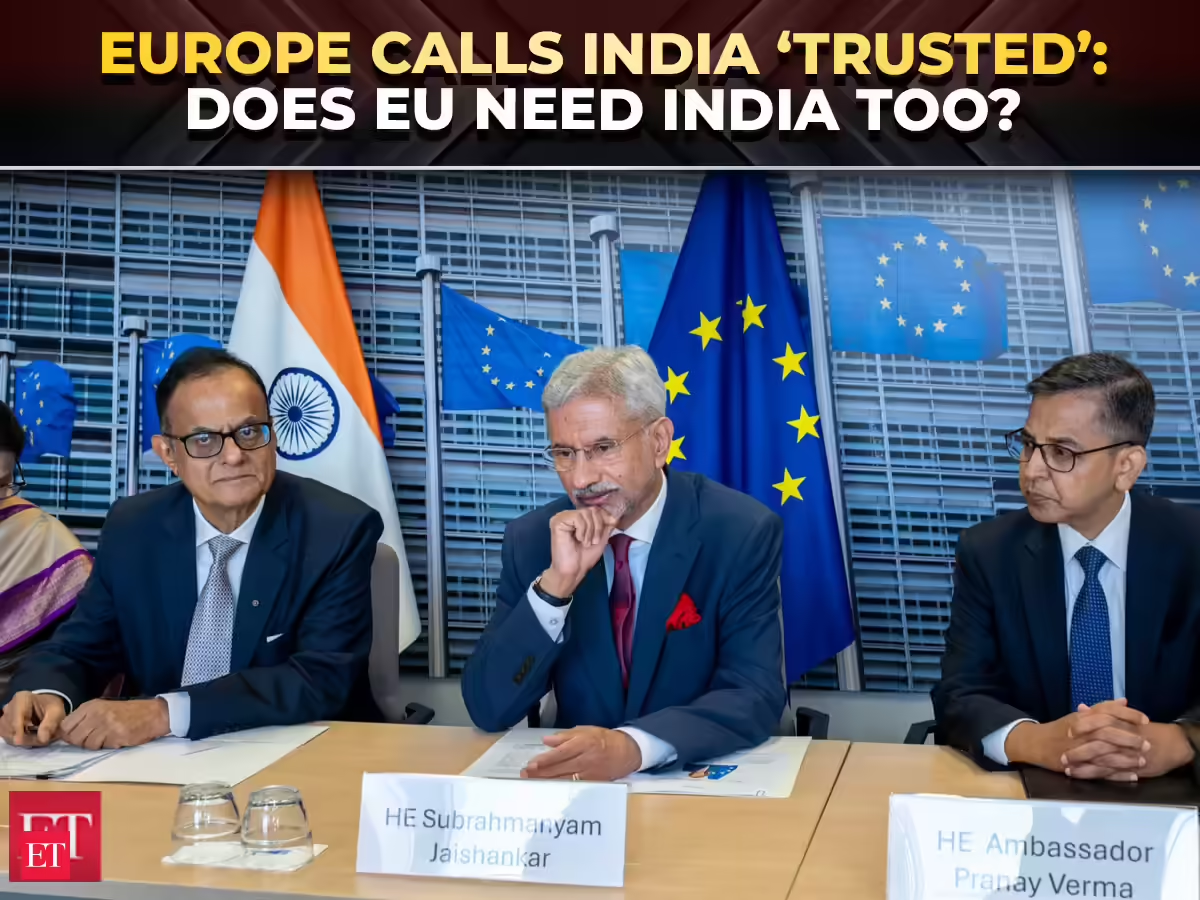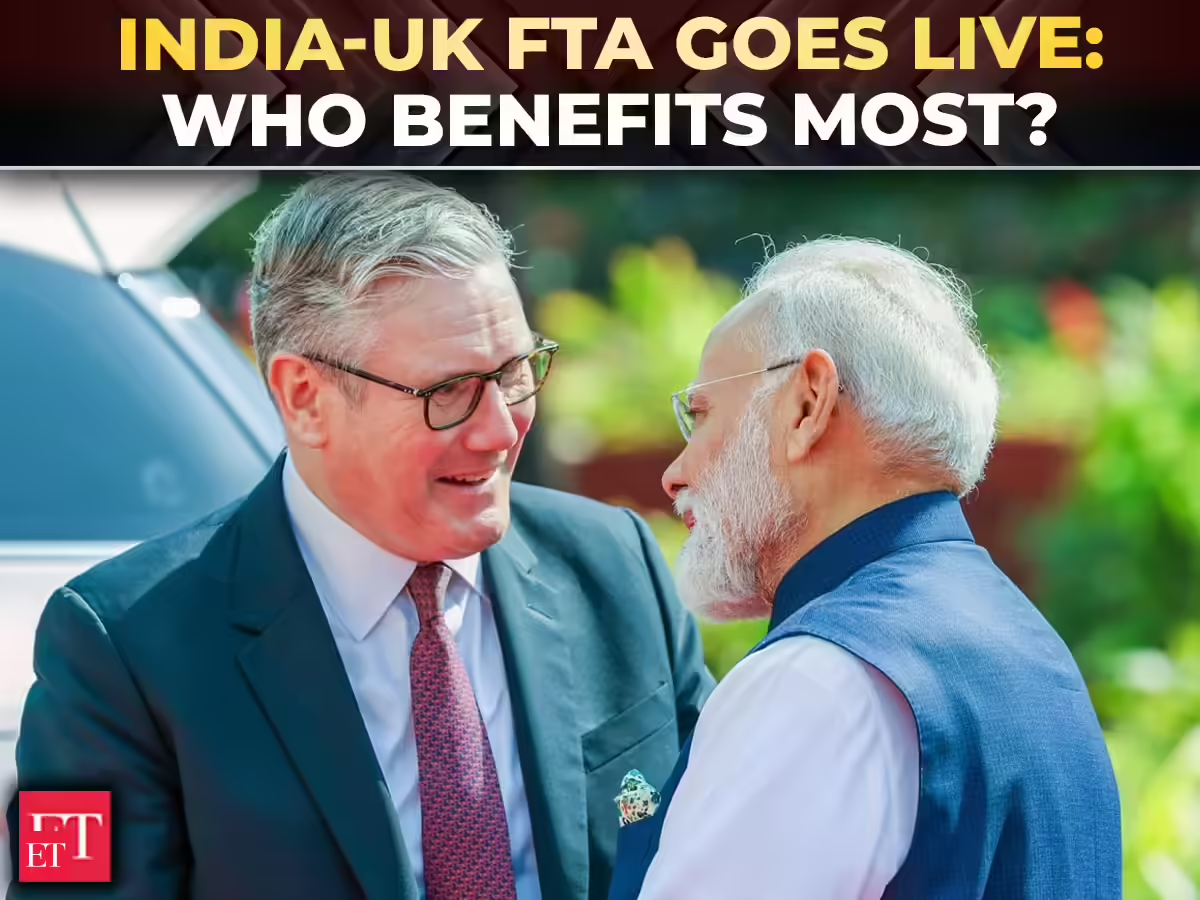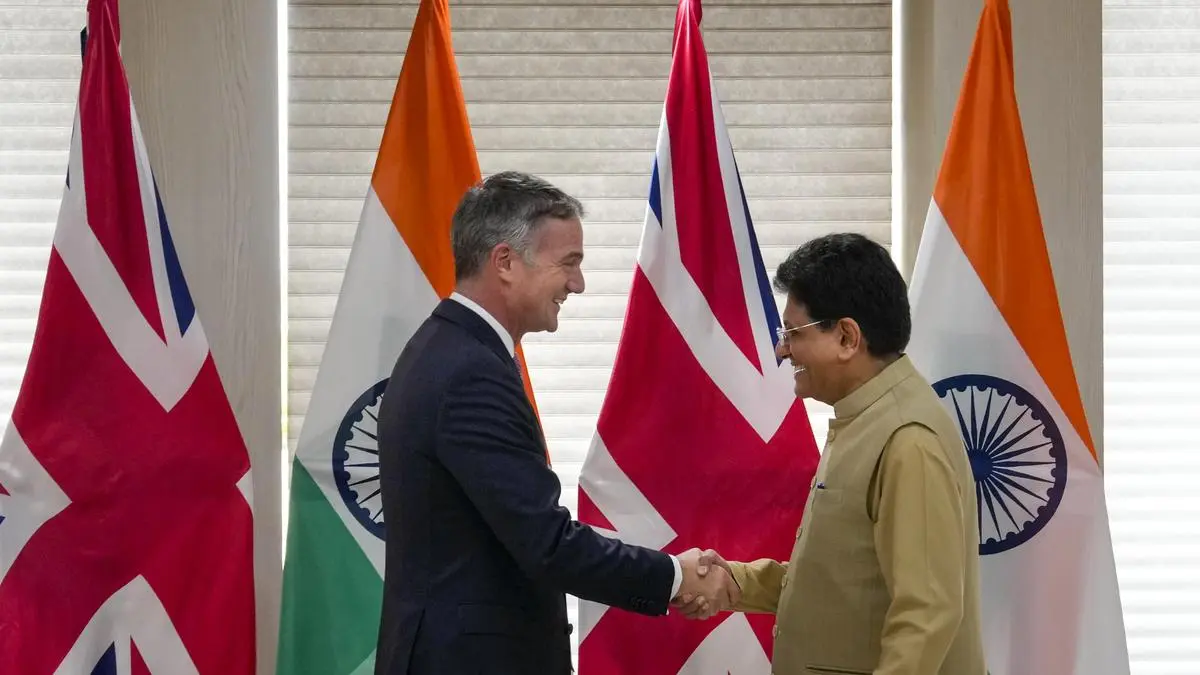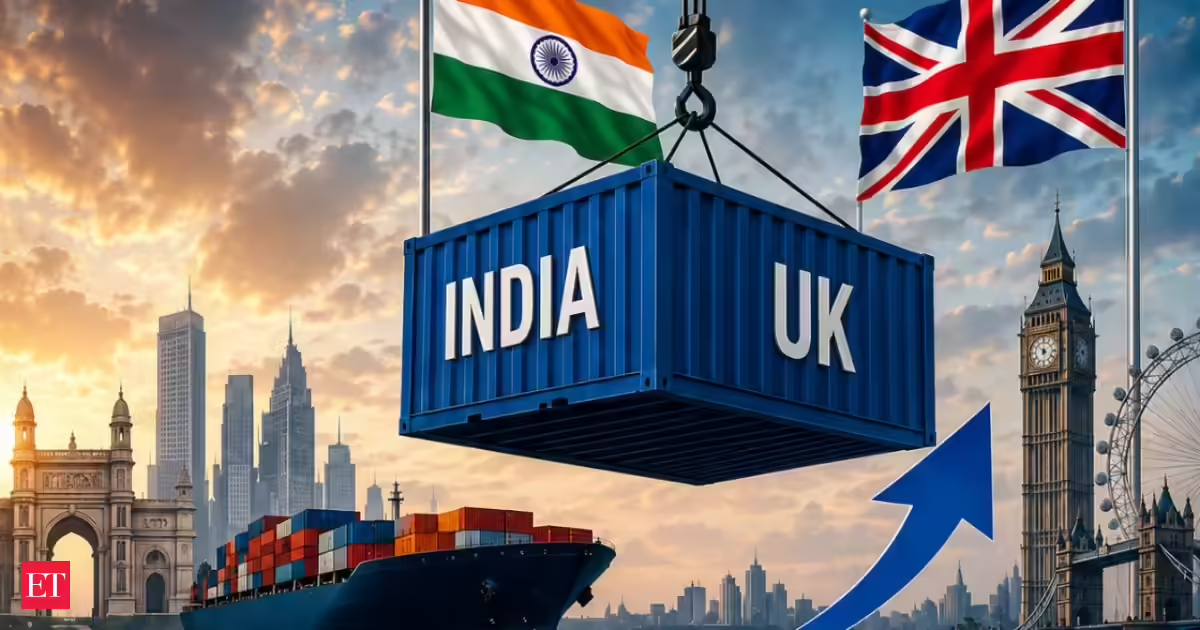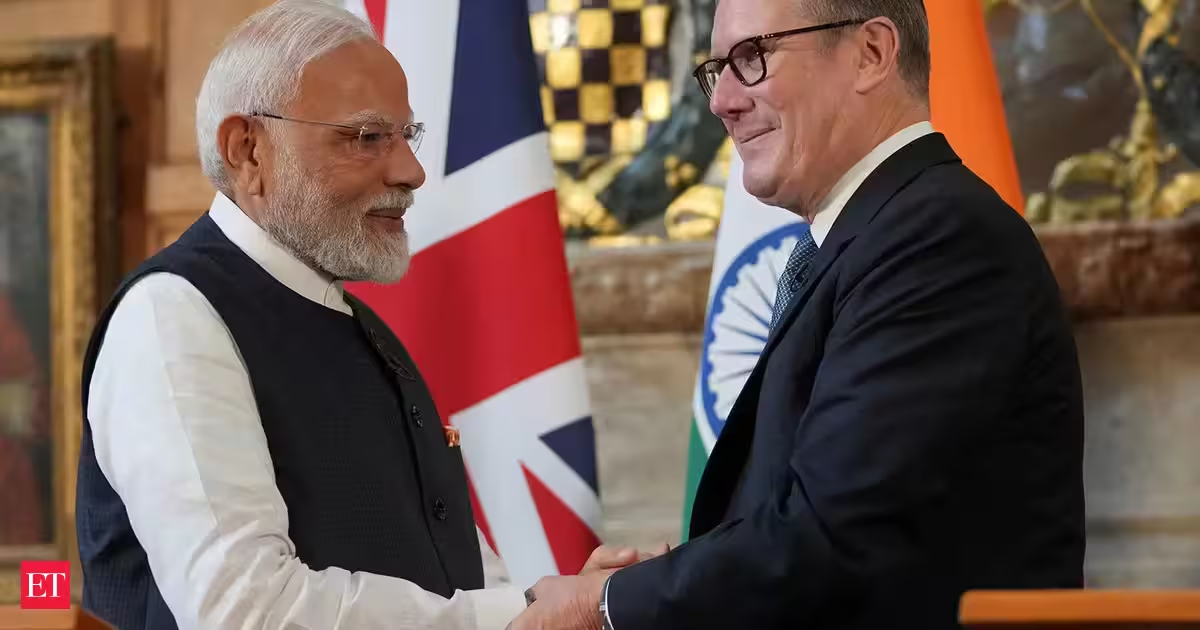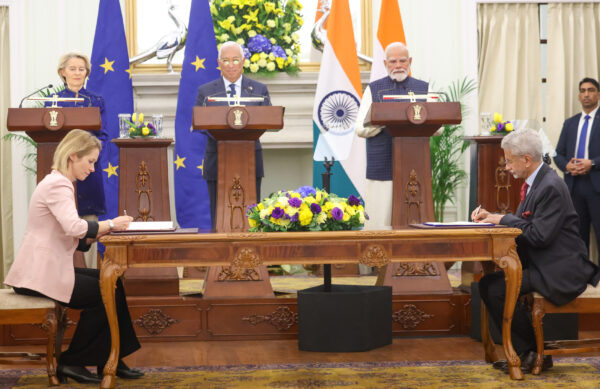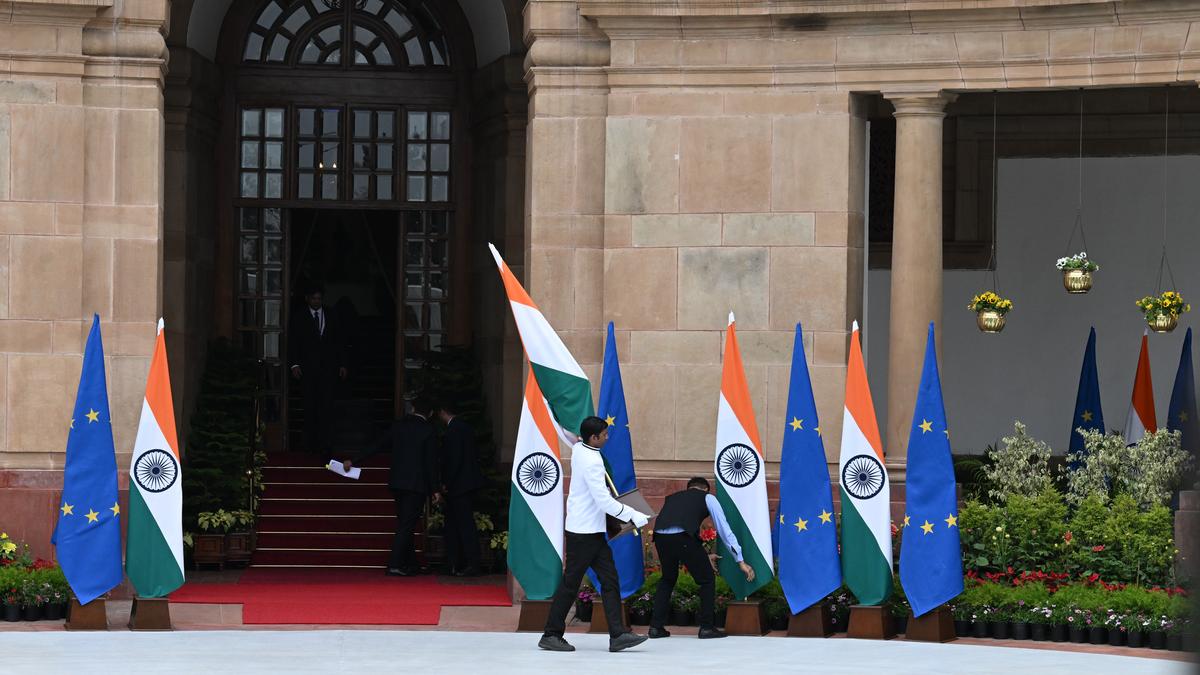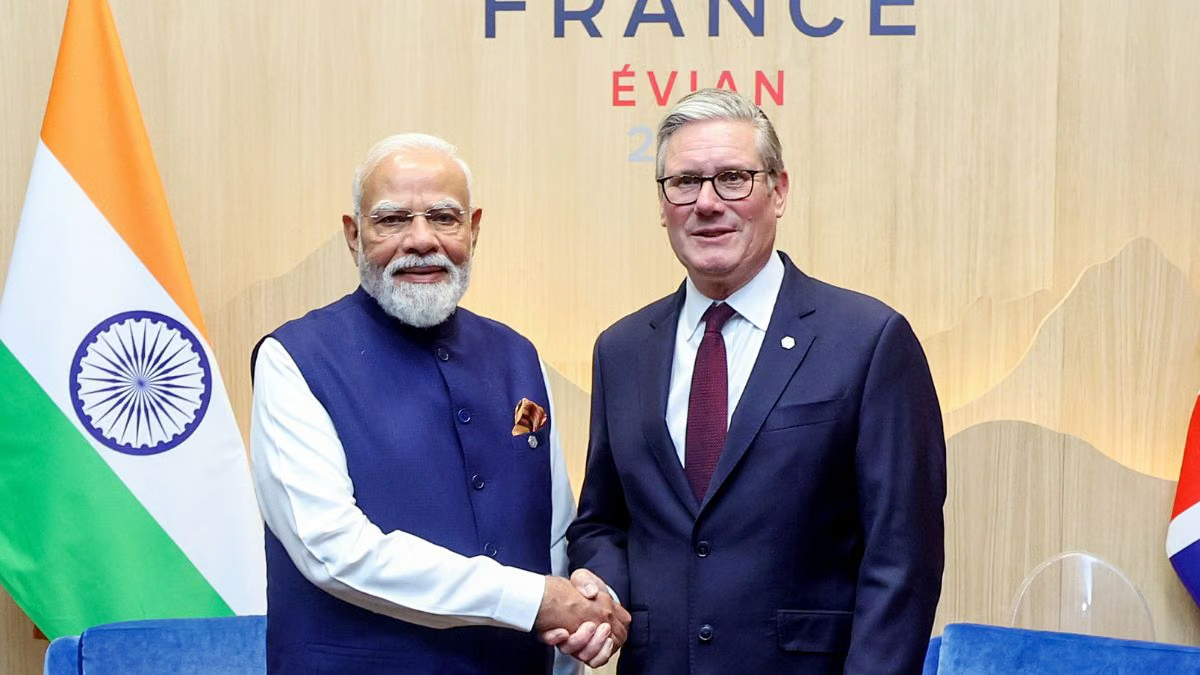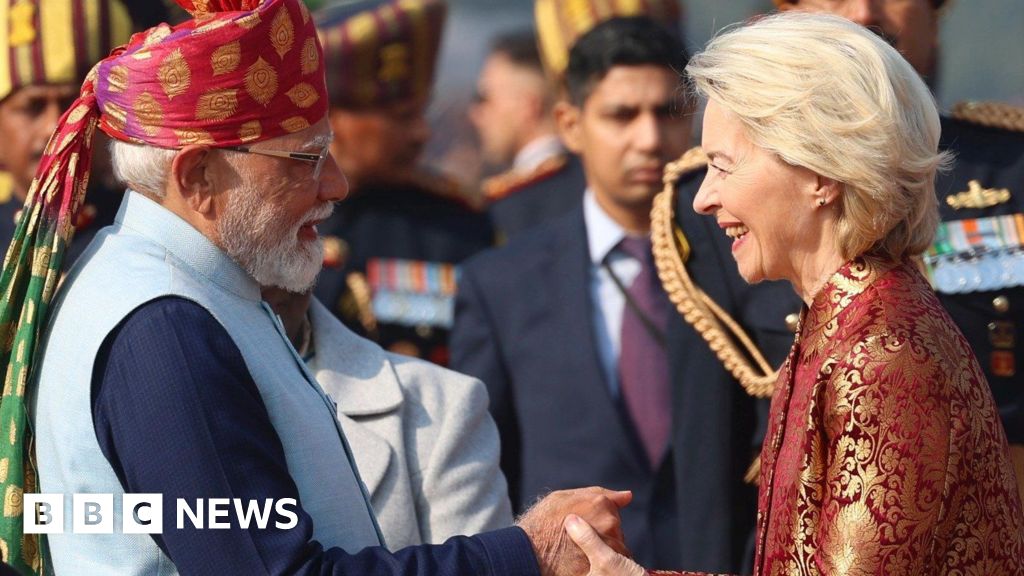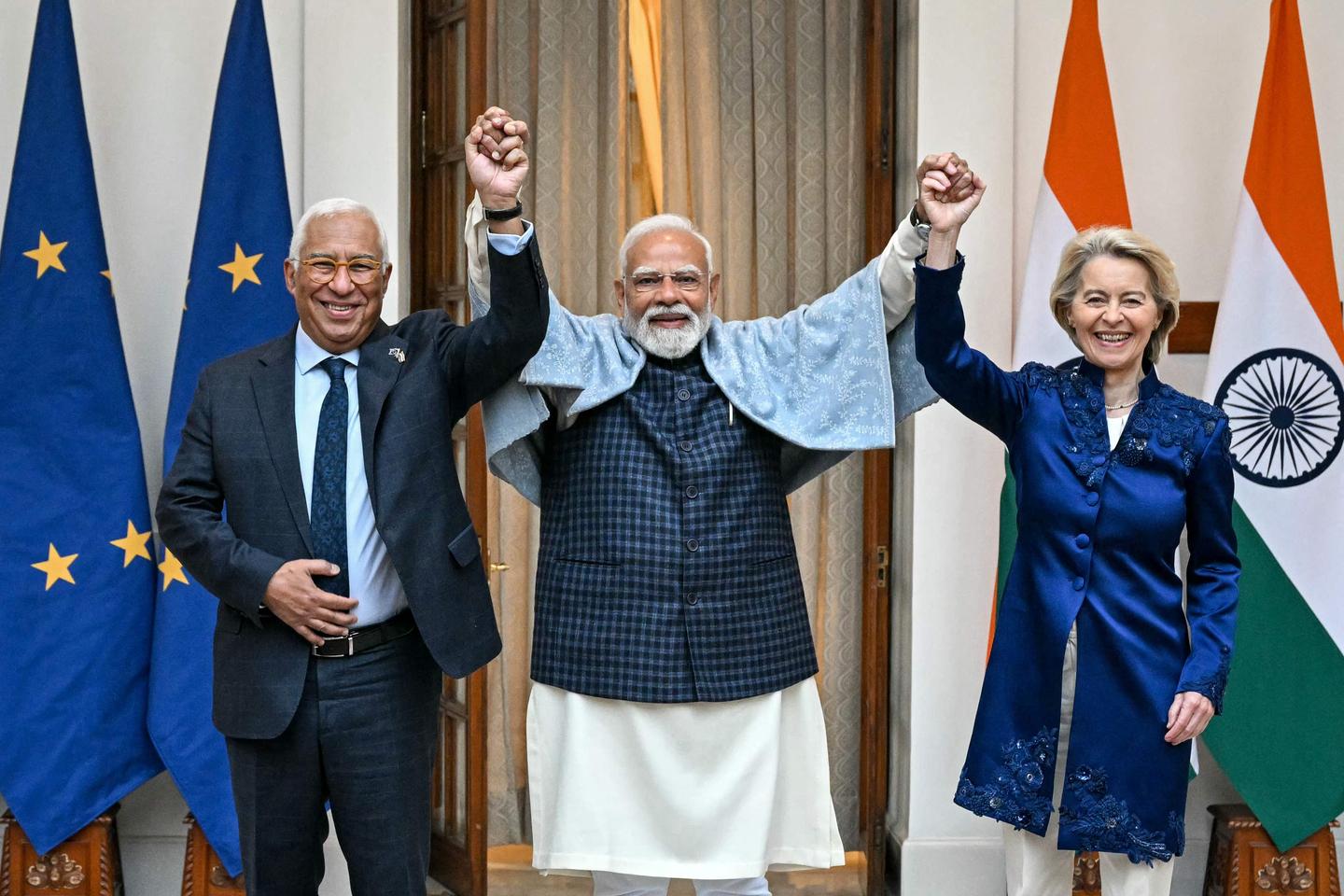
Somewhere in the last 18 months, India quietly rewired its trade map. The European Union (EU) deal was concluded in January, described by the European Commission's own president as the "mother of all deals." The UK's Comprehensive Economic and Trade Agreement entered into force on July 15. The EFTA partnership with Switzerland, Norway, Iceland and Liechtenstein has already been running for close to a year. Talks are moving with Israel, the Gulf Cooperation Council, Canada and the US. This is the most consequential stretch of Indian trade policy in a long time.
The scale is worth sitting with. The EU agreement alone stitches together roughly two billion people and close to a quarter of global GDP into what is now the world's largest free trade zone. India secures preferential access across 97% of EU tariff lines, and more than 70% of tariff lines, covering over 90% of India's exports, get immediate duty elimination. That is not a marginal win for a handful of exporters. It is textiles, leather and footwear, tea, coffee and spices, gems and jewellery, and marine products all moving to zero duty on day one. The reciprocal side of that bargain is worth noting too: India is opening its own market to European carmakers, stepping its auto tariffs down from 110% to 10% under a rising quota, which tells its own story about how carefully both sides calibrated their sensitive sectors rather than simply trading wins.