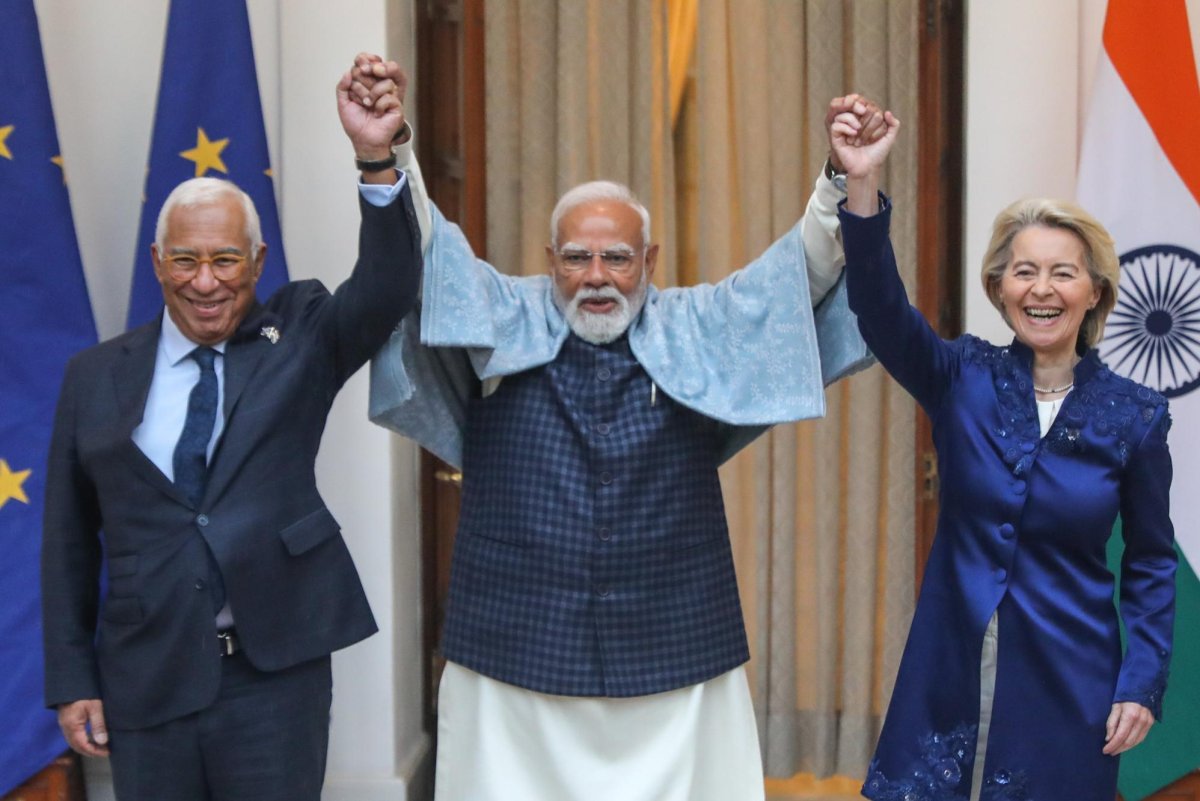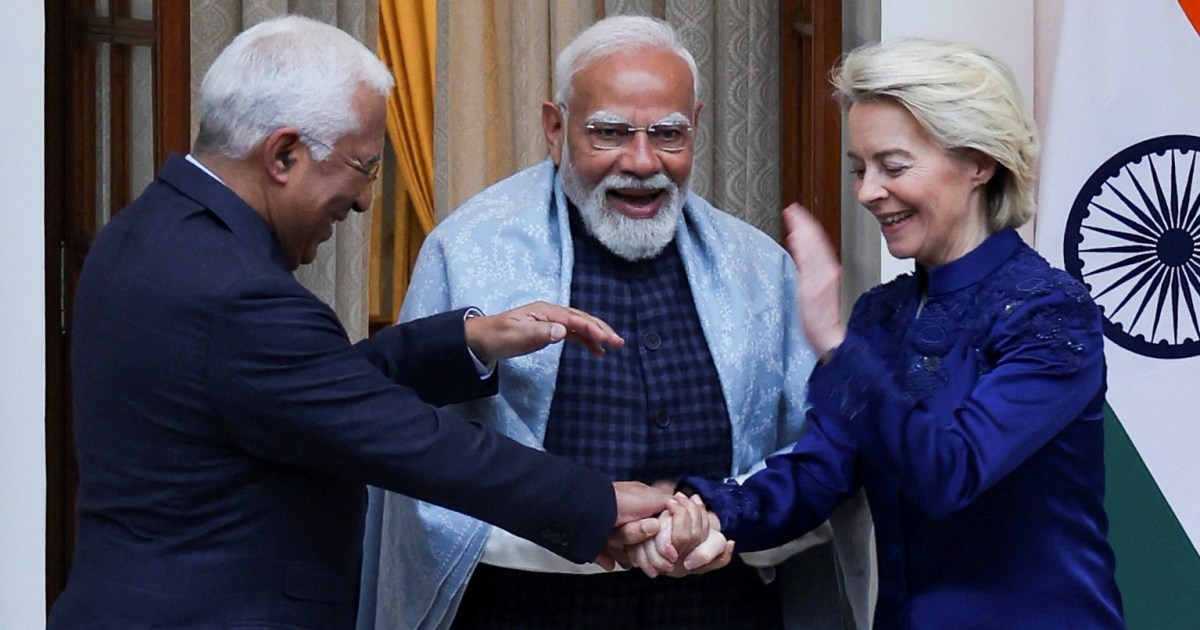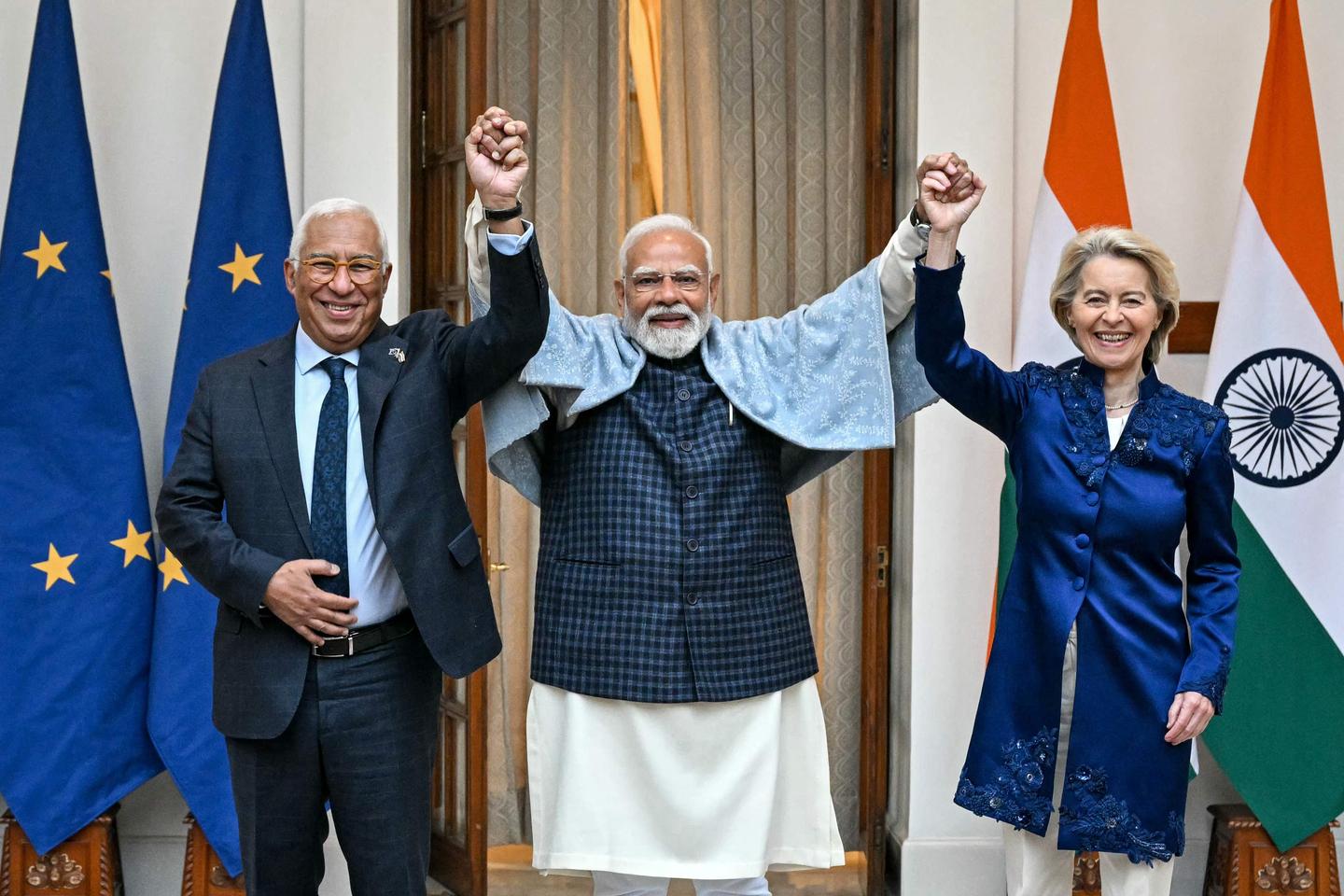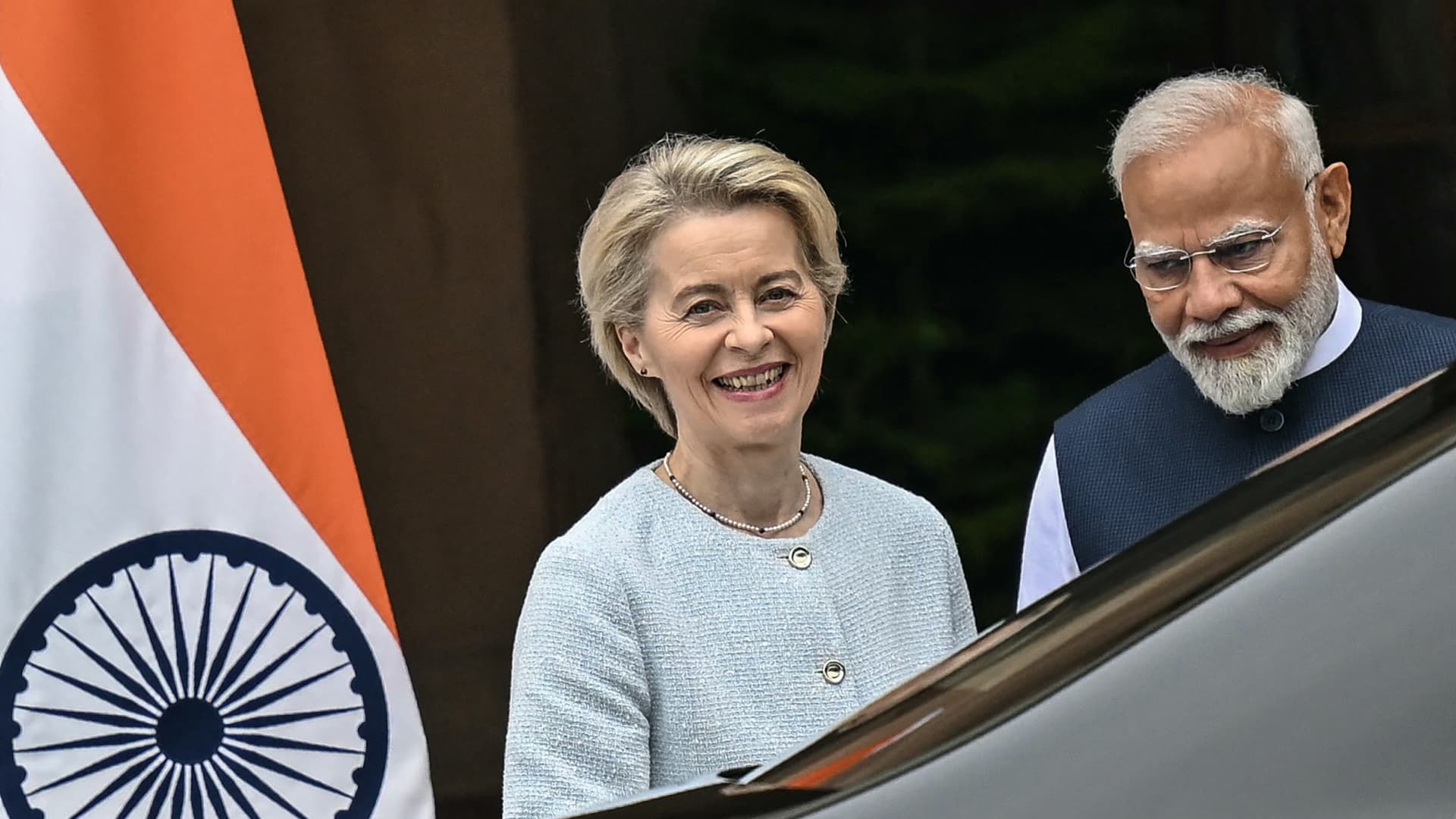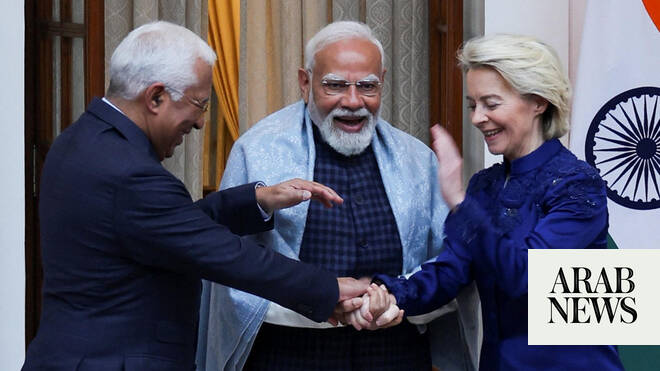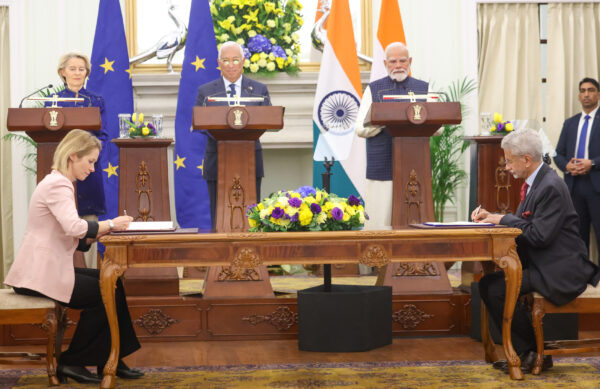
India and the European Union finally shook hands and signed the landmark Free Trade Agreement on January 27, 2026. This deal was widely described as the “mother of all deals” because it took nearly two decades of stalled negotiations to complete. A formal detente in 2022 and a relaunch led to a comprehensive package of 23 chapters covering goods, services, digital trade, and sustainability.
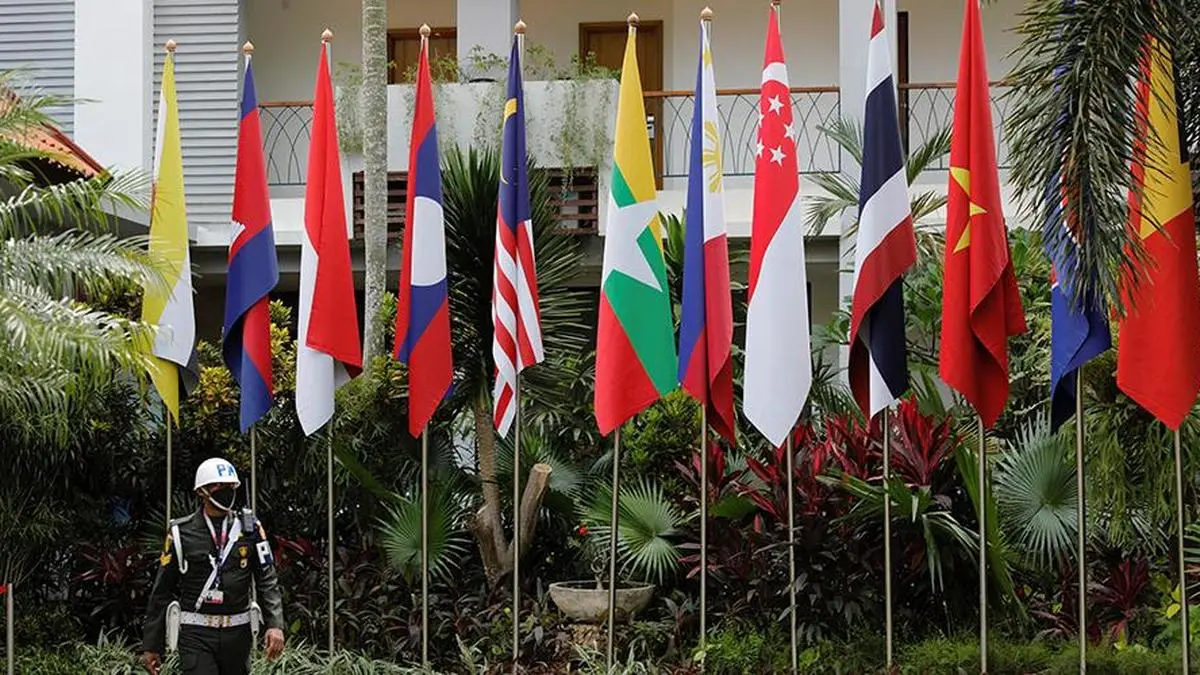
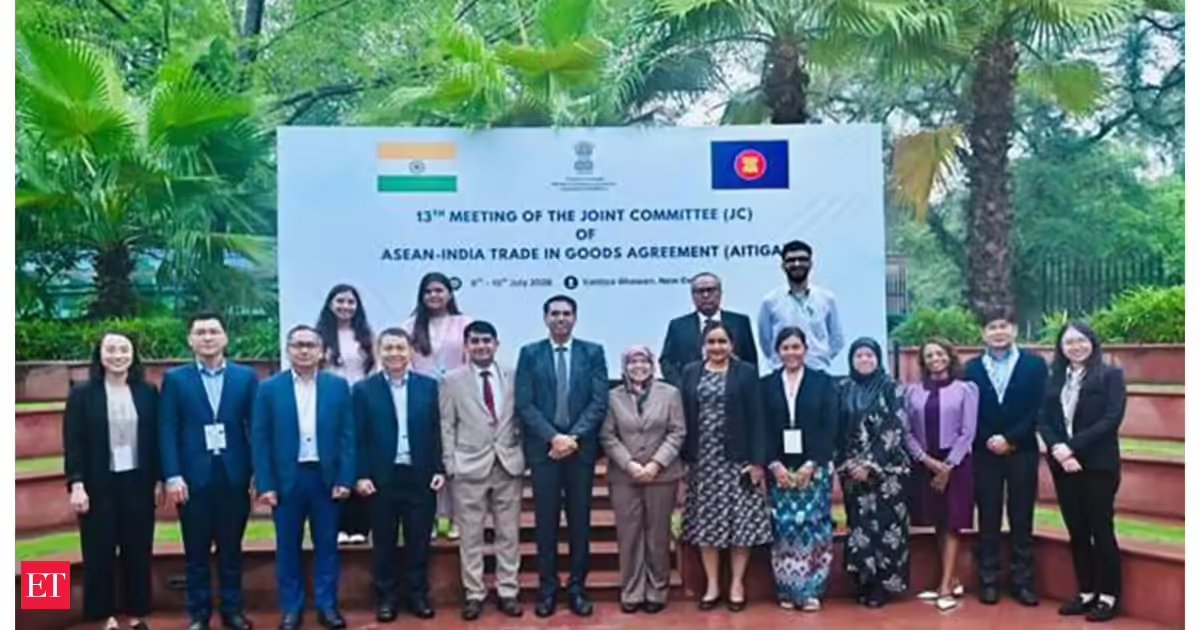
For those who lived through the negotiation of India’s first major trade agreement, the ASEAN-India Trade in Goods Agreement (AITIGA) of 2009, this stirred up memories. The ASEAN-India deal marked a pivotal shift: India, for the first time since liberalization in 1991, opened up its markets to a multi-country regional bloc, fundamentally moving away from its protectionist trade policies.
The AITIGA came into force in January 2010. The services agreement followed in November 2014 – after ASEAN had already secured full access to India’s large domestic market for goods. The goods sector was of interest to ASEAN at that time, while India had an established services sector. By agreeing to sequence them back then, India surrendered its primary bargaining leverage. New Delhi then waited in vain for services reciprocity that never fully materialized.