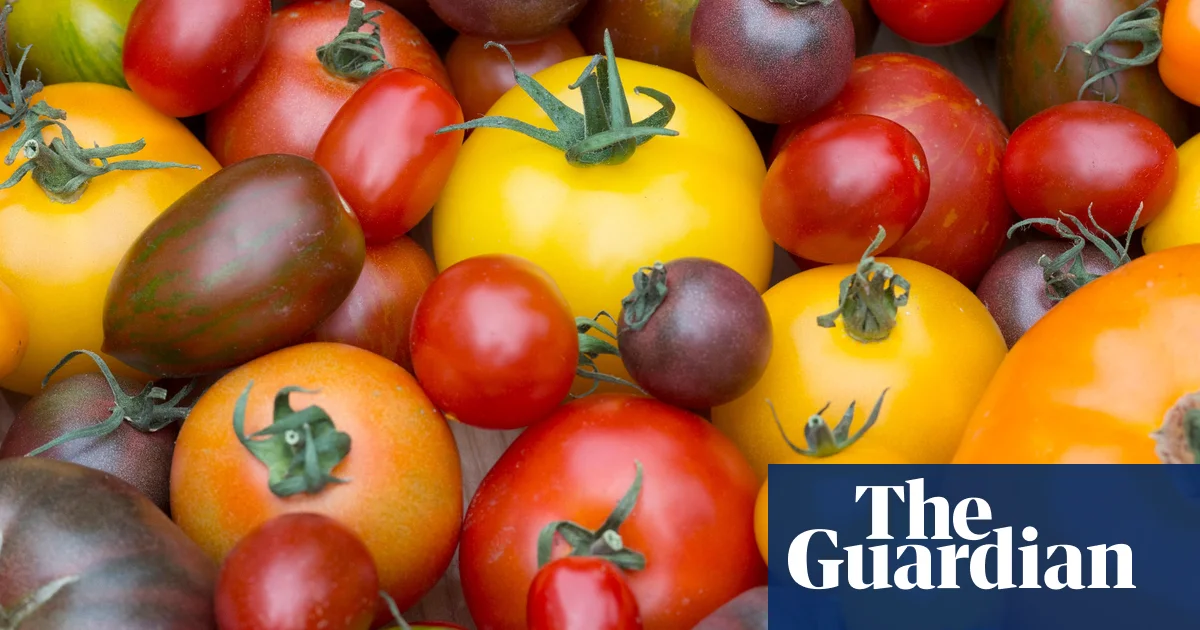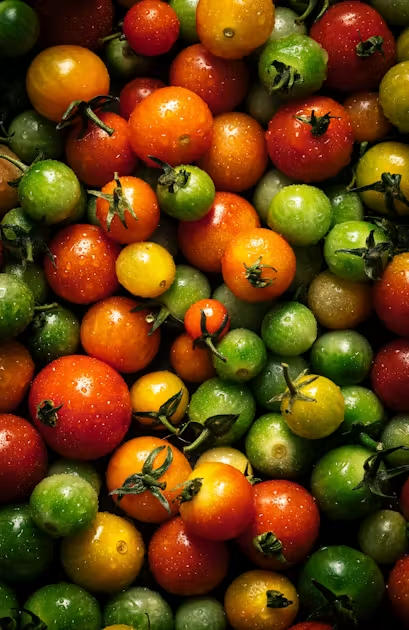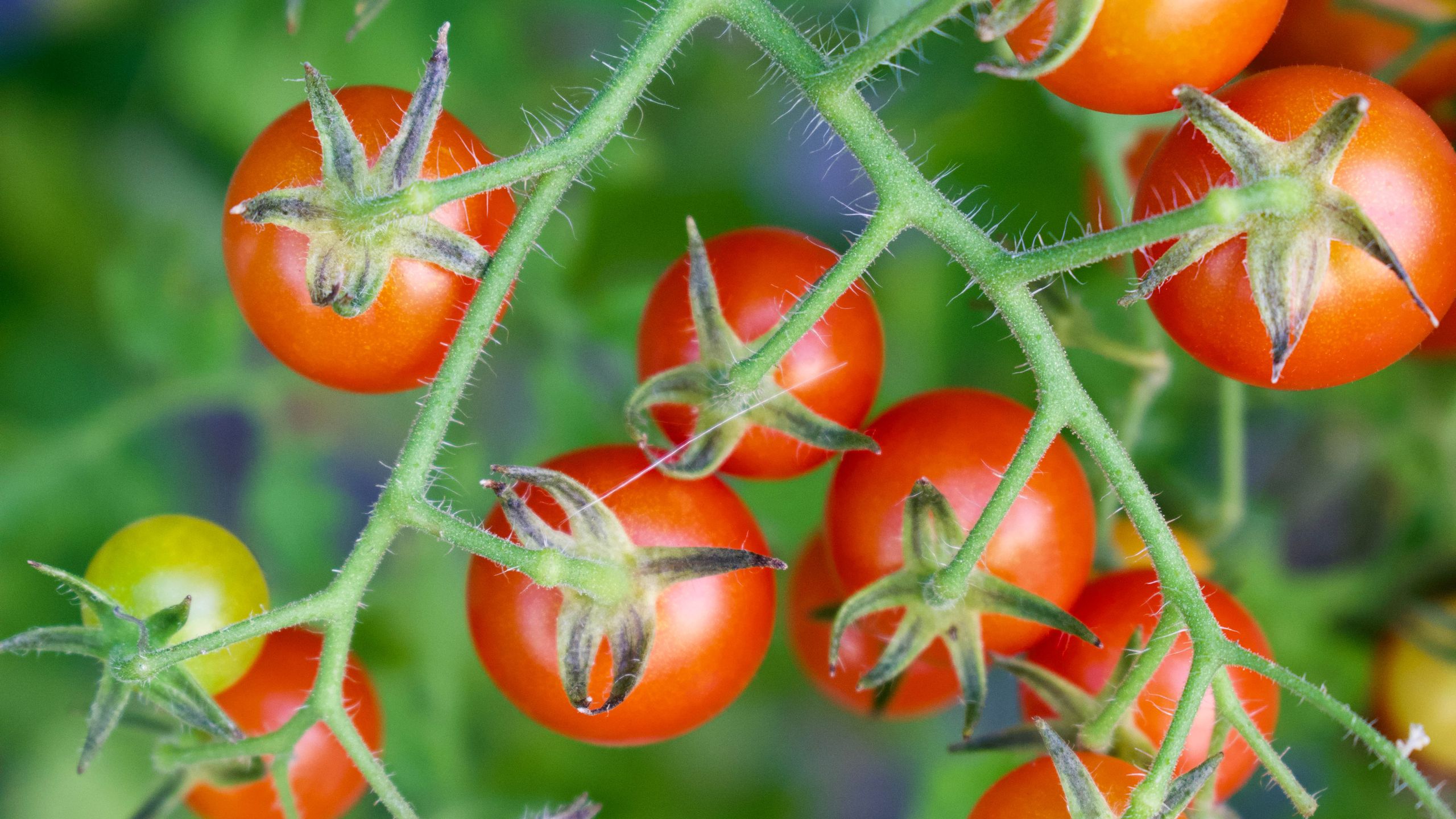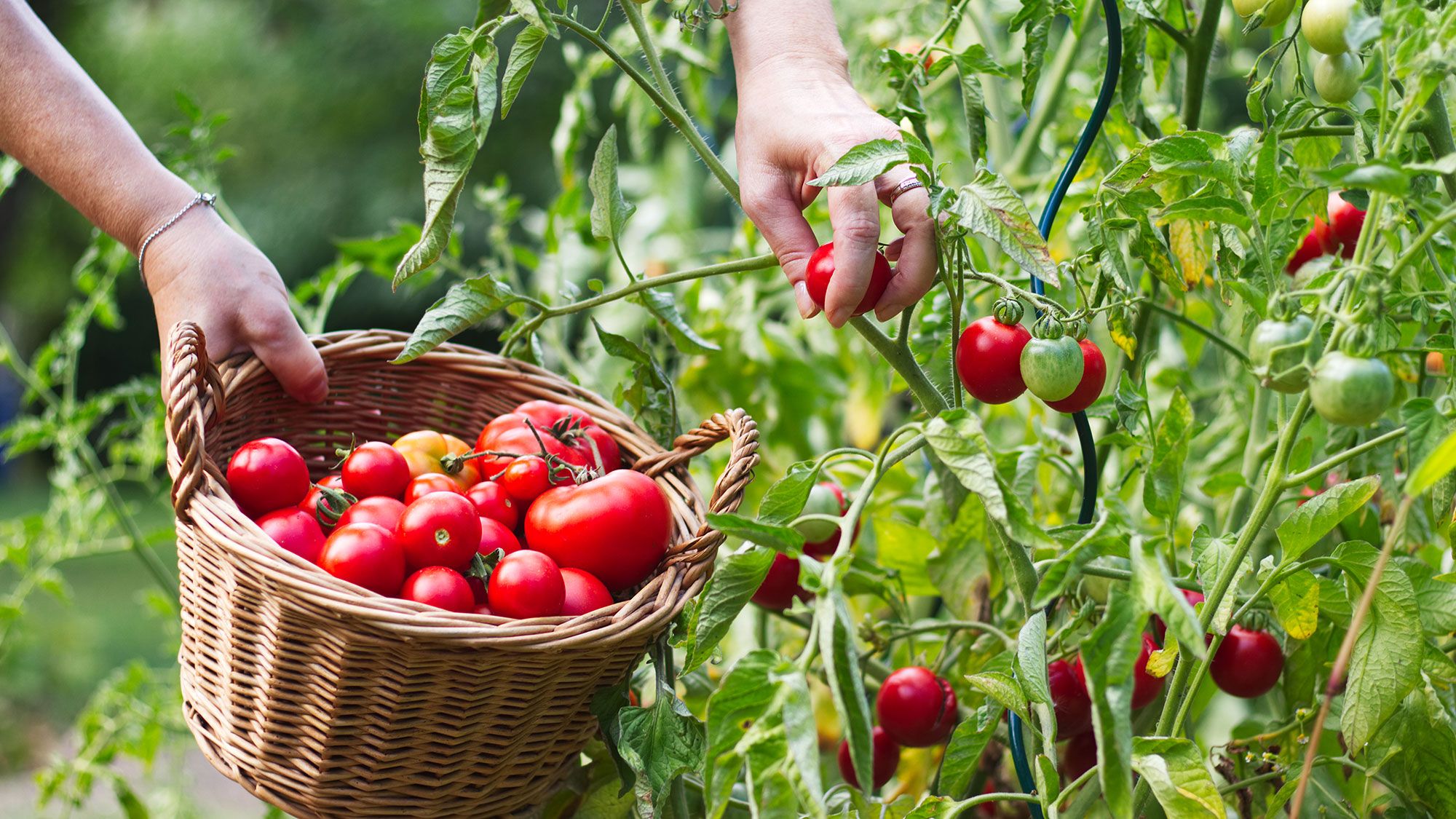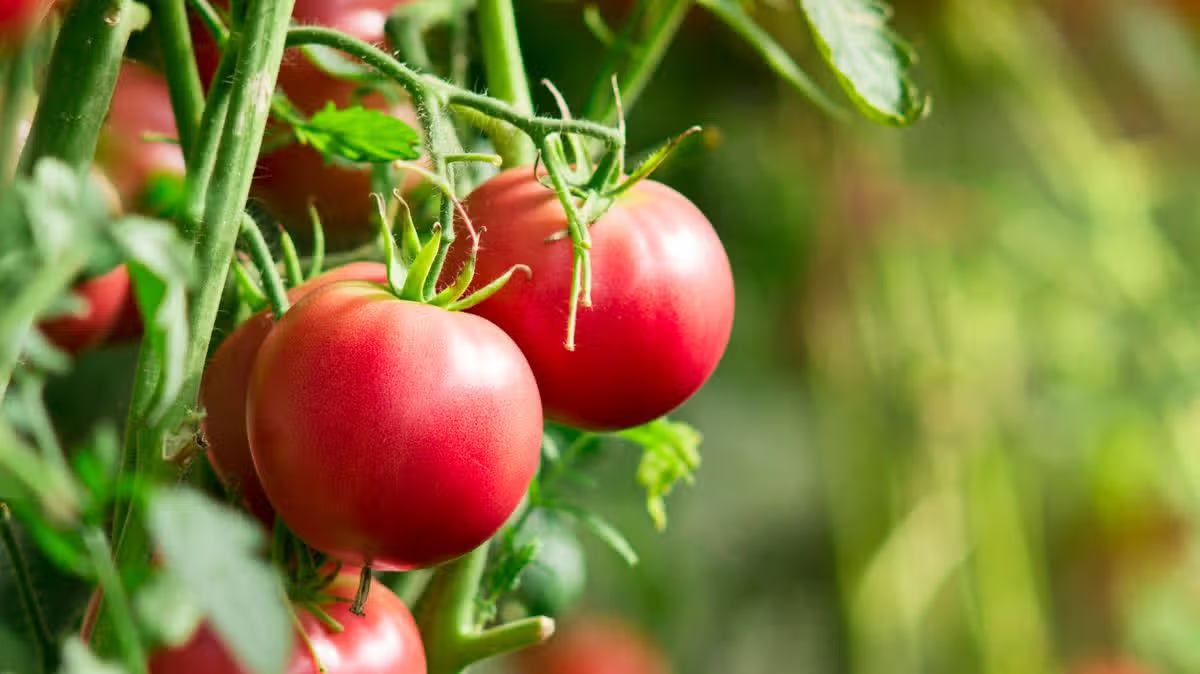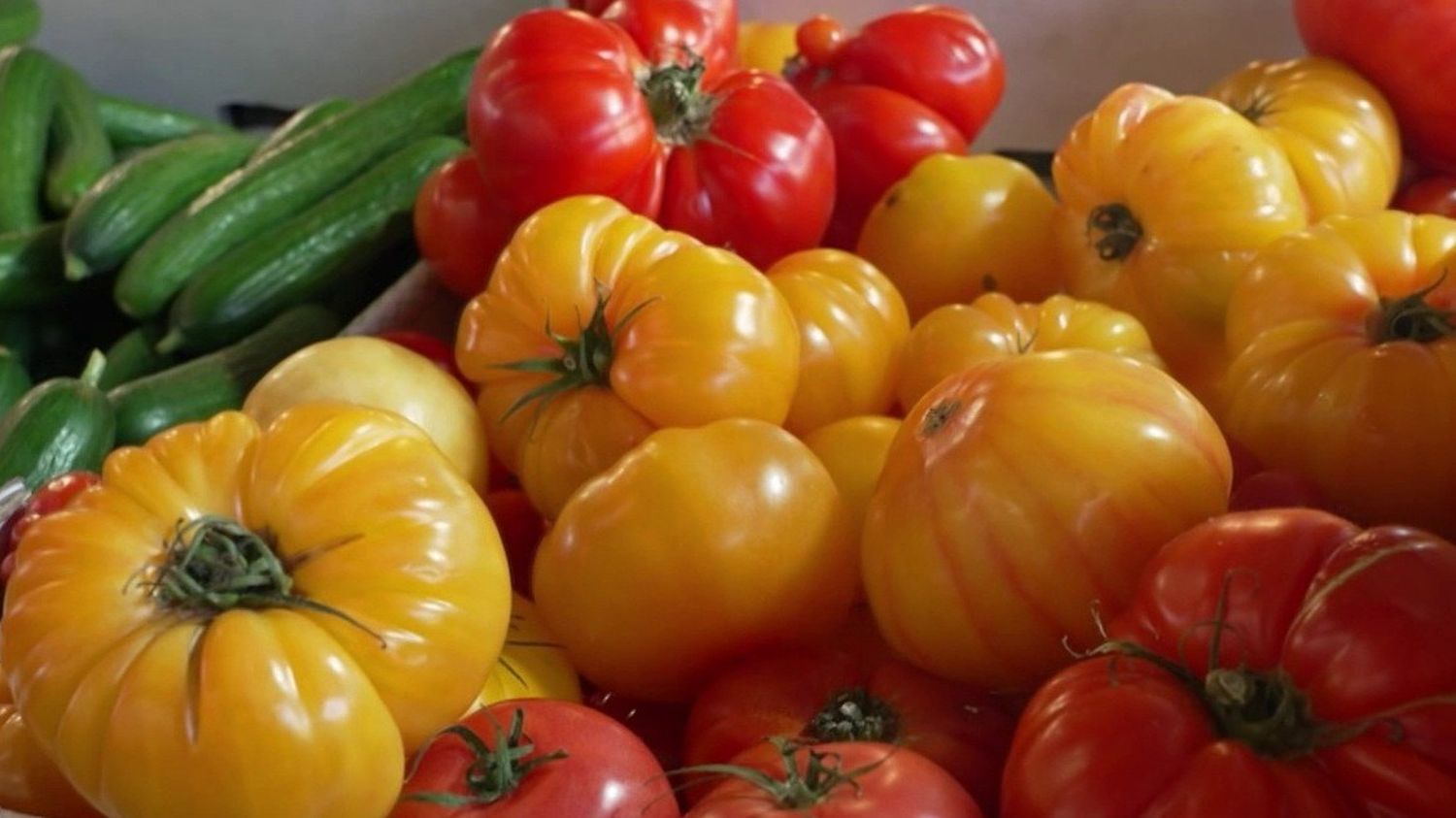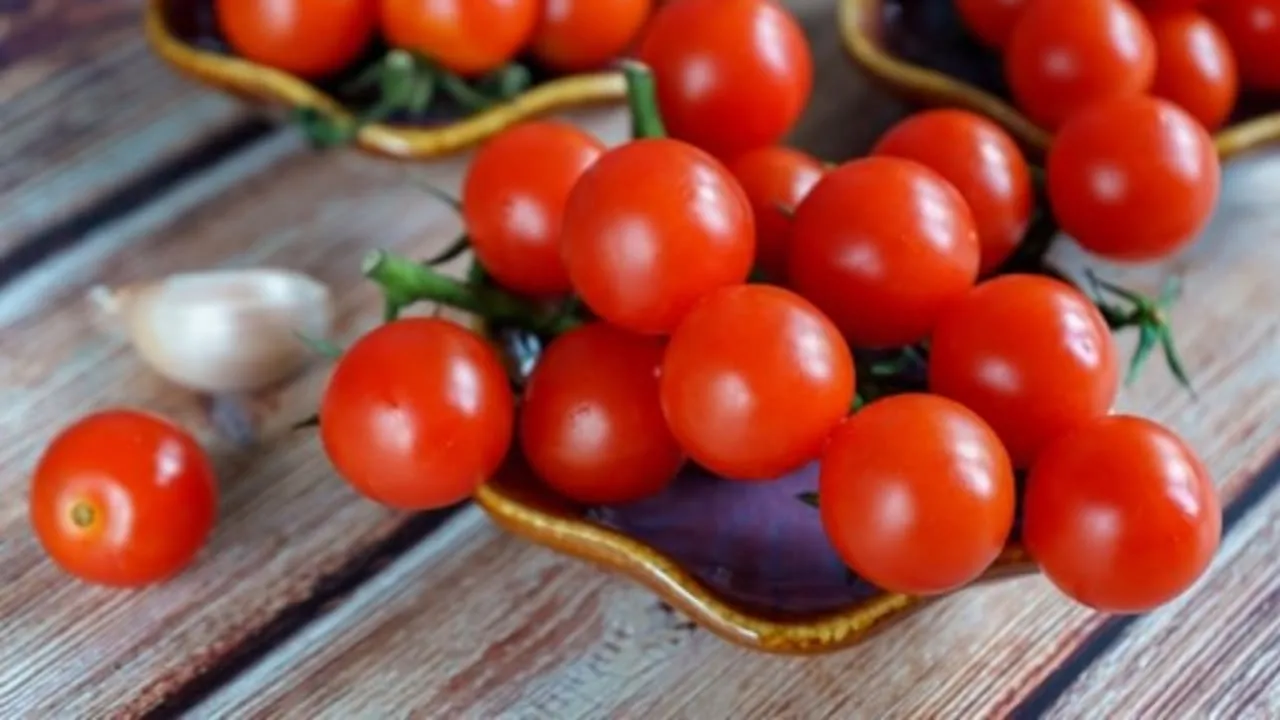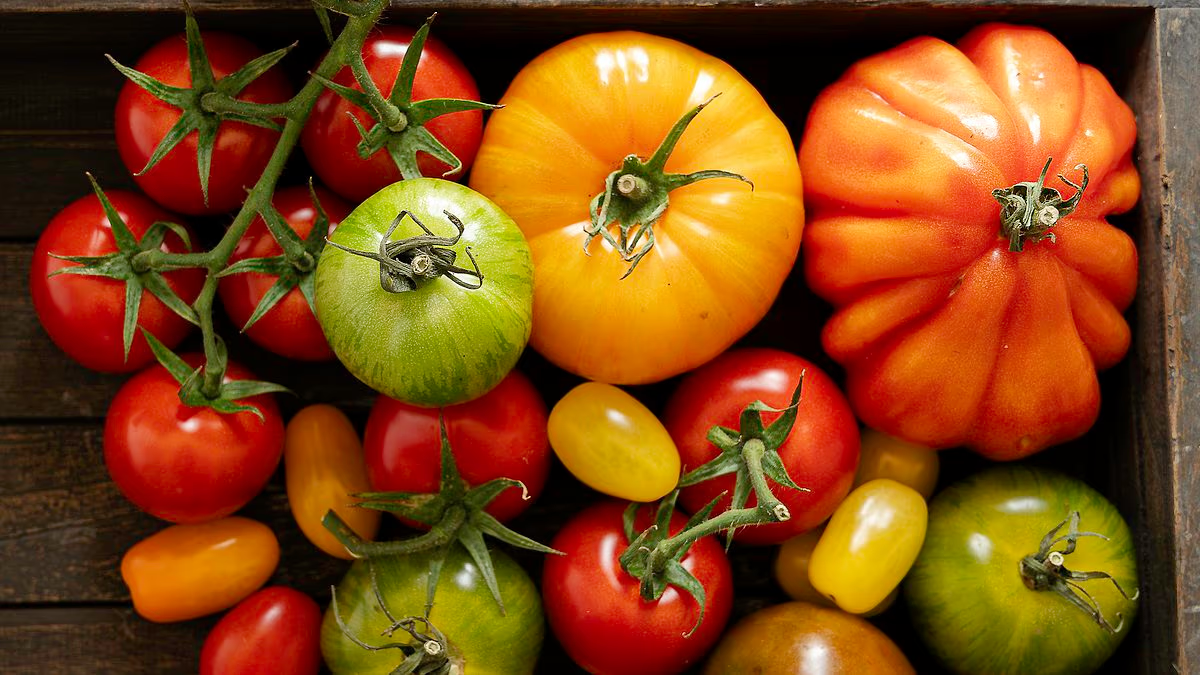
Tomatoes exist on a spectrum; at one end, tiny cherry tomatoes - cheap, sweet and easy to throw into salads - and at the other, huge, knobbly heirloom varieties, sold as the more luxurious, flavour-packed option.But does paying £5 for 10 rainbow-coloured tomatoes buy you more nutrients – or is a large 90p bundle just as healthy?Experts are unanimous in their conclusion that tomatoes, in general, are a powerhouse of nutrients, although some are better than others. All varieties are rich in lycopene - a compound that gives the fruit its red pigment and is teeming with antioxidants that have been linked to lower risk of heart disease and cancer. They also contain Vitamin C and potassium, which boasts benefits for skin, muscles, nerves and blood pressure.Yet, experts say the nutrient profile of a bog-standard supermarket tomato and one you might find in a health food shop are not necessarily identical. According to dietician Sophie Medlin, the colour, size and shape of a tomato - as well as the way it's cooked - can mean the difference between a mildly healthy snack, and one bursting with nutrition, while nutritionist Rob Hobson told the Daily Mail that ripeness and variety are also crucial factors.As trendy farm shops like Daylesford and even Ocado stock up on every shape, size and colour - at an eye-watering price of £5 for a small bunch - we asked two nutrition experts to explain which type is really best for your health. Heritage tomatoes are positioned as being tastier - but are they healthier? What's so great about tomatoes?Tomatoes are low in calories and provide Vitamin C, potassium, folate and small amounts of fibre, but their biggest nutritional selling point is lycopene.This compound acts as an antioxidant, helping to protect cells from damage caused by unstable molecules known as free radicals, and has attracted particular interest for its possible effects on heart health and cancer risk.'Higher tomato and lycopene intakes are associated with lower risks of heart disease and some cancers – especially prostate cancer,' says Sophie Medlin, a dietician from CityDietitians.A 2026 umbrella review published in the journal Food & Function examined nine previous reviews of studies involving tomato-derived lycopene.It found the clearest and most reliable evidence for the health benefits of the plant compound were related to blood pressure, while the results for cholesterol and other blood fats were inconsistent.The researchers concluded that consuming between 5mg and 30mg of lycopene - around one or two regular-sized, very red raw tomatoes - may modestly improve cardiovascular risk factors, particularly blood pressure. Meanwhile, a 2025 study by scientists at the University of Barcelona found that men who ate 4.9mg of lycopene a day had a significantly lower risk of prostate cancer compared to men who did not.Are cherry or heritage tomatoes healthier?Lycopene is present in all tomatoes, but cherry tomatoes may provide a concentrated source because of their 'skin-to-flesh' ratio, says Hobson. Cherry tomatoes have a higher skin-to-flesh ratio making them richer in nutrientsDo you want to lose a stone in six weeks?Hi, I'm Emma Bardwell, a nutritionist with more than 15 years' experience helping people improve their health and lose weight.I've been there. I was overweight, unhappy with my skin and stuck in a rut. Then I changed the way I eat. You can now do the same with my tried-and-tested healthy eating plan. And for DailyMail+ subscribers, it's completely free. Click here to sign up and start your journey 'Many of the protective plant compounds are just beneath the skin because this is the part of the fruit exposed to sunlight and environmental stress,' he explains.'The skin contains fibre and is rich in polyphenols and flavonoids, which are antioxidants.'He adds that cherry tomatoes will likely offer more of these compounds, per gram. 'You are likely to eat more than one cherry tomato in one go which means you'll consume proportionally more skin than you would if you were eating a single beef or heritage tomato.'This doesn't make larger tomatoes unhealthy, but it does explain some of the nutritional differences between varieties.' Experts also add that tomatoes on the vine may be higher in lycopene than other types, as they tend to be picked at 'peak' ripeness, when the compounds are in abundance. What's the healthiest way to prepare tomatoes? Regardless of the type, cooking tomatoes makes their lycopene easier for the body to absorb because heat breaks down the fruit's cell walls. As the compound is fat-soluble, eating cooked tomatoes with a small amount of fat – such as olive oil – can further boost absorption.One study examining how cooking affects the body's absorption of lycopene found that cooking tomatoes for thirty minutes increased it by 164 per cent in comparison with raw tomatoes.Ms Medlin adds: 'The only problem is that heat can destroy Vitamin C, so cooked tomatoes contain less of it than fresh ones. 'But we get a lot of Vitamin C from other fruits and vegetables, whereas lycopene is less available.'Ms Medlin advises everyone to include cooked tomatoes as a regular feature of their diet. If you prefer your tomatoes raw, however, she suggests eating them with healthy fats such as olive oil, avocado or nuts to help with the absorption of lycopene.Are yellow, purple and green tomatoes better for you than red ones? Tomatoes are best known for their red hue, but they also come in yellow, orange, green, purple and even black varieties - and they each have distinct health benefits.'The colour of a tomato will reflect the mix of pigments it contains, and these pigments often have different antioxidant properties,' says nutritionist Rob Hobson.'Traditional red tomatoes are particularly rich in lycopene.'Orange and yellow tomatoes tend to contain less lycopene but may provide higher amounts of other important nutrients such as beta-carotene, which the body can convert into vitamin A.'Join the discussionHow do you usually eat your tomatoes - raw, cooked or both?What's your view? Sowing and growing your own tomato plants is easier than you thinkVitamin A is essential for fighting infections, maintaining good eyesight as we age and building youthifying collagen. Hobson adds: 'Deep purple, blue or black tomatoes contain anthocyanins which is the same family of plant compounds found in blueberries and blackberries.'Anthocyanins have been linked to cardiovascular and brain health in several studies, although the amounts present in tomatoes are generally lower than those found in berries.' As for green-coloured varieties: Tomatidine - derived from green, unripened tomatoes - has been shown in animal studies to prevent muscle atrophy and encourage healthy muscle growth.Scientists have also created a dark purple 'super-tomato' containing an extra dose of anthocyanins, which incidentally also give aubergines their deep hue. Ms Medlin adds: 'Red tomatoes are often best for lycopene, yellow contain lutein - which is great for eye health - and green tomatoes have anti-inflammatory chlorophyll. All are great for us in different ways.'Can eating too many tomatoes be harmful?Despite their benefits, chomping down bowlfuls of tomatoes won't suddenly make you healthier.'If eaten in very large quantities, tomatoes are unlikely to provide additional health benefits,' says Ms Medlin. 'It's just about including tomatoes in your diet regularly.'But those who suffer with acid reflux should eat them sparingly. 'Tomatoes are acidic, so tend to worsen the problem, especially if they've been stewed and boiled up for a long time and more concentrated. 'Although rare, some suffer allergies that trigger a reaction to tomatoes, but these people can usually tolerate the fruit when it's cooked.'
Is a 90p cherry tomato as nutritious as the posh ones on a vine?
Tomatoes exist on a spectrum; at one end, tiny cherry tomatoes - cheap, sweet and easy to throw into salads - and at the the other, huge, knobbly heirloom varieties. But which is better for you?
1,244 words~6 min read