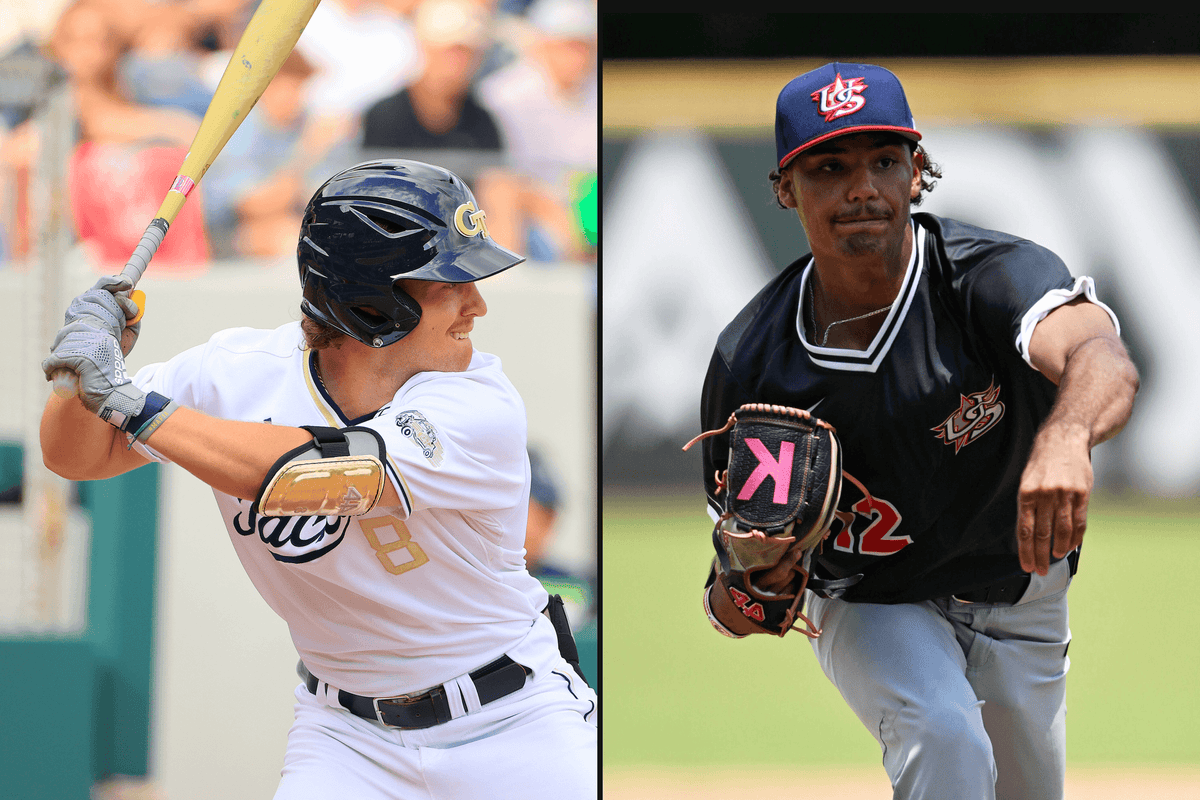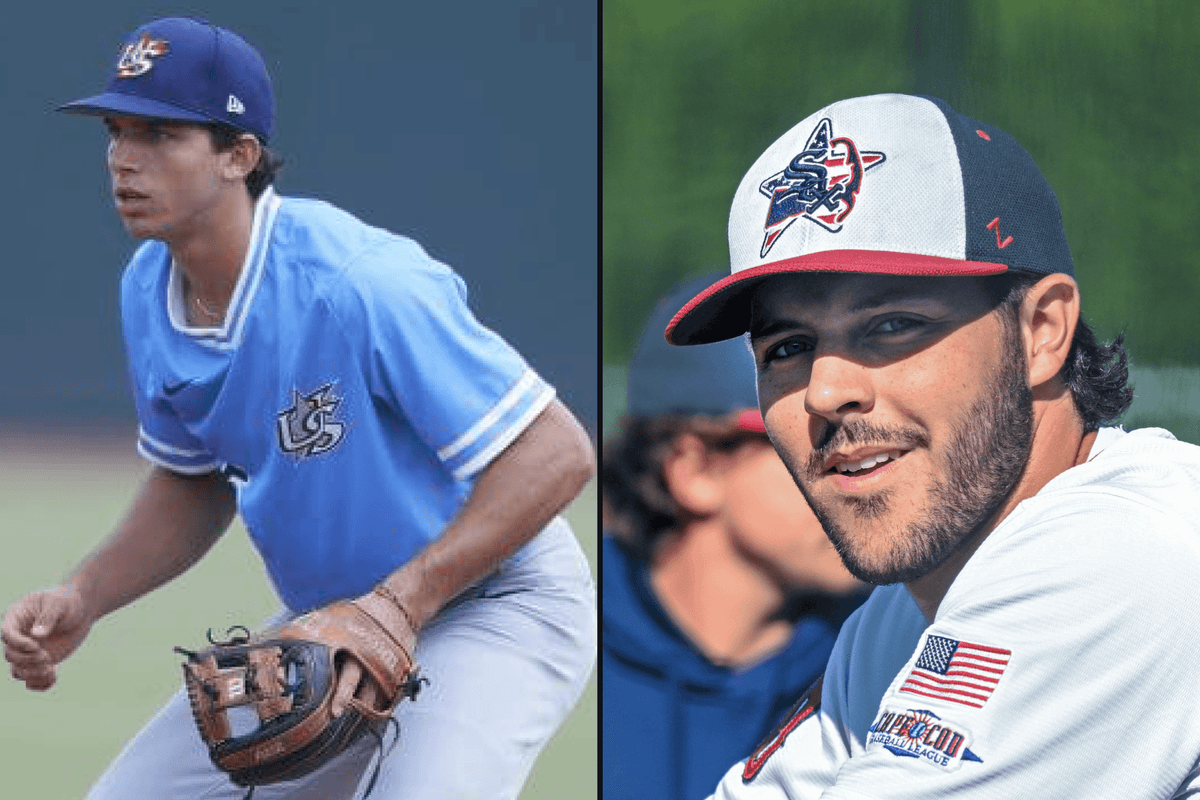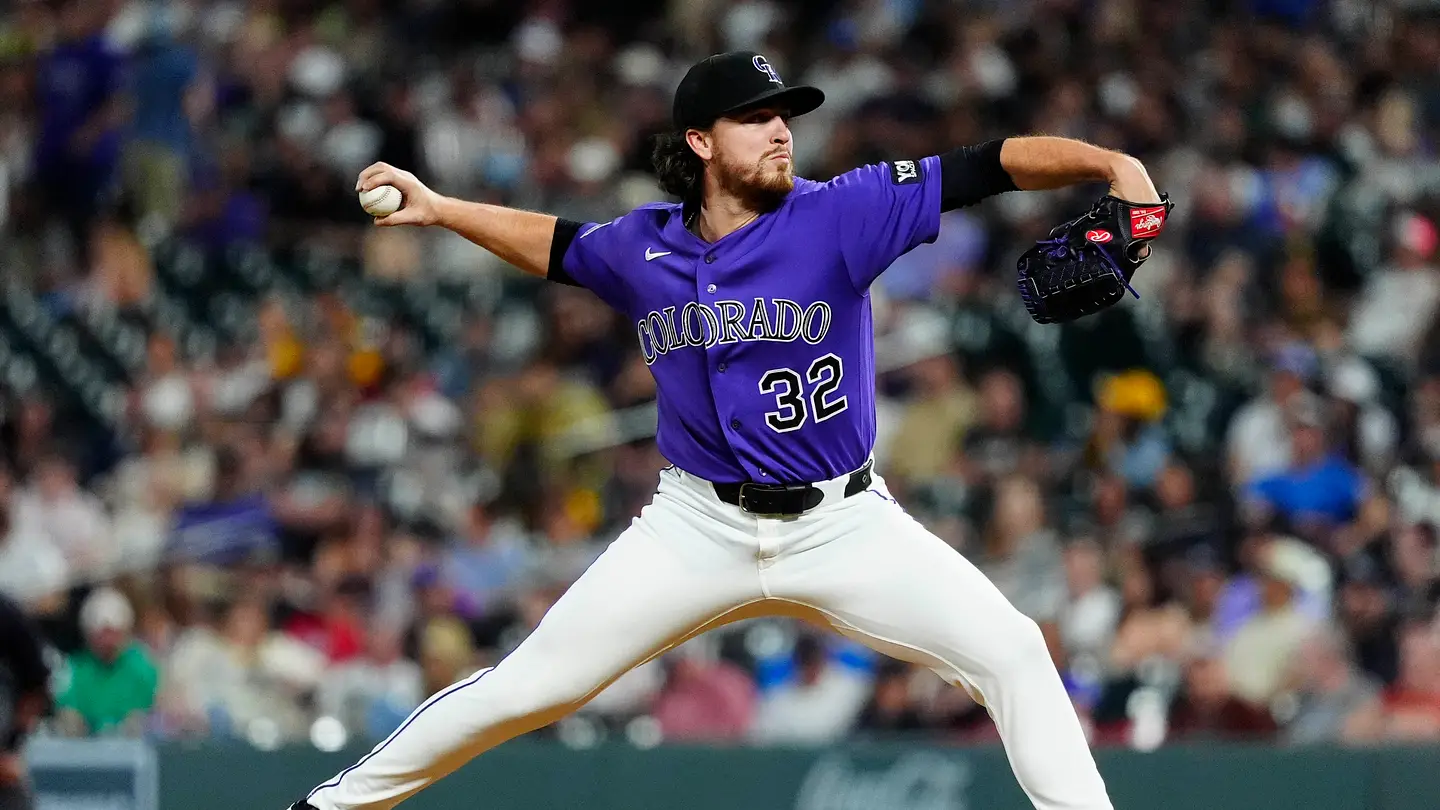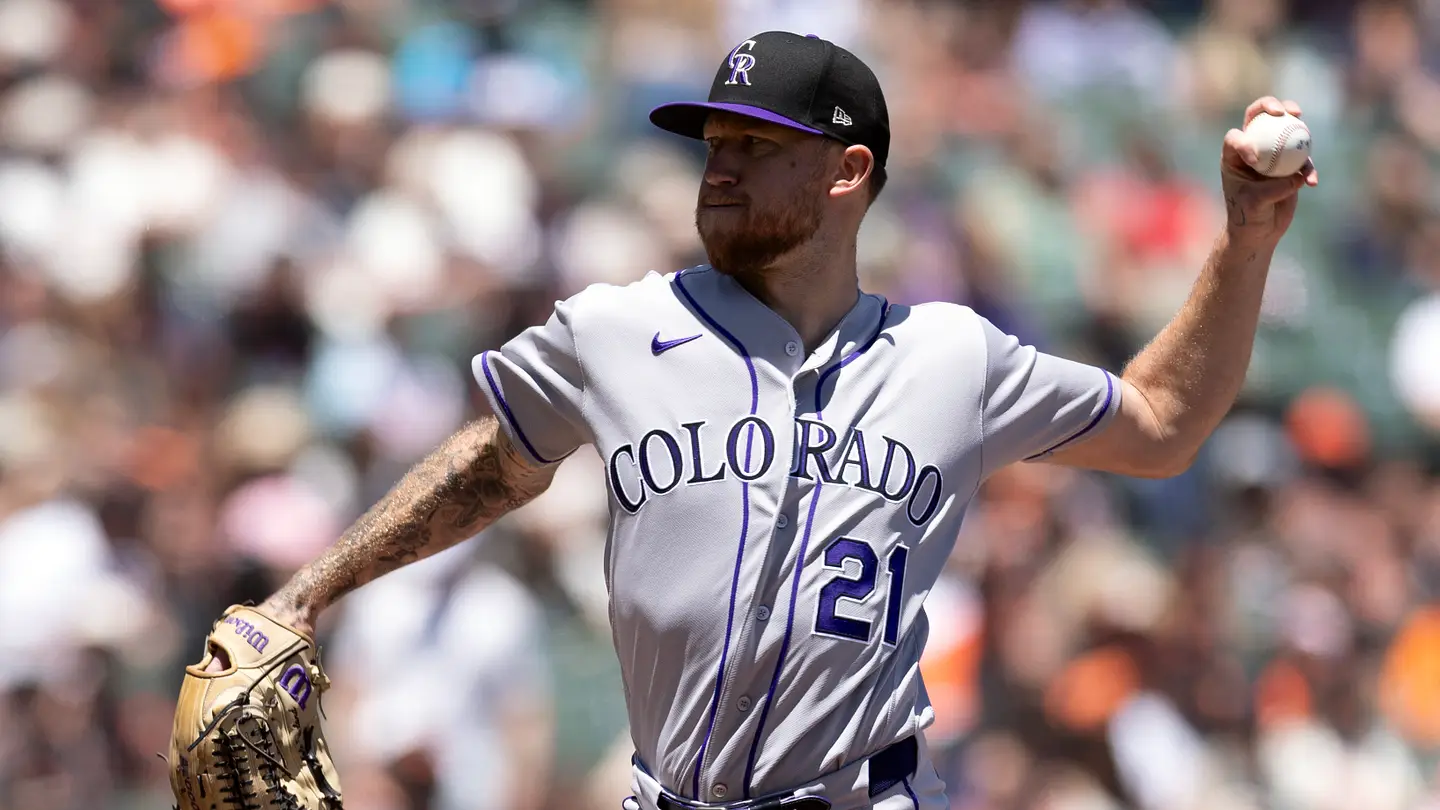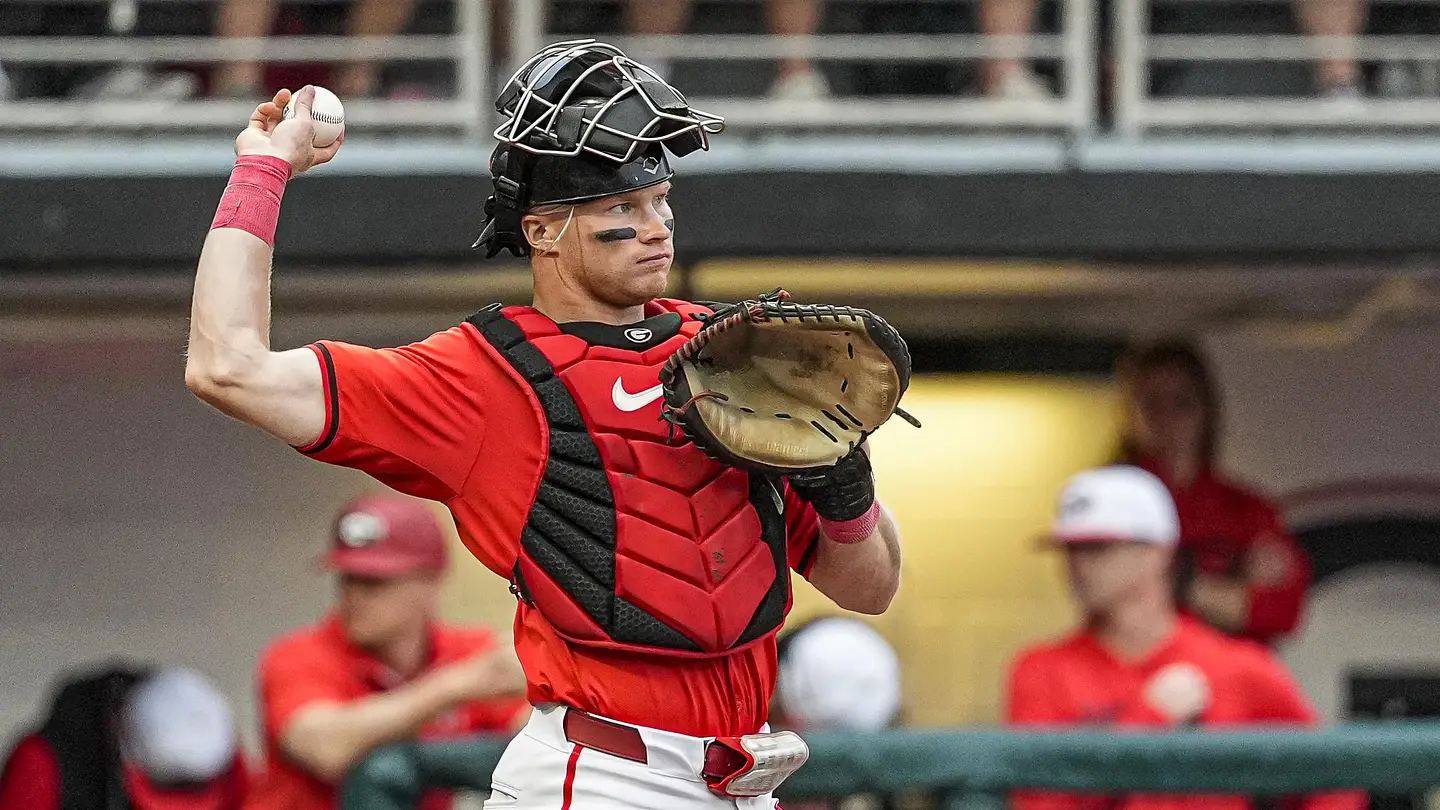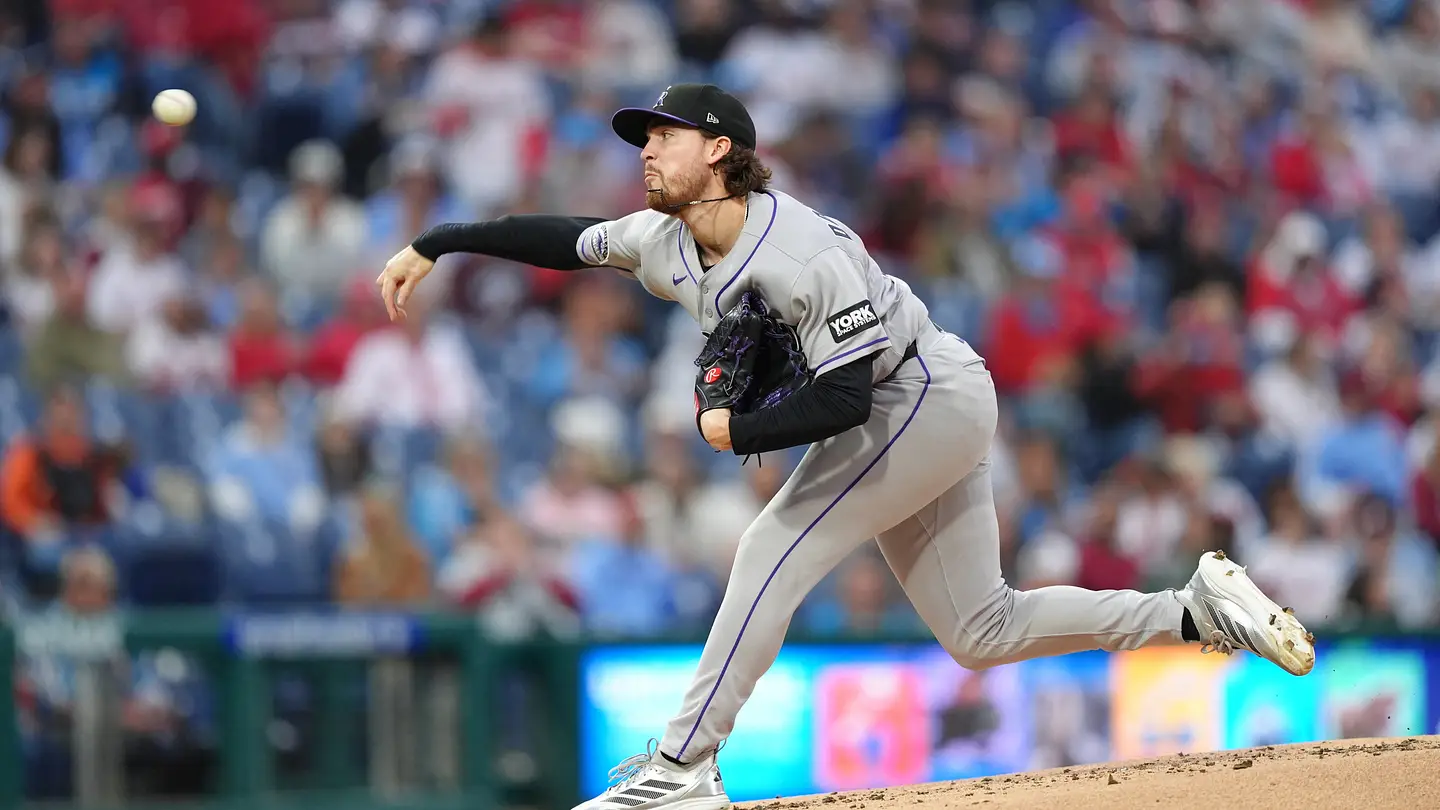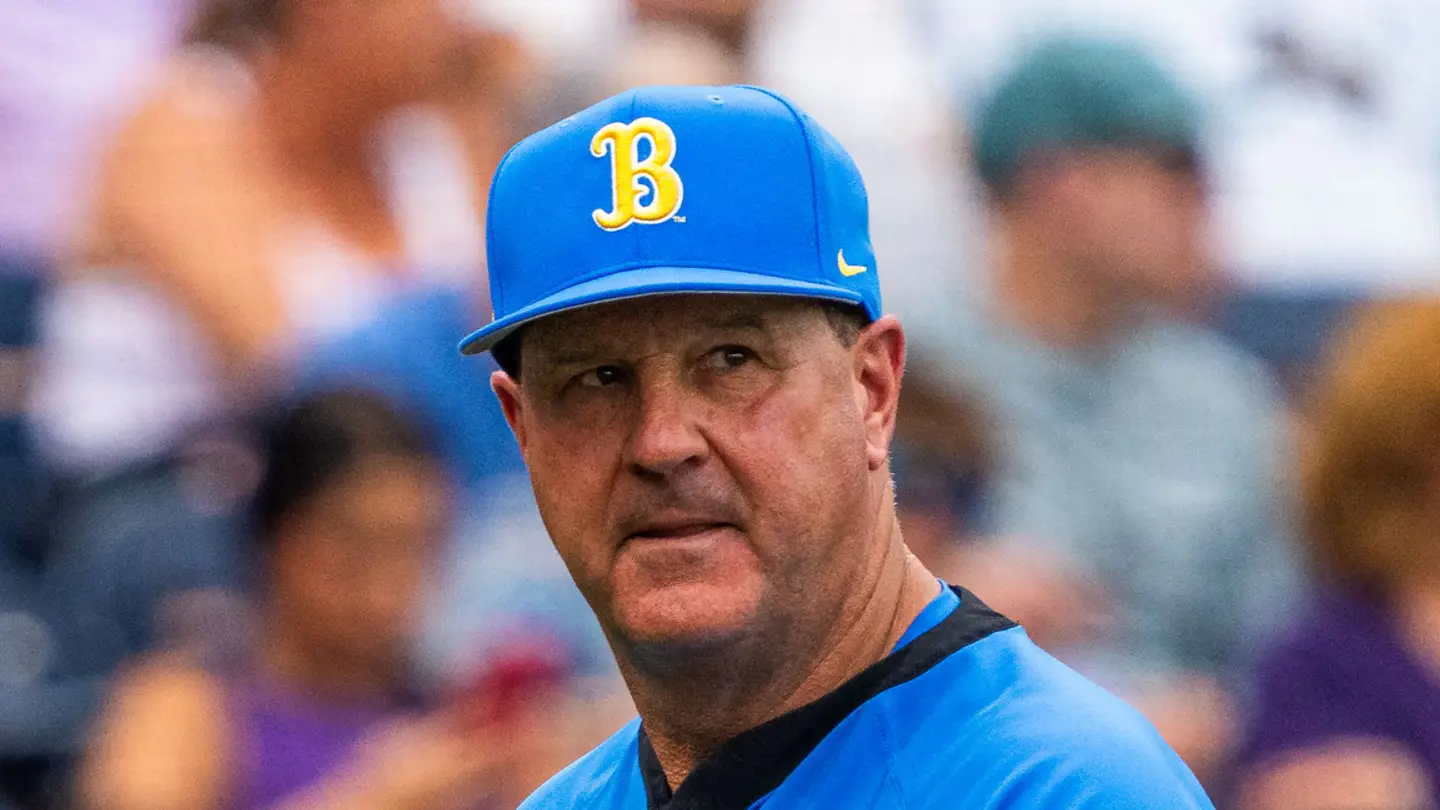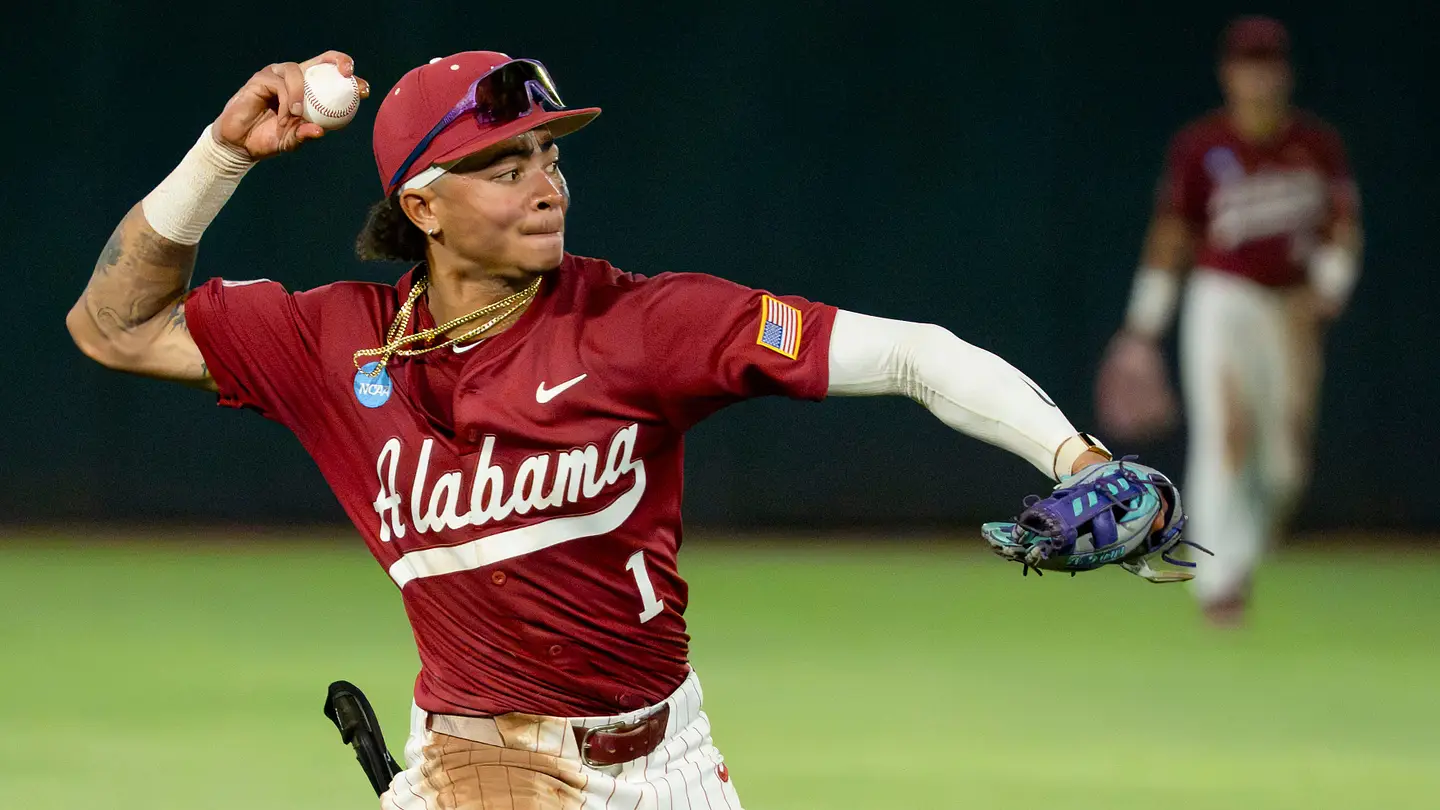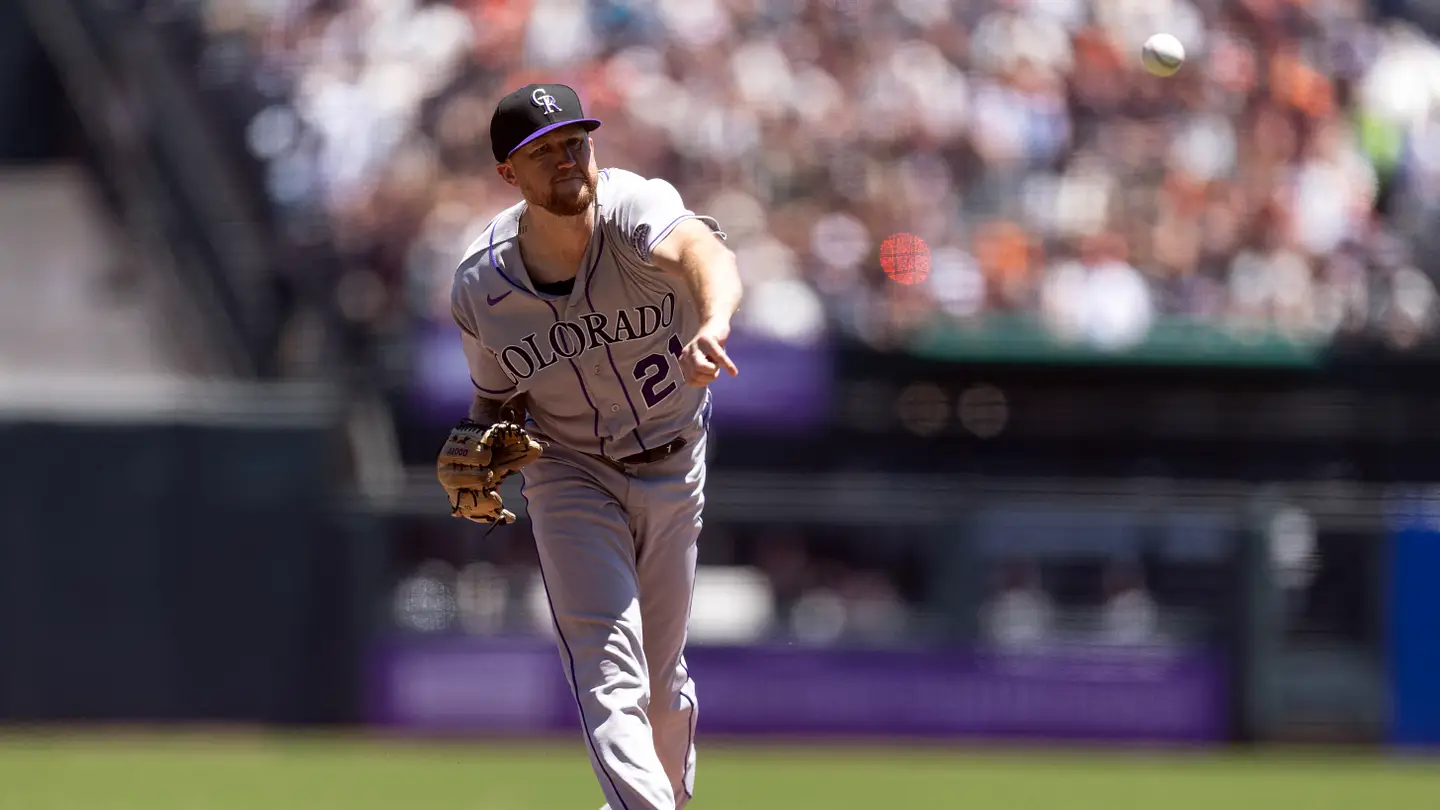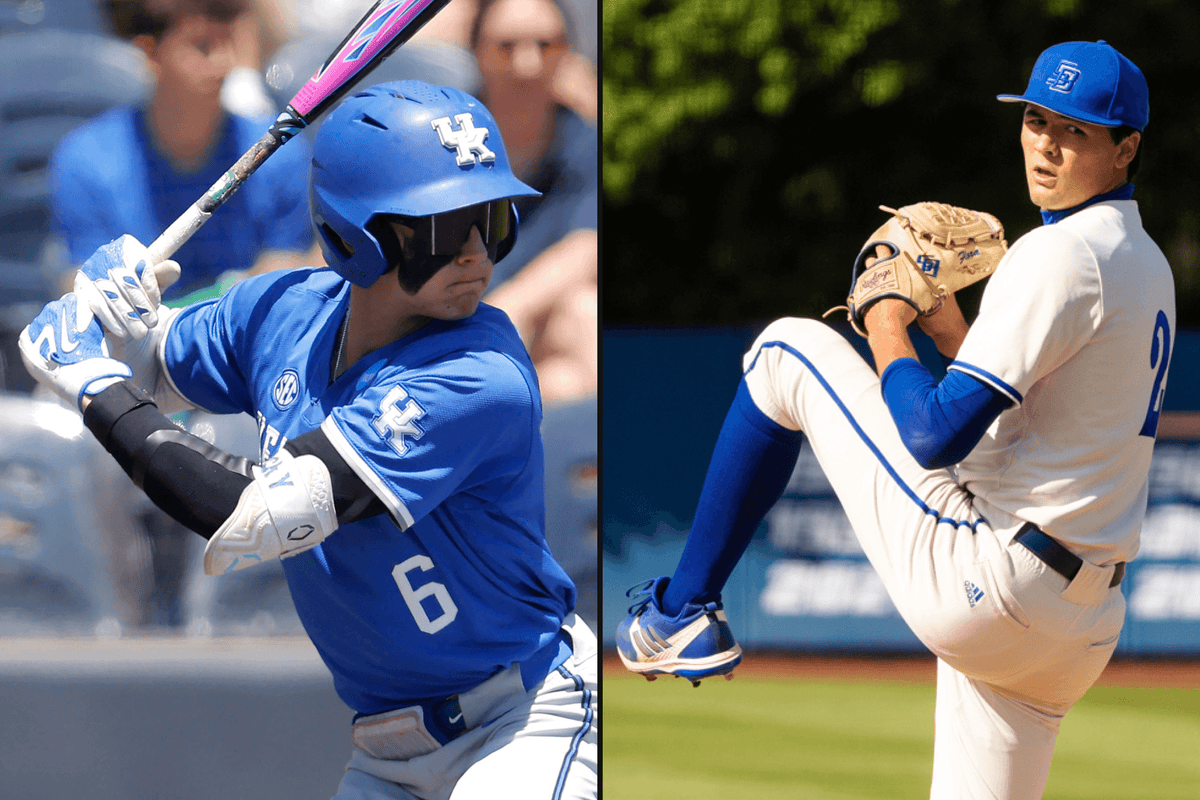
With the 2026 MLB Draft in the books, here’s my look at each National League West team’s draft class. I focus on the top 10 rounds, since those are the picks that count toward each team’s bonus pool. Players taken after the 10th round may be paid up to $150,000 without counting against the bonus pool, so the best prospects taken in Rounds 11 through 20 rarely end up signing.The number in parentheses after each player’s name indicates the round in which he was taken — CBA equals Competitive Balance Round A, which comes after the first round, and CBB equals Competitive Balance Round B, which comes after the second round. A C after a number indicates that it was a compensation pick between rounds for losing a free agent or failing to sign a draft pick last year. Note that the Los Angeles Dodgers were assessed a 10-pick penalty for exceeding the luxury tax thresholds, so their “first-round” pick came during the second round.Which teams fared well during MLB Draft Day 1?Keith LawI assume that all players taken in the top 10 rounds will sign, although each year there are roughly two to five players who don’t for various reasons. I also skipped over college seniors who were probably selected as money-saver picks, agreeing to bonuses under their slot figures so their teams can go over slot for other players, or other players who appear to be more about under-slot bonuses than major-league potential.Finally, I don’t give letter grades for drafts. I think that whole idea is absurd. The best I can offer is to tell you that I think teams did well or not based on what I know about the players available at those picks, and in general, I prefer to talk about specific picks rather than try to sum up months of work for each scouting department in a pithy line or two.(Note: Scouting grades are on a 20-80 scale. Click here for my top-100 draft prospect list.)Arizona Diamondbacks: Talented defensive catcher Helfrick headlines classThe Diamondbacks led off with Arkansas catcher Ryder Helfrick (1), an elite defender who cut way down on his swing-and-miss this year. He shows average power, with above-average everyday upside.Ryder Helfrick has an elite glove behind the plate and had a strong year at the plate this season. (Brett Rojo / Imagn Images)His calling card is his glove, grading out in some models as the best amateur defensive catcher in several years. At the plate, he made much better swing decisions this year and moved further from the plate to improve his plate coverage. I could see him as a 15-20 homer, low-OBP regular who saves a lot of runs with his glove and arm.Georgia high school right-hander Blake Bryant (CBA) was one of my favorite projection prospects in the class, as he’s very athletic, shows good arm speed and has a plus slider. His arm slot tends to vary, and he doesn’t get out over his front side like he should with that 6-foot-6 frame. He might sit 96-98 when he fills out.Georgia Tech infielder Carson Kerce (2) was overshadowed by the more famous names in his lineup, but he might have had the best pure hit tool of the group right now, along with consistent, medium-hard contact and strong swing decisions. He’s a plus runner who’ll go out as a shortstop but could probably play center field and might be plus at second base.Florida State outfielder Brayden Dowd (3) has a lot of 50/55 tools, with slightly above-average power and average speed and very strong ball/strike recognition. He has a good floor as a fourth outfielder and could be a decent everyday player if he can stick in center.Missouri right-hander Josh McDevitt (4) is 92-95 with some riding life, getting a high whiff rate on the pitch, but doesn’t really have a plus weapon or the kind of command he’d need to succeed with this stuff. He’s a junior but turned 22 last month.Oklahoma right-hander LJ Mercurius (5) has a plus changeup and a fastball up to 97, coming from a high slot, but has no breaking ball and doesn’t seem to spin anything that well. I think he’s a reliever unless the Diamondbacks find a spare breaking pitch lying around somewhere in his apartment.SUNY-Stony Brook left-hander Micah Worley (6) has been up to 98, sitting more 92-95, with an average slider, racking up a ton of strikeouts in the Coastal Athletic Association this year. He turns 23 in late August.Cal Poly right-hander Carson Turnquist (7) is 95-96 with an average slider, working with a super-long arm swing that I doubt he’ll be able to repeat enough to start.Colorado Rockies: Bell, Reddemann among good value picks in strong classThe Rockies clearly pivoted in their approach this year with a college-heavy class, but I don’t think they shifted entirely away from aiming for high-ceiling players. They still added several potential stars out of this class.Kentucky shortstop Tyler Bell (1) was No. 3 on my draft board, so I love the Rockies getting him at pick 10. He injured his non-throwing shoulder at the start of the year and will probably require surgery, but after a few weeks off, he returned to hit .343/.510/.608 in a schedule skewed mostly towards SEC competition. He’s a disciplined hitter who has above-average power and projects to stay at shortstop. I can’t imagine he slides to this pick if he’s healthy all spring.Daniel Jackson’s huge year at the plate netted him college baseball’s highest honor, the Golden Spikes Award. (Dale Zanine / Imagn Images)Golden Spikes Award winner Daniel Jackson (CBA) of Georgia has huge power, with a lot of swing-and-miss. I don’t think he’s going to stick at catcher; I’d move him to first or DH and let him focus on hitting and give him the goal of at least making better swing decisions, as you don’t want him to stop trying to hit for power given his output.UCLA right-hander Logan Reddemann (2) was headed for a top 10 pick before the injury bug bit him. The Bruins called it arm fatigue, then called it a flexor injury, but never said the word “elbow” that I can tell. Before the injury, he was 93-96 with excellent command, working with a hard slider and a 55-60 changeup. He’d started using his cutter more as the spring went on before he got hurt. He returned to throw at the MLB Draft Combine, with his stuff down slightly. He has No. 2 starter upside when healthy.Cincinnati catcher Jack Natili (3) is more likely to stay behind the plate than Jackson, although Natili will need work on blocking and receiving, with his arm his best defensive tool. He cut down on his leg kick this spring and hit for more power as a result, although there’s still too much whiff in the zone to project an average hit tool.Mississippi State senior Ben Davis (4) is probably a money-saver pick, as he’s a straight reliever, with a low three-quarters arm slot where he still gets on top of the ball well. He’s up to 97 with a slider and cutter.That money might go to Missouri high school right-hander Tyler Putnam (5), the Rockies’ only prep pick in the top 10 rounds. He’s very projectable and already has topped out at 98, with some natural cut to the pitch and deception from a high slot. He has good shapes on his breaking stuff but needs to throw both pitches with more velocity and will have to develop his changeup. I like the delivery and projection to the body.Mercer right-hander Garrett Lambert (6) missed nearly two years due to Tommy John surgery, returning this spring to sit 92-94 with a plus slider. He’ll need a pitch for lefties, but there’s an outside shot at a backend starter.The Rockies also took Pittsburgh fifth-year senior Lorenzo Carrier (14), who had the best exit-velocity data in Division 1 this year after several years of limited playing time between Miami and Pitt. He’s 23 and still swings and misses too often, but this kind of damage from someone who can play the field is worth a flier.Los Angeles Dodgers: Lowrance the focus of small classThe Dodgers didn’t pick until No. 40, and they appear to have put all their eggs in the basket of high school infielder Bo Lowrance (1), a tall, strong shortstop from South Carolina who’s earned comparisons to Freddie Freeman and Kris Bryant.The Dodgers had the smallest draft bonus pool in the league and will likely spend most of it on Bo Lowrance. (Todd Shanesy / USA Today via Imagn Images)Lowrance isn’t going to stay at short and could outgrow third base as well, but the bat is his carrying tool. He has quick hands, some power and good loft in his swing to drive the ball in the air. He hit very well against good pitching at showcases last year.Right-hander Russell Sandefer (4) was a swingman at Florida this spring, his third school in three years. He’s 91-94 from a low slot with a violent delivery. He has a decent slider and changeup that give him solid middle relief potential.The Dodgers’ third pick came all the way in the seventh round, where they took Connecticut left-hander Charlie West (7), who won’t turn 21 until October. He’s a smaller guy, listed at 6-foot and maybe more like 5-10 in actuality. He’s 90-92 from a high slot and has a standard four-pitch mix, attacking hitters in the zone like someone with bigger stuff. He led all Big East pitchers with 111 strikeouts this year.Oregon left-hander Miles Gosztola (8) moved into the Ducks’ rotation later in the year, his first season in Eugene after transferring from Gonzaga. He’s 91-93 with an above-average changeup and an average slider. He looks like he should be throwing harder, and since the delivery is pretty clean, if maybe a little long in the back, I wonder if the Dodgers are going to have him throwing 95-96 next year.Texas Tech outfielder Kyeler Thompson (9) is a low-power speedster with high contact rates and a flat swing that doesn’t lift the ball much.San Diego Padres: High school pitching once again headlines classThe Padres led off with a high school pitcher, as they have done three years running, taking right-hander Coleman Borthwick (1), a 6-6, 245-pound starter from the Florida Panhandle. He sits 94-95 and has been up to 98 with riding life up top and works mostly with the fastball, showing a potentially average slider as his second pitch. He has mid-rotation upside but will have to develop his changeup and work more with his secondary stuff to get there.Coleman Borthwick is the latest in the Padres’ long line of high school pitching selections in the first round. (Michael Snyder / USA Today via Imagn Images)Canadian high school infielder Elliot Lascelles (2) has a history of hitting at showcases against older and better competition. It’s a wide setup, and he gets a little uphill, but he has superb hand-eye coordination, has hit all pitch types and can get to good velocity. He’s a shortstop but probably ends up at second base or possibly in center field.He’s committed to Yale because he has boorish manners. (It’s the second year in a row Yale has had a commit picked in the second round, after the Tigers took Michael Oliveto last year. I hate to admit this, but they may be doing something right there.)UNC right-hander Ryan Lynch (3) is 93-97 with a slider and changeup, needing to use the changeup more to lefties after he had some platoon splits this year. The slider is more of a chase pitch to righties, although there could be a better slider in there with some help. He could be a fourth starter given some real development.George Washington catcher Robbie Lavey (4) has a bucket of average tools, with enough defensive chops to offer the floor of a backup catcher and a chance to end up a regular with maybe 10-12 homers a year.Oklahoma State left fielder Alex Conover (4C) hit .357/.476/.625 this year, with a hard swing that often sees him ending up off-balance or on his back knee. He goes to no-stride with two strikes, so he whiffs less often in those counts than he does before that point. He’s strong enough to get to above-average power, and his hard-hit rate during the spring was over 50 percent. He won’t turn 21 until late August.Kansas State right-hander James Guyette (5) was 91-95 this season with a decent slider he uses to front-hip righties and as a chase pitch. It’s a low slot and a rough delivery with effort and a head-whack, so I think he’s a reliever.Arizona State infielder Nu’u Contrades (6), who went to the same Honolulu high school that produced Benny Agbayani and Brandon League, DH’d for a chunk of the spring due to a hamstring injury. He’s compact but strong, with some of the best batted-ball data in the class, including a 57 percent hard-hit rate. He played third base for the Sun Devils in 2025, then switched to second base when healthy this year, and might end up a solid corner outfielder. He’s a senior, but better than a senior sign who’s there to save money.Joe Tiroly (7) was awful when I saw UVA early in the spring, but he was still recovering from a foot injury he’d suffered in the fall. He was much better later in the spring, finishing with a .407/.485/.831 line in May. He might be a low-OBP third or second baseman with 20-homer power.San Francisco Giants: Large pool yields strong class that includes another BondsThe Giants amassed one of the biggest bonus pools in the draft this year after trading Patrick Bailey to Cleveland for the No. 29 pick. They used that money to go all-in on their first three selections.With their first pick, the Giants took the draft’s top pitcher in UC Santa Barbara right-hander Jackson Flora (1) at No. 4. In Flora, they get a high-probability starter with a 70 changeup and a plus slider. He’s been up to 100 and lives in the upper 90s, although the fastball is somewhat flat and really just sets up the other two weapons. He throws strikes, with a little effort to the delivery, and could end up a No. 2 starter or better if he can improve the four-seamer or maybe add a two-seamer.Carson Boleman was the first of two high school arms the Giants took on Day 1 of the draft. (Ken Ruinard / USA Today via Imagn Images)South Carolina high school left-hander Carson Bolemon (CBA) was the pick at 29. He came into the spring as the top high school lefty in the class and recovered from a slow start to finish strongly, getting up to 95 with two strong breaking pitches led by a big, sharp curveball. He has already had the internal brace procedure on his elbow.Right-hander Kaden Waechter (2) is the son of former Rays pitcher Doug Waechter, and like his dad, is a big strike-thrower. Kaden is 91-95 with a huge induced vertical break and gets down to a low three-quarters slot that gives him a very low release height on the pitch. He has a slider that’s at least a 55, a cutter and a straight changeup, the last of which is going to be the most important for him to develop given his arm slot. He’s a high-probability starter, lacking the ceiling of some other high school pitchers but having more floor because he’s not depending on a huge fastball.Rutgers center fielder Peyton Bonds (3) is … a fine pick, although it definitely looks like a PR selection given who his uncle and grandfather (Barry and Bobby Bonds) are. Bonds has plus-plus raw power, with his top exit velocities among the best in the class, but it hasn’t translated into home runs in part because he swings at everything. He’s a 55 runner who could stick in center. If the Giants can get him to cut down on his chase, he could be a regular or even better, but it’s a tall order.The Giants took Trot Nixon’s son, NC State second baseman Luke Nixon (5), who hit .367/.452/.595 this spring. He almost never misses a fastball, with a flat swing that doesn’t produce a lot of power. He has some trouble with breaking stuff and generally with staying in the zone.McNeese State right-hander Eric Nachtsheim (6) finished ninth in Division I in strikeouts this year as a senior, doing it almost entirely with a high-riding fastball and some deception in his delivery. He’s going to have to go to the bullpen, and even there he has to develop a better breaking ball.
NL West 2026 draft report cards: Rockies, Giants land impressive hauls
The Dodgers were limited by a small draft pool and few picks but still managed to make one eye-opening selection.
2,793 words~13 min read