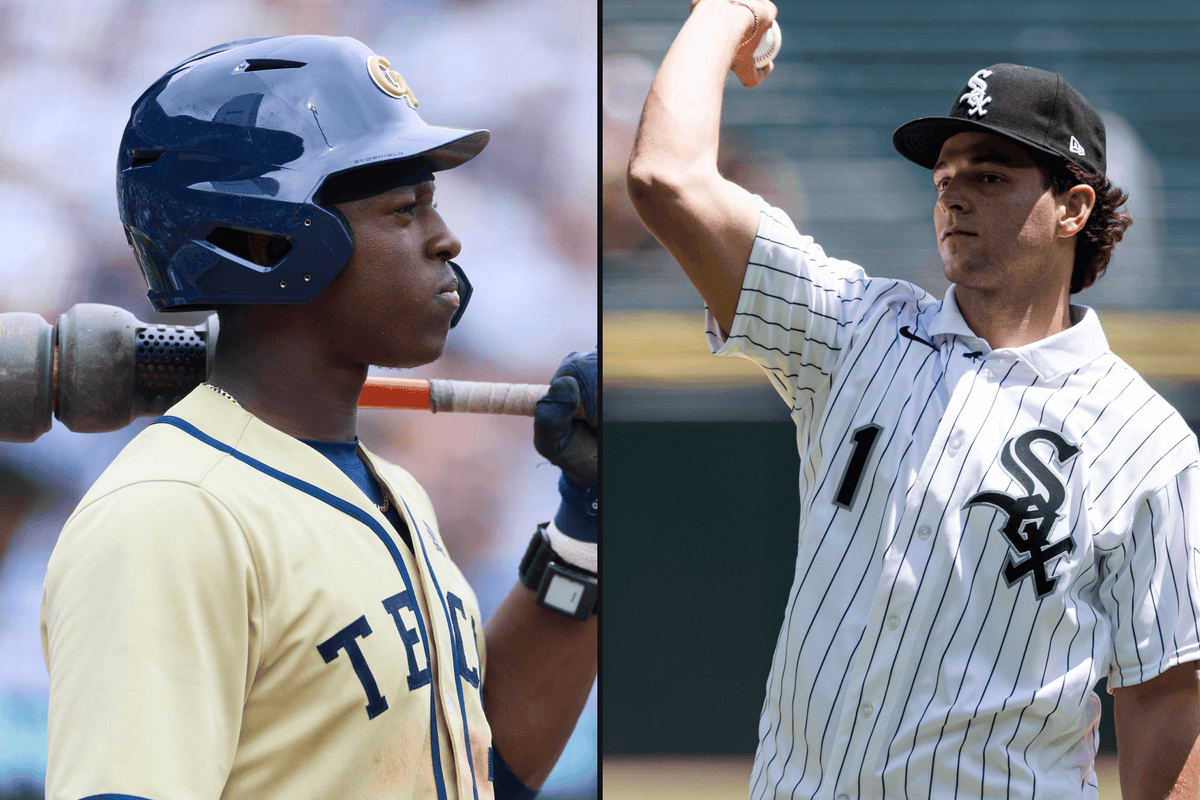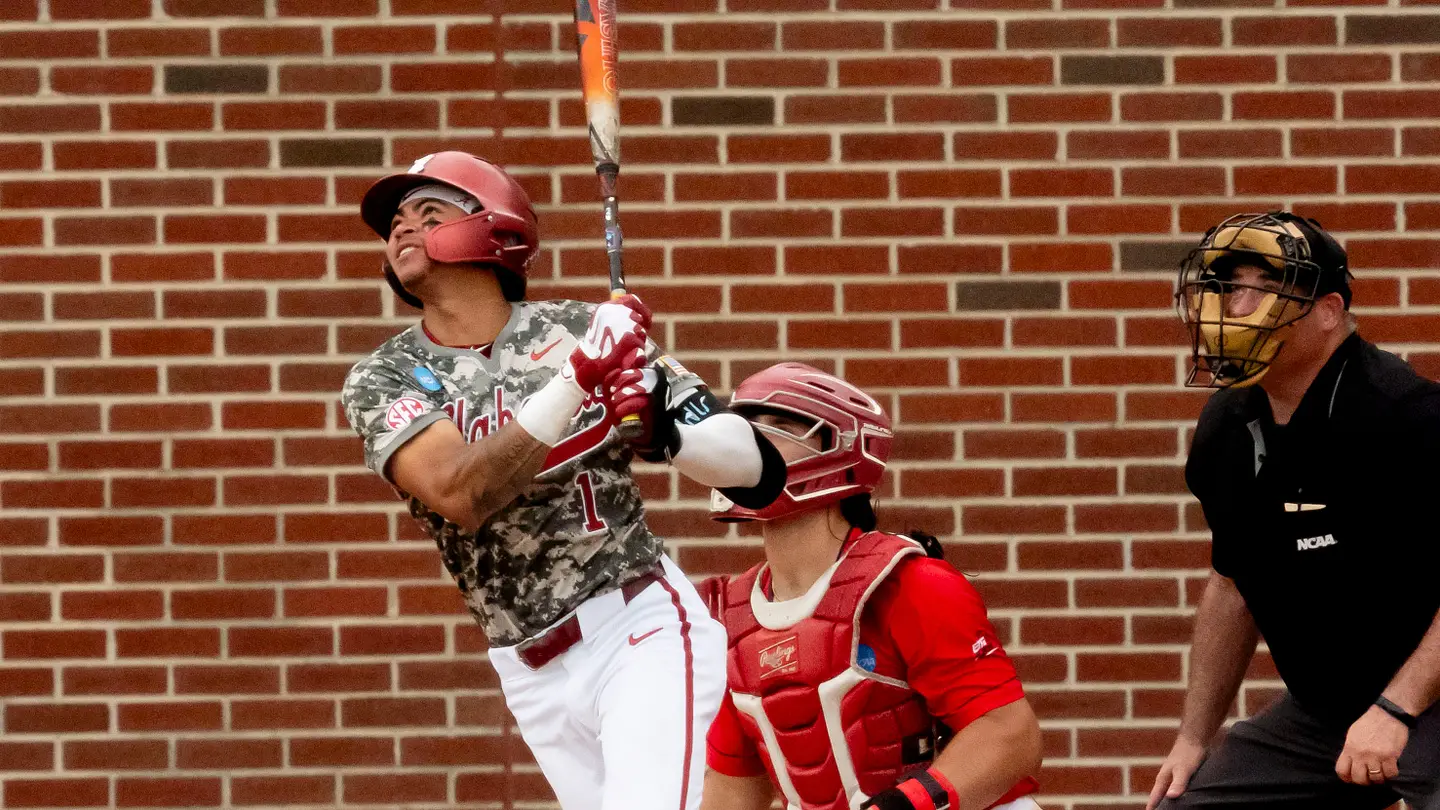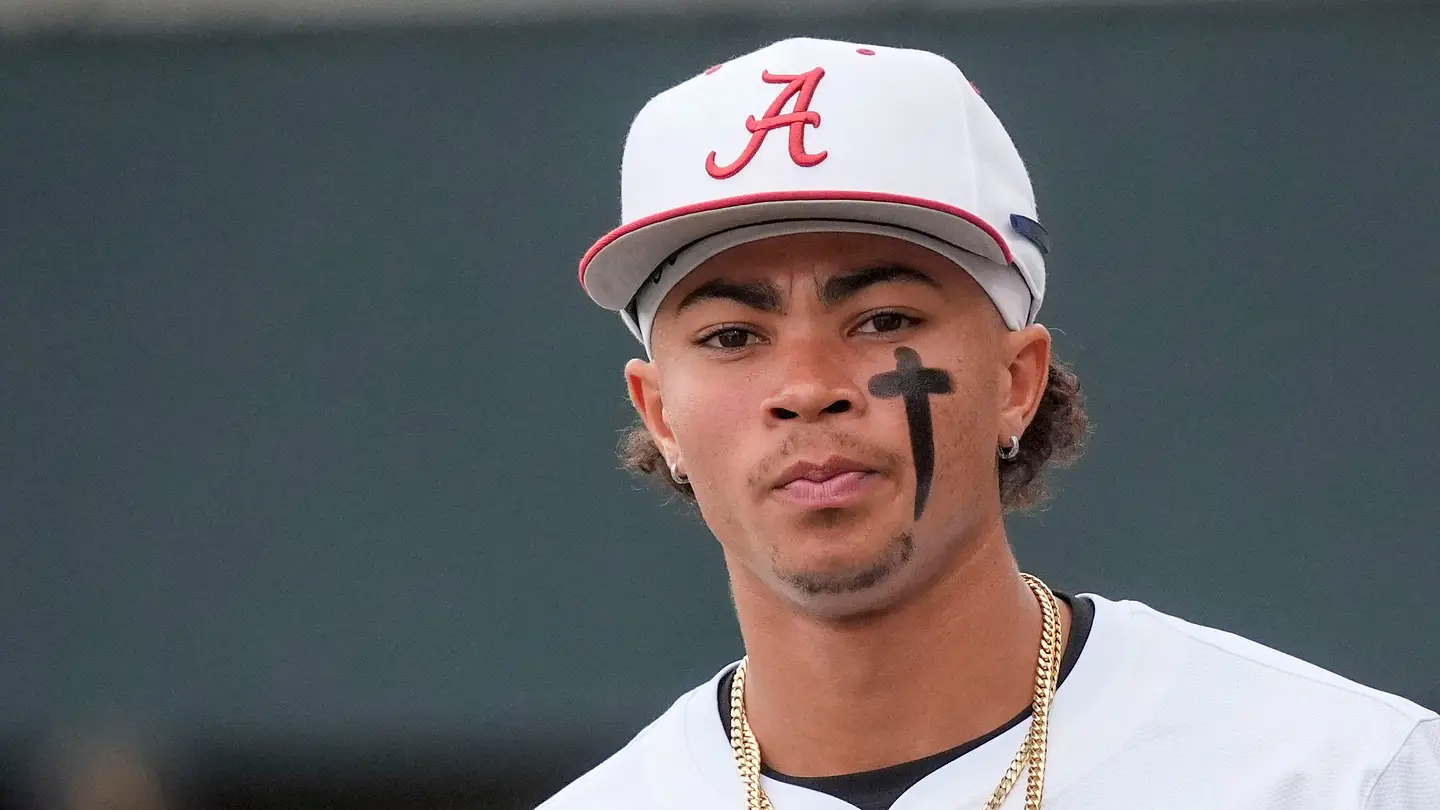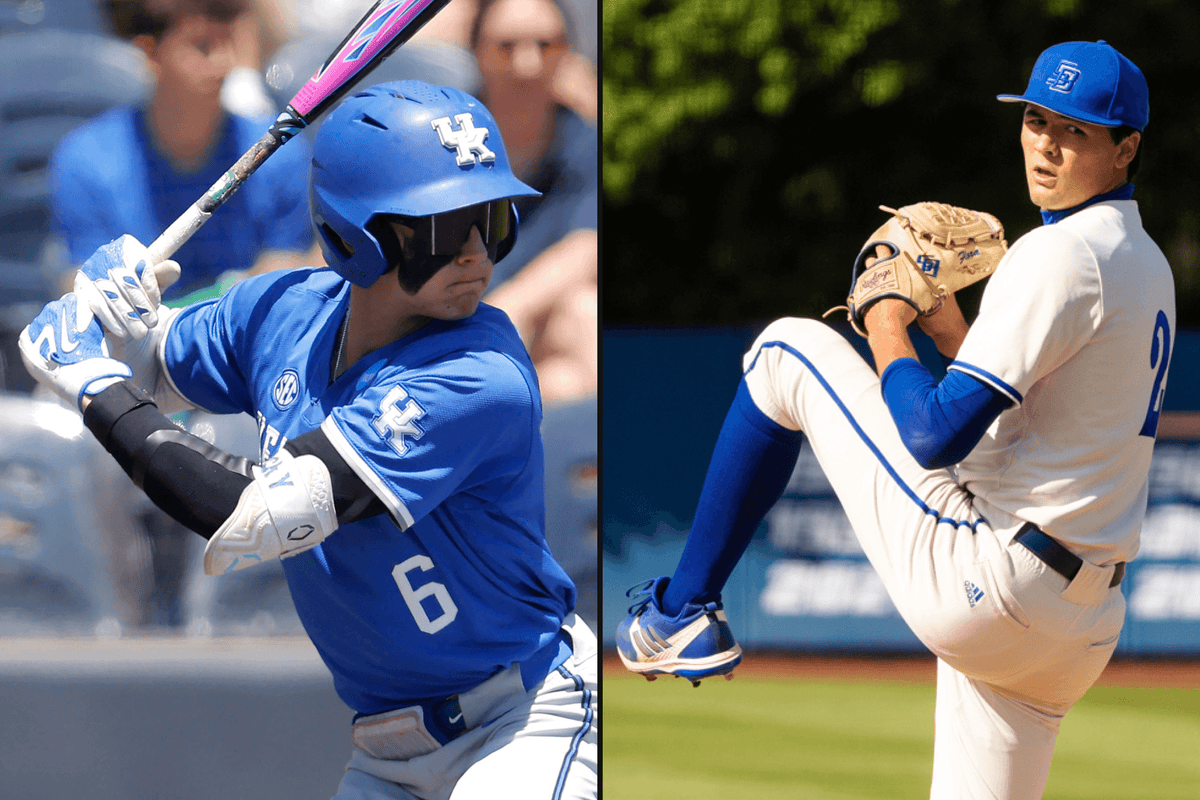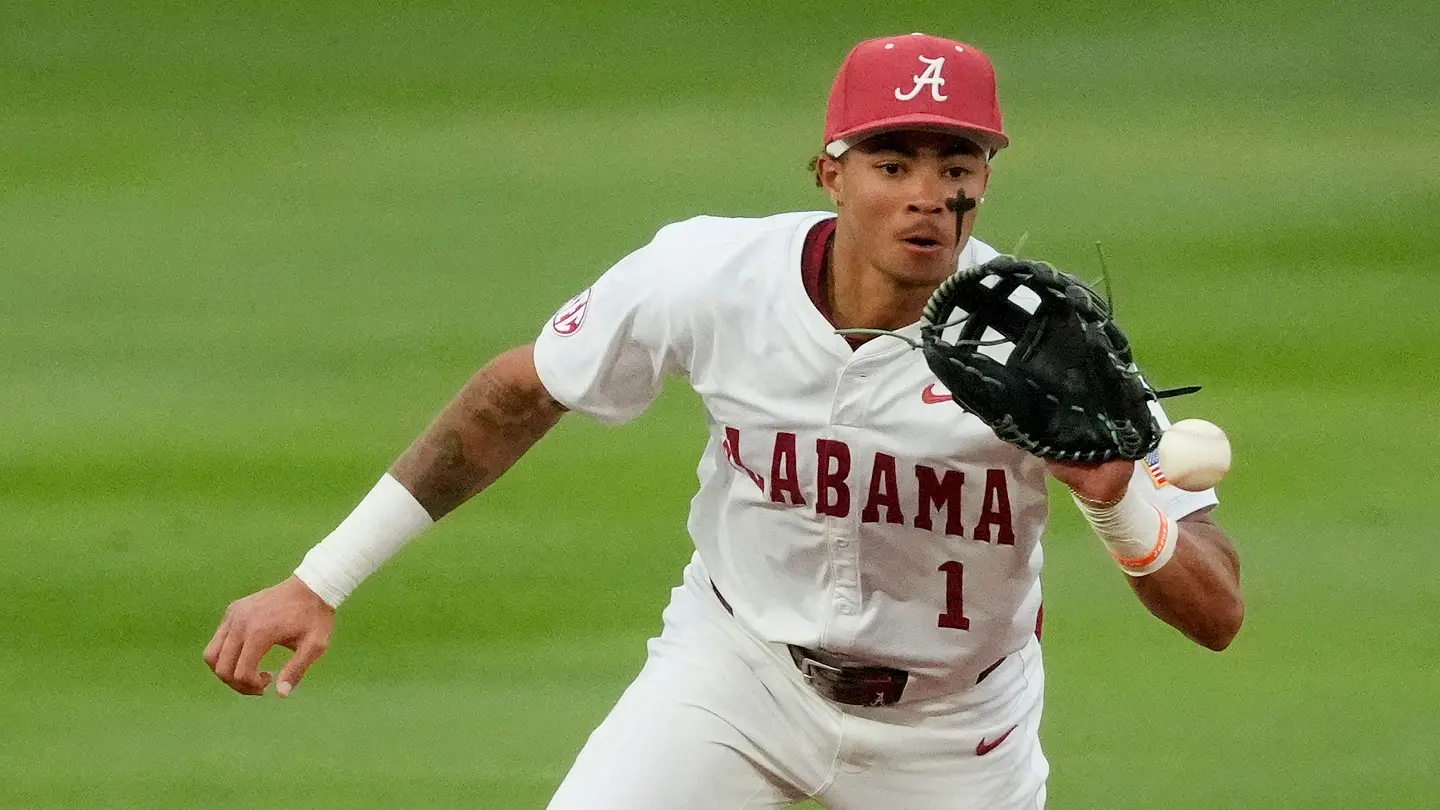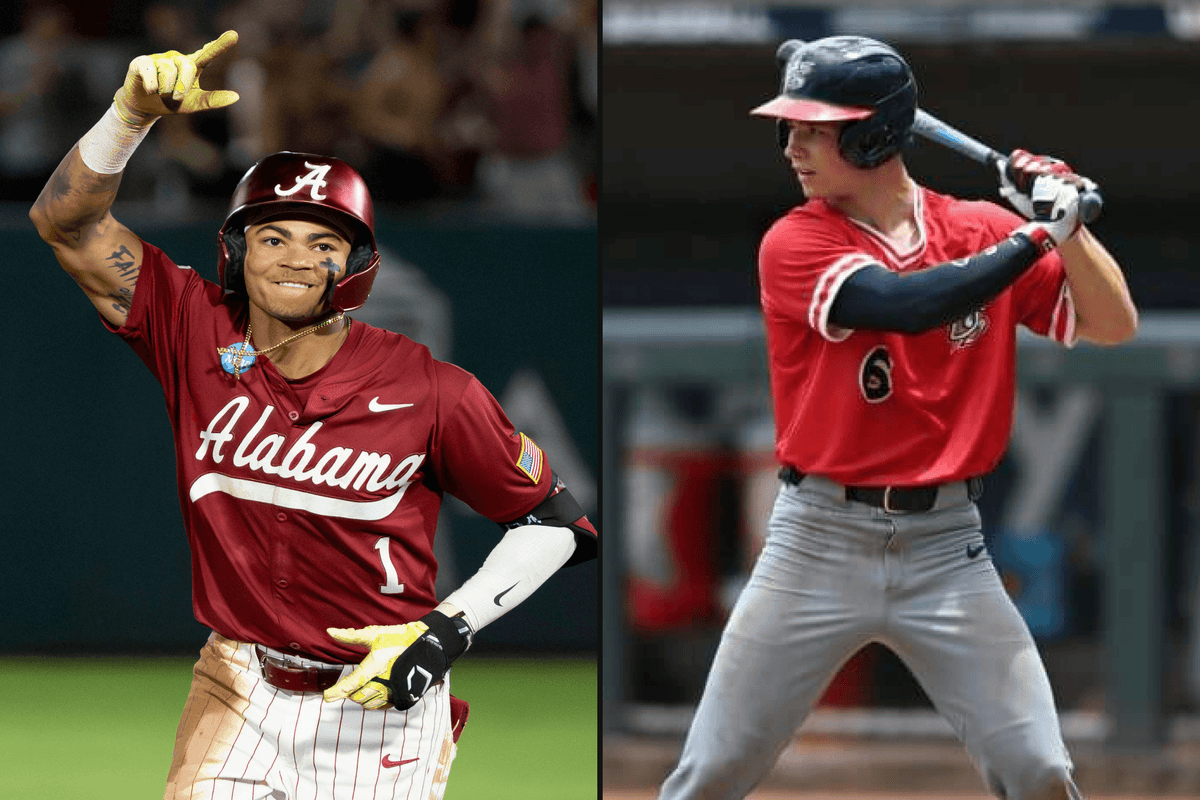
With the 2026 MLB Draft now in the books, here’s my look at each National League Central team’s draft class. I focus on the top 10 rounds, since those are the picks that count toward each team’s bonus pool. Players taken after the 10th round may be paid up to $150,000 without counting against the bonus pool, so the best prospects taken in Rounds 11 through 20 rarely end up signing.The number in parentheses after each player’s name indicates the round in which he was taken; PPI equals Prospect Promotion Incentive Round; CBA equals Competitive Balance Round A, which comes after the first round, and CBB equals Competitive Balance Round B, which comes after the second round. A C after a number indicates that it was a compensation pick between rounds for losing a free agent or failing to sign a draft pick last year.Which teams fared well during MLB Draft Day 1?Keith LawI do assume that all players taken in the top 10 rounds will sign, although each year there are roughly two to five players who don’t for various reasons. I also skipped over college seniors who were probably selected as money-saver picks, agreeing to bonuses under their slot figures so their teams can go over slot for other players, or other players who appear to be more about under-slot bonuses than major-league potential.Finally, I don’t give letter grades for drafts. I think that whole idea is absurd. The best I can offer is to tell you that I think teams did well or not well based on what I know about the players available at those picks, and in general, I prefer to talk about specific picks rather than try to sum up months of work for each scouting department in a pithy line or two.(Note: Scouting grades are on a 20-80 scale. Click here for my top-100 draft prospect list.)Chicago Cubs: Pitching leads college-heavy classThe Cubs took Mississippi right-hander Cade Townsend (1), who showed top-10-pick caliber stuff earlier in the spring before fatigue and a minor shoulder issue took it down a notch. He’s up to 98 with a plus cutter and splitter, hard slider and a power curveball, and good shapes across the board. He throws strikes, but it’s more control than command.Some teams backed off because he’s slender for a starter — 6-foot-1 without a ton of room to fill out — so of course Mississippi rolled him out for 115 pitches in five innings in the NCAA Regionals. I do think he’s a starter; maybe he’s a five-and-dive type with a lot of strikeouts and limited workloads.Texas A&M outfielder Caden Sorrell (2) has big power and big whiff, with easy 30-homer upside if he can hit enough to get to the power in games. His swing itself is fine, but his choices are not, and he missed nearly a quarter of the time he swung at strikes this year, putting him in the bottom 10 percent of all Division 1 hitters. He’s a solid-average defender in center and I think he’ll be plus in right.Caden Sorrell brings big power potential to the Cubs’ system. (Steven Branscombe / USA Today Sports via Imagn Images)Florida State first baseman Myles Bailey (2C) hit .363/.582/.913 in 26 games before a bad ankle injury ended his season right after ACC play started. His contact quality is exquisite, but it’s a long swing and he also has a real contact problem, even struggling with it against non-conference pitching.Nebraska right-hander Carson Jasa (3) is 6-foot-7 and his fastball sits 95-96, but he threw more than 60 percent breaking stuff this spring between his slider/cutter and a 12/6 curveball. He has starter upside atop a wide range of potential outcomes, and needs a better changeup or a splitter to get lefties out.Northwestern State right-hander Dylan Marionneaux (4) throws a ton of strikes with a bunch of average pitches, highlighted by a big-breaking upper-80s cutter that borders on a slider.Albuquerque high school right-hander Dylan Blomker (5) is up to 96 and can really spin the ball, with both a curveball and slider that could end up plus, but his delivery is really abrupt and arm-heavy with some cutoff in his landing as well. He’ll definitely benefit from being in pro ball and getting help to make the delivery more repeatable.Right-hander Isaac Morton (6) barely pitched in two years at Texas A&M due to injuries, then transferred to Minnesota, where he was solid for 13 starts this spring until tearing his UCL and undergoing Tommy John surgery. He’s 93-95 with a 55 sweeper, with a violent delivery that starts with a long arm swing and ends with him dropping down to near sidearm at release.UC Santa Barbara’s Cole Tryba (7) is a low-slot left-hander who sweeps his slider hard away from lefties or down and in to righties, throwing strikes with a fringy fastball. He was a pure reliever for UCSB and that’s his future role in the pros, as well.West Virginia right-hander Chase Meyer (9) is up to 97 with a 55 cutter and below-average control. There are some significant makeup concerns here, and he was dismissed from the Mountaineers team this spring.Cincinnati Reds: Lebron a high-risk, high-reward pick; but more certainty later in classThe Reds led off their draft with one of the highest-risk, highest-reward prospects in the class, but then backed it up with a run of college guys who offer relative certainty that they’ll end up with at least some major-league value to balance out their portfolio.Alabama shortstop Justin Lebron (1) had the best pure tools in the college class, with plus defense, plus raw power, above-average speed out of the box and bat speed. However, he has had a hard time with contact against better pitching and saw his performance drop when SEC play began for the second year in a row. There’s superstar upside here — a potential 20/20 guy with a ton of value on defense at short, if he can hit enough to get to it.A hand injury may have knocked Eric Becker out of the first round. (Steven Branscombe / USA Today Sports via Imagn Images)Virginia shortstop Eric Becker (2) missed about a month this spring to a hand injury, and hurt his numbers when he tried to play through it. I had him as a top-15 talent in the draft because of the potential for a plus hit tool. He makes hard contact and uses the whole field well with a swing that produces a lot of low line drives. I don’t think he has any chance to stick at shortstop, but he should be solid at second base.UCLA first baseman Mulivai Levu (CBB) is a hit-first player with above-average power, showing excellent contact skills across all pitch types. He chases stuff out of the zone a little too much for this profile, but otherwise has a chance to be a regular who hits for average with 15-20 homers a year.Nebraska right-hander Ty Horn (3) was 95-96 in his last start of the year. He returned to the rotation late after a midseason bump to the bullpen. He throws strikes, more control than command, with a basket of mostly average pitches but no clear swing-and-miss offering. It’s a high three-quarters slot with a little effort, so maybe relief is the move, but I’d let him start first.East Carolina overworked left-hander Ethan Norby (4) in 2025 and 2026, which would be bad for any arm but is worse for a smaller guy like him. He’s 91-93 with a low-80s slider that’s very effective against left-handed batters. He will need something better for righties.Indiana high school shortstop Dylan Bowen (5) is an above-average runner who might stick at short, with a flatter swing that might make him too much of a ground-ball hitter. He’s already 19 years and 5 months old.Wake Forest sophomore right-hander Duncan Marsten (6) has gained significant velocity since joining the Demon Deacons, sitting 94-96 now with a mid-80s slider with cutter shape. His changeup isn’t good, however, and lefties destroyed him this year.Infielder Sherman Johnson (7) hit .330/.432/.538 in his one year with NC State. He has some sneaky power that might mean 15+ homers a year if he gets the ball in the air more.Radford right-hander Ray Ladd (14) came back this year from Tommy John surgery to take over as the Friday night starter, working in the low 90s with a cutter and slider, more control than command, needing something better for lefties.The Reds also drafted Conner Griffin (10), and I hope they know it’s the other one.Milwaukee Brewers: Crew add another Ebel, more intriguing arms in balanced classThe Brewers returned to the Ebel family with their first-round pick, Corona High School shortstop Trey Ebel (1), whose older brother Brady was their second pick in 2025.Trey is a right-handed hitter with a better swing and much better hit tool than his brother had coming out of high school. Trey posted high contact rates and patience bordering on passivity at showcases. He has great instincts and good hands for the infield. He’s an above-average runner and might move to third base. The question is how much power he’ll get to, and whether it’ll be enough to profile as a starter if he’s not in the middle infield. As an amateur, he showed some power, projecting to at least average.Sawyer Strosnider has a beautiful swing but had poor BABIP luck this season at TCU. (Mark Ylen / Associated Press)TCU outfielder Sawyer Strosnider (2) has one of my favorite swings in the draft class and makes a ton of hard contact, with a hard-hit rate over 50 percent and a 90th percentile EV of 109 mph. He had a mediocre year at the plate due to a very low BABIP, some of which was fluky and some of which is about lifting the ball more to drive it to the gaps. He had a significant platoon split this year, with 18 strikeouts in 59 PA against southpaws, and that could be the one thing that keeps him from becoming an above-average regular in an outfield corner.Florida center fielder Kyle Jones (3) is a plus defender and 70 runner with strong bat-to-ball skills and the possibility of some more power down the road, maybe 12-15 homers at his peak. I think he’s a future regular, maybe more if I’m underrating the defense.Southern California high school right-hander Julian Garcia (4) pitched at the same school as top draft prospect James Clark, who pulled his name from the draft and will head to Duke instead. Garcia sits 93-94 and is up to 96 with a high-riding fastball from a high three-quarters slot. He also has a high-spin 12/6 curveball as an occasional second offering, although it doesn’t take advantage of his arm speed. If he can throw a slider of any sort from that arm slot, watch out. The delivery’s sound, too.Clemson right-hander Aidan Knaak (5) works in the low 90s with a plus changeup and what might be an above-average curveball, but his coaches had him throw the changeup too often, and he barely used his breaking ball, even to righties. He has 55 control and an out pitch. Better pitch selection alone might make him a back-end starter, before we even consider him adding velocity.Brown University right-hander Ryan Oshinskie (6) missed this spring due to an elbow injury, but before that was 90-92 on his two-seamer with an average changeup and average to 55 curveball, pitching extremely well in the Cape Cod League in 2025 after barely throwing for the Bears that spring. If Brown had four guys better than him in its rotation, I’d love to see them.Pittsburgh Pirates: Strong college bats targeted early; class also includes upside high school talentLSU outfielder Derek Curiel (1) had one of the best pure hit tools in the country this year, making a ton of hard contact and rarely swinging and missing at anything. He had the best hard-hit rate of any draft-eligible player with an overall whiff rate under 15 percent on the season. He won’t have more than fringy in-game power. He hit 13 homers total in two years at LSU despite the strong batted-ball data, as his swing produces more low line drives, but he should hit for a very high average with plenty of doubles and walks to make him an above-average regular in a corner.Derek Curiel is one of the best pure hitters in this draft class. (Steven Branscombe / Imagn Images)New York high school shortstop Aiden Ruiz (2) is already 19 and is undersized, but he did gain some strength this past offseason to get more impact into the enormous amount of contact he makes. He’s a plus defender at shortstop and could end up a 70 there, which, with his very high contact rates, gives him a solid floor as a regular.Auburn second baseman Chris Rembert (2C) turned 21 shortly before the draft, and was one of the best hitters in the country between his high contact rates and consistent contact quality. The power didn’t show up in games, in part because he has a bat-wrap and gets his hands too deep in his load, so there’s a lot of potential here if the Pirates can clean him up.UNC right-hander Jason DeCaro (3) turned 20 in April, making him unusually young for a college junior. He’s 92-94, up to 97, with a four-pitch mix that doesn’t have anything plus right now, showing enough feel to spin the ball to hope there’s a plus slider in there with player development’s help. He has a good delivery and throws strikes, but he needs a better weapon for lefties, as he had a wide platoon split this year. He could be a fourth starter if he solves that last issue.Outfielder Andruw Giles (4) comes from the same high school that produced 2025 first-rounder Tate Southisene, Basic HS in the Las Vegas area. He has a deep hand load but otherwise a sound swing for line-drive contact and has shown good ball/strike recognition. I don’t know that there’s a lot of projection here to get him to regular status in an outfield corner, although he gets high marks for his aptitude and work ethic.NC State left-hander Ryan Marohn (5) got off to a strong start to the spring, but a forearm strain ended his year after eight starts. He sits 90-92 and is up to 95 with a solid-average changeup and a big two-plane curveball. He walked under 10 percent of batters he faced in his first two seasons, but his control was worse almost from the start this past spring.ASU right-hander Alex Overbay (8), Lyle Overbay’s son, was very effective out of the bullpen, his stat line ruined by one disastrous start. He’s 94-96 with an above-average slider at 83-84 from a high three-quarters slot, going after hitters in the zone. However, neither pitch is plus, and he’s probably a middle reliever as he is now.Georgia outfielder/third baseman Tre Phelps (9) hit 19 homers this year but projects more to average power in pro ball, and his swing decisions aren’t great. I think he’s a corner outfielder and might be a tweener bat out there.St. Louis Cardinals: Extra picks yield deep, balanced classThe Cardinals, as usual, had a bunch of extra picks, and they made the most of them with one of the strongest and (of course) deepest draft classes.Georgia high school outfielder Trevor Condon (1) is a potential leadoff type with strong contact skills and excellent bat speed that hasn’t produced much power with wood. He’s an above-average runner out of the box but better underway in center field, and plays very hard on both sides of the ball.Tegan Kuhns was tested in the SEC and fared well against that high-level competition. (Saul Young / News Sentinel / USA Today Sports via Imagn Images)Tennessee right-hander Tegan Kuhns (CBA) dominated the SEC this year; he has a plus fastball up to 98 mph with huge induced vertical break and a plus curveball. He’ll need to use and refine his changeup more or perhaps try a splitter to keep lefties in check, with mid-rotation upside if he does.Alabama high school shortstop Rocco Maniscalco (2) may be the jewel of the draft class, and certainly offers the most upside. He only turned 17 in May and has the upside of a power-hitting shortstop with plus defense. He struggled quite a bit with contact this spring, especially early in the season, leading some teams to stop scouting him and pushing him from the first round into the second (and I thought possibly to Mississippi State). There’s a lot of risk here given the swing-and-miss he’s shown, but he has the luxury of time, and he should probably play in the Florida Complex League next year rather than move right to Low A as most high draft picks would.University of Central Florida outfielder Andrew Williamson (CBB) posted excellent batted-ball data this year, including a 61 percent hard-hit rate, with outstanding bat speed but trouble with offspeed stuff. He’s a 55 runner who should go out as a center fielder.West Virginia did its best to overwork right-hander Dawson Montesa (CBB), who starred for the Mountaineers early after transferring from Division II Adelphi but faded as the season went on. He’s up to 98 with a four-pitch mix and shows enough feel to spin the ball that I bet the Cardinals will find a plus slider or sweeper for him. He’s also young for the class and won’t turn 21 until September.Texas Tech outfielder Caden Ferraro (3) had the highest max exit velocity and 90th percentile EV among all qualifying Division 1 hitters who had an in-zone whiff rate under 10 percent this year — that is, he didn’t swing and miss at strikes, and also he tended to hit the ball extremely hard. He may not have a position, which is why he landed in the third round despite just about every team chasing those batted-ball characteristics, but he should get a new chance in the corner outfield after the Red Raiders mostly DH’d him.Kansas State infielder Dee Kennedy (4) is now a shortstop, and that’s his best path to becoming an everyday player. He hit 20 homers this year, more than he’d hit in the prior two years combined, although he projects to hit for a higher batting average with doubles power in pro ball. He might have to move to second base, and the most likely outcome is utility infielder, although he has a chance to hit enough to be a regular at the keystone.UCLA reliever Cal Randall (5) threw his fastball about 90 percent of the time, with a hilarious 36 percent whiff rate on the pitch because it’s 98-100 with riding life up top. The right-hander could move pretty quickly as a reliever, but the Cardinals took a similar guy last year in Tanner Franklin and made him a starter, and so far it looks like it’s going to work out.Shortstop Owen Henne (6) played for Division II Seton Hill, but has been hitting well in the MLB Draft League this summer, with bat speed and strong bat-to-ball skills. He’s an excellent athlete and might have a little more pop if he loosens up in the box and can use his lower half more, with possible everyday upside at short.South Alabama right-hander Jacob Haley (11) is a former two-way player who’s up to 98 with a sharp hammer slider that has a ton of tilt at 86-89. He threw just 27 innings in three springs in college due to injuries, but has pitched well in the Cape Cod League this summer.
NL Central 2026 draft report cards: Cardinals load up; Reds bet on Lebron’s upside
The NL Central added some dynamic talent in the draft, with the Cardinals having the most notable class due to its depth.
3,279 words~15 min read