By Steve MidwayJuly 16, 2026
Midway is an associate professor at Louisiana State University.
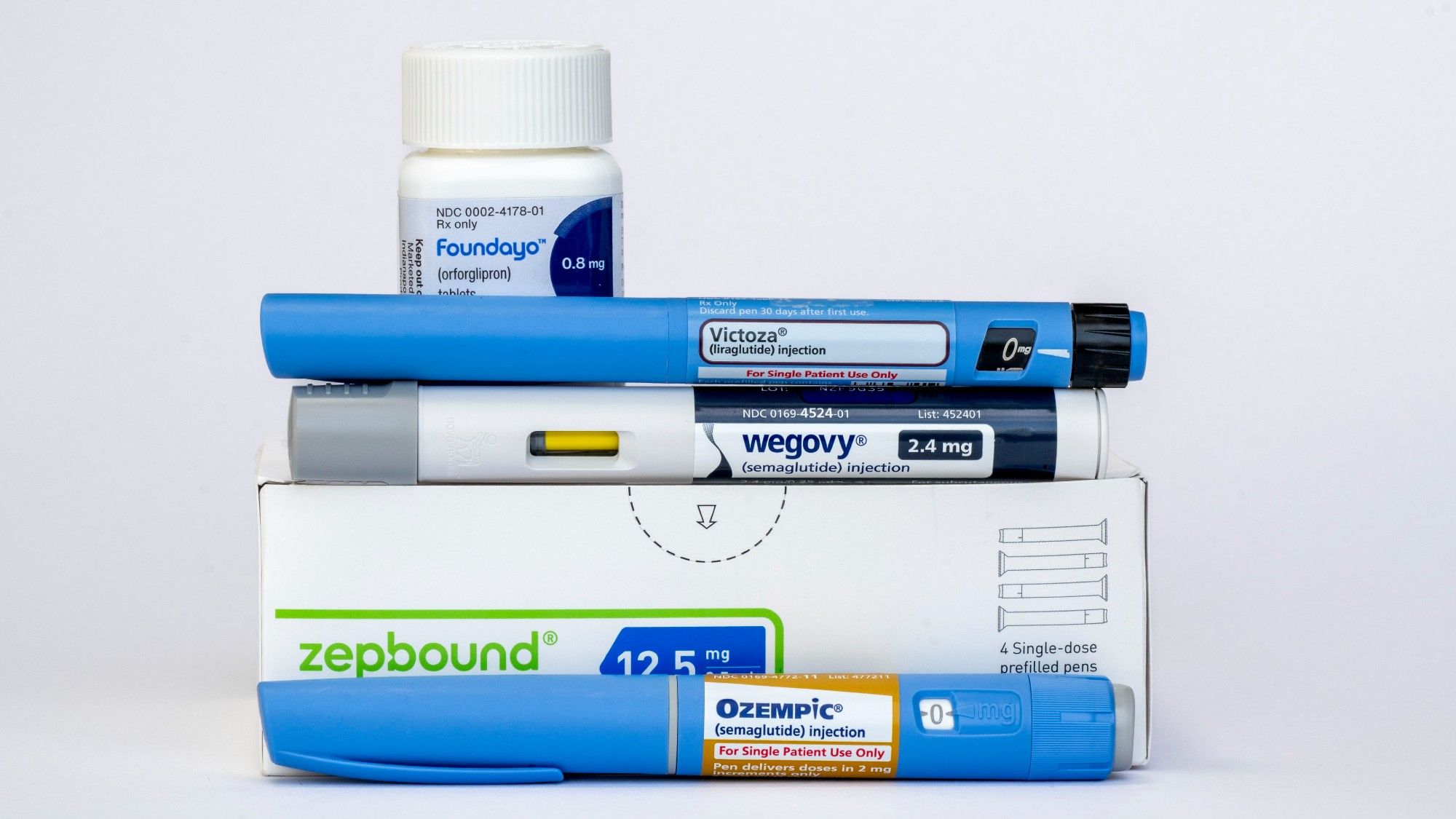
After a deep breath, the auto-injector pen dumps its dose into a patch of pinched stomach with barely a sting. For many, it has become a mindless nonevent. The hormone collects in a bolus in fat tissue, where it binds to albumin and, over several days, trickles into the bloodstream to do its work. Weight loss and blood sugar control were promised, yet the benefits are still surprising doctors and patients. We are in our peptides era, and this feels like just the beginning.
This all started with a venomous lizard from the Desert Southwest.
Most people don’t think much about venoms, or they have a negative impression of them. Venoms are highly concentrated death and destruction: 1 mg of venom from Australia’s inland taipan (snake) — the equivalent of one grain of table salt — can kill a human. The unrealized pain and suffering bound up in venom molecules is real, but to a growing number of scientists and pharmaceutical companies, they represent something else entirely: a hidden medicine cabinet.