Though lab-made peptides are touted as a cure-all, they are not FDA-regulated and pose serious risks, experts warn
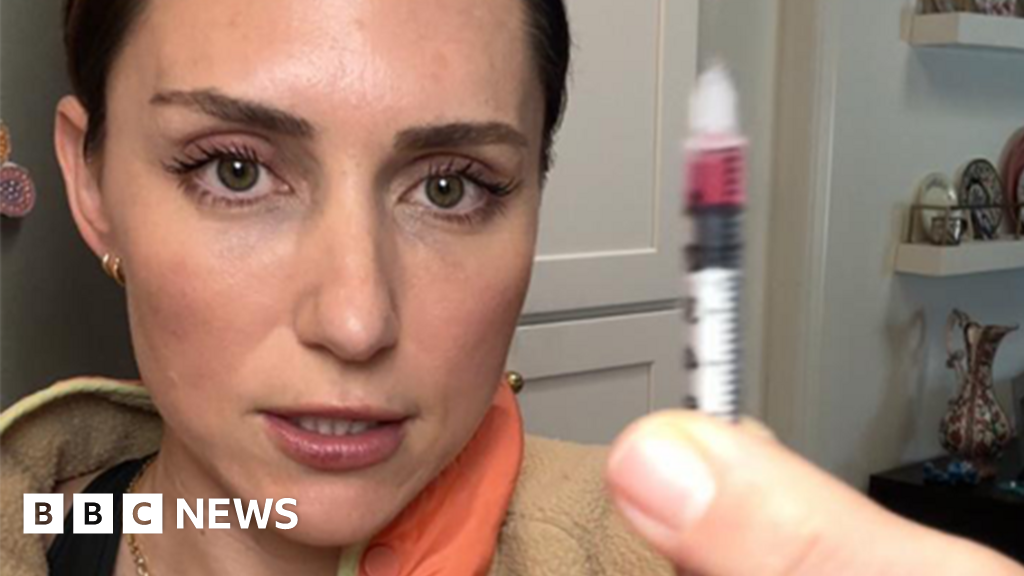
Here’s a new trend that sounds unwise: buying unregulated substances from dealers in foreign countries and injecting them into your body.
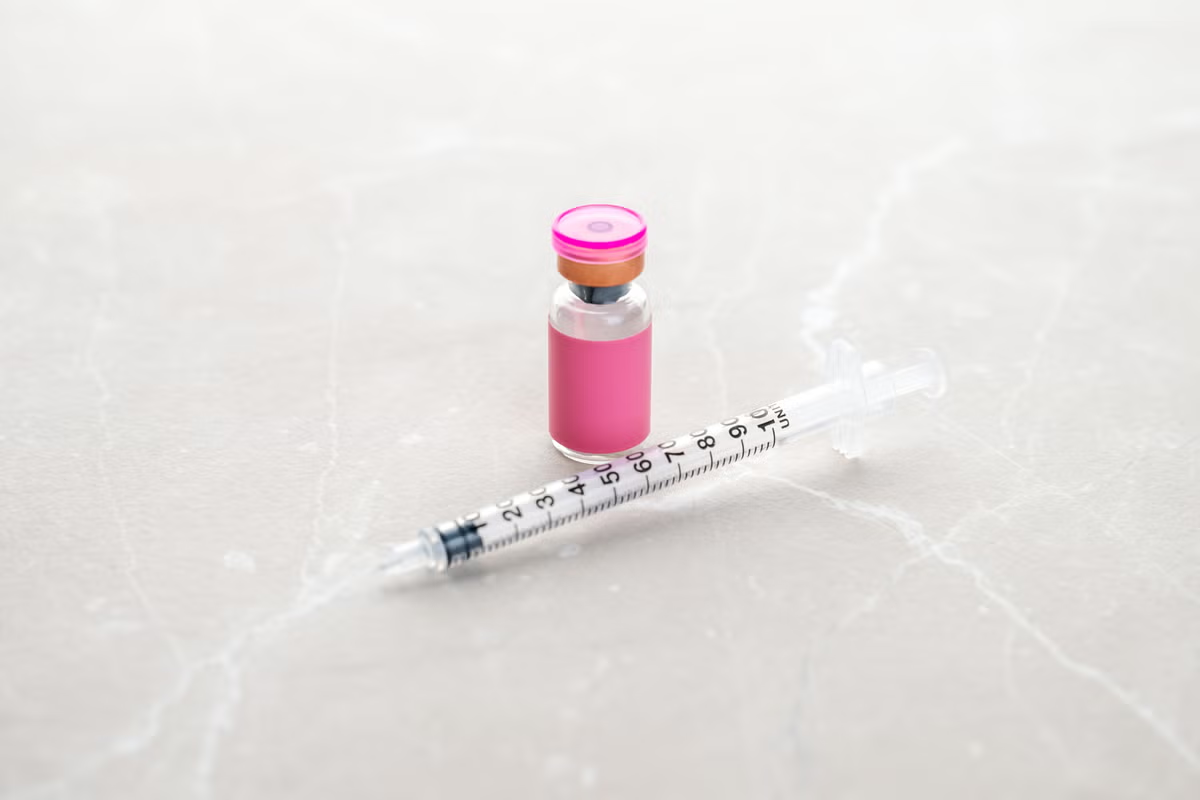
And yet, grey-market injectable peptides – a category of substances with obscure, alphanumeric names like BPC-157, GHK-Cu, or TB-500 – have developed a devoted following among biohackers and health optimizers.
Across platforms like Discord and Telegram, users are claiming these peptides help with everything from injury recovery, athletic performance, weight loss, mental function, better sleep and younger-looking skin.
Among the risk-tolerant tech workers of the Bay Area, peptides have become akin to a status symbol. The founders of the startup Superpower store vials of peptides in their office fridge for convenient, lunchtime backside injections, and at least one San Francisco “peptide rave” has seen partygoers entertained by a lab-coated man demonstrating how to inject liquid peptides.