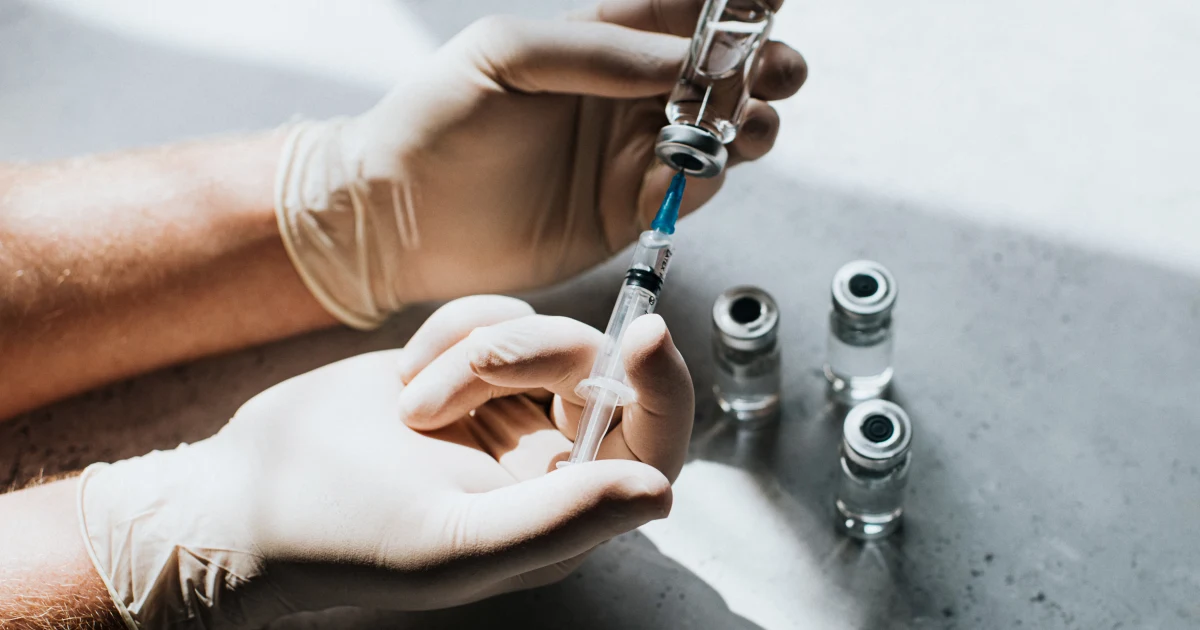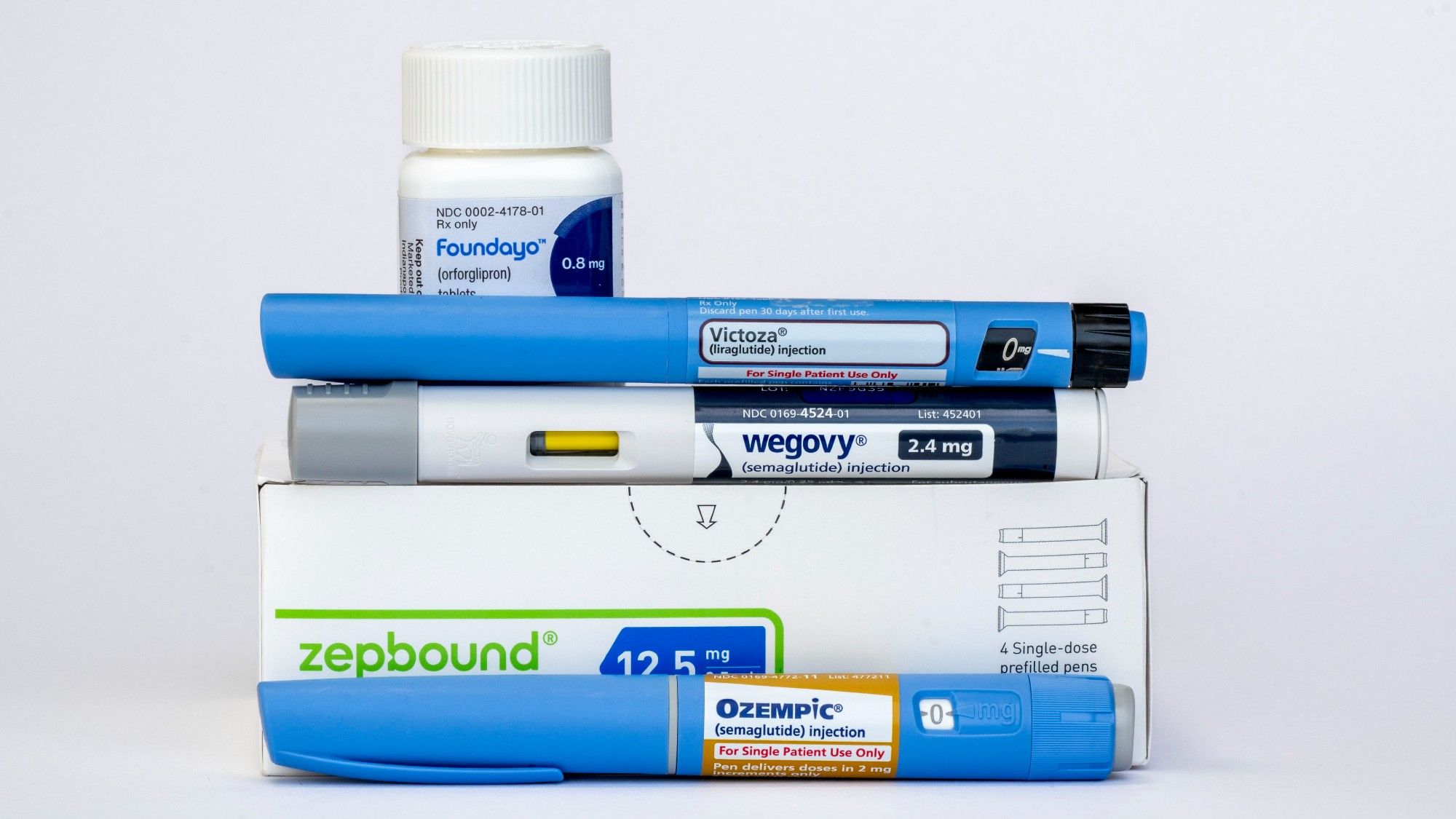
“America is about to go over a peptide cliff,” said Tom Bartlett in The Atlantic. An FDA advisory panel voted last month to recommend that six unproven peptides be added to the list of custom drugs that so-called compounding pharmacies can sell. Peptides are chains of amino acids that tell cells to regulate biological processes; some peptides, including insulin and GLP-1s, are FDA-approved medicines. But pharmacies were banned in 2023 from dispensing these six peptides—which adherents claim deliver benefits ranging from improved endurance to reduced inflammation—over efficacy and safety concerns. That annoyed Heath Secretary Robert F. Kennedy Jr., a peptides fan, who added eight new members to the panel ahead of the vote, six of whom run clinics that offer the chemicals. The vote is only a recommendation, but “ultimate approval seems likely”—to the glee of sellers anticipating a “peptide gold rush” and the horror of experts who fear we’re opening a “Pandora’s box.”Demand for injectable peptides is surging “thanks to the endorsement of podcasters, wellness influencers,” and celebrities, said Emily Mullin in Wired. Among the chemicals that got the nod from the panel are two that combine to make the Joe Rogan–backed “Wolverine stack,” which supposedly aids in injury recovery. Undaunted by the lack of evidence that they work, users currently buy peptides on the “unregulated gray market”; the chemicals are sourced from labs in China and India and sold as for “research use only.” The vote “exposed a deep divide” between Kennedy’s appointees and FDA scientists, said Yonathan Daniel in ABCNews.com. The latter cited the absence of clinical trial data and the possibility of harmful immune reactions. But proponents argued thousands of people already take potentially dangerous black market peptides, and that the agency should protect them by granting access to safer product.
Peptides: The FDA opens a ‘Pandora’s box’
Safety concerns take a backseat
357 words~2 min read