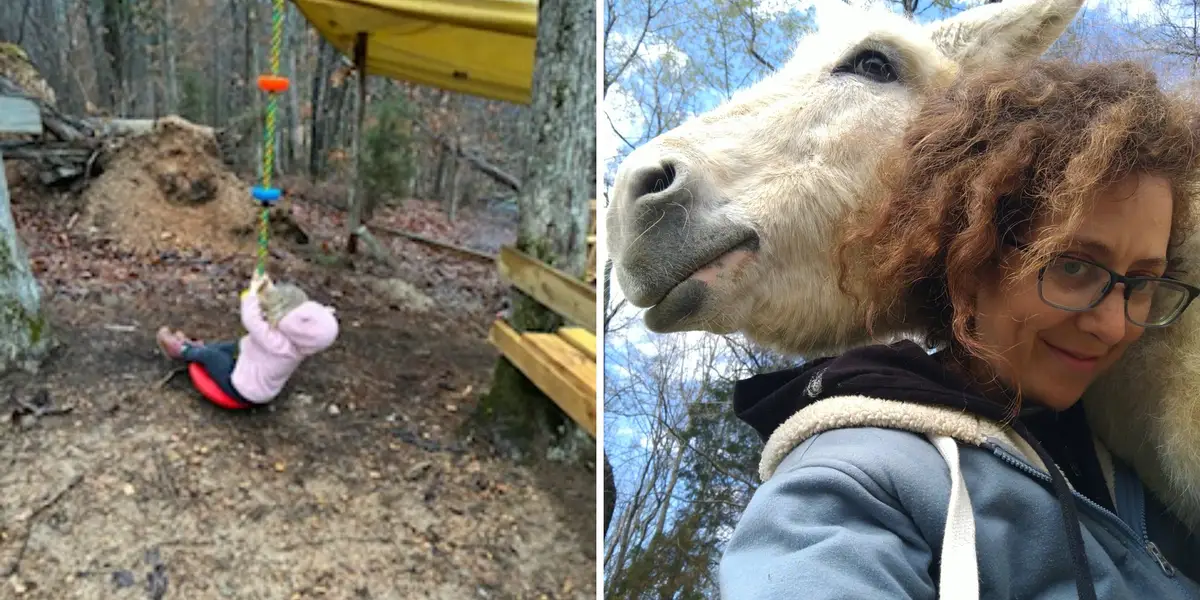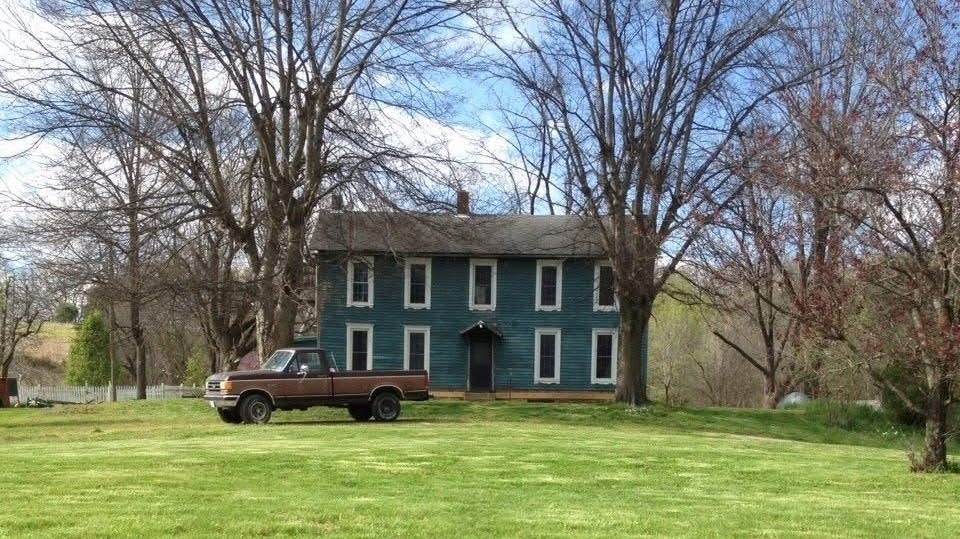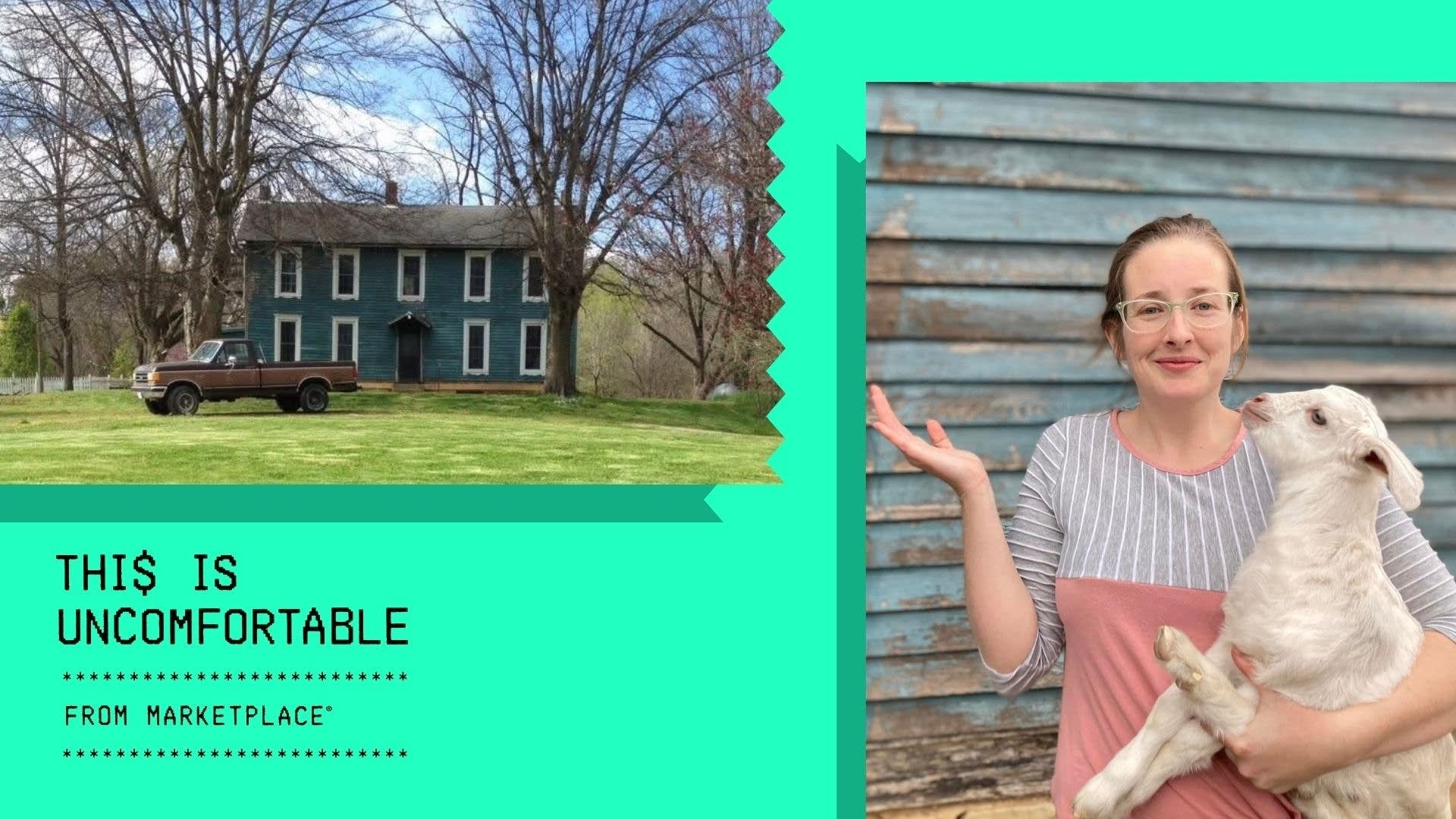
When life starts to feel too expensive and complicated, do you ever dream of moving off the grid? Growing your own vegetables, raising chickens, maybe even a goat? Doing hard, honest work, and living self-sufficiently. It’s the epitome of rugged American individualism, but what does it really take to create a homestead?This week, host Reema Khrais talks with former homesteader Laura Griggs. In 2008, Griggs and her husband relocated their family to rural Missouri and started a small farm. At first, their new life felt idyllic: Griggs and her husband worked the land and got to spend quality time together with their kids. “In the evening, the kids love running around outside and catching fireflies. It was beautiful… but that's all of the existence you can afford.” When one of their children was born with unexpected medical needs, their lifestyle became unsustainable. It takes a great deal of resources to build and run a successful homestead. Khrais and Griggs discuss the stress of rural poverty, and who can actually afford to be “self-sufficient.” After struggling with the limitations of rural healthcare, Griggs and her family eventually decided to leave the countryside and return to urban life. A few takeaways from this episode: Homesteading is hard work, and it can also require an alternative income. Griggs and her husband both worked part time while managing the land and animals, but it was only just enough to keep their heads above water. She says that the people who can sustain this lifestyle are those with the resources to do it: “You either have residual income, or you have a really good remote job.“ Or, they build their homesteads with the help of a larger community. “And your community needs to have the resources financially to pay for things like equipment. It’s still capitalism, just in another form.”Living off the grid means forgoing communal infrastructure and resources. Griggs thinks that families with children should consider access to medical care as more rural hospitals close across the country. One of her children has a seizure disorder, and as hospitals nearby began to close, Griggs and her husband decided it was no longer safe to live on the homestead. “There's a very fine line between when frugal living and isolation becomes negligent to the wellbeing of your children.”It might be more difficult to leave a homestead than to start one. Once Griggs and her husband realized they needed to be closer to hospitals, moving off the land was easier said than done. When they first moved to the country, they sold everything they had and went into debt to buy the land. “When you need to go the other way back to the city, especially post-COVID, the housing prices are huge. And your rural homestead has not gained that much value 'cause nobody wants to live out there.” Later in the episode, producer Alice Wilder finally shuts down her high-interest credit card. She speaks with Elena Botella, author of Delinquent: Inside America’s Debt Machine to break down why Americans have so much credit card debt. If you liked this episode, share it with a friend. And if you want to tell us what you thought about the episode or anything else, email us at uncomfortable@marketplace.org or fill out the form below.
Confessions of a former homesteader
Why Laura Griggs moved her family back to the city after years on a homestead.
546 words~2 min read