(Yonhap)
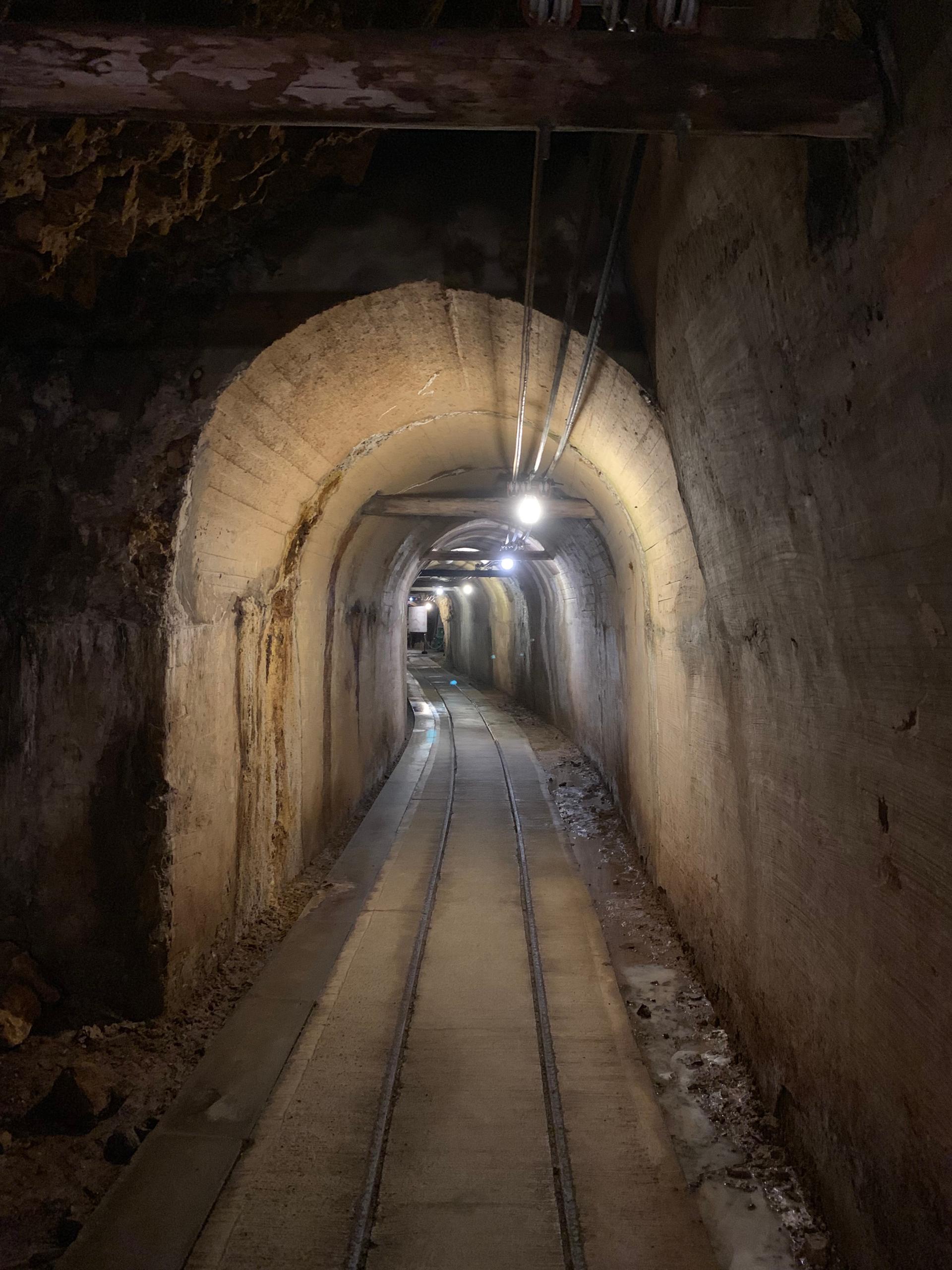
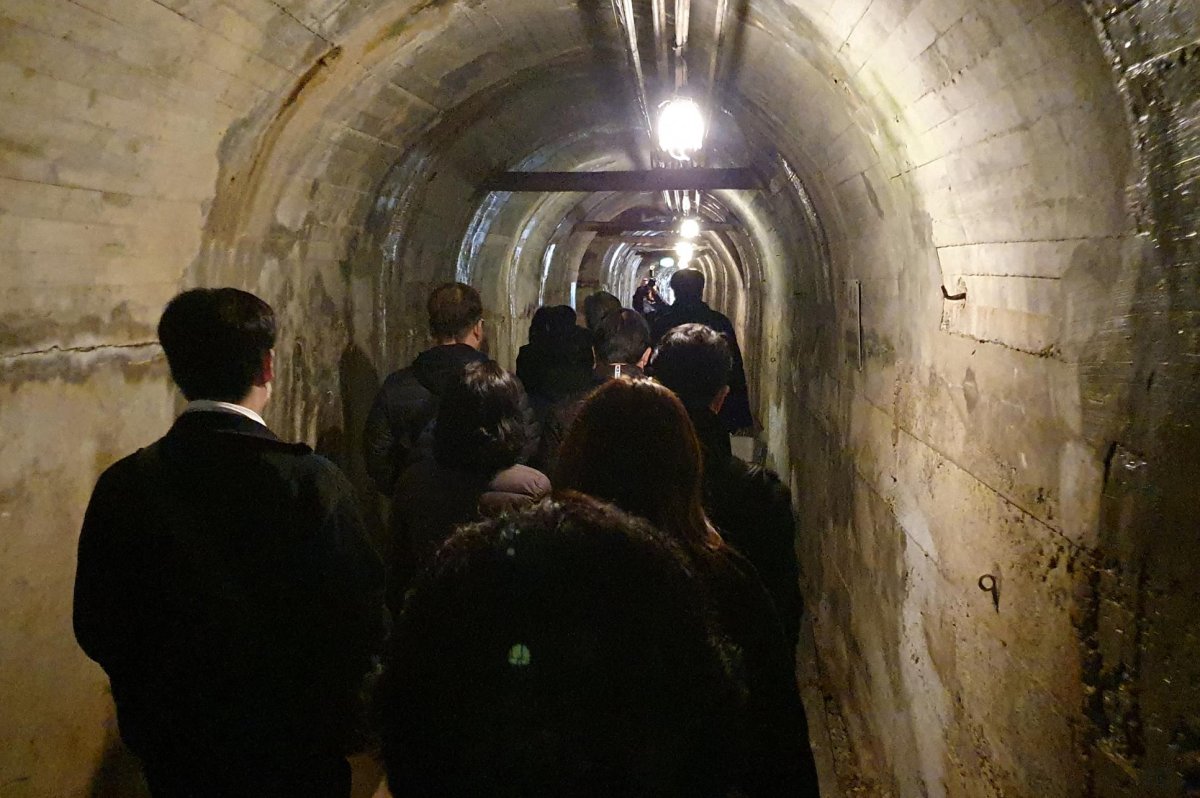
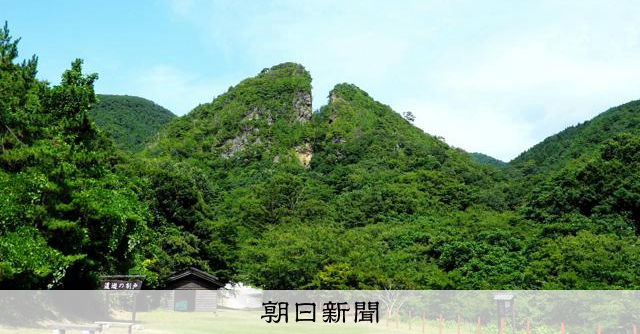
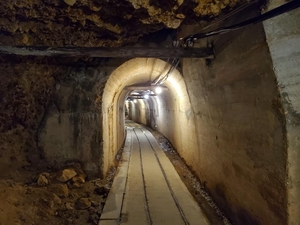
The UNESCO World Heritage Committee requested that Japan submit an updated report on the Sado mines site after concluding that it had not sufficiently addressed the history of forced labor by Koreans at the site, despite the Japanese government’s promises at the time of its registration as a World Heritage site.According to a draft decision that was made public on Wednesday, the committee stated that “the interpretation and presentation strategy of the whole history has shown some progress but remains to be fully developed.”In response, it recommended that Japan have “close consultation with the States Parties concerned” to “comprehensively address, at the site level, the whole history throughout all periods of mining exploitation.”The committee further requested that Japan provide regular updates to the World Heritage Centre on its recommendations to “comprehensively address, at the site level, the whole history of the property throughout all periods of mining exploitation.” It also asked for an implementation report to be submitted by Dec. 1, 2027.The committee plans to reexamine Japan’s report at its 50th session in 2028.The decision came after examination of a conservation status report submitted by the Japanese government in December 2025, which included details on its implementation of the committee’s recommendations for the gold mine complex on Sado Island. At the time, the Japanese report did not include any mention of the history of Koreans being forcibly mobilized to work at the site.In its decision, the committee commented that “further clarification is needed regarding how the interpretation and presentation strategy and facilities comprehensively address, at the site level, the whole history of the property throughout all periods of mining exploitation.”The confirmation that “progress” had been made appeared to reflect Japan’s inclusion of around 10 new signposts in the mining complex during the first half of 2026, in response to comments about the absence of references to Korean workers’ dormitories or shared kitchens.