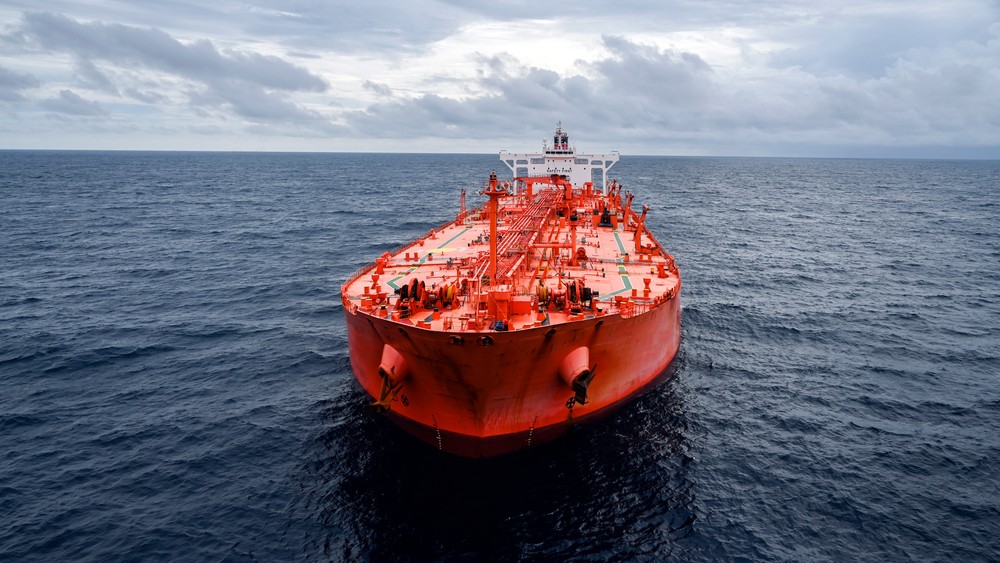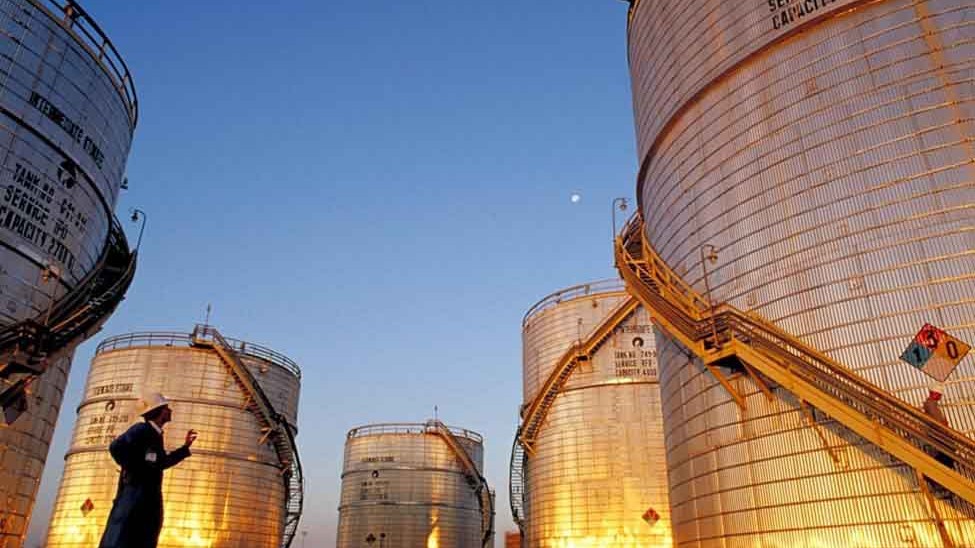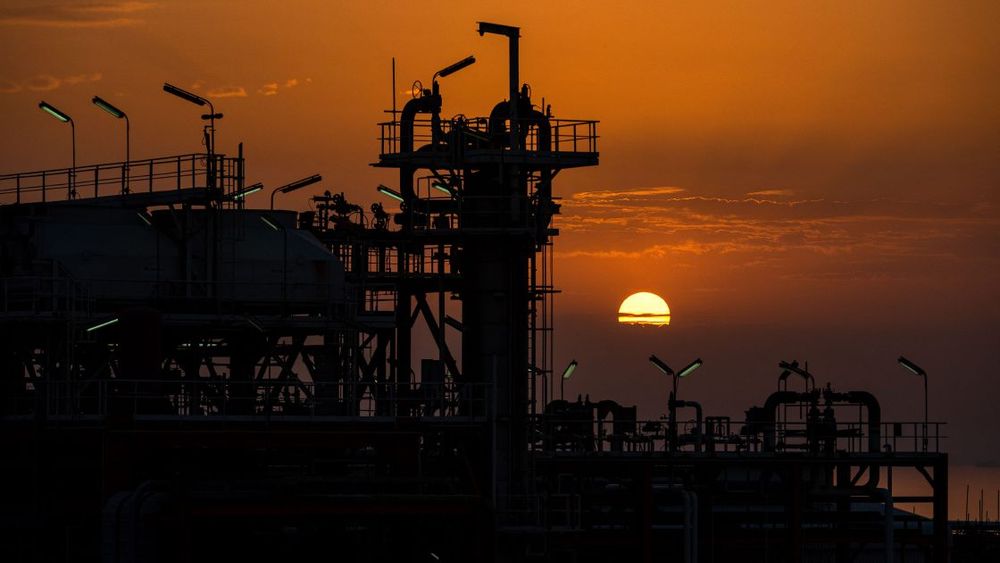
Asalouyeh, Iran. A view of refinery No. 2 (Phases 2, 3) of the South Pars Gas-Condensate field in Asalouyeh Seaport, north of the Persian Gulf in Iran. The South Pars Gas-Condensate field, the world's largest natural gas field, is shared with Qatar (North Dome).
The recent United States, Iran triggered the largest disruption to global oil supplies after Tehran restricted shipping through the Strait of Hormuz. According to the International Energy Agency at its peak, the conflict disrupted an estimated 14 million barrels of oil per day, sparking fears of a prolonged global energy crisis. Fossil fuel dependent countries such as South Korea’s (Korea) and South Africa became vulnerable to the oil disruption. Given the volatile diplomacy between US and Iran, where buffer reserves risk becoming globally drained, and looming future price spikes one would expect the global economy to shrink.
Instead, according to the International Monetary Fund (IMF), the global economy as a whole has absorbed with surprising ease the loss of over a billion barrels of oil supply since the Iran war began. The key reason for the absorption states the IMF is due to developments in Artificial Intelligence (AI) in countries such as South Korea which cushioned the global financial system. Needless to say, the US-Iran war deeply impacted Korea given its severe dependence on Middle Eastern energy imports which posed a challenge to the country’s economic growth. However, Korea’s economy remained resilient because it used AI as a crucial absorption buffer. Critical for South Africa which recently emphasised AI as an economic driver at the recent Google Cloud Summit in Johannesburg is whether it can also quickly adapt its economy during future oil shocks through absorption strategies.