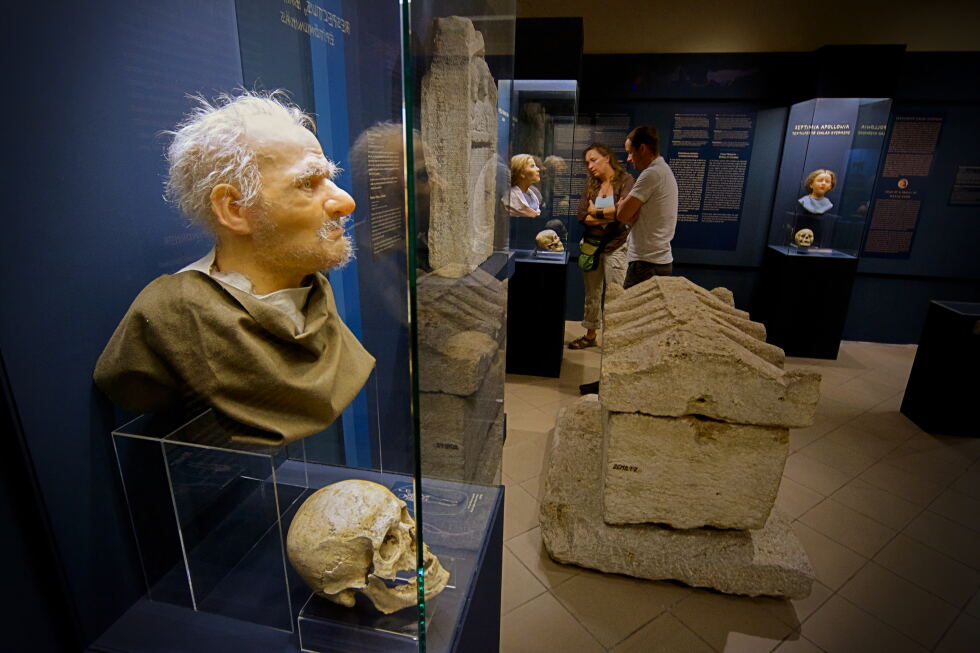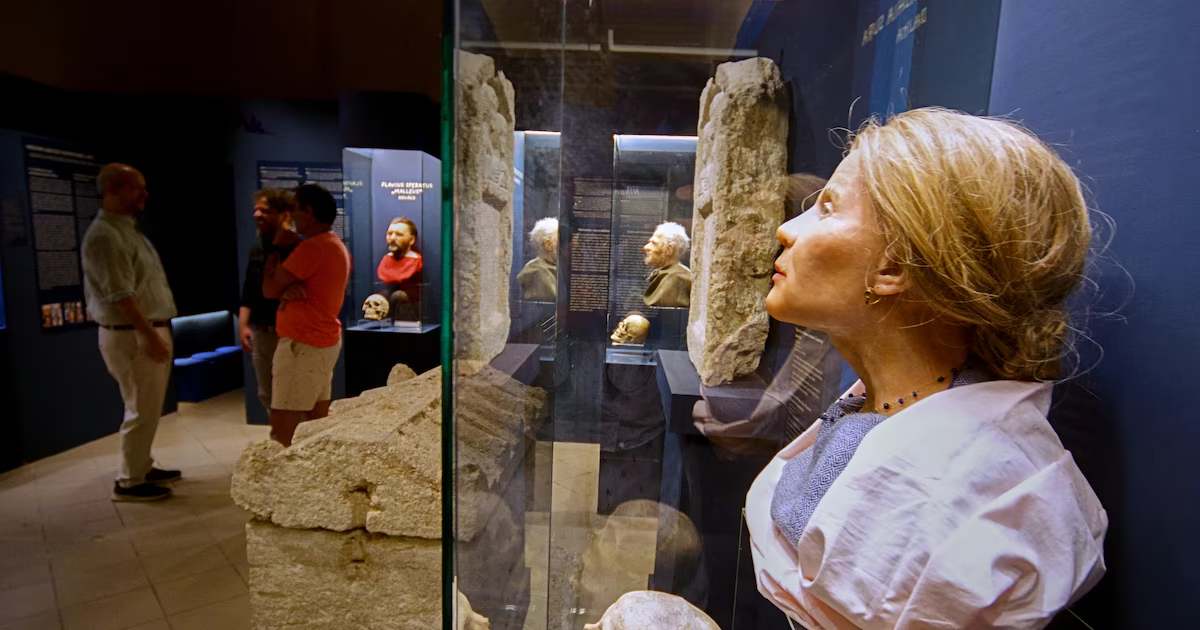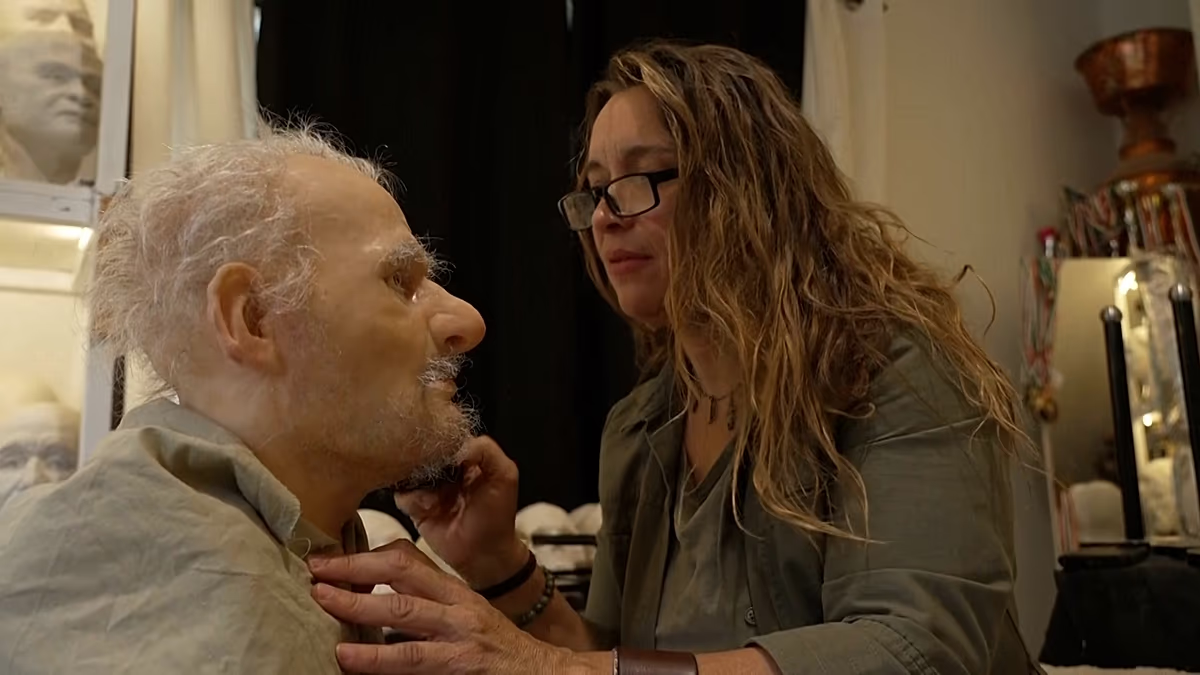
A blacksmith, a stable boy, a soldier, a slave: The faces and stories of these and other residents of an ancient Roman city in modern Hungary have been brought to life in remarkable fidelity for a new exhibition in Budapest.
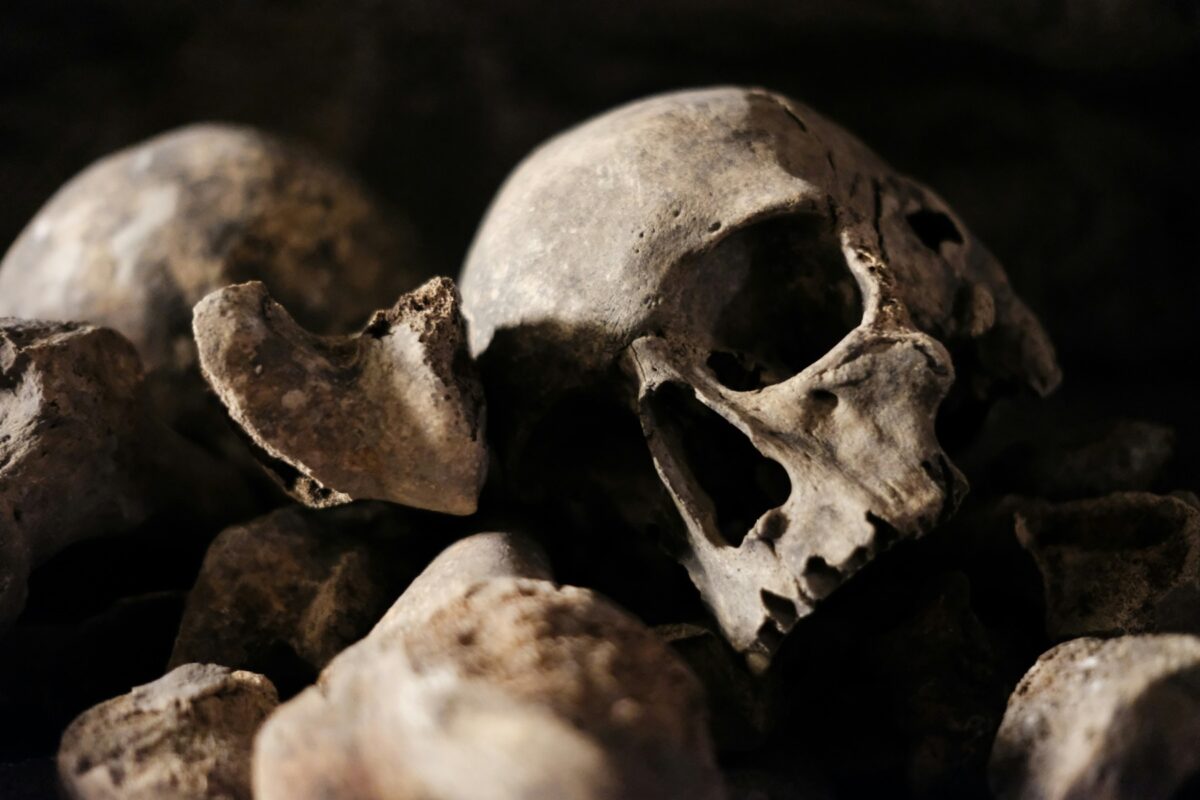
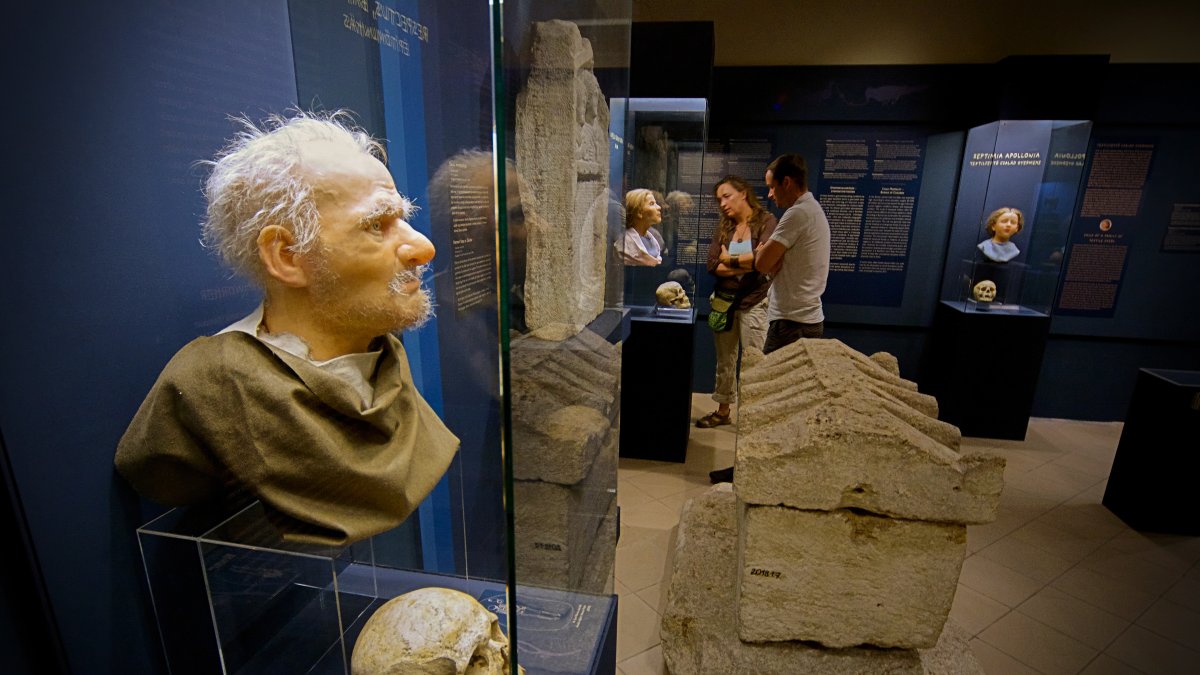
The display, which runs until Oct. 31, showcases highly detailed facial reconstructions from over a dozen skulls found in the ancient city of Aquincum, once a bustling Roman settlement on the empire's Danube frontier.
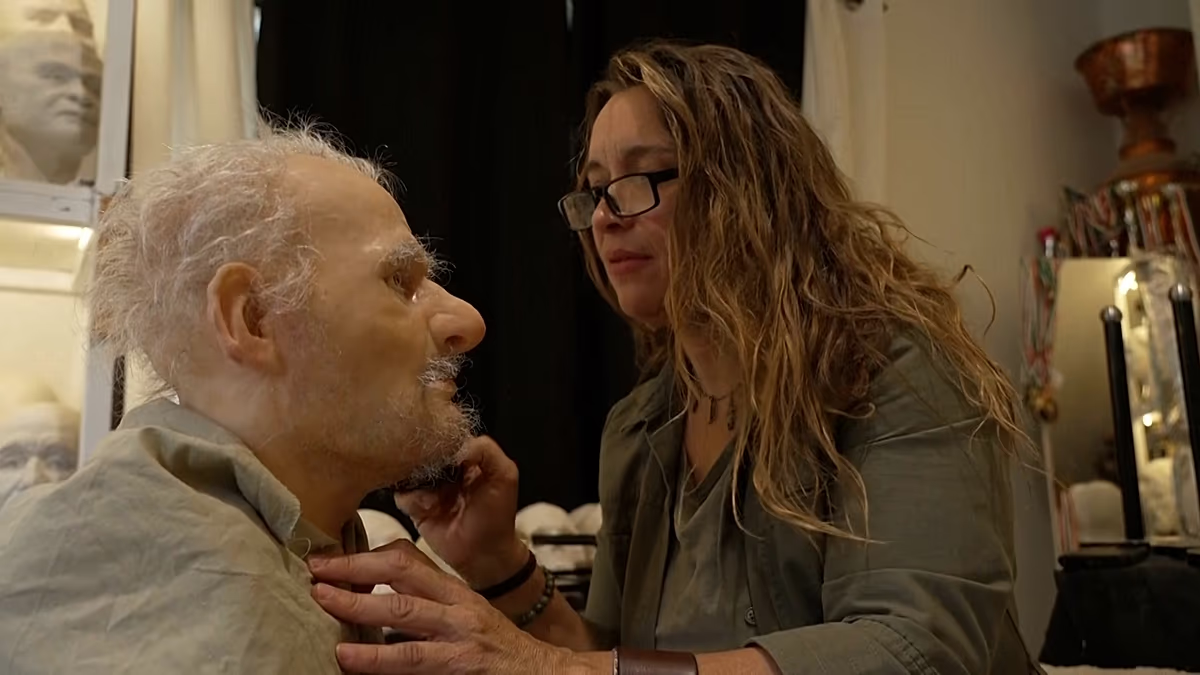
Visitors to the Aquincum Museum come face-to-face with hyper-realistic models of Roman-era individuals, each crafted using DNA analysis and other techniques from fields such as archaeology and anthropology to determine how the people may have looked in life nearly 2,000 years ago.
"Our main goal was to bring a few of these individuals closer to the people of today,” said Loránt Vass, an archaeologist and the exhibition's co-curator.
The title of the exhibition, "Once we were like you,” attempts to answer questions about ordinary people in ancient societies: What did they look like? What were their names? What was their fate?