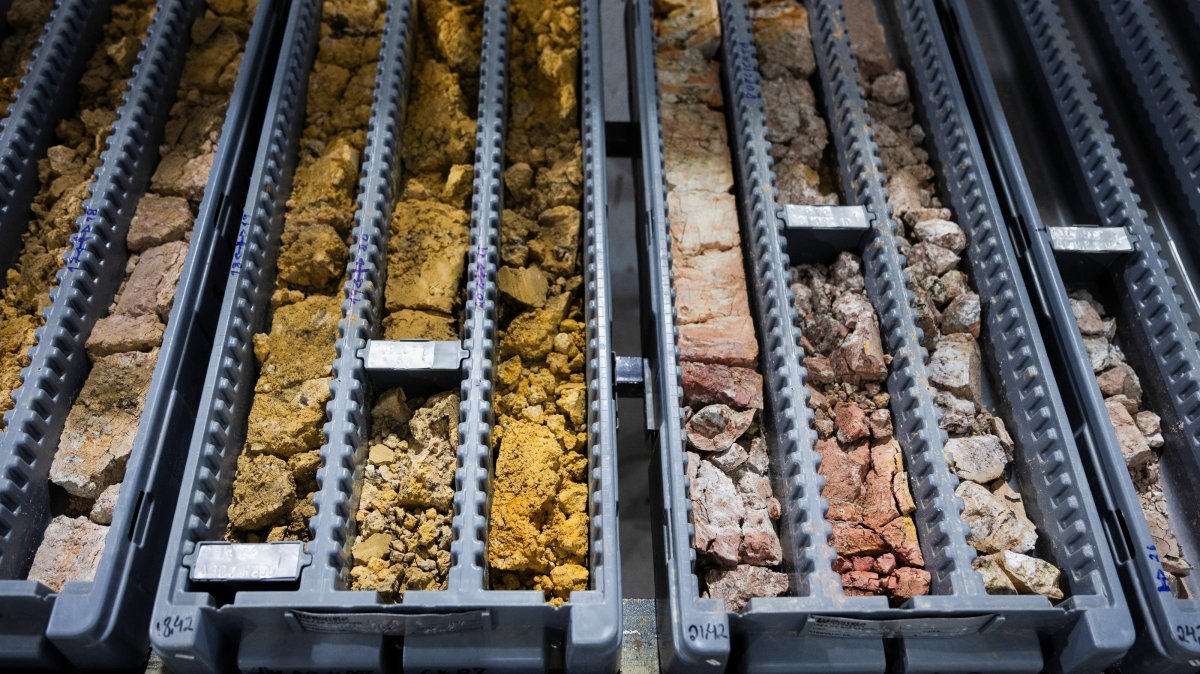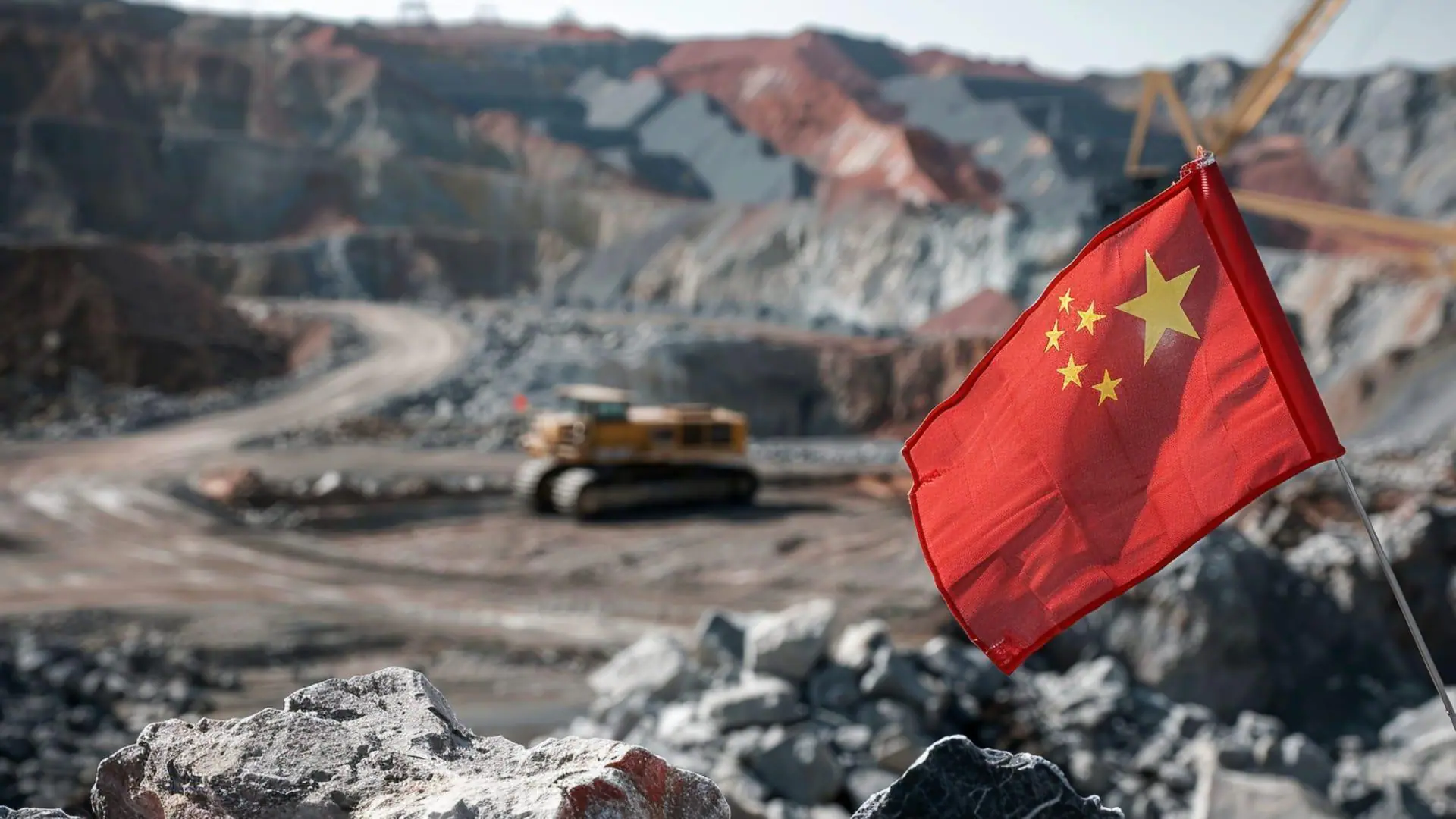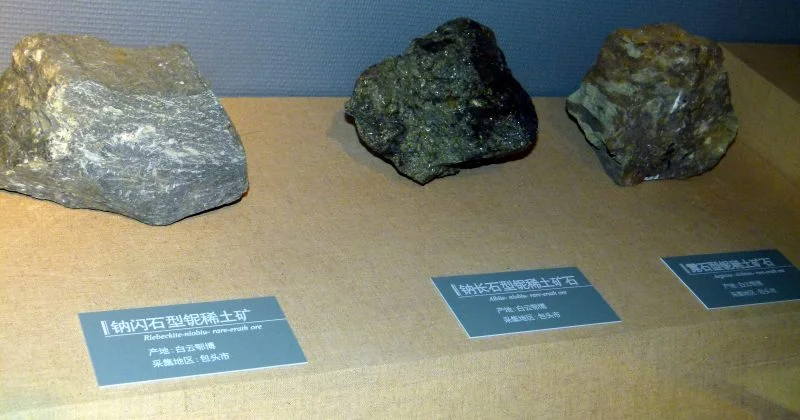
The International Energy Agency just put a price tag on the West’s rare earth dependency problem, and it’s not a comfortable number. The IEA’s report warns that China’s rare earth export controls could threaten up to $6.5 trillion in annual economic activity outside its borders, with roughly $4.2 trillion of that hitting IEA member countries directly.
Rare earth elements are the unglamorous backbone of modern technology. They’re in your EV motor, your wind turbine, your fighter jet, your smartphone speakers. Without them, entire manufacturing sectors grind to a halt.
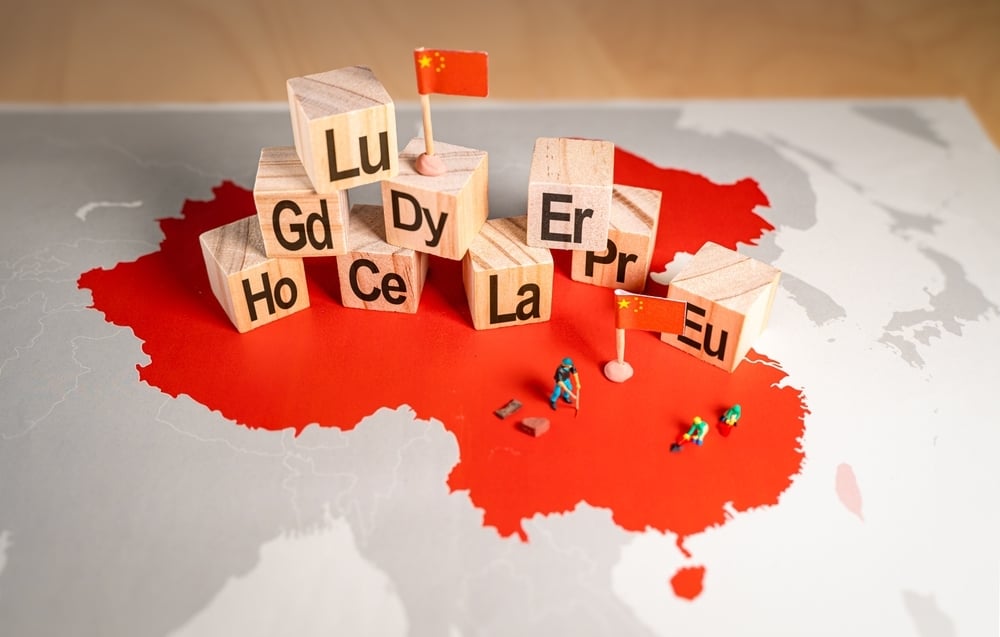
China doesn’t just mine these materials. It owns nearly the entire pipeline. The country accounts for around 60% of mined magnet rare earths, over 91% of global refining capacity, and a staggering 94% of sintered permanent magnet production.
The IEA report, released on April 8, 2026, spells out the downstream consequences with unusual bluntness for an intergovernmental body. Automotive manufacturing, electronics, defense contracting, wind energy, and the EV sector all sit squarely in the blast radius. Heavy rare earths, the subset most critical for high-performance magnets, face the tightest bottleneck.
The controls themselves have been escalating in stages. Initial export restrictions on heavy rare earths kicked off in April 2025. Broader export rules followed in October 2025. Beijing briefly suspended controls in November 2025 for one year, a move that looked conciliatory on paper but left the underlying leverage entirely intact.